
The Shift Toward Electrified Home Comfort

For decades, the standard for residential comfort was dictated by the combustion of fossil fuels. Whether through a gas furnace or an oil-fired boiler, homeowners relied on burning finite resources to generate heat within their living spaces. However, the real estate landscape is undergoing a profound transformation as sustainability moves from a niche preference to a primary driver of market value. Today’s buyers are increasingly savvy, prioritizing long-term operational costs, environmental responsibility, and structural modernization. As the global transition toward electrification accelerates, the heat pump has emerged as the definitive gold standard for home upgrades, signaling a departure from outdated combustion methods toward a cleaner, more efficient future.
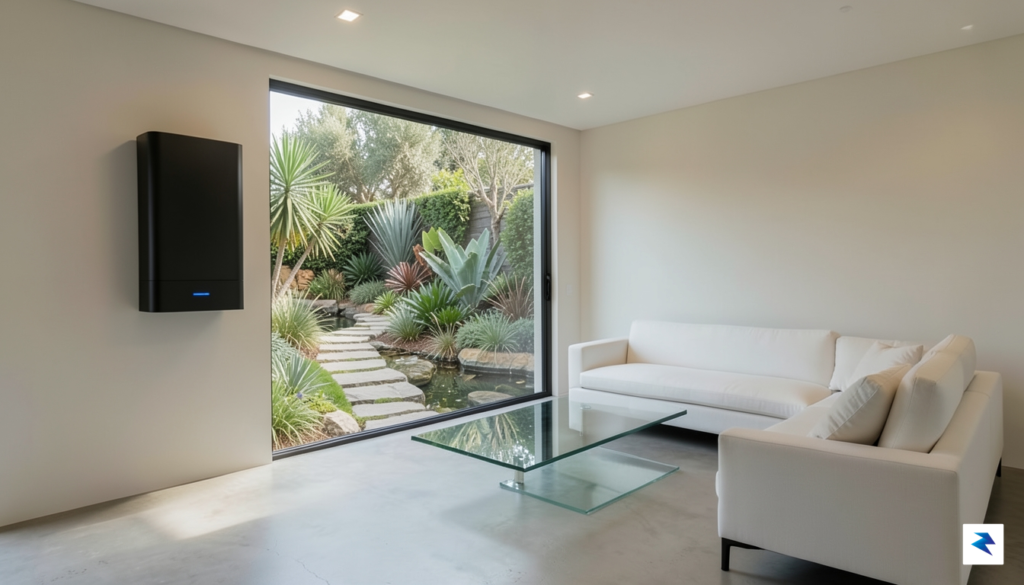
At its core, the heat pump is a marvel of physics that fundamentally changes how we perceive home climate control. Unlike traditional systems that create heat by burning fuel, heat pumps utilize the principles of heat transfer. By leveraging a refrigeration cycle, these systems extract existing thermal energy from the outside air—even in frigid temperatures—and concentrate it to warm the home. During the warmer months, the process simply reverses, acting as a high-efficiency air conditioner. This dual-purpose functionality transforms the home into a self-contained, energy-efficient ecosystem, effectively bridging the gap between historical reliance on utility grids and the goal of true energy independence.
The shift toward all-electric homes isn’t just about reducing carbon footprints; it’s about future-proofing a property against rising energy costs and impending regulatory changes regarding fossil fuel infrastructure.
The market demand for “all-electric” homes is not merely a trend; it is a calculated response to the volatility of global energy markets. Buyers recognize that a home equipped with heat pump technology is inherently more resilient. By removing the need for gas lines and combustible fuel storage, homeowners can enjoy improved indoor air quality and a simplified maintenance schedule. Furthermore, as municipal governments continue to implement stricter building codes and offer lucrative incentives for green retrofits, houses that have already made the switch to electric heating sit at the top of the competitive ladder. Ultimately, installing a heat pump is an investment in the longevity of the property, ensuring that your home remains a desirable, modern asset in an increasingly eco-conscious real estate market.
How Heat Pumps Add Tangible Financial Value
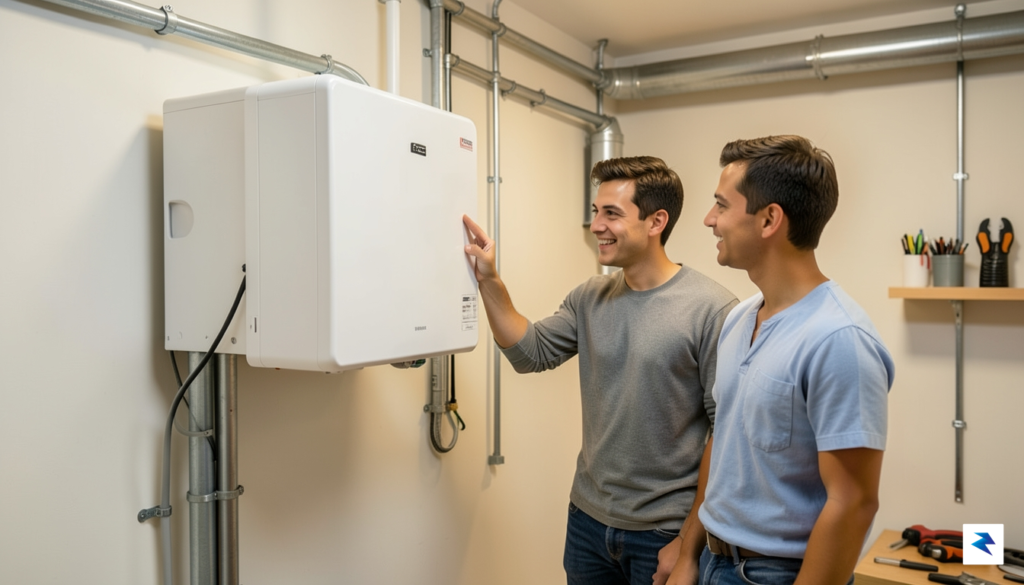
Modern real estate markets are increasingly defined by a phenomenon often referred to as the “green premium,” where prospective buyers actively seek out properties that promise long-term sustainability and reduced environmental footprints. Beyond the aesthetic appeal of a freshly painted kitchen or a renovated bathroom, savvy buyers are looking closely at the mechanical backbone of a home. They understand that a high-efficiency heat pump is not merely a climate control device; it is a fundamental pillar of a property’s total cost of ownership. By significantly lowering monthly utility bills, these systems effectively increase the homeowner’s net disposable income, a financial benefit that appraisers and buyers alike are beginning to factor into the final purchase price of a home.
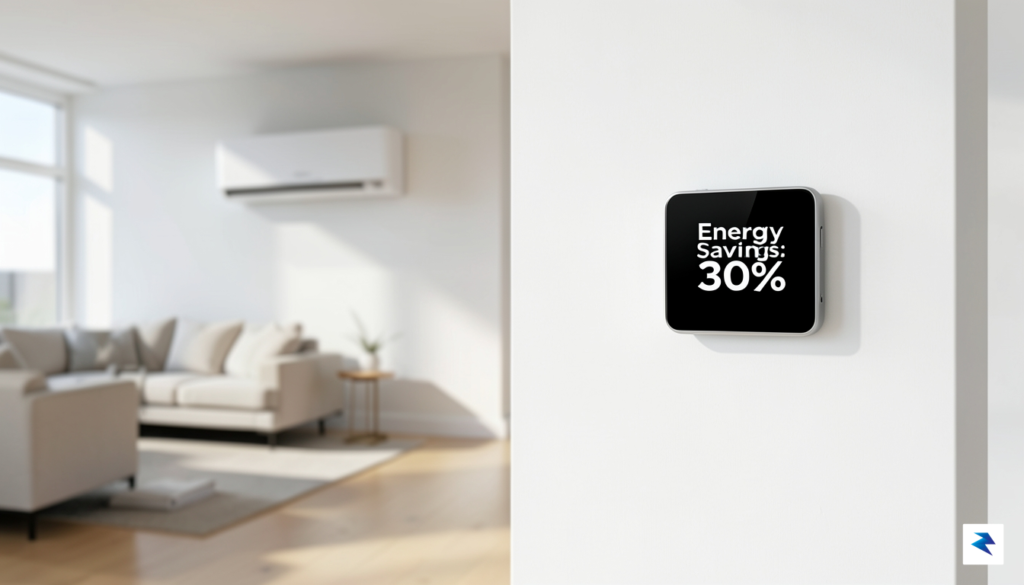
When evaluating a home, buyers often view traditional HVAC systems—particularly aging furnaces or boilers—as looming capital expenditures. The fear of an imminent, expensive mechanical failure can dampen interest or lead to aggressive price negotiations. Conversely, a modern heat pump acts as a powerful selling point that offers peace of mind. Because these systems are highly efficient and operate with precision, they remove the immediate anxiety of a looming replacement cost. This shift in perception transforms the HVAC system from a depreciating liability into an asset that adds tangible value to the property’s appraisal.
The true value of a home is found in the intersection of comfort and efficiency; a house that is cheaper to operate is inherently worth more in a competitive market.
Furthermore, installing a heat pump is an act of future-proofing your real estate investment. As municipal regulations tighten around carbon emissions and fossil fuel usage, older heating methods like oil or propane tanks are increasingly viewed as potential “stranded assets.” These legacy systems may eventually require costly retrofits, environmental remediation, or face outright bans in certain jurisdictions. By transitioning to an electric heat pump, you are aligning your property with the future of home infrastructure. This proactive upgrade mitigates the risk of obsolescence, ensuring that your home remains attractive to the next generation of buyers who prioritize electrification and energy independence. Ultimately, the decision to install a heat pump is a strategic financial move that pays dividends both in monthly savings and in the final valuation of your home.
Beyond Efficiency: Modernizing Your HVAC Infrastructure
Upgrading your HVAC infrastructure is no longer just about meeting basic climate control needs; it is about integrating a versatile, high-performance system that adds tangible value to your property. Unlike traditional split-system setups that rely on separate furnaces and air conditioners, a modern air-source heat pump offers a streamlined, dual-function solution. By utilizing advanced refrigerant cycles to move heat rather than generate it through combustion, these units provide precise temperature regulation throughout the seasons. This consolidation of hardware not only frees up valuable space in your mechanical room but also simplifies your long-term maintenance schedule, as you are managing a single, unified system instead of two aging appliances.
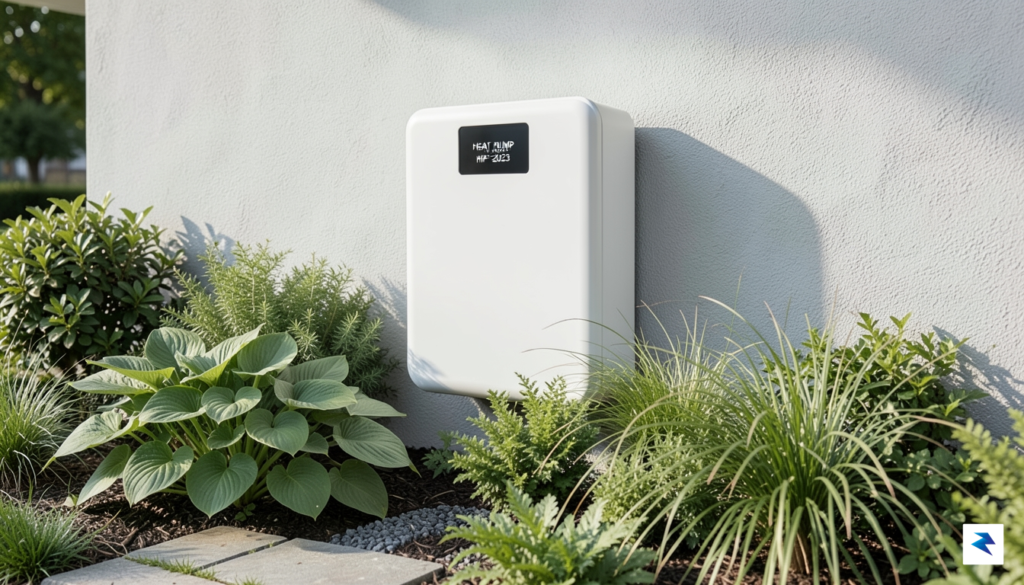
Beyond the convenience of dual functionality, heat pumps significantly improve the indoor environmental quality of your home. Many modern units are designed to integrate seamlessly with sophisticated filtration and humidity control systems, ensuring that the air circulating through your living space remains clean and comfortable. Because heat pumps operate using electricity, they eliminate the inherent safety risks associated with gas-fired furnaces, such as the potential for carbon monoxide leaks or pilot light malfunctions. This transition to an all-electric infrastructure is increasingly attractive to safety-conscious homebuyers who prioritize healthy indoor air and peace of mind.
The shift toward heat pump technology represents a transition from reactive, combustion-based heating to proactive, intelligent climate management that prioritizes both occupant safety and long-term asset durability.
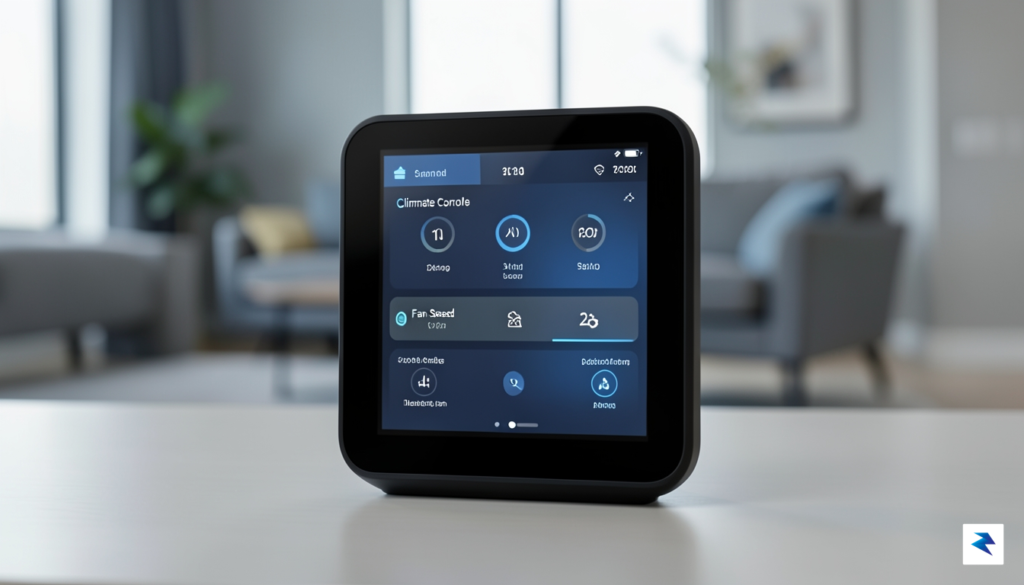
The technical edge of these systems is further bolstered by advanced zone control capabilities. By utilizing variable-speed compressors and smart thermostat integration, homeowners can direct heating and cooling exactly where it is needed most, rather than conditioning empty rooms. This level of granular control not only reduces unnecessary energy consumption but also prevents the wear and tear associated with constant system cycling. Because these modern units are built with fewer moving parts and lack the corrosive elements found in high-heat combustion chambers, they generally boast a longer service life and require less frequent, less intensive professional maintenance compared to traditional HVAC counterparts.
Ultimately, investing in a heat pump is a strategic move that modernizes your home’s core mechanical systems to meet contemporary standards. When potential buyers evaluate a property, the presence of a high-efficiency, multi-functional HVAC system serves as a strong indicator that the home has been well-maintained and future-proofed. By choosing a technology that balances superior comfort, lower maintenance requirements, and enhanced safety features, you are positioning your home as a high-value asset in a market that increasingly rewards energy-efficient and modern infrastructure.
Navigating Tax Credits and Financial Incentives
While the upfront investment for a high-efficiency heat pump system might initially seem daunting, the modern financial landscape has shifted to make this upgrade significantly more affordable than ever before. Central to this affordability is the Inflation Reduction Act (IRA), which provides a robust federal tax credit through the Energy Efficient Home Improvement Credit. Homeowners can currently claim 30% of the project cost, capped at $2,000 annually, which effectively acts as a substantial discount on both equipment and professional installation. Because this is a tax credit rather than a deduction, it serves as a dollar-for-dollar reduction of the income tax you owe, providing immediate and tangible financial relief in the year the system is placed into service.
Beyond federal support, the layering of local incentives can turn a significant capital expenditure into a highly manageable monthly budget item. Many state governments and regional utility providers offer additional rebates that exist independently of federal programs. For instance, some municipalities provide direct cash rebates for switching from traditional fossil-fuel-based heating systems to electric heat pumps to meet carbon reduction goals. Before signing a contract with an HVAC installer, it is essential to consult the DSIRE database or check your local utility provider’s website to identify active “electrification” incentives, as these local programs often have limited funding windows and are available on a first-come, first-served basis.
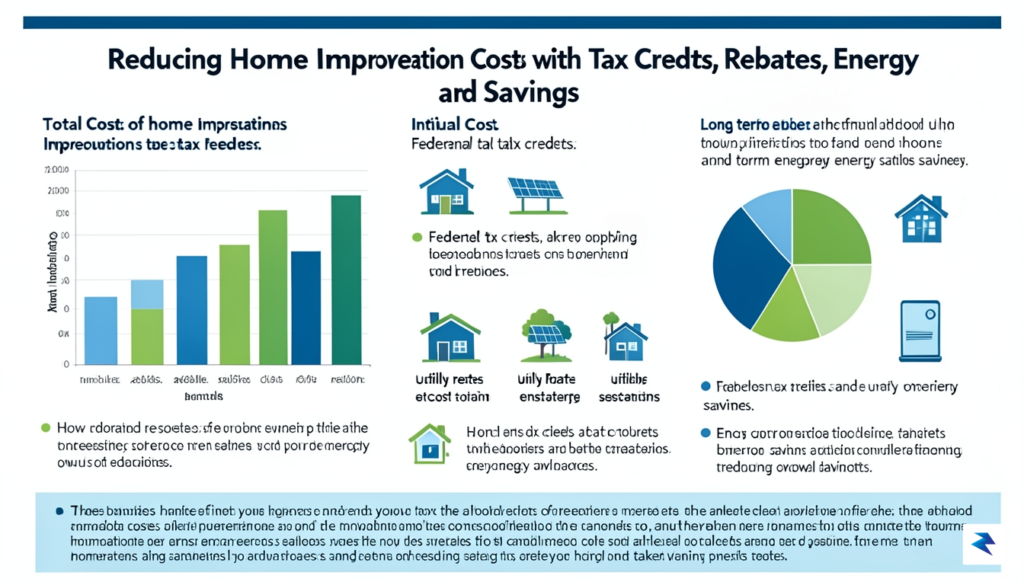
To accurately gauge the value of your installation, calculate your ROI by subtracting the total net cost—after all federal credits and local rebates are applied—from the projected energy savings over the next five to seven years.
When you evaluate the “high cost” of installation, it is critical to look past the sticker price and consider the Total Cost of Ownership (TCO). A traditional furnace system often requires redundant maintenance and expensive fuel sources that are subject to unpredictable market volatility. Conversely, heat pumps offer dual-function climate control, replacing both your aging air conditioner and your furnace with a single, high-efficiency unit. By consolidating these systems, you not only reduce your monthly utility bills due to superior energy efficiency but also benefit from lower ongoing maintenance requirements. When you combine these operational savings with the significant increase in your home’s resale value—driven by buyer demand for modern, eco-friendly, and energy-independent features—the initial installation cost becomes an investment that pays dividends rather than a sunk expense.
- Federal Tax Credits: Claim up to 30% of your project cost (max $2,000) under the Inflation Reduction Act.
- State & Local Rebates: Search for “heat pump rebates” alongside your zip code to uncover localized financial support.
- Utility Incentives: Contact your electricity provider to see if they offer bill credits or performance-based incentives for high-SEER rated installations.
- Resale Value: Modern homebuyers increasingly prioritize energy-efficient HVAC systems, allowing you to recoup installation costs upon selling your property.
Strategic Considerations for Smart Homeowners
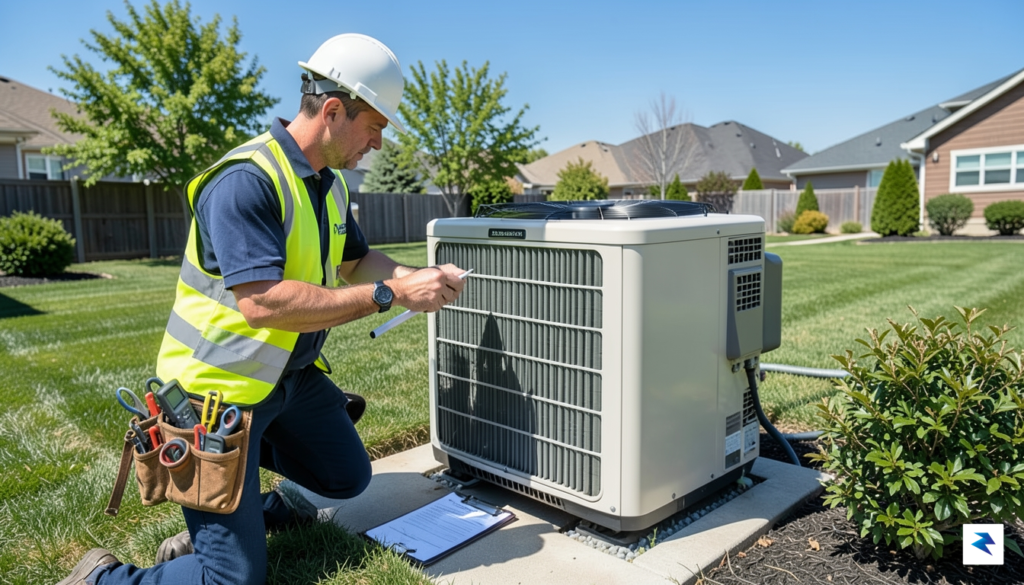
Before you invest in a heat pump, the most critical first step is to schedule a professional home energy audit. This comprehensive assessment acts as a diagnostic tool for your property, identifying exactly where heat is escaping and where your current systems are underperforming. By understanding your home’s baseline energy profile, you can avoid the common mistake of installing a unit that is too powerful—or too weak—for your specific needs. A professional auditor will evaluate your existing ventilation, humidity levels, and thermal boundaries, providing you with a data-backed foundation that ensures your future heat pump operates at peak efficiency.
Once you have a clear picture of your energy leaks, the next phase of preparation is “weatherizing.” Installing a high-efficiency heat pump is counterproductive if your home acts like a sieve, leaking conditioned air through drafty window frames, underpowered insulation, or gaps in your attic floor. Think of weatherizing as the essential prerequisite that allows your new system to work smarter, not harder. By prioritizing air sealing and upgrading your insulation, you significantly reduce the load on your HVAC system, which not only lowers your monthly utility bills but also enhances the long-term durability of the equipment. A well-sealed home is a comfortable home, and potential buyers are far more likely to pay a premium for a property that demonstrates both modern efficiency and excellent thermal retention.
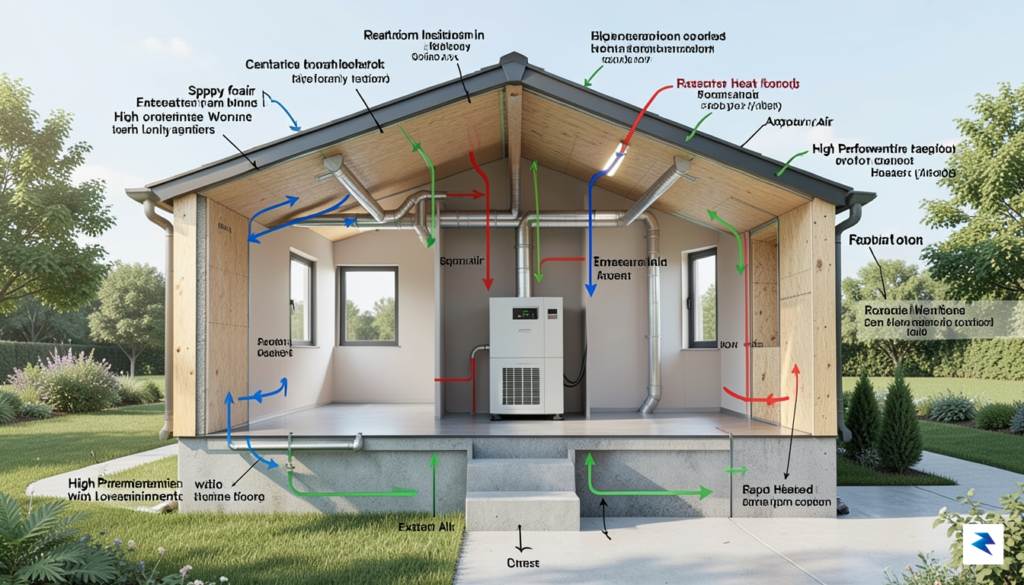
Selecting the right equipment architecture is equally vital to ensuring your investment pays off. If your home already features an existing ductwork system in good condition, a ducted heat pump may offer a seamless transition with minimal disruption. Conversely, many older homes or properties with additions benefit significantly from ductless mini-split systems. These units allow for zoned temperature control, which is highly attractive to modern buyers who prioritize personalized comfort and lower energy waste. Choosing the wrong configuration can lead to uneven heating and cooling, which defeats the purpose of the upgrade and can ultimately deter prospective buyers during a future home inspection.
To maximize your return on investment, never settle for a “one-size-fits-all” approach; align your equipment choice with your home’s architectural layout to ensure consistent performance.
Finally, the success of your installation hinges entirely on your choice of contractor. It is imperative to work exclusively with certified, experienced installers who understand the nuances of local climate demands. Proper sizing is a technical art; a technician must account for your regional temperature fluctuations and your home’s specific orientation to the sun. An improperly sized unit will lead to frequent cycling, which causes premature wear and tear and inconsistent indoor comfort. By vetting your installer for proper certifications and asking for references, you ensure that the installation meets manufacturer standards, thereby protecting your warranty and guaranteeing that your home improvement project translates into tangible, long-term property value.