
Heat Pumps: The Smart Home Upgrade That Actually Increases Your Property Value
The Shift Toward Electrified Home Comfort For decades, the standard for residential comfort was dictated by the combustion of fossil fuels.…
The rapid proliferation of generative artificial intelligence has fundamentally altered the landscape of music creation, moving from experimental novelty to a disruptive force that challenges the traditional economic models of the industry. As tools capable of mimicking vocal timbres, replicating complex arrangements, and generating full-length tracks become increasingly sophisticated, streaming platforms find themselves at a critical crossroads. They must balance the desire for technological innovation with the urgent need to protect the livelihoods of human artists who rely on royalty streams to sustain their careers. In this climate, Tidal has introduced a significant policy shift effective July 15th, opting for a nuanced middle ground that prioritizes transparency and economic accountability rather than imposing a blanket prohibition on machine-made content.
Under this new framework, Tidal is not moving to purge its library of AI-assisted tracks, nor is it issuing a total ban on the technology’s role in composition. Instead, the platform has established a clear boundary regarding monetization: while AI-generated music can still exist within the ecosystem, it will not be eligible for royalty payouts. This strategy reflects a growing industry consensus that while AI may serve as a creative tool or an interesting experiment, it should not displace human creators in the financial hierarchy of streaming. By withholding payment, Tidal effectively signals to the market that human artistry remains the primary currency of the streaming economy, protecting the pool of royalties for artists who invest time, money, and soul into their craft.

This approach stands in stark contrast to the more rigid, reactive stances adopted by other major streaming services, some of which have explored total content removal or aggressive filtering processes. While some competitors have focused on the legal implications of copyright infringement and training data ethics, Tidal’s policy addresses the economic reality of the creator middle class. The debate surrounding this issue is far from settled, as it forces us to grapple with difficult questions about the definition of authorship in the digital age. Is a track truly “original” if it is prompted into existence by a machine, and how do we value the labor of engineers versus the labor of prompt-based creators? These questions are essential as the industry navigates the tension between the efficiency of generative AI and the necessity of ensuring that human musicians are fairly compensated for the inspiration and effort they bring to the world.
The core of the issue is not the technology itself, but the preservation of a sustainable ecosystem where human-led creativity remains the most valuable asset in the musical marketplace.
Ultimately, Tidal’s decision marks a pivotal moment in how digital platforms govern the influx of synthetic media. By refusing to monetize AI-generated content, the platform is attempting to insulate the existing royalty pool from being diluted by an infinite volume of low-effort, algorithmically generated tracks. Whether this policy will influence broader industry standards remains to be seen, but it certainly sets a precedent that puts the value of human intellectual property at the forefront of the technological evolution currently sweeping through the music industry.
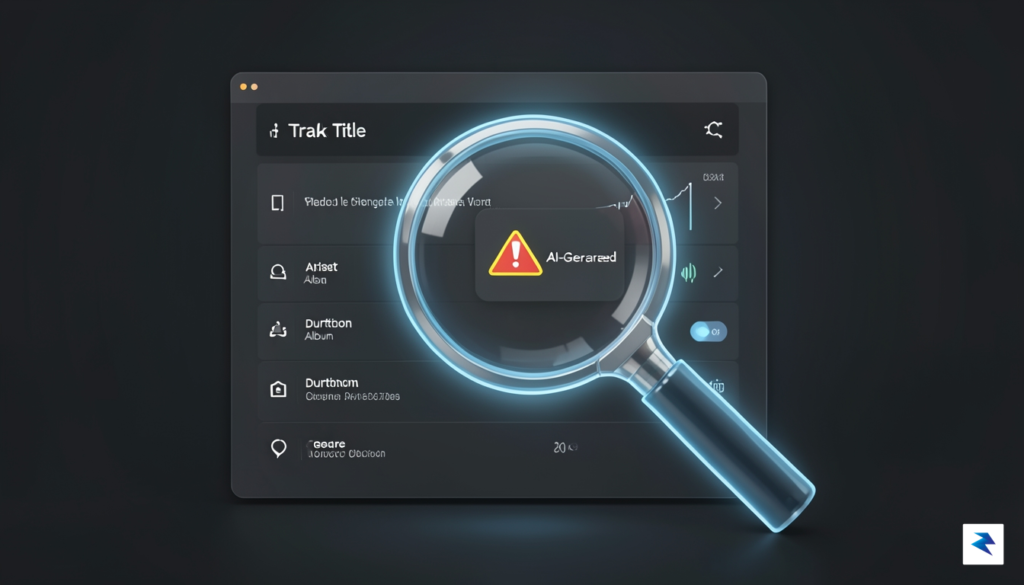
Transparency is the cornerstone of Tidal’s evolving strategy, as the platform moves to distinguish between human-led artistry and synthetic compositions. Identifying music generated entirely by artificial intelligence presents a unique set of technical hurdles, as generative models have become increasingly sophisticated at mimicking the nuances of human performance, from micro-rhythms to complex harmonic structures. To navigate these challenges, the platform is deploying a multi-faceted approach that combines automated fingerprinting with metadata analysis to flag content that lacks human intervention. By analyzing the structural integrity and technical signatures of uploaded files, the platform aims to isolate tracks that are unequivocally 100 percent AI-generated, effectively separating them from collaborative projects where AI serves merely as a supplemental tool.
The criteria for this classification are rigorous, focusing specifically on whether a composition is the result of autonomous generation rather than human-directed creative work. When a track is flagged as fully synthetic, Tidal will implement a distinct visual labeling system directly within the user interface. This notification will serve as a clear signifier for listeners, ensuring that the audience is fully informed about the nature of the media they are consuming. This transparency initiative is designed to foster a more honest relationship between artists and fans, allowing listeners to distinguish between the intentional labor of a songwriter and the outputs of a machine learning algorithm.
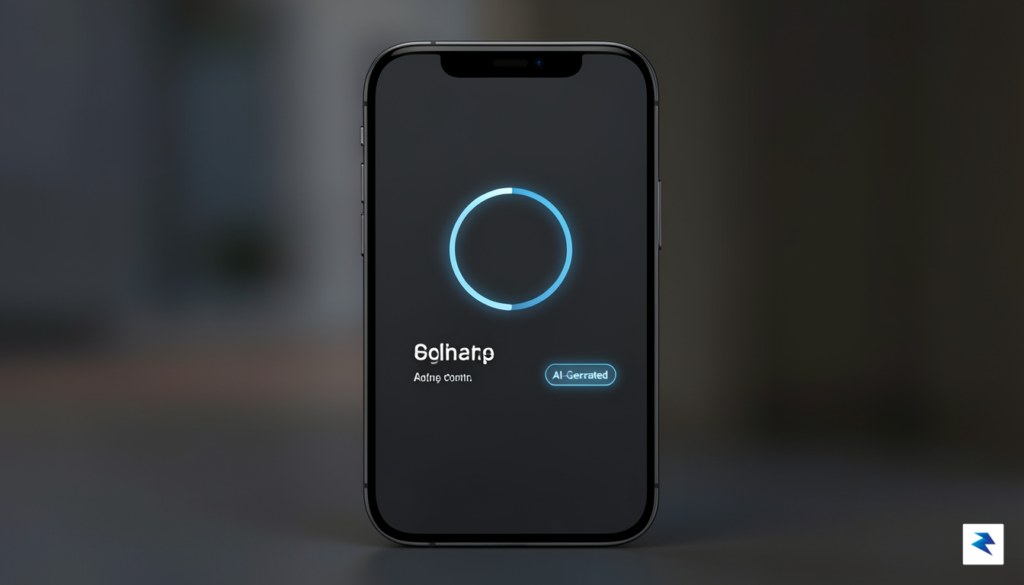
However, the reliance on automated detection is not without its inherent risks, particularly concerning false positives that could mistakenly label human-made music as synthetic. To mitigate these errors, Tidal is integrating a robust layer of human oversight to audit flagged tracks before they are permanently relegated to a non-monetized status. This hybrid framework acknowledges that AI detection technology is fallible and that the stakes for independent artists are incredibly high. By combining machine-led scanning with manual review processes, the company seeks to maintain a fair ecosystem where legitimate, human-composed music is protected from accidental demonetization.
Transparency is not just a policy preference for Tidal; it is an essential safeguard for maintaining the perceived value of human-led creative output in an increasingly automated streaming landscape.
Moving forward, the platform’s commitment to this labeling system underscores a broader industry shift toward accountability. As generative tools become more accessible, the ability to clearly distinguish the origins of a piece of music will become increasingly vital for copyright integrity and royalty distribution accuracy. By prioritizing clarity, Tidal is positioning itself as a platform that respects the value of human authorship while still acknowledging the reality of a changing technological landscape, ensuring that neither creators nor listeners are left in the dark.

By choosing to withhold royalty payments from purely AI-generated tracks, Tidal is effectively drawing a hard line in the sand regarding the definition of artistic labor. For years, the streaming economy has been plagued by the rapid proliferation of low-effort, algorithmically produced content that threatens to dilute the royalty pool intended for professional musicians. When a platform declares that these synthetic compositions are ineligible for monetization, it signals a fundamental shift in the streaming value proposition: human creativity is once again being prioritized as a scarce, compensable resource. This policy serves as a necessary intervention to prevent the platform from becoming a dumping ground for automated files that provide no cultural value while simultaneously siphoning revenue away from artists who rely on music for their livelihood.
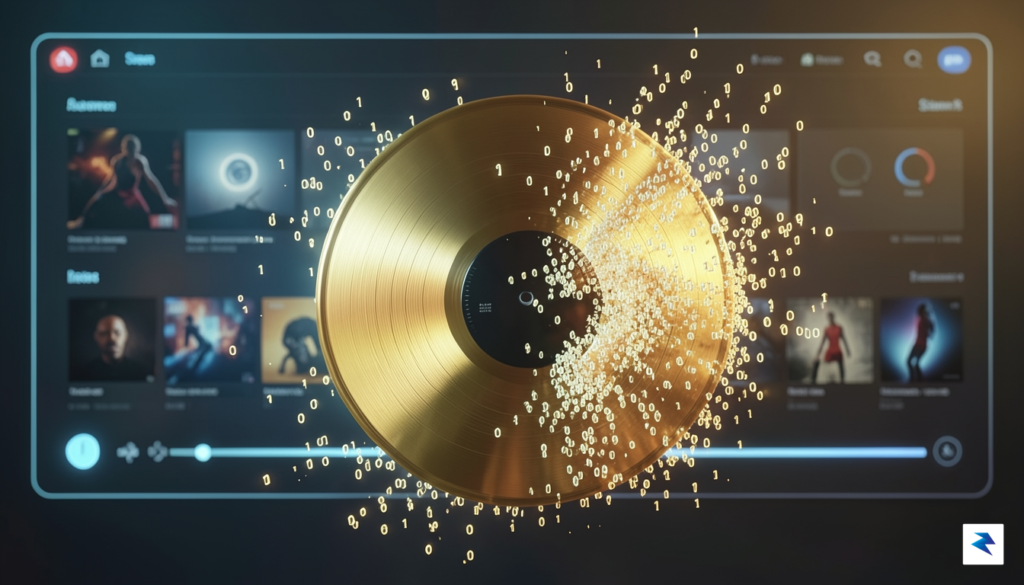
The immediate economic implication of this policy is the potential throttling of the “AI spam” market. Historically, the low barrier to entry for AI music generation allowed creators to flood streaming services with thousands of tracks, hoping to capture a small slice of the global royalty pie through sheer volume. By removing the financial incentive for this behavior, Tidal makes the platform significantly less attractive to those looking to exploit the streaming model for passive income. Consequently, this creates a more sustainable ecosystem where the finite amount of money available for payouts—often distributed through pro-rata systems—is reserved for creators who have invested time, emotional labor, and technical skill into their craft. Protecting this royalty pool is not merely a matter of fairness; it is an essential step in ensuring that music remains a viable career path for human songwriters and performers.
By decoupling algorithmic content from financial reward, Tidal is reinforcing the idea that digital streaming platforms should be marketplaces for human expression rather than repositories for infinite, automated data sets.
Ultimately, the long-term impact of this decision may define the future relationship between technology and the music industry. While the policy does not ban AI-generated music entirely, it creates a clear distinction between tools that assist human creation and content that seeks to replace it. As other platforms navigate the ethical complexities of generative AI, Tidal’s approach provides a blueprint for how services can foster innovation without cannibalizing the earnings of their human contributors. By favoring quality over infinite quantity, the industry may finally be finding a way to balance the rapid advancement of technology with the foundational need to support the people who make the music we love.

At its core, Tidal’s decision to withhold royalty payments from AI-generated content is not merely a bureaucratic adjustment; it is a fundamental defense of the human creative spirit. In an era where generative models can synthesize melodies and mimic vocal timbres in seconds, the value of the lived human experience—the joy, the heartbreak, and the cultural context inherent in songwriting—is at risk of being commodified into oblivion. By drawing a firm line, the platform is reinforcing an “artist-first” philosophy that asserts music is a product of human consciousness and struggle, rather than a mere sequence of predictive algorithms. This stance acknowledges that when we equate the output of a machine with the life’s work of a musician, we inevitably devalue the labor required to master an instrument or articulate a personal narrative.
The threat posed by AI-generated music to traditional royalty structures is both economic and systemic. Streaming platforms operate on a finite pool of revenue, and every cent diverted toward synthetic tracks—which can be produced at an industrial scale—is a cent taken directly out of the pockets of working artists. If generative models are allowed to flood the ecosystem, they risk creating a race to the bottom where volume replaces quality, effectively drowning out human creators who cannot compete with the sheer speed of automated generation. This shift threatens to destabilize the already fragile livelihoods of professional musicians, making it increasingly difficult for them to justify the years of investment and dedication required to sustain a career in the arts.
True musical authenticity is found in the connection between the creator and the listener, a bond built on shared human experience that software, no matter how sophisticated, cannot replicate.
Furthermore, the broader goal of this policy is to preserve the integrity of “authentic” art in a digital age. Authenticity has always been the bedrock of the music industry; listeners gravitate toward artists because they see reflections of their own humanity in the work. Generative AI models operate by scraping existing data and patterns, often lacking the intentionality and emotional stakes that define a genuine creative breakthrough. By refusing to monetize content that bypasses this human element, streaming services are effectively acting as curators of culture. They are signaling that the future of music should not be defined by the efficiency of machine generation, but by the ongoing evolution of human expression and the necessity of supporting those who pour their souls into their craft.

Ultimately, the evolution of streaming platforms must prioritize the preservation of human livelihoods if the industry is to remain a vibrant and meaningful ecosystem. If we allow the automation of art to proceed unchecked, we risk losing the very diversity and depth that makes music a universal language. Tidal’s commitment to this cause serves as a necessary intervention, pushing back against the tide of synthetic content to ensure that artists are rewarded for their unique contributions. It is a vital step toward a future where technology serves to enhance human creativity rather than replace it, ensuring that the next generation of songwriters has a viable path forward in a world increasingly dominated by code.
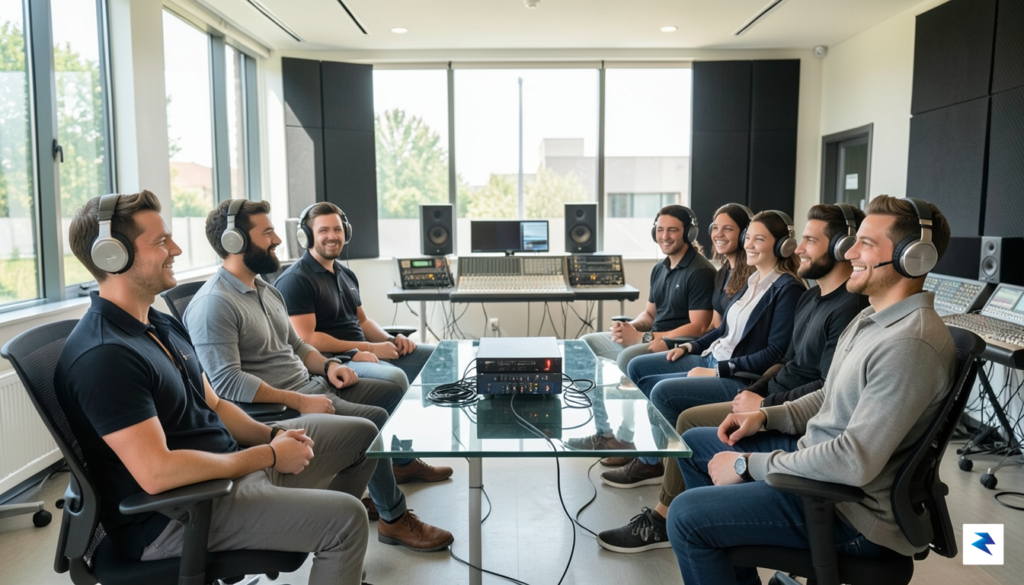
For the average listener, the rise of artificial intelligence in the recording studio presents a complex psychological shift in how we consume art. When we press play on a favorite track, we are often connecting with the human experience—the lived trauma, joy, and technical discipline of a musician. If that emotional resonance is revealed to be the byproduct of a sophisticated algorithm, the perceived value of the song often diminishes, turning a piece of art into mere functional background noise. Tidal’s decision to withhold royalties from purely AI-generated tracks acts as a crucial filter, ensuring that users are not unwittingly funding machine-generated content while searching for human connection.
Looking ahead, the distinction between “AI-assisted” and “AI-generated” music will likely become the defining conversation for the industry. Many artists already use technology to sharpen their production, enhance vocal clarity, or experiment with unique soundscapes, and these tools are widely accepted as part of modern creative evolution. However, the line is crossed when the machine replaces the songwriter entirely. As we move toward a future where AI tools are integrated into every Digital Audio Workstation, platforms will need to develop more nuanced labeling systems. This transparency will be essential for maintaining consumer trust, allowing listeners to decide whether they want to engage with a tool-augmented human performance or a synthetic creation.
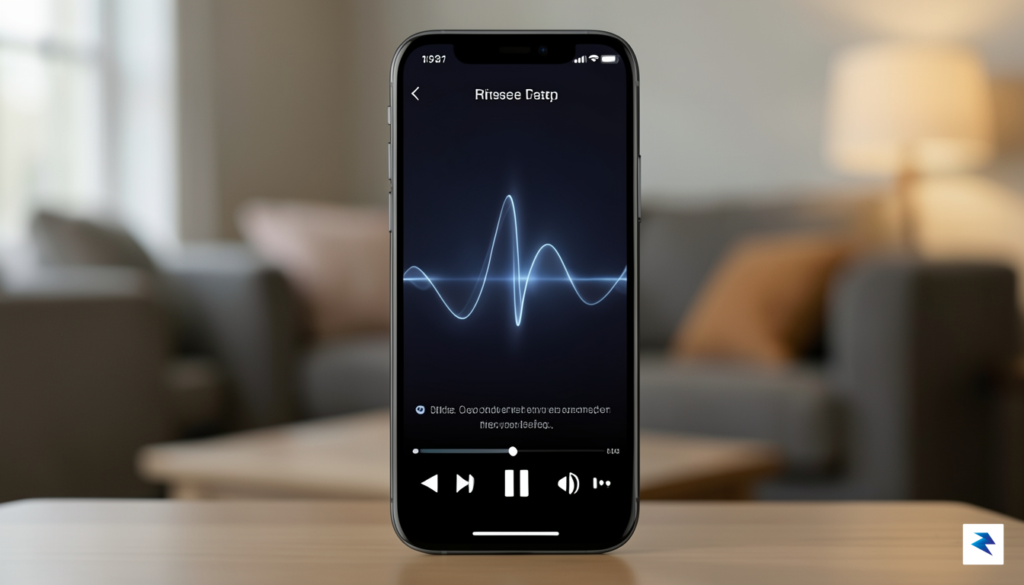
Competitors in the streaming space are undoubtedly watching Tidal’s move with great interest, as this policy may set a new industry standard for platform accountability. If other major giants follow suit, we could see a bifurcation of the digital music landscape where human-authored music is prioritized in discovery algorithms and premium tiers. Conversely, if platforms continue to treat machine-made audio with parity to human compositions, they risk alienating a user base that increasingly values authenticity in an era of deepfakes and automated content. The push toward informed consent—ensuring that listeners know exactly what they are hearing before they stream—will likely become a primary demand from both artists and fans alike.
Ultimately, the future of streaming depends on the preservation of the human element. By monetizing human creativity while sidelining the automated alternative, platforms are helping to ensure that the music industry remains a space for expression rather than mere data synthesis.
As these technologies continue to mature, the focus must remain on the listener’s experience and their right to know the origin of their daily soundtrack. Whether through metadata tags or clearer platform policies, the industry is entering an era where honesty is a marketable asset. By prioritizing human-centric music, Tidal is not just making a business decision; it is taking a stand for the value of the human spirit in an increasingly automated digital age.
You must be logged in to post a comment.