
The AI Job Paradox: Why Growth Outpaces Replacement

For years, the public conversation surrounding Artificial Intelligence has been steeped in a narrative of inevitable obsolescence. We have been conditioned to view the rise of sophisticated algorithms and large language models as a zero-sum game, where every automated task represents a human role stripped from the payroll. However, as organizations move beyond the initial phase of AI experimentation and into full-scale operational integration, a far more nuanced—and surprisingly optimistic—reality is emerging. Rather than signaling a contraction of the workforce, the most aggressive investments in AI are acting as a catalyst for human capital expansion. Data now suggests that the firms leading the charge in AI adoption are not trimming their headcount; they are actively hunting for new talent to help harness these technologies.
This shift from a model of “replacement” to one of “augmentation” represents a fundamental change in how we perceive corporate strategy. Automation, in its simplest form, seeks to replace human labor with software, but high-level AI deployment is rarely that straightforward. Instead, these advanced systems require a sophisticated ecosystem of human oversight, from data scientists and prompt engineers to cross-functional managers who can bridge the gap between technical outputs and business objectives. As companies infuse AI into their workflows, they find that they can tackle more complex projects, enter new markets, and innovate at a speed previously thought impossible. To sustain this accelerated pace, these organizations must bolster their ranks, creating a virtuous cycle where technological investment demands a larger, more skilled workforce to manage the increased volume of work.
The true value of AI in the modern enterprise lies not in its ability to operate independently, but in its capacity to amplify the capabilities of the people who guide it.

Furthermore, the reliance on AI creates a new spectrum of labor requirements that simply did not exist a few years ago. Scaling these systems is not a “set it and forget it” process; it requires constant monitoring, ethical auditing, and iterative refinement to ensure accuracy and compliance. When a company invests heavily in AI, they are essentially building a new engine for their business. Just as an engine needs mechanics, operators, and designers, these digital infrastructures require human intervention to scale effectively. Consequently, the companies spending the most on AI find themselves in a position where they must grow their human teams to manage, optimize, and troubleshoot these high-stakes systems. This creates a paradox that defies conventional wisdom: by investing in technology that is supposedly designed to reduce human reliance, businesses are actually discovering that they need more human talent than ever before to stay competitive in a rapidly evolving digital landscape.
Decoding the Ramp Study: How AI Spending Translates to Hiring
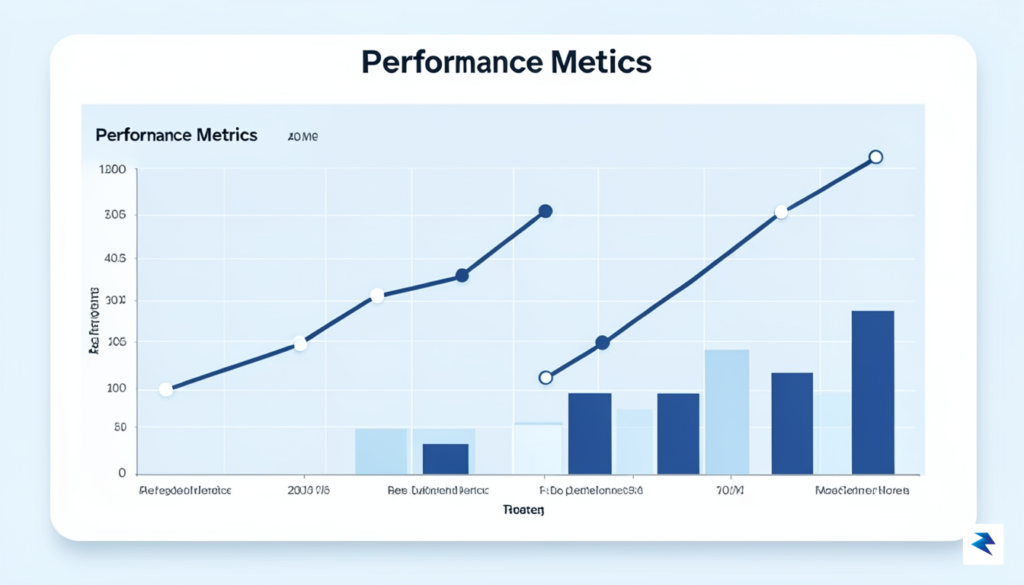
Conventional wisdom often paints a grim picture of artificial intelligence, suggesting that widespread automation will inevitably lead to a massive displacement of the human workforce. However, a landmark study by financial operations platform Ramp suggests the exact opposite: rather than signaling the end of human-centric roles, heavy investment in generative AI is actually functioning as a catalyst for expansion. The data reveals a compelling correlation where companies aggressively integrating AI tools into their workflows are seeing their headcount grow by approximately 10%. This surge in hiring effectively dismantles the prevailing narrative of tech-pessimism, proving that organizations are not merely using software to cut costs, but rather to scale their operations in ways that necessitate a larger, more capable team.
Perhaps even more revealing is the specific demographic shift within these hiring patterns. The study indicates a 12% increase in entry-level hiring among these high-adoption firms, a statistic that carries significant weight for the future of the job market. When companies lean into generative AI, they appear to be creating a “multiplier effect” where the efficiency gained from automation allows them to pursue new business lines, expand existing projects, and take on more complex client demands. Consequently, these firms require a influx of fresh talent to manage these burgeoning initiatives, debunking the fear that AI is strictly a tool for replacing junior-level tasks. Instead, these technologies are seemingly lowering the barrier to entry, allowing businesses to bring on more junior staff who can leverage AI to achieve senior-level productivity much sooner than in previous years.

The data suggests a paradigm shift: for modern enterprises, generative AI is not a substitute for human labor, but a high-octane fuel that accelerates the need for human capital.
To understand why this is happening, one must look at what “heavy adoption” actually looks like in the modern enterprise. It is rarely about replacing a department with a bot; instead, it involves the systematic integration of AI into the fabric of everyday tasks—from streamlining complex financial reporting and automating data entry to drafting technical documentation and accelerating software development cycles. By reclaiming the hours previously lost to mundane administrative burdens, these organizations find themselves with a surplus of time and resources. Rather than pocketing these savings as pure profit, forward-thinking leaders are choosing to reinvest that capital directly back into their most valuable asset: their people. This cycle of investment creates a virtuous loop where technology enhances human potential, and the resulting growth necessitates further human intervention and creative oversight.
Ultimately, this trend highlights a newfound corporate confidence. Companies that are willing to embrace the friction of early adoption are positioning themselves as market leaders, and they are using their technological edge to outpace competitors. By fostering an environment where AI handles the repetitive “heavy lifting,” these businesses are effectively clearing the path for their employees to engage in higher-value, strategic work. As the landscape evolves, the clear winners in the job market will be the organizations that recognize AI as a collaborative partner rather than a replacement, ensuring that their growth trajectory remains firmly rooted in human ingenuity.
Beyond Efficiency: Why Heavy AI Adopters Scale Teams

The prevailing narrative surrounding artificial intelligence often fixates on the specter of automation—the idea that machines will inevitably displace human workers by performing tasks more efficiently. However, recent data suggests a more nuanced reality: companies that invest most heavily in AI are not shrinking their workforces; they are actively scaling them. This phenomenon is rooted in the concept of AI-enabled expansion, where technology acts as a force multiplier rather than a replacement. By drastically reducing the cost of innovation and lowering the barriers to entry for complex projects, AI allows businesses to pursue ambitious goals that were previously deemed too labor-intensive or technically daunting to be profitable.

When a business utilizes AI to streamline routine operations, it doesn’t necessarily mean the human element becomes redundant. Instead, those resources are often reallocated toward growth-oriented initiatives. AI enables organizations to enter entirely new product categories, personalize customer experiences at scale, and accelerate the product development lifecycle. As these companies capture more market share and diversify their offerings, the complexity of their operations increases. This growth necessitates a broader human infrastructure, ranging from specialized technical roles like prompt engineers and AI ethicists to project managers who can bridge the gap between algorithmic output and strategic business objectives.
The true value of AI lies not in replacing human labor, but in expanding the scope of what a business can accomplish, ultimately creating a higher demand for skilled human judgment.
Furthermore, the integration of AI tools necessitates a shift toward roles that require high-level human oversight. While an algorithm can process massive datasets or generate initial drafts in seconds, it lacks the contextual understanding, emotional intelligence, and ethical discernment required to make final, high-stakes decisions. Consequently, companies are increasingly hiring professionals who can act as “AI orchestrators”—individuals capable of refining, interpreting, and applying machine-generated insights to real-world scenarios. This symbiotic relationship between technology and human intuition creates a cycle where AI innovation drives revenue, and that revenue funds the hiring of specialized staff to manage the next wave of technological expansion. Ultimately, the companies winning in the modern economy are those that leverage AI to amplify their human talent, not replace it.
The Shift in Entry-Level Roles: New Skills, New Opportunities

Contrary to the pervasive narrative that artificial intelligence would render junior-level positions obsolete, the latest data suggests a much more optimistic reality: companies are actively expanding their entry-level ranks. Instead of viewing AI as a replacement for human labor, industry leaders are identifying a critical need for “AI-native” talent—a new generation of workers who possess the intuitive ability to integrate large language models and automation tools into their daily workflows. By prioritizing these hires, businesses are not merely filling gaps; they are proactively building teams capable of navigating the complex, high-speed landscape of modern tech-integrated operations.
This shift represents a fundamental transformation in what it means to be a “junior” employee. In the past, entry-level work was often defined by repetitive, manual data tasks that served as a digital apprenticeship. Today, AI handles those foundational processes, allowing new hires to leapfrog the grunt work and engage in higher-level strategic problem-solving from day one. This acceleration means that companies are seeking candidates who demonstrate agility, curiosity, and a high degree of “prompt literacy,” effectively raising the ceiling on what a new recruit can achieve in their first year of employment.

Rather than displacing junior talent, AI acts as a digital mentor, lowering the barrier to entry for complex technical tasks by providing real-time guidance, code debugging, and instant access to institutional knowledge.
Furthermore, AI-driven mentorship is fundamentally changing the onboarding process. New hires are now supported by intelligent systems that act as 24/7 on-demand tutors, providing immediate feedback on technical outputs and helping junior staff navigate complex codebases or analytical models that once required years of experience to master. By leveraging these tools, organizations are effectively shrinking the time it takes for a new recruit to become a high-value contributor. This democratization of technical skill means that entry-level employees are no longer sidelined; instead, they are empowered to take on sophisticated projects that were previously reserved for senior engineers or managers.
Ultimately, the increase in entry-level hiring reveals a strategic pivot toward long-term growth. Companies that invest heavily in AI recognize that they need a steady pipeline of talent that views these technologies as an extension of their own cognitive capabilities. By cultivating an “AI-native” workforce, these firms are ensuring their future competitiveness while simultaneously providing fresh graduates and career-switchers with an unprecedented opportunity to influence the direction of their industries. The focus has moved away from automation as a cost-cutting measure and toward technology as a powerful catalyst for human professional development.
Preparing Your Career for an AI-Driven Workplace

The narrative surrounding artificial intelligence has shifted from a cautionary tale of displacement to a clear roadmap for professional expansion. As data indicates that organizations aggressively integrating AI are actually fueling their headcount, the most effective career strategy is no longer to insulate yourself from technology, but to become an indispensable architect of its implementation. To thrive in this evolving landscape, professionals must pivot from a defensive mindset toward one of active, strategic enhancement, effectively positioning themselves at the center of the next great hiring wave.

Mastering the New Skill Stack
The first step toward securing your future is to move beyond superficial AI interactions. While basic prompting is a useful entry point, true AI literacy involves understanding the logic, limitations, and ethical implications of the tools you use daily. Invest time in learning how to integrate AI workflows into your specific discipline—whether that means automating data analysis, streamlining content generation, or utilizing predictive modeling for project management. By demonstrating an ability to “co-pilot” with these technologies, you transform from a traditional worker into an AI-augmented specialist, a profile currently in high demand among industry leaders.
The goal of AI literacy is not to replace human intuition, but to amplify your output by offloading the repetitive, data-heavy tasks that previously acted as a bottleneck to your creativity.
Doubling Down on Human-Centric Value
As machines become increasingly adept at processing information, the premium on uniquely human traits like deep empathy, complex strategic thinking, and nuanced problem-solving will skyrocket. Companies are not just looking for people who can run a script; they are looking for leaders who can interpret AI-generated insights and apply them to ambiguous, real-world business challenges. You should actively cultivate your ability to navigate office politics, manage interpersonal relationships, and communicate complex technical strategies to non-technical stakeholders. These “soft” skills are, in reality, the most difficult to automate and will serve as your greatest competitive advantage in a tech-heavy economy.
Targeting the Right Growth Vehicles
Finally, be intentional about where you plant your professional roots. Not every company is navigating the AI transition with the same level of commitment or success. Look for organizations that are not merely “experimenting” with AI as a cost-cutting tool, but are instead investing in it as a catalyst for product innovation and service expansion. Research companies that publicly share their AI roadmaps, invest in employee upskilling programs, and show consistent growth in their tech-related departments. By aligning your career trajectory with firms that treat AI as a growth engine rather than a replacement strategy, you ensure that your professional development stays in lockstep with the demands of the modern market.