
The Geopolitical Shift: Understanding the Strait of Hormuz Agreement

- Reduced Insurance Premiums: Maritime insurers have begun lowering the rates applied to vessels traversing the Persian Gulf, directly reducing the operational costs of international oil shipments.
- Optimized Tanker Routing: With decreased threat levels, shipping companies can move cargo with greater efficiency, avoiding costly, circuitous, or delayed routes that were previously deemed too dangerous.
- Market Confidence: Energy traders, no longer forced to hedge against the threat of a complete closure of the Strait, have begun to strip the speculative risk premium out of futures pricing.
The recent diplomatic breakthrough regarding the Strait of Hormuz represents a monumental shift in the architecture of global energy logistics. Serving as the world’s most vital oil chokepoint, this narrow waterway facilitates the transit of roughly 20 percent of total global petroleum consumption. For years, the mere possibility of transit disruption—whether through military posturing, mine laying, or regional conflict—acted as a persistent “war risk” premium. This invisible tax on every barrel of oil traded globally forced markets to remain in a state of high alert, driving up insurance costs for tanker fleets and inflating consumer prices at the pump. By establishing a formalized agreement to ensure the freedom of navigation and secure passage through these waters, the United States and Iran have effectively neutralized a primary source of systemic volatility that has long haunted the global economy.
The nature of this agreement goes beyond simple de-escalation; it establishes a concrete framework for maritime transparency and dispute resolution. Moving away from the brinkmanship that previously characterized the region, the diplomatic channels now open to both nations allow for real-time communication, which significantly lowers the likelihood of accidental skirmishes escalating into wider conflicts. This newfound stability has had immediate, tangible effects on the logistics chain:
Overcoming the diplomatic hurdles to reach this point was no small feat, requiring both sides to navigate decades of deep-seated distrust and entrenched political opposition. The breakthrough suggests a pragmatic pivot where the economic necessity of stable energy markets was prioritized over the cycle of provocation. As global tanker traffic now moves with a newfound sense of security, the resulting market stability serves as a powerful reminder of how geopolitical diplomacy directly dictates the numbers seen on local gas station signs. By securing this critical maritime artery, the international community has not only averted a potential supply chain catastrophe but has also provided the bedrock for a more predictable and sustainable energy future.
How Global Oil Markets React to Reduced Supply Risks

- Refinery Planning: Predictable oil prices allow refineries to lock in their input costs, preventing the need for frequent, sharp price hikes for consumers.
- Inventory Management: Distributors are less inclined to hoard fuel as an emergency hedge, which helps stabilize supply levels across the country.
- Investor Confidence: A decline in geopolitical noise reduces speculative trading, which often exacerbates price swings during periods of uncertainty.
At the heart of the recent decline in fuel costs lies the complex relationship between geopolitical stability and the so-called risk premium embedded in global oil prices. When market participants fear that regional instability might obstruct key transit arteries—such as the Strait of Hormuz—they build a buffer into the price of crude oil futures. This premium acts as a financial insurance policy; traders bid up the price per barrel to account for the potential of a sudden, forced reduction in global supply. However, when geopolitical tensions simmer down and the perceived probability of an imminent supply disruption wanes, that premium evaporates almost as quickly as it was added. As traders adjust their long-term forecasts to reflect a more secure status quo, the cooling effect ripples outward from the futures exchanges to the global distribution network, ultimately providing the relief currently felt at the pump.
The mechanics of this market shift are driven by how institutional investors and energy analysts calculate the volatility of supply chains. In a high-tension environment, every headline regarding regional military maneuvers or diplomatic stalemates is translated into a percentage increase in the likelihood of a supply shock. When these threats subside, the market environment becomes fundamentally more predictable, allowing for a more stable flow of energy. This stability is critical for several reasons:
Ultimately, the easing of tensions serves as a stabilizing buffer, shielding the energy market from the reactionary spikes that characterize periods of global unrest. By removing the fear factor from the equation, the market is no longer pricing in a “worst-case scenario” for production, but rather the reality of current supply and demand. This normalization of expectations is the primary driver behind the current downward trend in gasoline prices, demonstrating that the cost of your morning commute is often dictated as much by international diplomacy as it is by the physical extraction of oil from the ground.
The Economic Ripple Effect: What Sub-$4 Gas Means for Consumers
- Grocery and Produce Pricing: Reduced fuel surcharges on heavy-duty shipping lanes help mitigate the price volatility of perishable goods, which are often the first to reflect transportation costs.
- Home Delivery Services: With lower operational overhead, e-commerce providers may see a stabilization in shipping fees, making online purchasing more predictable for the average buyer.
- Local Service Trades: From plumbers to landscape professionals, small businesses that rely on service vehicles can maintain more consistent pricing structures, fostering a healthier local economy.
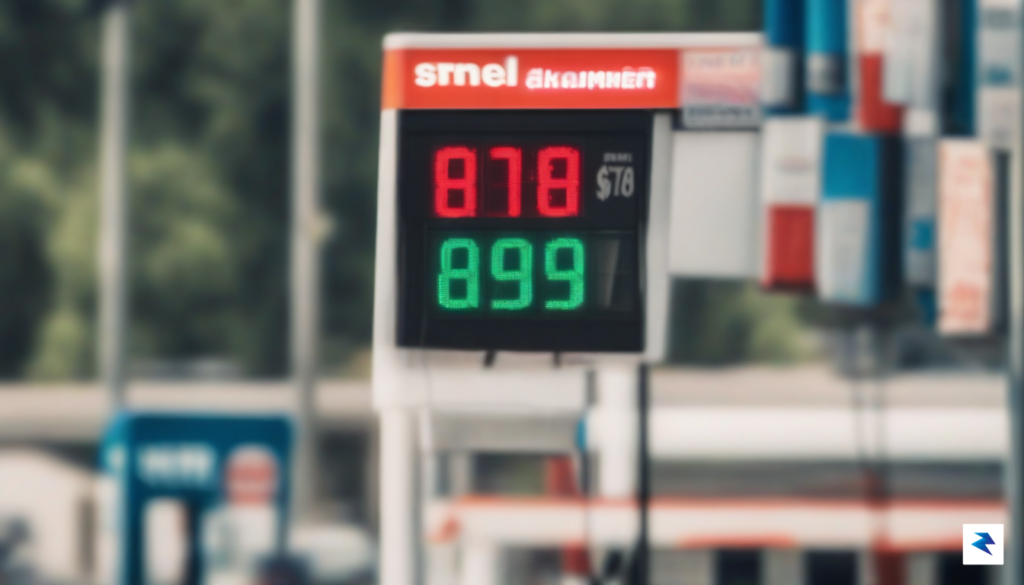
For the average American household, the four-dollar-per-gallon mark has functioned as a formidable psychological barrier, acting as a barometer for both personal financial stress and broader national economic health. When pump prices hover above this threshold, the impact is immediate and visceral, forcing families to make difficult trade-offs between essential spending and discretionary consumption. As prices finally retreat below this ceiling, the resulting relief is not merely a matter of pennies saved at the pump; it represents a significant shift in household cash flow. This newfound flexibility allows families to redirect those critical dollars toward debt reduction, savings, or the purchase of goods that were previously sidelined during the period of high-cost fuel, thereby providing a much-needed boost to consumer confidence.
Beyond the immediate savings felt at the gas station, the decline in fuel costs triggers a vital ripple effect throughout the supply chain. Because transportation is a foundational expense for virtually every sector of the economy, lower gasoline and diesel prices act as a cooling agent for persistent inflationary pressures. When the overhead costs for logistics, trucking, and last-mile delivery services stabilize, businesses are under less pressure to pass those costs onto the consumer through price hikes. This normalization of transportation expenses helps to temper the rising cost of everyday items, creating a more favorable environment for long-term price stability. Several key areas stand to benefit from this logistical recalibration:
Ultimately, this downward trend in energy costs serves as a crucial psychological pivot point. When consumers perceive that the relentless upward trajectory of living expenses is finally stalling, they are more likely to engage in the broader economy with renewed optimism. This transition from a defensive financial posture to one of cautious stability is essential for sustained economic health. While the dip below four dollars is a singular data point, its cumulative effect—strengthening household budgets while simultaneously dampening the inflationary fire—provides a tangible pathway toward a more balanced and resilient financial landscape for the American public.
Long-Term Energy Security and the Future of Fuel Costs

- Geopolitical Diversification: Reducing reliance on any single region for oil imports ensures that regional conflicts or policy shifts have a diminished impact on U.S. gas stations.
- Domestic Production Capacity: Maintaining a robust and responsible level of home-grown energy production acts as a vital hedge against global market shocks.
- Accelerated Energy Transition: Integrating a wider array of alternative fuels and electric vehicle infrastructure reduces the absolute demand for gasoline, inherently softening the impact of oil price spikes.
While the recent retreat of gasoline prices to sub-$4 levels offers immediate relief for household budgets, it is critical to view this development as a snapshot rather than a permanent new baseline. The volatility inherent in global energy markets means that today’s reprieve, while welcome, is heavily contingent upon fragile geopolitical stability and fluctuating supply chain dynamics. To understand whether these lower costs are sustainable, we must look beyond current pump prices and consider the structural factors governing our long-term energy security. Real stability will ultimately depend on a combination of strategic domestic production, the diversification of energy imports, and a measured transition toward a more resilient, multi-source power infrastructure.
The sustainability of these lower prices over the next 12 to 24 months remains subject to several competing pressures. On one hand, recent diplomatic breakthroughs regarding key shipping lanes have helped stabilize supply corridors, effectively reducing the risk premiums that previously inflated fuel costs. However, this progress must be balanced against the reality of global demand, which continues to recover in emerging markets, potentially tightening supply once more. Furthermore, domestic energy policy continues to walk a fine line between incentivizing traditional extraction to meet immediate needs and investing in the infrastructure required to decouple our transportation sector from external volatility.
Looking ahead, the path to stable transportation costs will likely be defined by three core pillars:
Ultimately, while current market conditions provide a temporary reprieve, they also underscore the necessity of a diversified energy strategy. Consumers should remain prepared for lingering uncertainty, as global energy markets are rarely static. By focusing on long-term investments rather than short-term fluctuations, the U.S. can move toward an era where transportation costs are dictated by consistent technological progress rather than the unpredictable ebb and flow of international diplomatic agreements. Achieving this stability will not happen overnight, but it remains the most effective defense against the cycles of price volatility that have defined the last several years.