Why Apple May Raise Prices: The Reality of the Global RAM Shortage
The Reality of Global RAM Shortages The global semiconductor industry is currently navigating a period of profound instability, a phenomenon…
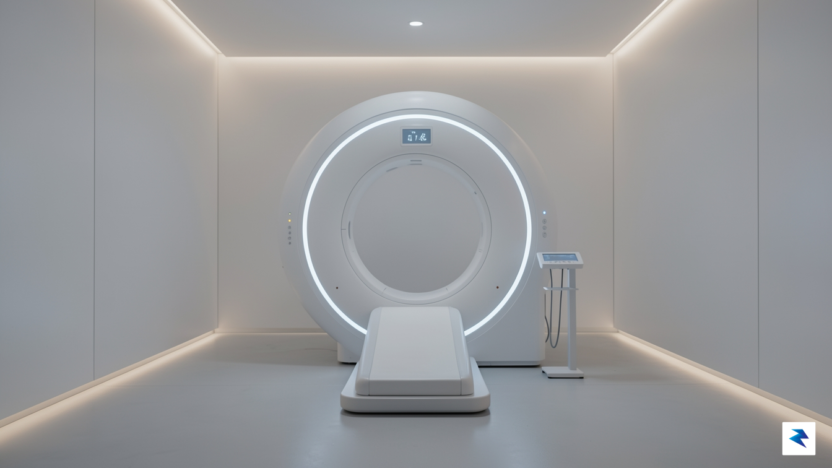

For years, Midjourney has occupied a specific corner of the digital zeitgeist: it was the go-to engine for dreamlike landscapes, hyper-realistic portraits, and whimsical, algorithmically generated cat images. Users approached the platform as a digital canvas, typing prompts to conjure aesthetic beauty out of thin air. However, the company’s recent trajectory suggests that its ambitions were never confined to the realm of mere pixels. With the unveiling of the Midjourney Scanner, the organization has executed a pivot that is as jarring as it is ambitious, transitioning from the intangible world of creative synthesis to the high-stakes reality of medical hardware.
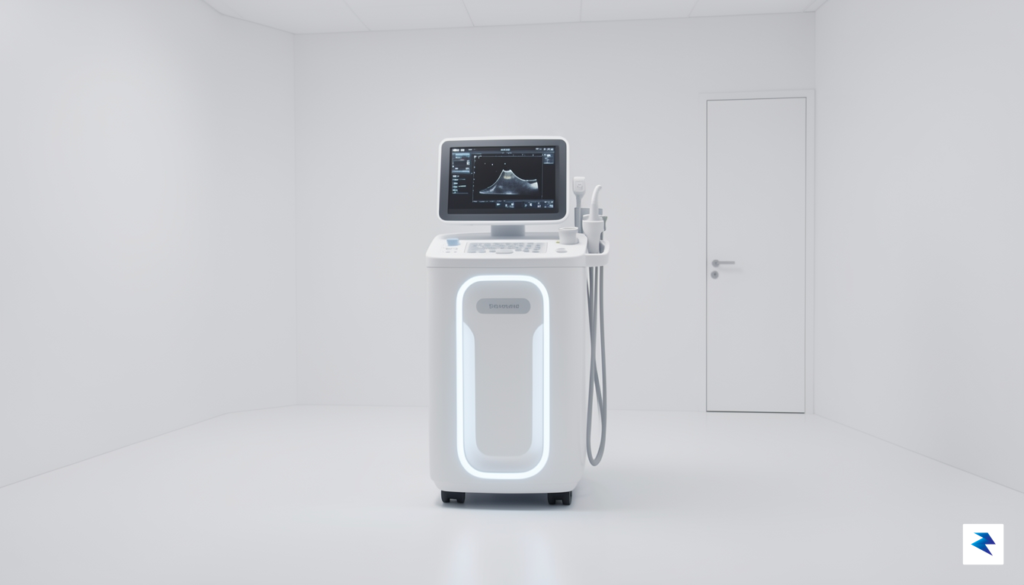
The leap from generating artistic imagery to capturing clinical biometric data might seem like a non-sequitur, yet it represents a calculated evolution in how we process visual information. Historically, Midjourney’s strength lay in its ability to interpret latent space—the vast, complex mathematical structures that underpin machine learning—and translate them into coherent visual outputs. By applying this same interpretive power to the noise-heavy data of ultrasound waves, Midjourney is effectively moving from creative generation to precision reconstruction. While a user once asked the model to imagine a cat in a space suit, the scanner now asks the software to interpret the physiological topography of the human body with unparalleled accuracy.
This transition highlights a profound philosophical shift in the AI industry. Where generative software was once defined by its capacity to hallucinate new realities, the Midjourney Scanner is tasked with the opposite: the total elimination of error. The company is betting that the same neural network architecture used to understand lighting, texture, and structural depth in digital art can be repurposed to identify anatomical anomalies in real-time. This pivot marks the end of Midjourney’s era as a purely creative tool and the beginning of its journey into the clinical sector, where the “prompt” is no longer a creative whim, but a patient’s life-saving diagnostic requirement.
Ultimately, this move forces us to reconsider the nature of “AI intelligence.” If an algorithm can understand the nuances of a human face well enough to render it from text, it stands to reason that it can be trained to understand the human body well enough to peer beneath the skin. By bridging the gap between artistic imagination and medical reality, Midjourney is attempting to prove that the future of diagnostic medicine lies in the sophisticated visual reasoning that previously only lived within the confines of our digital imaginations.
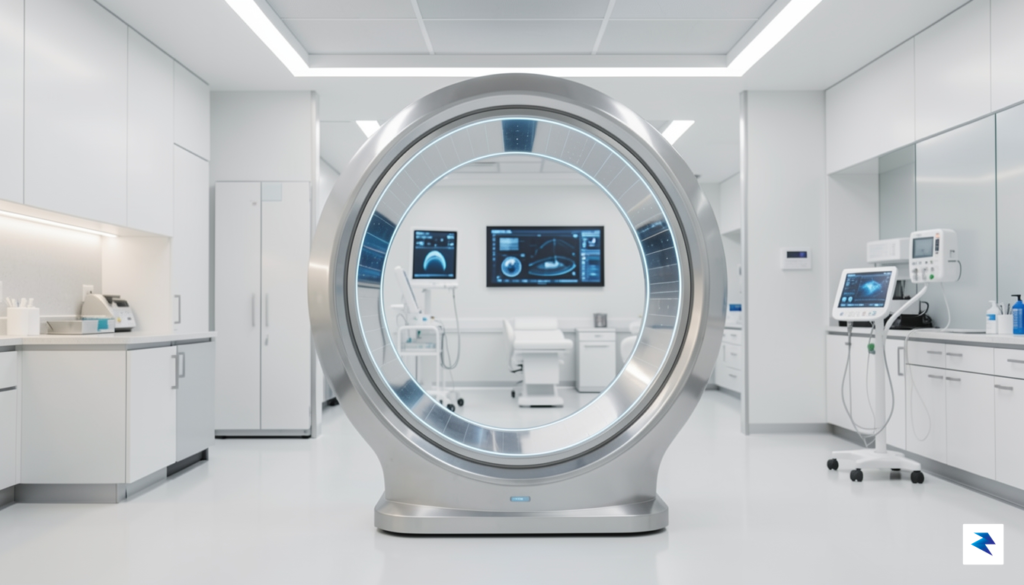
At its core, the Midjourney scanner represents a radical departure from the handheld, localized devices that have defined ultrasound technology for decades. By transitioning from the creative, generative AI that popularized the company to a sophisticated fusion of sensor engineering and diagnostic interpretation, Midjourney has developed a ring-sensor array designed to capture comprehensive biological data in a single, streamlined pass. Unlike traditional ultrasound, which requires a highly trained technician to manually maneuver a probe over specific areas of interest—often leading to inconsistent results based on operator skill—this full-body system utilizes a synchronized lattice of transducers that envelop the patient, ensuring uniform data acquisition across the entire anatomy.
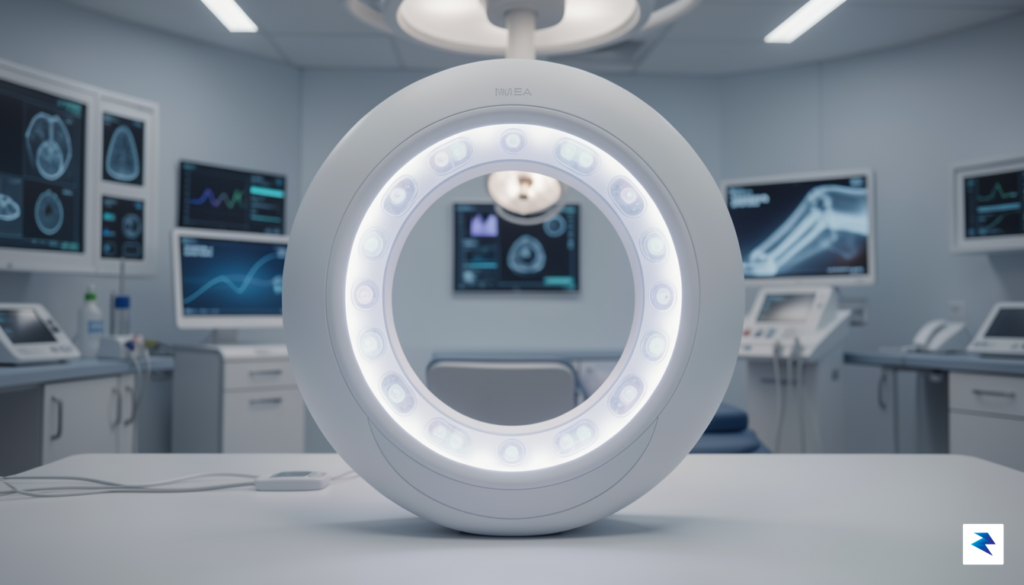
The true innovation, however, lies in how the system processes this raw acoustic data. Once the ring-sensor array completes its sweep, the device feeds a massive, high-fidelity data stream into a proprietary neural network specifically tuned for medical imaging. While standard diagnostic equipment relies on real-time visual interpretation by a radiologist, the Midjourney system employs AI-driven image reconstruction to filter out noise and enhance tissue contrast automatically. This hardware-software integration allows for the identification of subtle anomalies that might escape the human eye during a standard screening, effectively turning the scan into a living, three-dimensional digital twin of the patient’s internal health.
The concept of a “full-body” scan is designed to shift the medical narrative from reactive treatment to proactive prevention. In a traditional clinical workflow, patients usually undergo ultrasound exams only when a specific symptom arises or a condition is suspected. Midjourney’s approach democratizes access to comprehensive diagnostics by making the “full-body” checkup as routine as a physical exam. By establishing a baseline of a patient’s internal structure, the system can detect minute changes over time, potentially identifying systemic issues—such as early-stage inflammation or cardiovascular irregularities—long before they manifest as clinical symptoms.
This integration of technology serves several critical functions in modern diagnostics:
Ultimately, the Midjourney scanner is not merely a piece of hardware; it is an intelligent diagnostic ecosystem. By merging the precision of physics-based imaging with the interpretive power of sophisticated neural networks, the system aims to close the gap between current diagnostic limitations and the vision of a truly predictive medical future. As the technology matures, it promises to redefine how clinicians interpret the human body, turning every scan into a detailed blueprint for long-term health management.
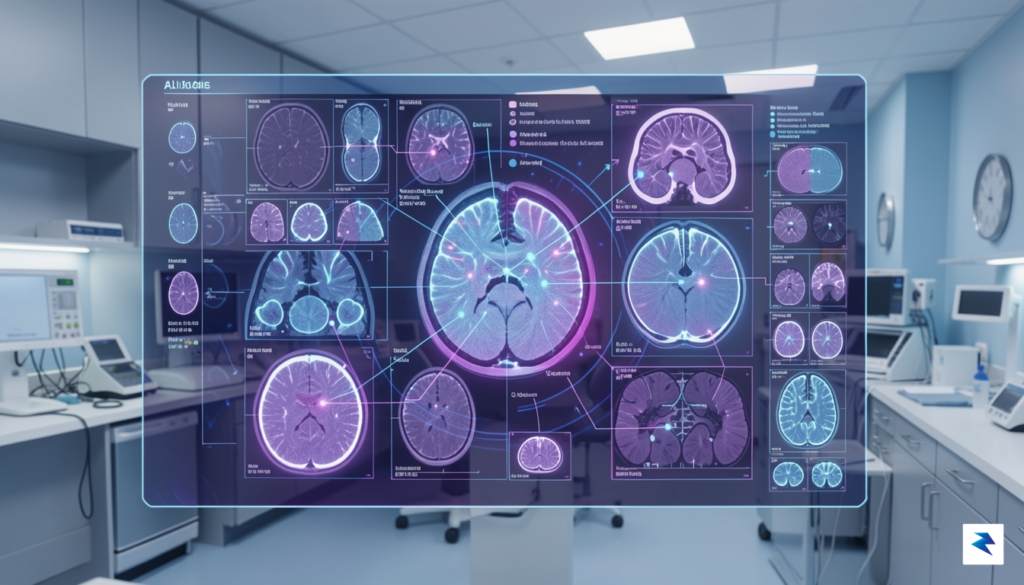
The transition of generative AI from the realm of creative arts to the clinical environment represents a tectonic shift in how we approach preventative health. At the heart of this evolution is the ability of advanced neural networks to process vast, complex streams of ultrasonic data that would otherwise require hours of manual oversight. Unlike traditional diagnostic software, which often relies on pre-programmed algorithms to highlight specific anomalies, these new generative models are trained to understand the structural “language” of the human body. By synthesizing data in real-time, these systems can identify patterns of tissue density or vascular health that might be imperceptible to the human eye, potentially flagging health markers long before they manifest as symptomatic illness.
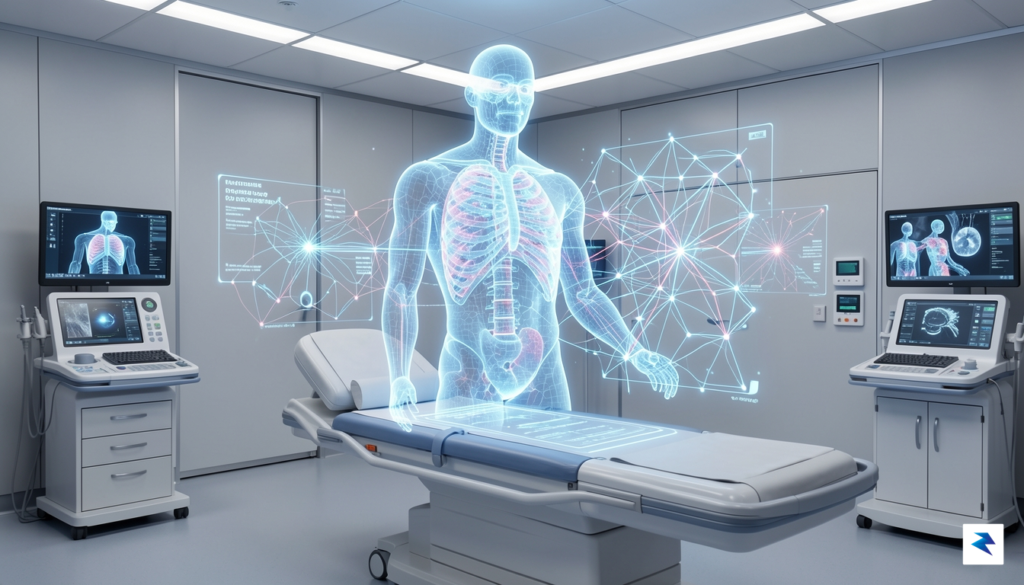
The primary advantage of this approach lies in its speed and predictive capability. While seasoned radiologists possess years of invaluable experience, they are subject to the limitations of human fatigue and the sheer volume of cases they must review daily. AI models, conversely, operate with consistent precision, acting as an “always-on” assistant that can triage findings and prioritize urgent cases. This creates a powerful synergy: the AI handles the heavy lifting of data interpretation, while the radiologist focuses on high-level clinical decision-making. As these models evolve, they are not merely replicating existing diagnostic workflows; they are creating entirely new possibilities for early detection, particularly in complex fields like oncology or cardiovascular screening.
However, the rapid integration of these models into healthcare is not without significant hurdles, most notably the “black box” problem. In medicine, understanding the “why” behind a diagnosis is as important as the diagnosis itself. Because deep learning models often arrive at conclusions through layers of abstraction that even their creators cannot fully trace, clinicians are understandably cautious about relying on them for life-altering decisions. Bridging the gap between a model’s output and clinical interpretability is the next great challenge for developers.
Furthermore, the entry of innovators like Midjourney into the space forces a comparison with established industry giants like GE Healthcare and Siemens Healthineers. These incumbents have spent decades building robust, hardware-integrated imaging ecosystems that are deeply embedded in hospitals worldwide. While the legacy players offer unmatched reliability and regulatory compliance, their systems are often rigid and slow to iterate. In contrast, new-wave AI entrants bring a level of agility that allows for rapid model updates and the incorporation of generative techniques that can, for instance, “denoise” blurry scan data or reconstruct low-resolution images into high-fidelity visuals. Ultimately, the competition between these agile newcomers and established titans will likely result in a hybrid landscape where the reliability of medical-grade hardware meets the sophisticated pattern recognition of modern generative AI.

Challenges and Regulatory Hurdles for AI Hardware The journey from generating whimsical cat images to accurately interpreting human anatomy through full-body ultrasound scans is

The proposed Midjourney spa in San Francisco serves as far more than a physical headquarters for high-tech imaging; it represents a radical shift in how we perceive the intersection of generative AI and human biology. By moving from the digital canvas to the clinical environment, Midjourney is signaling that its ultimate objective is not merely the creation of hyper-realistic art, but the seamless integration of predictive intelligence into the fabric of daily life. This “AI-augmented wellness” concept suggests a future where the boundary between a medical facility and a lifestyle destination blurs, transforming the anxiety-inducing atmosphere of traditional diagnostics into an accessible, routine experience centered on self-care.

This pivot toward a holistic ecosystem implies a long-term vision where health tracking becomes as intuitive as scrolling through a social media feed. In this emerging paradigm, the full-body ultrasound is not an isolated event triggered by illness, but a proactive data point in a continuous loop of preventative maintenance. By embedding these high-fidelity scanners within a spa setting, Midjourney is attempting to destigmatize clinical procedures, framing them as a luxury lifestyle service rather than a medical necessity. If successful, this model could fundamentally alter the consumer relationship with preventative medicine, moving us away from reactive healthcare toward a proactive, data-driven approach to longevity.
However, the transition from generating whimsical imagery to analyzing internal organ health is fraught with both technical and psychological challenges. Consumers are understandably cautious when it comes to the intersection of sensitive medical data and private technology companies. The success of Midjourney’s ecosystem will depend heavily on three critical pillars:
Ultimately, Midjourney is betting that the public is ready to embrace a future where AI acts as a personal biological guardian. As the company expands beyond the screen and into the physical space of the spa, we are witnessing the birth of a new consumer category: the “well-tech” monolith. Whether this vision settles into a sustainable industry standard or remains a high-concept experiment will depend on their ability to prove that their technology is as reliable in the clinic as it is creative in the cloud.
You must be logged in to post a comment.