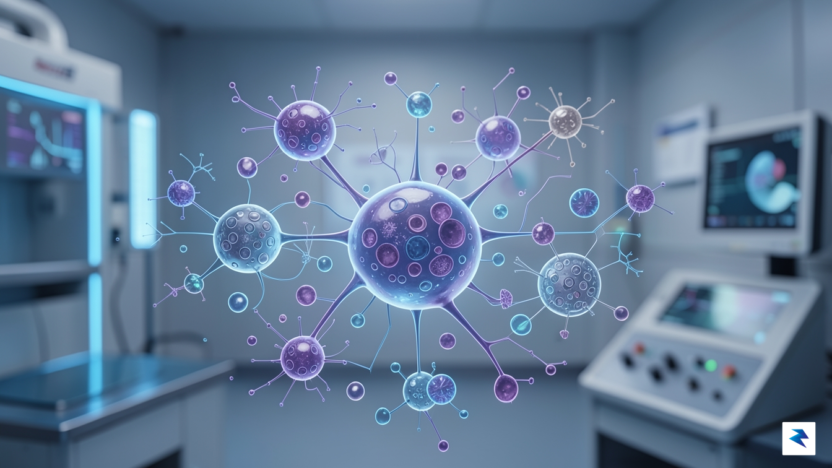
The Breakthrough: Human Oocytes Derived from Stem Cells
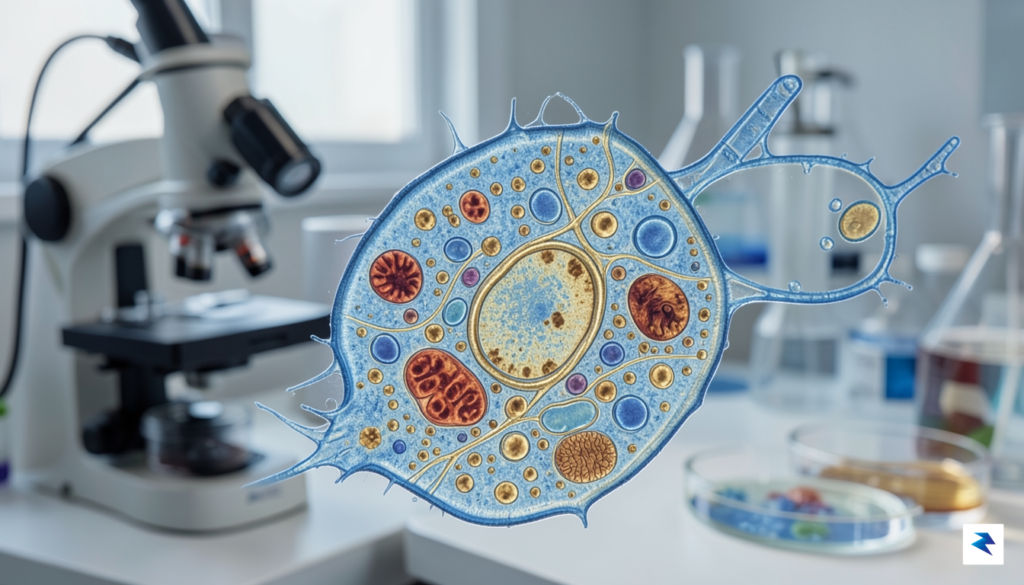
For decades, the field of reproductive biology has grappled with the biological limitations of the human ovarian reserve, a finite supply of eggs that diminishes both in quality and quantity as we age. Recently, however, researchers at the biotechnology company Conception achieved a historic milestone by successfully generating early-stage human oocytes—the precursor cells that mature into eggs—directly from induced pluripotent stem cells. This breakthrough represents a fundamental paradigm shift, moving the conversation surrounding infertility from the realm of clinical management to the frontier of regenerative medicine. By successfully navigating the complex cellular pathways required to coax generic stem cells into specialized reproductive precursors, scientists have effectively opened a new door toward understanding the earliest moments of human life.
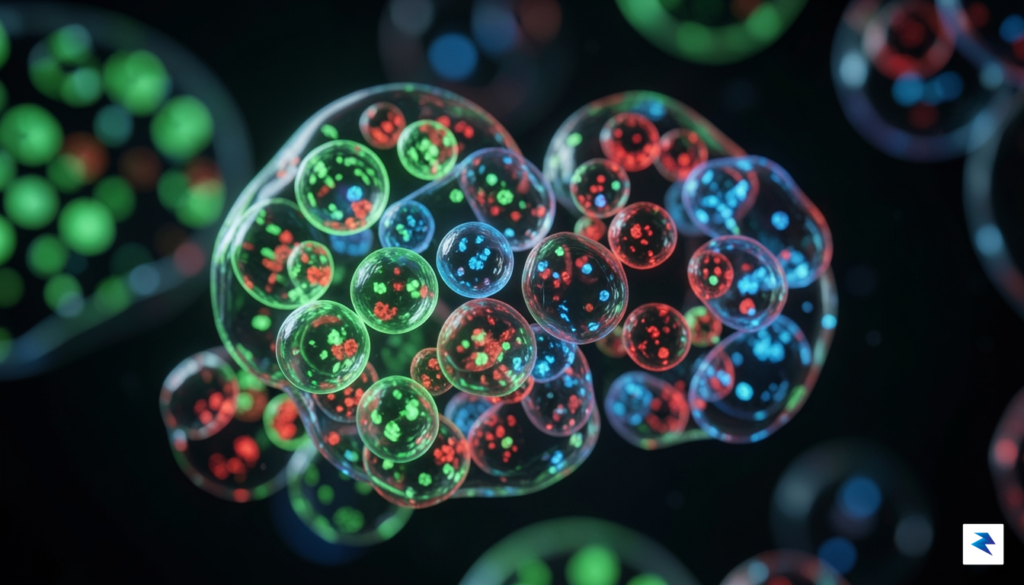
It is crucial to distinguish these laboratory-grown models from the naturally occurring oocytes found within the human ovary. Naturally developed eggs undergo a rigorous, multi-year maturation process protected by the unique environment of the ovarian follicle, a journey that is notoriously difficult to replicate in a petri dish. In contrast, the stem-cell-derived models created by this team are engineered through precise, step-by-step chemical and genetic signaling that mimics the developmental cues of embryonic growth. While these models are not yet fully functional eggs ready for fertilization, they serve as a critical bridge. They provide an unprecedented platform for scientists to observe human development in real-time, allowing researchers to study how genetic conditions, environmental toxins, or the aging process impact the fundamental building blocks of fertility.
This achievement is the culmination of years of rigorous investigation into the mechanics of cellular reprogramming, proving that we can reliably guide stem cells toward a specific reproductive identity.
The significance of this “first” cannot be overstated, as it marks the transition of stem cell research from theoretical potential to tangible biological modeling. For years, the scientific community has been limited by the scarcity of human egg samples for research, which are protected by ethical constraints and the physiological constraints of the human body. By creating a scalable source of these early-stage cells, this research team has bypassed those traditional bottlenecks. This development provides a robust foundation for future therapies, potentially offering new hope for individuals who have lost their fertility due to cancer treatments, premature ovarian insufficiency, or the natural progression of reproductive aging. As we stand at this intersection of biology and technology, the focus now shifts toward refining these models and ensuring they meet the high standards of safety and efficacy required for future clinical applications.
Understanding the Biological Mechanism
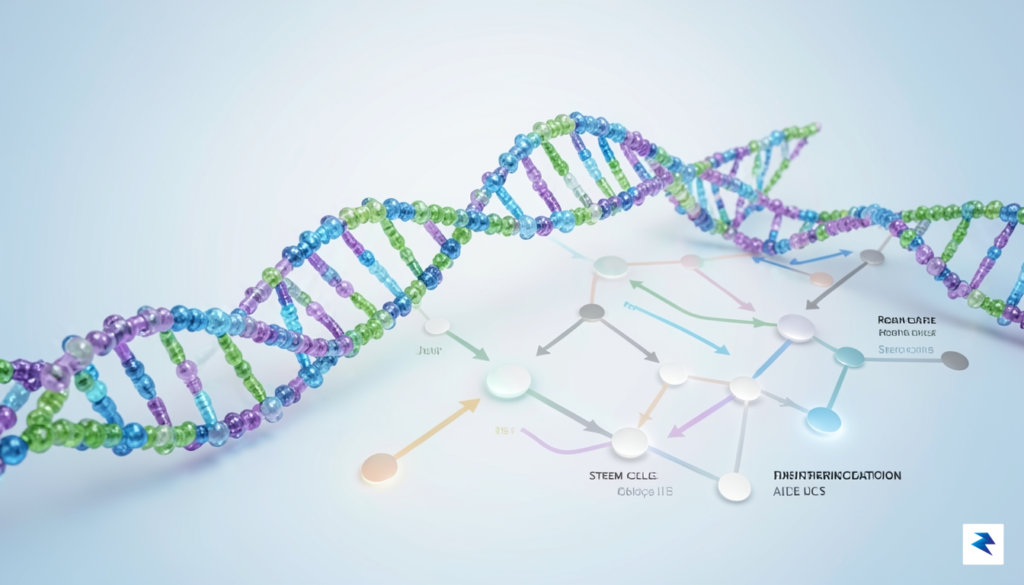
At the heart of this scientific milestone lies the process of cellular reprogramming, which essentially resets mature cells back to a blank slate known as pluripotent stem cells. These cells possess the extraordinary potential to transform into any tissue type within the human body. However, guiding these cells to become oocytes—the precursors to human eggs—is a monumental challenge because the natural development of an egg involves a highly choreographed, multi-stage journey that occurs within the specific, nutrient-rich environment of the ovary. To replicate this outside the body, scientists must act as molecular architects, providing the exact chemical signals and environmental cues required to nudge these “blank” cells into the germline, the biological pathway that leads to reproductive cells.
The transformation begins by exposing pluripotent stem cells to a precise sequence of growth factors and signaling molecules that mimic the embryonic environment. This delicate process forces the cells to undergo a series of transformations, gradually shedding their generic identity to adopt the specialized characteristics of germ cells. Throughout this transition, researchers must carefully monitor the cells to ensure they are successfully navigating each developmental milestone. If the timing of these chemical signals is even slightly off, or if the concentration of nutrients fluctuates, the cells may fail to progress or, worse, develop into the wrong type of tissue entirely. This is why the laboratory setting must be so meticulously controlled to mirror the internal physiological conditions of the human body.
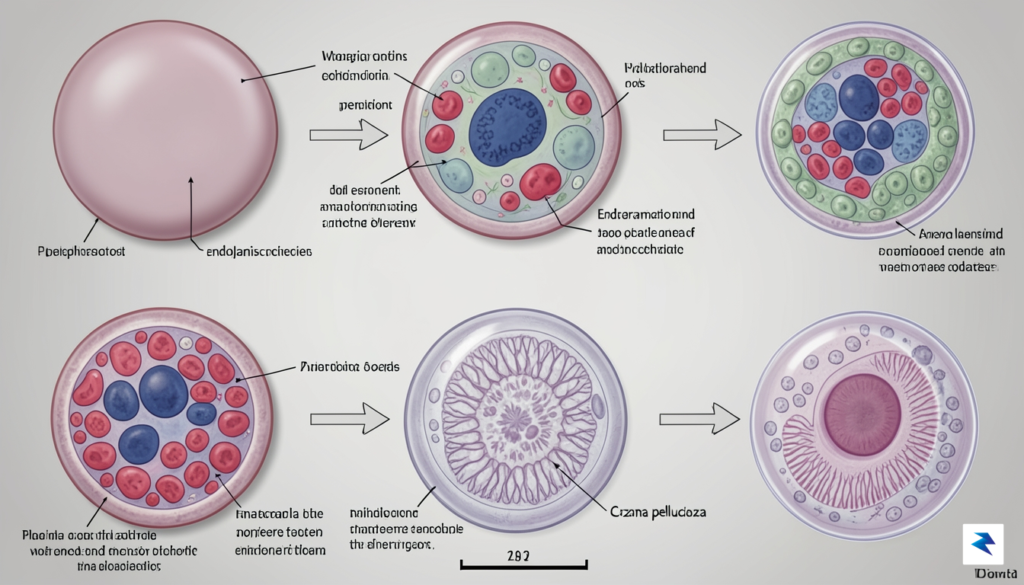
The core difficulty in this research lies in replicating the intricate, step-by-step maturation process that nature usually handles behind the scenes within the human reproductive system.
Beyond simply coaxing cells to change form, a critical hurdle remains: ensuring the final product is healthy, functional, and genetically stable. As stem cells divide and differentiate, there is a persistent risk of chromosomal errors, which could render the resulting eggs non-viable or unsafe for future applications. Maintaining genomic integrity is essential, as the egg must eventually carry a stable, healthy set of DNA to support the development of a potential embryo. Researchers utilize advanced genetic screening techniques to verify that these laboratory-grown eggs possess the correct number of chromosomes and the appropriate cellular architecture. By refining these environmental cues, scientists are moving closer to a reliable method that balances the biological complexity of human reproduction with the precision of modern stem cell technology.
The Path to Clinical Application and Safety

Translating the laboratory success of generating early-stage human eggs from stem cells into a viable clinical reality is a monumental undertaking that necessitates a decade or more of rigorous safety validation. While the initial creation of these cells is a scientific triumph, the transition to human trials requires researchers to bridge the vast gap between merely observing cell development and ensuring that those cells are biologically and functionally equivalent to natural gametes. Before any consideration of clinical application can occur, scientists must establish stringent protocols for cellular stability, ensuring that the laboratory-grown eggs maintain their chromosomal integrity throughout the maturation process. This involves extensive longitudinal testing to verify that these cells do not harbor latent mutations or chromosomal imbalances that could lead to developmental complications in future offspring.
The Challenge of Epigenetic Integrity
One of the most daunting hurdles in this endeavor is the accurate restoration of epigenetic markers. During the natural development of an egg, specific chemical tags on the DNA—known as the epigenome—are meticulously “reset” to ensure that the resulting embryo has the correct instructions for growth. When scientists derive eggs from stem cells, there is a significant risk that these crucial markers are either missing or incorrectly placed, which could fundamentally compromise the developmental competence of the cell. Ensuring that these lab-grown eggs possess the correct “biological blueprint” is not just a regulatory requirement; it is a fundamental safety necessity. Without perfect epigenetic alignment, the risk of miscarriage or severe congenital health issues remains too high for any ethical pathway toward human pregnancy.
The true test of these stem-cell-derived eggs lies in their ability to undergo successful fertilization and, ultimately, support healthy embryonic development through to birth.
Furthermore, the path to clinical use must navigate a complex landscape of regulatory hurdles and ethical oversight. Reproductive medicine is subject to some of the most stringent global safety standards, and any technology involving the creation of human gametes will require multi-phase trials that prioritize the health of the prospective patient and the potential child above all else. This process will include:
- Long-term stability studies: Observing how these cells respond to cryopreservation and thawing, which are standard procedures in modern fertility clinics.
- Developmental competency assays: Utilizing animal models to track whether the derived eggs can be fertilized and progress to the blastocyst stage with the same success rates as natural gametes.
- Genomic screening: Implementing advanced sequencing technologies to ensure that the reprogramming process has not introduced oncogenic potential or other cellular abnormalities.
As we move forward, the focus must shift from “proof of concept” to “clinical reproducibility.” It is not enough to generate these eggs once; researchers must demonstrate that the process is consistent, scalable, and entirely safe under various environmental conditions. By meticulously addressing these biological barriers and adhering to an unwavering commitment to safety, the scientific community may one day offer new hope to those facing infertility, provided that we do not rush past the essential safeguards required to protect human life.
Navigating the Ethical Landscape

The dawn of laboratory-grown human gametes moves us beyond the familiar territory of traditional in vitro fertilization (IVF) and into a realm where the fundamental mechanics of human reproduction can be manipulated with unprecedented precision. As scientists cross this biological threshold, society is immediately confronted with profound questions regarding the very essence of parenthood. If human eggs can be derived from skin or blood cells, the biological requirements for reproduction may be decoupled from natural human cycles, potentially allowing for unconventional reproductive paths. This shift necessitates a rigorous public conversation about whether we are prepared to redefine the family unit and how we might safeguard the emotional and psychological well-being of children brought into the world through these synthetic means.
Beyond the definition of family, we must confront the daunting specter of “designer” outcomes. The ability to generate large quantities of eggs from stem cells offers a tantalizing platform for genetic screening and editing, raising the risk that this technology could be leveraged for eugenic purposes rather than solely for therapeutic fertility treatment. While the promise of eliminating hereditary diseases is undeniable, the potential for selecting traits beyond health—such as cognitive ability or physical characteristics—threatens to create a new, biological divide in human equality. Without robust international oversight and strict moral guardrails, we risk transforming reproductive autonomy into a marketplace of genetic optimization that could exacerbate existing societal inequalities.
Furthermore, equitable access remains a critical pillar of the ethical discourse. Historically, advanced reproductive technologies have been expensive and largely inaccessible to marginalized populations, often creating a landscape where fertility is a privilege rather than a human right. As we develop these powerful synthetic tools, policymakers must prioritize inclusive frameworks that ensure these breakthroughs do not become the exclusive domain of the wealthy. Transparent public policy must be established early to guide development, ensuring that the focus remains on overcoming infertility and addressing medical necessity rather than catering to commercial interests that might prioritize profit over human dignity.
The core challenge of synthetic gametogenesis is not merely technical feasibility; it is the urgent need to align our rapid scientific capabilities with our collective moral values, ensuring that progress serves the common good.
Ultimately, the moral status of these synthetic biological materials requires us to reconsider our ethical duties toward potential human life. As these cells become increasingly sophisticated, we must establish clear criteria for what constitutes a “viable” human egg and what rights, if any, should be afforded to biological materials created entirely outside the human body. Because this technology is moving at a pace that often outstrips legislative response, it is imperative that we foster an ongoing, transparent dialogue between scientists, ethicists, and the general public. Only through such comprehensive engagement can we navigate these uncharted waters with the caution and wisdom that such a powerful scientific advancement demands.
What This Means for the Future of Reproductive Medicine

The emergence of laboratory-derived human eggs from stem cells represents a seismic shift in how we conceive of fertility treatments. For individuals whose reproductive potential has been compromised by aggressive cancer therapies, premature ovarian insufficiency, or the natural decline associated with advanced reproductive age, this technology offers more than just a scientific curiosity; it offers a genuine path toward biological parenthood. By potentially bypassing the need for donor gametes, this advancement moves us closer to an era of truly personalized reproductive medicine, where a patient’s own genetic material can be utilized even when their natural egg supply has been exhausted.
Currently, the standard for those unable to produce viable eggs is the reliance on donor programs, a process that inherently involves navigating complex emotional, legal, and genetic hurdles. The transition toward autologous stem-cell-based solutions—where doctors could theoretically reprogram a patient’s own skin or blood cells back into a pluripotent state and then mature them into functional gametes—would fundamentally rewrite this narrative. This approach eliminates the concerns surrounding genetic non-relatedness and the scarcity of high-quality donor eggs. It empowers patients to maintain a direct biological link to their future children, effectively democratizing access to fertility options that were previously limited by biology or circumstance.
The ability to generate gametes from somatic cells could eventually resolve the most persistent barriers in reproductive endocrinology, turning previously “untreatable” cases of infertility into manageable medical scenarios.
However, it is vital to maintain a balanced perspective regarding the timeline of these developments. While the initial success in deriving these cells is a landmark achievement, we are still in the nascent stages of verifying their safety, genetic stability, and functional capacity. Bridging the gap from a laboratory dish to a clinical application requires rigorous multi-stage testing to ensure that the resulting embryos would be viable and free from epigenetic abnormalities. Therefore, while this breakthrough provides a beacon of hope for thousands of families, it will likely be years, if not decades, before such techniques transition from experimental research to standard practice in fertility clinics. The future of reproductive medicine is undoubtedly evolving, yet the journey toward safe, reliable application remains a marathon requiring both patience and stringent ethical oversight.