Wayve’s $85M Tender Offer: What It Means for the Future of AI Talent
Understanding the Wayve Tender Offer Wayve, a leading innovator in the autonomous vehicle sector, has recently underscored its operational…

The recent release of federal financial disclosures has provided an unprecedented look into the economic activities surrounding the Trump family throughout the 2025 fiscal year. As required by law, public officials must submit detailed reports that outline their assets, liabilities, and income streams to ensure transparency and identify potential conflicts of interest. However, the sheer scale of the figures reported this time is nothing short of extraordinary, with total earnings documented at a minimum of $2.2 billion. This massive influx of capital represents a significant departure from the typical income brackets associated with the executive branch, marking a unique chapter in the history of presidential wealth and business engagement.
To put this $2.2 billion windfall into proper perspective, one must look at the historical precedents set by previous occupants of the White House. While many presidents have arrived in office with established net worths or post-presidential book deals, the velocity and volume of income generated by the Trump portfolio during this single year suggest a complex integration of private enterprise and public status. This figure is not merely a reflection of static investments; it accounts for a wide array of active business ventures, licensing agreements, and capital gains that have matured simultaneously. By any objective metric, these disclosures illuminate a financial landscape that is vastly different from the salary-based earnings of the traditional civil servant or the modest investment portfolios typically seen in federal records.
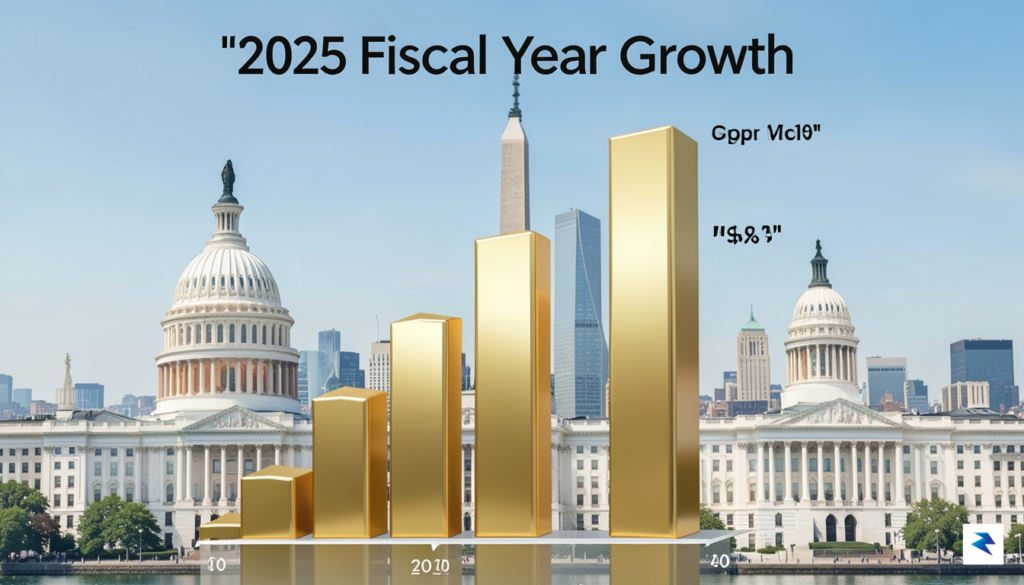
The $2.2 billion figure serves as a benchmark for the scale of commercial activity currently linked to the former president, illustrating the complexities inherent in managing a global business empire while navigating the highest levels of political influence.
Furthermore, the 2025 timeframe offers a distinct snapshot of how market conditions and strategic asset management have coalesced to produce such high-yielding results. It is important to note that these disclosures are designed to reveal the gross income generated across various entities, rather than net profit, yet the $2.2 billion floor remains a staggering testament to the family’s current economic reach. As analysts continue to parse the granular details of these filings, the broader implications—ranging from domestic market trends to the intersection of international business dealings—will undoubtedly remain a focal point of public scrutiny. Ultimately, these documents provide the raw data necessary to understand a fiscal year that has fundamentally reshaped our expectations regarding the financial capacity of modern political figures.

A pivotal catalyst behind the record-breaking $2.2 billion windfall in the 2025 financial disclosures is a deliberate and high-stakes pivot toward the cryptocurrency sector. No longer confined to the fringes of the financial world, digital assets have been integrated into the family’s economic engine, transforming from experimental holdings into significant, high-yield revenue streams. This evolution reflects a broader shift in modern presidential wealth management, where the rapid scalability of decentralized finance platforms provides a stark contrast to the traditional, slower-growth models of real estate and licensing that once defined the family’s balance sheet.

The disclosures highlight several key projects that leveraged the family’s brand power to capture massive market interest. By lending their name and influence to decentralized finance (DeFi) platforms and proprietary token launches, the enterprise moved beyond passive investment. Instead, these ventures functioned as active business models, utilizing transaction fees, liquidity incentives, and token appreciation to generate continuous cash flow. These platforms capitalize on the viral nature of digital assets, where community engagement acts as a force multiplier for valuation, allowing the family to tap into the massive liquidity of global crypto markets with unprecedented speed.
The integration of digital assets into the family portfolio represents a fundamental departure from legacy wealth, signaling a move toward high-velocity, algorithm-driven revenue streams that operate 24/7 across global borders.
Understanding the volatility inherent in the crypto sector is essential to grasping the magnitude of this financial outcome. While traditional assets often require years of appreciation, the digital asset market offers a high-growth, albeit high-risk, environment where valuations can shift dramatically in a matter of months. By strategically positioning themselves at the center of these ecosystem launches, the family successfully captured the “early adopter” advantage, effectively turning market enthusiasm into realized capital. This model effectively hedges against the stagnation of more conventional industries by tethering a portion of their net worth to the rapid, tech-driven expansion of the blockchain economy.
Ultimately, this strategic alignment with crypto demonstrates a sophisticated understanding of how to monetize digital influence. By blending decentralized technology with institutional-grade marketing, the family has effectively bridged the gap between speculative digital finance and traditional wealth preservation. As these assets continue to gain broader institutional acceptance, the 2025 disclosures serve as a clear indicator that the future of multi-billion dollar portfolios will likely be dictated by the agility with which stakeholders can adapt to the shifting sands of the global digital economy.

While the sudden surge of interest in cryptocurrency projects often dominates the news cycle, the $2.2 billion windfall detailed in the 2025 financial disclosure reveals a far more intricate web of wealth. The Trump family business model is fundamentally rooted in a diversified ecosystem that balances legacy brick-and-mortar assets with high-margin digital ventures. By maintaining a presence in luxury real estate, international licensing agreements, and burgeoning media platforms, the organization ensures that it is not reliant on any single revenue stream, thereby insulating the enterprise from market-specific volatility.

At the core of this portfolio remains the traditional real estate division, which continues to provide a foundation of tangible, long-term value. These holdings—ranging from iconic hotel properties to high-end golf resorts—serve as the physical anchor for the brand’s global identity. Beyond these physical structures, the family has masterfully leveraged their international brand recognition to secure lucrative licensing deals. These agreements allow third-party developers to utilize the Trump name for properties and services worldwide, generating significant royalty income with minimal operational overhead. This strategy effectively scales the brand’s reach without the family having to assume the full capital risks associated with new construction projects.
The true strength of the Trump business model lies in the synergy between a century-old reputation for luxury and the rapid scalability of digital and media-based revenue streams.
The integration of emerging ventures into this established framework has created a unique feedback loop. For example, the visibility gained through media platforms and public appearances directly translates into heightened engagement for newer digital products and decentralized ventures. When the brand acts as a force multiplier, digital assets benefit from an immediate, massive audience that traditional startups often spend years trying to cultivate. Consequently, the family does not merely manage a collection of isolated businesses; they operate a cross-pollinating network where the prestige of a golf course can bolster the credibility of a digital platform, and vice versa.
Ultimately, this diversification serves as a robust defense mechanism against economic shifts. As traditional markets fluctuate, the high-growth potential of newer media and digital projects provides a buffer, while the steady cash flow from long-standing real estate holdings ensures liquidity. By diversifying across these four distinct pillars—real estate, licensing, media, and digital assets—the Trump family has created a self-sustaining cycle of profitability that demonstrates how modern wealth management can blend old-world tangible assets with the speed and reach of the digital age.

The accumulation of $2.2 billion in personal revenue while navigating the highest office in the land brings the delicate balance between private enterprise and public service into sharp focus. Historically, the United States has relied on a robust framework of financial disclosure laws, such as the Ethics in Government Act, designed to ensure that elected officials remain accountable to their constituents rather than their balance sheets. These mandates require high-level officeholders to provide a comprehensive accounting of their assets, liabilities, and income streams, ostensibly allowing the public and watchdog groups to identify any potential alignment between personal enrichment and legislative or executive actions. However, when the scale of an individual’s commercial footprint reaches the multi-billion dollar level, the standard mechanisms for transparency are often stretched to their absolute limits.

Managing such an extensive portfolio while serving as President presents a uniquely modern governance challenge that exceeds traditional expectations of a simple blind trust. While many public officials divest themselves of individual stocks or business interests to avoid even the appearance of impropriety, a sprawling global real estate and branding empire often cannot be liquidated without significant economic disruption or personal loss. Consequently, governance structures often rely on family-run trusts or corporate management teams to create a firewall between political decision-making and business operations. The central tension here is whether these organizational walls are sufficiently opaque to prevent policy decisions from impacting the valuation of one’s private holdings. Critics argue that the mere existence of these ties creates an inherent conflict, while supporters maintain that a history of success in the private sector is a prerequisite for understanding the complexities of the national economy.
The core of the democratic debate lies in the distinction between personal financial success and the integrity of public institutions; when those two worlds collide, transparency becomes not just a legal requirement, but a fundamental pillar of public trust.
To navigate these choppy waters, the legal system relies on a combination of strict disclosure requirements and a high degree of administrative scrutiny. Legal experts often point out that the current regulatory environment was largely designed for a different era, one where public officials typically held more modest, liquid assets. In today’s landscape, where a single financial disclosure can span hundreds of pages and include entities spanning multiple continents, the task of oversight falls heavily on journalists, oversight committees, and the public. Maintaining the integrity of these institutions requires a commitment to rigorous reporting, ensuring that voters have the necessary information to judge whether the actions of their leaders are motivated by the public good or, inadvertently, by the shifting fortunes of an expansive private enterprise.

The disclosure detailing at least $2.2 billion in earnings for a former president in 2025 has naturally ignited a fervent public discourse, sending ripples through political circles, financial markets, and the broader electorate. Policy experts immediately began dissecting the figures, scrutinizing the sources of income and potential implications for future political endeavors, while legal scholars debated the adequacy of current disclosure laws. This monumental financial revelation has not only provided an unprecedented glimpse into the personal wealth accumulation post-presidency but has also intensified existing debates about the intersection of vast personal fortunes and public service, prompting a crucial re-evaluation of ethical boundaries and accountability in the highest offices.
Reactions from political analysts have largely focused on the optics and potential conflicts of interest inherent in such a significant post-presidency financial windfall. Many commentators highlighted the extraordinary scale of the earnings, questioning how such an income stream could impact future policy debates or international relations if the individual were to return to public office. Financial experts, meanwhile, delved into the specifics of the reported assets, scrutinizing the nature of the revenue streams—whether from real estate, media ventures, or other enterprises—and attempting to project the long-term economic influence of such a vast sum. This scrutiny underscores a broader concern: the perceived vulnerability of public office to the sway of private financial interests, particularly when the lines between business and political influence become blurred.
At the heart of democratic governance lies the principle of transparency, and public financial disclosures serve as a critical cornerstone for maintaining trust and accountability. These records are not mere bureaucratic formalities; they are vital instruments that allow citizens to assess the potential for undue influence, conflicts of interest, and the overall integrity of their elected representatives. When a figure of such national prominence reveals a financial portfolio of this magnitude, it reinforces the democratic imperative for open records, empowering voters with the information necessary to make informed decisions and hold their leaders to the highest ethical standards. The sheer scale of this particular disclosure, therefore, amplifies the fundamental importance of such transparency in safeguarding the health and legitimacy of democratic institutions.
This latest financial revelation is poised to significantly influence future standards for transparency in government, likely sparking renewed calls for more stringent and comprehensive disclosure requirements. Lawmakers and advocacy groups may push for legislation that demands more granular detail about income sources, asset valuations, and potential beneficiaries, potentially expanding the scope to include family members or closely held private entities. Furthermore, there could be an increased emphasis on more frequent updates to financial reports, moving beyond annual summaries to provide a more real-time picture of an official’s evolving financial landscape. The sheer scale of the disclosed earnings makes it difficult for future administrations to avoid addressing these questions, potentially setting a new benchmark for what the public expects from its leaders in terms of financial openness.
Ultimately, this disclosure offers a compelling case study in the evolving relationship between personal wealth, technological advancements, and the demands of modern governance. In an era where information travels instantly and financial ecosystems are increasingly complex, the challenge for democracies is to strike a balance between individual privacy and the public’s right to know. This event pushes the conversation forward, forcing a re-examination of how high-net-worth individuals navigate the political landscape and how democratic systems can adapt to ensure that public service remains untainted by the perception or reality of self-enrichment. The ongoing dialogue will undoubtedly shape how future generations perceive and regulate the financial lives of those who seek to lead, underscoring a critical inflection point in the pursuit of governmental transparency.

You must be logged in to post a comment.