The Amazon-OpenAI Conflict of Interest
The decision by Amazon to abandon Artificial, a documentary chronicling the meteoric rise of OpenAI and its CEO Sam Altman, serves as a stark case study in the friction between corporate capital and independent journalism. Initially, the project seemed like a standard acquisition for a streaming giant eager to dominate the tech-narrative space. However, as the production delved deeper into the inner workings of OpenAI, the corporate alignment began to shift. Amazon, which has invested billions into its own artificial intelligence infrastructure and maintains a strategic, multi-layered rivalry with the players depicted in the film, ultimately found itself in a precarious position. By retaining rights to a project that scrutinized a business partner—and a competitor—the company risked turning a journalistic endeavor into a potential public relations liability.
This move highlights the inherent ethical complexities when major technology corporations act as the primary financiers of investigative media. When a conglomerate holds the purse strings, the boundary between objective documentation and brand protection inevitably blurs. Because Amazon is deeply embedded in the AI ecosystem, any film that casts a critical lens on the industry’s leaders, ethics, or rapid expansion could be perceived as undermining the very partnerships and technological trajectories that Amazon is currently cultivating. The internal pressure to maintain corporate synergy often conflicts with the filmmaker’s mandate to present an unfiltered view of the truth, leading to the kind of institutional cold feet that ultimately resulted in the project being dropped.

The withdrawal of a major studio from a project concerning a powerful tech entity underscores a growing trend where corporate interests dictate the limits of investigative storytelling.
Furthermore, the optics of the situation suggest a heightened sensitivity within Silicon Valley regarding how their internal cultures and rapid development cycles are portrayed to the public. Had the film remained under the Amazon umbrella, any editorial decision to edit or suppress specific segments would have invited intense scrutiny regarding journalistic integrity and corporate censorship. By opting to walk away from the project, Amazon effectively avoided a scenario where it would have to choose between protecting its strategic investments and honoring the creative independence of the documentary’s production team. Ultimately, the transition of Artificial to a distributor like Neon—which operates outside the immediate sphere of Big Tech’s internal AI conflict—allows for a more transparent exploration of the subject matter, free from the shadow of corporate oversight.
Neon’s Strategy: Capitalizing on Content Controversy
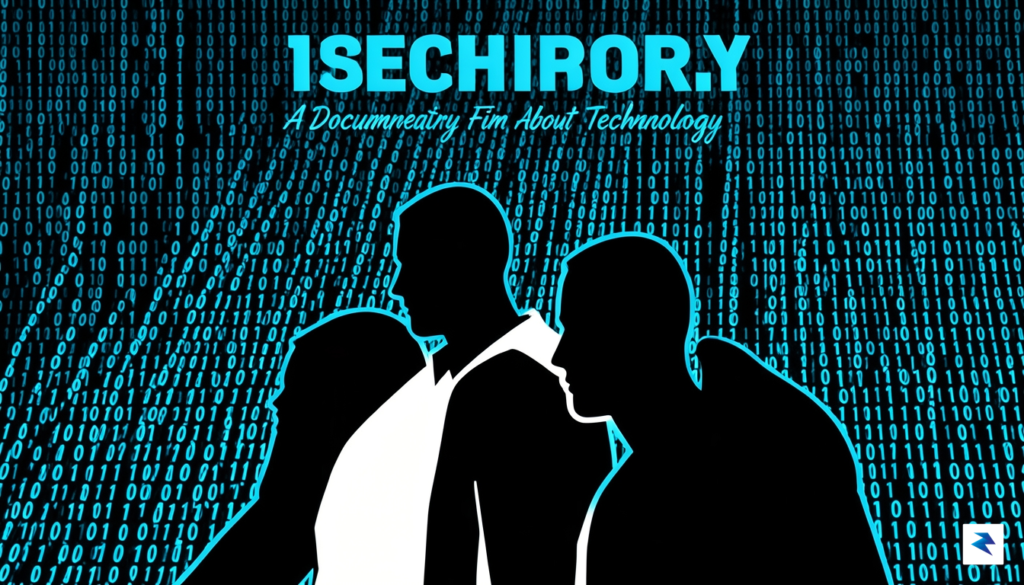
Neon has long cultivated a reputation as the cinematic home for the unconventional, the provocative, and the downright uncomfortable. By acquiring Artificial—a documentary centered on the volatile rise of OpenAI—immediately after Amazon distanced itself from the project, the distributor has once again signaled that its primary mandate is not to mirror corporate consensus, but to challenge it. While larger studios increasingly prioritize “brand safety” and avoid projects that might irritate their massive tech partners or corporate parent companies, Neon thrives in the friction. This acquisition suggests that the company views institutional abandonment not as a red flag, but as a stamp of authenticity, framing the film as a piece of journalism so potent that it proved too hot for a Silicon Valley giant to handle.
The strategic genius of this move lies in the built-in marketing narrative. By positioning the film as a project that Amazon “dropped,” Neon effectively transforms the documentary into an underdog story. It suggests to the public that there is something inherently dangerous or revealing within the footage—a classic “forbidden fruit” dynamic that generates significant organic buzz that money simply cannot buy. In an era where digital content is often sanitized to satisfy algorithms and global distribution requirements, Neon’s willingness to pick up the pieces of a “rejected” project marks them as the primary sanctuary for filmmakers whose work threatens the status quo. This isn’t merely about distribution; it is about establishing a brand identity that values intellectual bravery over corporate harmony.
This development also highlights a fascinating shift in the landscape of independent cinema. As tech conglomerates continue to consolidate their control over the entertainment industry, the space for truly critical, investigative storytelling is shrinking within those massive ecosystems. When a streamer or a major studio walks away from a documentary about the very companies that define modern technology, it exposes the inherent conflict of interest baked into the modern corporate model. Neon, by operating outside of these massive tech-conglomerate structures, occupies a unique position. They can afford to be “edgy” because their business model depends on cultural relevance and critical acclaim rather than maintaining cozy relationships with the titans of Silicon Valley. For audiences weary of sanitized, corporate-backed narratives, Neon’s acquisition of Artificial serves as a bold promise that the most essential stories will continue to find a home, even when the biggest players in the room choose to look away.
“True independence in film distribution is defined by the willingness to release what others are afraid to touch, turning corporate silence into a megaphone for the truth.”
Ultimately, this acquisition is a masterclass in positioning. It ensures that when Artificial finally hits screens, it will arrive with a pre-packaged history of controversy that invites viewers to decide for themselves why it was deemed too volatile for the mainstream. Neon is betting that in a world of algorithmic homogeneity, audiences are starving for content that feels dangerous, real, and untethered from the PR departments of the world’s most powerful corporations. By leaning into this controversy, Neon is not just distributing a film; they are asserting their role as the necessary gatekeeper for the stories that modern industry giants would prefer stayed in the dark.
The Narrative Scope: Sam Altman and the AI Revolution
At the center of the current technological zeitgeist sits Sam Altman, a figure whose rapid ascent and polarizing leadership at OpenAI have effectively defined the trajectory of the artificial intelligence era. As the public face of an organization that transitioned from a niche research laboratory to a global powerhouse, Altman represents the quintessential modern visionary—someone balancing the promise of a utopian future against the existential dread of unbridled machine intelligence. The film aims to peel back the layers of this corporate mythology, moving beyond the polished PR campaigns to examine how a singular leader navigates the immense pressure of shifting the foundations of human industry. By focusing on his decision-making process during the explosive development of ChatGPT, the narrative seeks to decode whether Altman is a reckless disruptor or a calculated architect of a new technological epoch.
The film is poised to tackle the fundamental tension that has defined OpenAI’s existence: the precarious tightrope walk between aggressive, competitive innovation and the ethical mandate for safety. This is not merely a technical story about code and compute power, but a human drama centered on the ideological fractures that have emerged within the company’s ranks. Viewers can expect a deep dive into the internal power struggles, the departures of key personnel, and the mounting pressure from stakeholders who demand both immediate results and long-term caution. The documentary positions these conflicts as a modern-day corporate drama, highlighting how the race to achieve Artificial General Intelligence has turned former collaborators into rivals and changed the landscape of Silicon Valley governance forever.
The true story of the AI boom is not found in the software itself, but in the volatile human ambition that drives it, testing the limits of corporate responsibility in the face of unprecedented change.
Ultimately, the narrative arc of this documentary serves as a mirror for society’s own anxieties regarding the rapid integration of AI into our daily lives. By framing Altman’s journey through the lens of a high-stakes thriller, the filmmakers invite the audience to question the morality of moving fast and breaking things when the “things” being broken might be the bedrock of human agency. Whether the film portrays Altman as a misunderstood hero or an emblem of unchecked corporate ego, it promises to provide a rare, intimate look at the mechanisms behind the most significant technological pivot of the 21st century. It is a story about the audacity of belief, the weight of expectation, and the unpredictable consequences of handing the keys to the future to a select few in a boardroom.
Why the Film Industry is Rushing to Document AI
The cinematic landscape is currently experiencing a profound case of artificial intelligence fever, as filmmakers race to document the most volatile technological revolution of the twenty-first century. This creative urgency stems from the industry’s realization that we are living through a historical inflection point; the digital landscape is shifting so rapidly that traditional retrospective storytelling feels inadequate. By capturing the raw, chaotic development of generative AI in real-time, studios are not merely creating documentaries, but rather building digital archives of a transformation that threatens to fundamentally rewrite the human experience. There is a palpable sense of anxiety—and excitement—driving this trend, as creators scramble to put faces and names to the invisible algorithms that are quietly migrating from the server farm into our daily lives.
Audiences have become remarkably hungry for these “behind-the-scenes” glimpses, driven by a mixture of genuine curiosity and existential dread. We are no longer content with passive consumption of tech products; instead, there is a collective desire to pull back the curtain on the corporate titans and secretive engineering labs where these tools are forged. This obsession suggests that the public is acutely aware that AI is not just another consumer gadget, but a foundational shift in how we work, create, and communicate. By framing these developments through the lens of human narrative, filmmakers are helping viewers process complex, often abstract concepts of machine learning, neural networks, and prompt engineering, effectively translating cold silicon logic into the visceral language of human drama.
However, the challenge for modern documentary filmmakers lies in navigating the tension between the polished “tech-bro” marketing narrative and the deeper, more unsettling societal questions at play. Silicon Valley often presents a story of inevitable progress, efficiency, and utopian innovation, yet the most compelling films are those that look past the PR-friendly veneer to examine the costs of this rapid scaling. These documentaries often force us to confront uncomfortable inquiries: Who owns the data that trains these models? What happens to the creative workforce when machine-generated content becomes the standard? And, perhaps most importantly, to what extent are we ceding our agency to systems that even their creators may not fully comprehend?
The true value of these documentaries lies not in their technical accuracy, but in their ability to humanize the architects of our future while questioning the ethical foundations upon which their empires are built.
Ultimately, this rush to document the AI boom reflects a broader cultural realization that we are currently the subjects of an uncontrolled global experiment. As Neon’s decision to pick up this project underscores, there is a significant market for content that treats AI not just as a business story, but as a cultural flashpoint. By turning the lens on companies like OpenAI, filmmakers are documenting the messy, high-stakes collision between corporate ambition and human ethics, ensuring that even if the technology changes by the time the credits roll, the record of how it happened remains etched in our collective memory.
Implications for Future AI-Related Media Projects

The transition of Artificial from a major streaming platform to an independent distributor like Neon signals a profound shift in how we might expect Big Tech documentaries to be handled moving forward. For years, there has been a creeping concern that the massive budgets provided by tech-backed studios come with invisible strings attached, potentially tempering the critical edge of investigative projects. By dropping the film, Amazon inadvertently underscored the friction between corporate public relations and the mandates of documentary filmmaking. Future production companies will likely look at this saga as a cautionary tale, recognizing that any project attempting to pull back the curtain on artificial intelligence must prioritize editorial independence from the very first day of principal photography.
As the race for AI dominance intensifies, the corporate narratives surrounding these technologies will only become more carefully curated and guarded. Consequently, filmmakers are now facing a heightened challenge: how to capture the reality of these rapid developments without succumbing to the pressure of the very entities they are documenting. We can expect to see a rise in “risk-averse” production models where directors seek out financing from sources that have no stake in the tech industry’s stock price or long-term regulatory success. This shift toward autonomy is not merely a preference; it is a necessity for maintaining the integrity of the documentary form in an era where tech companies are increasingly positioning themselves as the architects of our collective future.

Ultimately, the rescue of Artificial by Neon serves as a vital reminder of the role that independent cinema plays in a healthy cultural ecosystem. When corporate-owned media narratives become the default, the public risks losing access to the nuanced, uncomfortable, and unvarnished truths that only truly independent creators can provide. If documentaries about powerful tech conglomerates are produced under the umbrella of those same organizations, the final product is inevitably susceptible to self-censorship or corporate interference.
The true value of a documentary lies in its ability to challenge the status quo, not in its capacity to serve as an extended promotional vehicle for its subjects.
By championing projects that have been discarded by mainstream platforms, independent distributors are ensuring that the story of the AI revolution remains a public conversation rather than a private corporate account. This incident will likely empower future filmmakers to stand their ground, favoring creative freedom over the comfort of deep-pocketed but restrictive distribution deals. As audiences grow increasingly skeptical of Big Tech, the demand for authentic, investigative reporting will only increase, making independent cinema a critical bulwark against the sanitization of history.