The Breakthrough: Direct Fusion-to-Electricity Conversion
For decades, the promise of fusion energy has captivated scientists and engineers alike, frequently hailed as the ultimate ‘holy grail’ of power generation. This clean, virtually limitless power source, mimicking the processes of our sun, has always been envisioned as the answer to humanity’s growing energy demands. Traditionally, however, the path from a controlled fusion reaction to usable electricity was conceived as a multi-step, indirect process. The prevailing model involved harnessing the immense heat generated by the fusion plasma to boil water, creating high-pressure steam that would then drive conventional turbines connected to electrical generators—a mechanism remarkably similar to fossil fuel or nuclear fission power plants, albeit with a different heat source. In essence, even the most advanced fusion concepts often seemed destined to be glorified steam engines, burdened by the inherent inefficiencies and complexities of thermal cycles.
This long-standing paradigm has now been fundamentally challenged and potentially shattered by the groundbreaking work of Realta Fusion. In a development that marks an apparent first in the history of fusion research, the company has reportedly achieved the direct extraction of electricity from a fusion reaction’s plasma, completely bypassing the need for a thermal cycle. This monumental milestone, which signals a profound shift in how fusion energy can be conceived and utilized, moves beyond theoretical discussions to a tangible demonstration of direct conversion. Instead of merely generating heat, Realta Fusion’s innovation directly taps into the kinetic energy of the charged particles within the fusion plasma, transforming it into electrical current with unprecedented efficiency.
The significance of this direct conversion capability cannot be overstated. By eliminating the intermediate steps of heat exchange, steam generation, and turbine operation, Realta Fusion’s approach promises a dramatic improvement in overall energy efficiency. Each conversion step in a traditional thermal cycle inevitably leads to energy losses, often substantial, diminishing the net power output. Direct extraction inherently reduces these losses, meaning more of the energy produced by the fusion reaction itself is converted into usable electricity. Consequently, this method not only offers the potential for significantly higher power output from a given fusion device but also introduces a remarkable degree of operational simplicity. Fewer complex mechanical components translate to lower maintenance requirements, reduced capital costs, and potentially faster, more streamlined deployment of fusion power plants in the future, marking a true game-changer in the pursuit of clean, sustainable energy.
How Realta Fusion’s Technology Differs from Traditional Fusion
For decades, the global quest for fusion energy has been dominated by the massive, multi-billion-dollar infrastructure of tokamaks and laser-based inertial confinement systems. These conventional approaches generally operate on a straightforward, albeit inefficient, premise: heat a plasma to the temperatures found at the heart of a star, capture that thermal energy via a heat-exchange medium, and use it to boil water. By relying on the traditional Rankine cycle—the same 19th-century steam-turbine technology used in coal and fission plants—these systems are inevitably tethered to the thermodynamic limitations of heat engines. Realta Fusion, however, is fundamentally disrupting this paradigm by moving away from the “fusion-as-a-boiler” model in favor of a far more elegant, direct approach.
At the core of Realta’s innovation is the magnetic mirror configuration, a concept that allows the company to move beyond the complexities of donut-shaped tokamaks. Unlike the circular magnetic bottles that require immense, complex stabilization systems to keep plasma from touching the walls, a magnetic mirror uses strong magnetic fields at the ends of a linear chamber to “reflect” charged particles back into the center. This linear architecture not only simplifies the engineering requirements but also allows for a drastically smaller plant footprint, turning what would typically be a sprawling industrial complex into a modular, scalable power source. By avoiding the extreme turbulence management required in toroidal designs, Realta can focus on maintaining a stable environment where the plasma can be harvested more effectively.
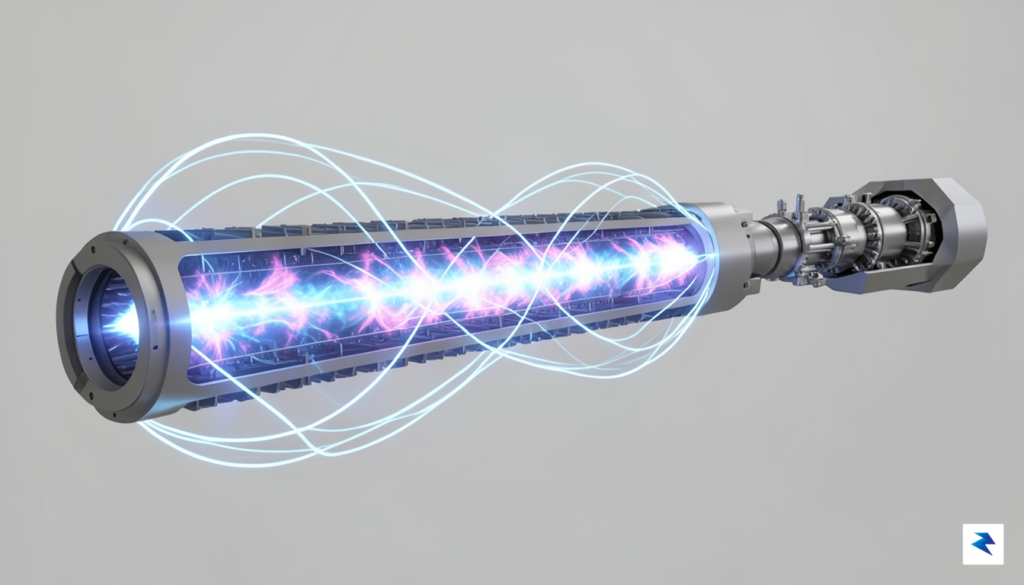
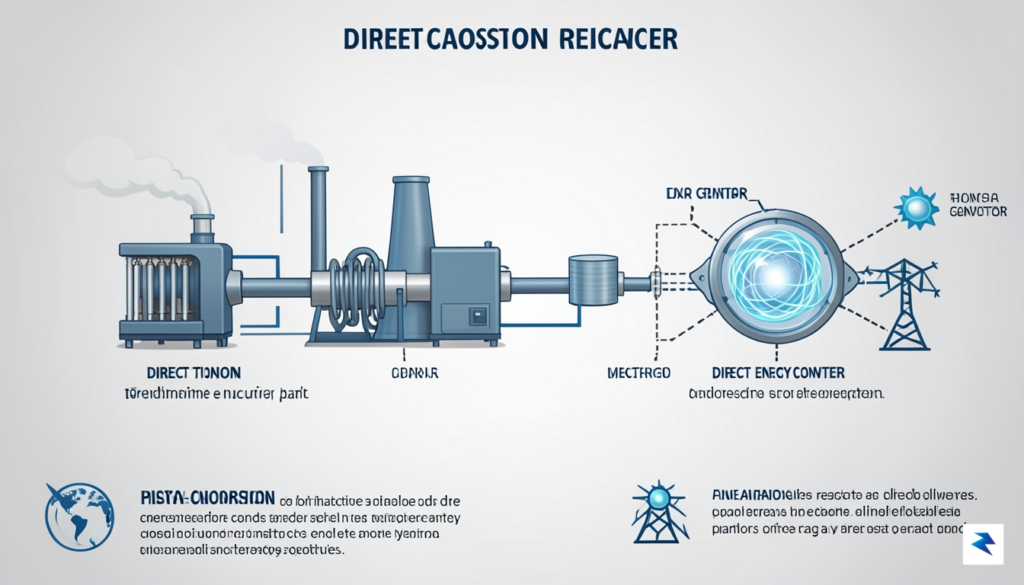
The most profound shift lies in how the company extracts power from the fusion reaction. In a conventional reactor, most of the fusion energy is carried away as neutrons, which must be absorbed by a blanket to generate heat, leading to significant energy loss and material degradation. Realta’s system is designed to favor the production of charged particles, which can be manipulated by magnetic fields. Through a process known as direct conversion, the kinetic energy of these charged particles is converted into electricity as they push against a magnetic field, essentially acting as a high-speed generator without the need for moving parts or steam turbines.
By bypassing the steam cycle entirely, Realta Fusion eliminates the thermal bottleneck that limits conventional nuclear power, potentially increasing efficiency and reducing the colossal infrastructure costs that have historically plagued fusion research.
This leap toward direct electricity conversion represents a departure from the “boil-and-spin” mentality that has defined power generation for over a century. Because the system avoids the inefficiencies of converting heat into mechanical motion and then into electricity, it avoids the massive cooling towers and complex heat-exchanger networks that make current nuclear facilities so gargantuan. By focusing on the fundamental physics of particle motion rather than thermal transfer, Realta Fusion is not just iterating on existing technology; they are retooling the very nature of how we capture the power of the stars for the electrical grid.
The Technical Hurdles of Direct Energy Extraction
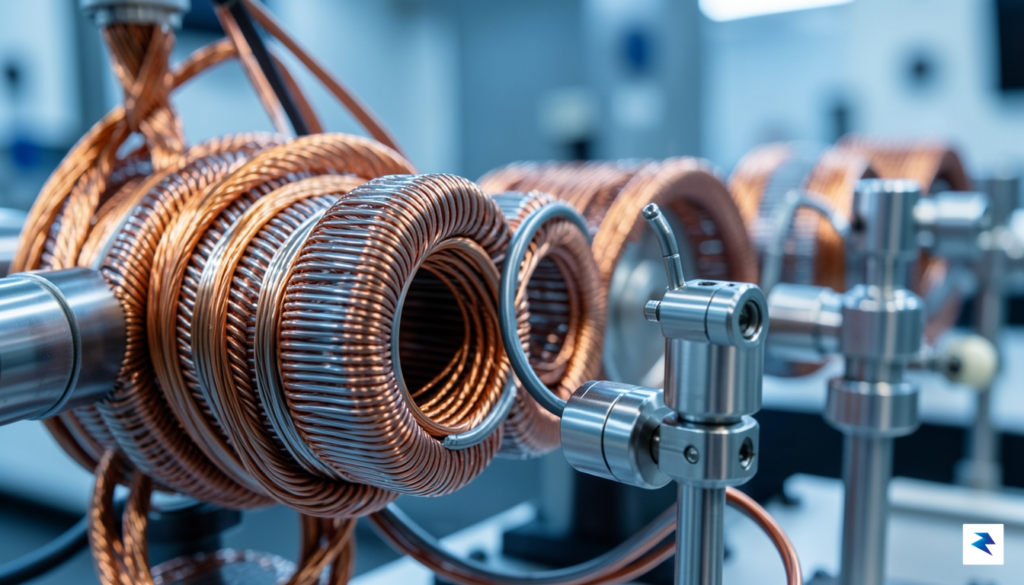
Transitioning from a controlled laboratory demonstration to a reliable, grid-scale power source requires more than just achieving fusion; it demands an unprecedented mastery of plasma dynamics. In conventional tokamak designs, the torus shape creates inherent complexities in plasma confinement, but Realta Fusion’s approach involves navigating the chaotic, high-energy nature of plasma within non-traditional magnetic configurations. These systems often face difficulties in maintaining long-term stability, as the plasma is prone to microscopic turbulence that can cause sudden, disruptive fluctuations. To harness electricity directly without the thermal inefficiency of steam turbines, the team must ensure that the plasma remains coherent enough to allow for precise electromagnetic extraction while simultaneously preventing those same energy-conversion fields from destabilizing the fusion reaction itself.
The Material Science Bottleneck
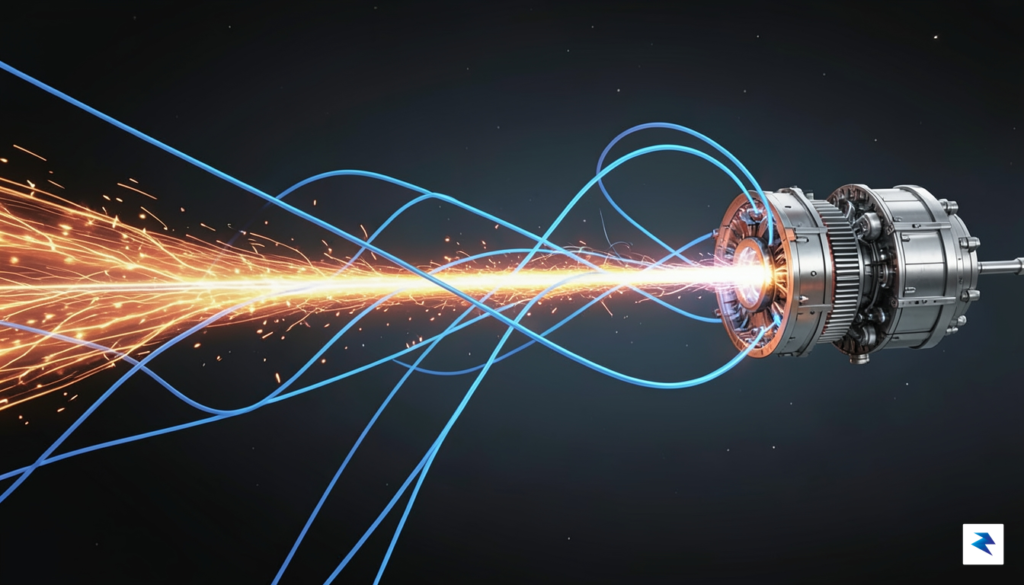
Beyond the physics of confinement, the survival of the hardware represents a formidable engineering challenge. When capturing energy directly from fusion products, plasma-facing components are subjected to a continuous bombardment of high-energy particles and intense radiation. This environment accelerates material degradation at the atomic level, leading to “sputtering”—a process where atoms are knocked off the surface of the containment vessel—and the potential for structural embrittlement. Developing materials that can withstand this relentless flux while maintaining their electromagnetic properties is essential, as even minor surface erosion can introduce impurities into the plasma, which would quench the reaction instantly.
Success in direct energy extraction depends on materials that can act as both a robust vessel and an efficient transducer, turning the kinetic energy of charged particles into a harvestable electric potential without failing under the thermal and radiation load.
Managing Electromagnetic Interference
The final hurdle lies in the delicate dance of electromagnetic interference. Because the process of extracting electricity involves creating an opposing field to capture the kinetic motion of the charged fusion products, there is a constant risk that this extraction field will interfere with the primary magnetic containment system. If the extraction pulse is not perfectly synchronized or if the feedback loops are too slow, the containment field could collapse, leading to a loss of the plasma core. Realta Fusion must employ sophisticated, high-speed control algorithms capable of modulating these fields on a microsecond scale. By balancing the need for power extraction against the rigid requirements of magnetic confinement, the team is effectively attempting to build a system that can draw energy from a storm without letting the storm break its boundaries.
Implications for the Global Energy Grid

The transition to direct energy conversion represents a seismic shift in how we conceptualize power generation, effectively decoupling the fusion process from the cumbersome machinery of traditional thermodynamic cycles. Current power plants—whether fossil-fuel-based or nuclear fission reactors—rely on massive steam turbines to convert thermal energy into electricity, a process that necessitates cooling towers, extensive water supplies, and vast physical footprints. By bypassing the steam cycle entirely, Realta Fusion’s approach allows for a dramatic reduction in the scale of power plants. Smaller, modular reactors could be deployed closer to the point of consumption, fundamentally altering the logistics of energy distribution and mitigating the massive transmission losses that currently plague long-distance power grids.
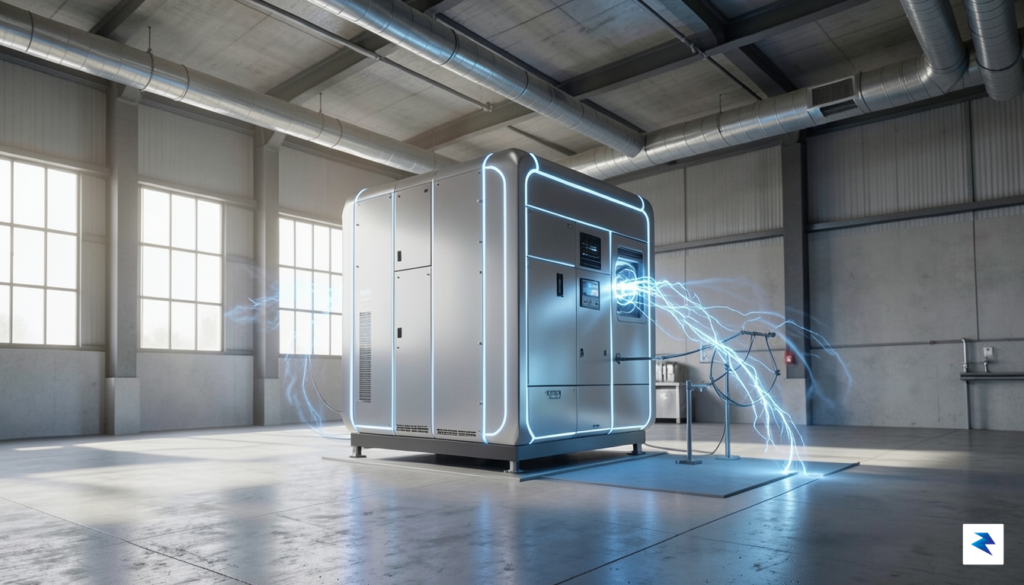
This move toward modularity does more than just save space; it enhances the inherent resilience of the global energy grid. Our existing centralized model, which relies on a few massive plants feeding electricity across hundreds of miles, is increasingly vulnerable to extreme weather events, cyber threats, and physical infrastructure failures. A decentralized landscape, populated by localized fusion units, would allow regional grids to operate with greater autonomy. If one unit requires maintenance or experiences a local issue, the surrounding nodes can compensate, preventing the cascading blackouts that define modern grid instability. Furthermore, this localized strategy eliminates the need for the extensive and expensive high-voltage transmission lines that often face significant public opposition and environmental permitting hurdles.
The ability to generate clean, high-density power at the source is the key to unlocking energy independence for remote industrial operations, data centers, and emerging smart cities.
Beyond the logistical advantages, direct conversion offers a compelling path toward replacing fossil-fuel-dependent baseload generation. While renewable sources like solar and wind are essential, their inherent intermittency requires expensive battery storage solutions or natural gas peaker plants to maintain grid stability. Fusion, by providing a constant, high-density output, serves as the ideal baseload partner. Because these modular reactors do not require the enormous capital investment or the decades-long construction timelines associated with conventional power plants, they could be integrated into the existing grid infrastructure more rapidly. This flexibility allows utility providers to phase out carbon-intensive coal and natural gas assets without sacrificing the reliability that modern society demands. Ultimately, this technological leap creates a more agile, efficient, and sustainable energy architecture capable of meeting the ballooning power requirements of a digital-first global economy.
The Road to Commercial Viability and Scaling
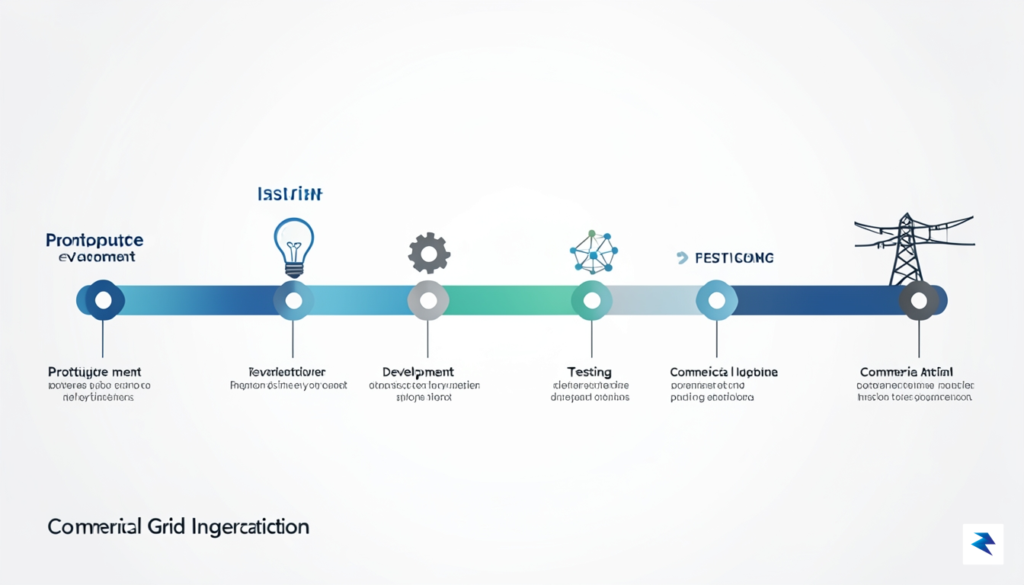
While the successful direct conversion of fusion energy into electricity stands as a monumental leap for physics, the transition from a laboratory breakthrough to a functional power plant remains a complex, multi-decade undertaking. Realta Fusion has effectively crossed the threshold of scientific possibility, yet the leap toward commercial viability requires moving beyond the “pulse” style of operation. Current fusion milestones are often measured in seconds or minutes, whereas a reliable grid-scale reactor must demonstrate the ability to operate continuously for months at a time without significant degradation of the containment components or the power conversion hardware.
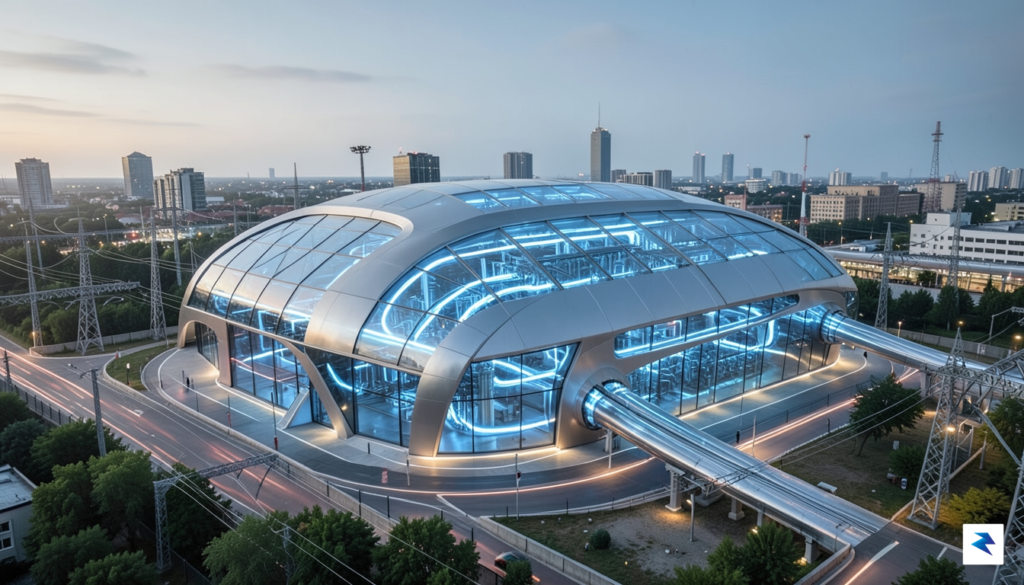
To bridge this gap, the company must now pivot toward building larger demonstration plants that can withstand the extreme thermal and neutron environments inherent in sustained fusion. This involves not only scaling the physical size of the magnetic containment systems but also refining the material science required to ensure these components do not become brittle or radioactive over extended operational cycles. Furthermore, the economic barrier is significant; for fusion to displace existing baseload power sources like natural gas or fission-based nuclear, the cost per kilowatt-hour must be competitive. Achieving this will require a transition from bespoke, experimental components to industrialized, mass-produced modular units that can be integrated into existing transmission infrastructure.
The true test of fusion energy will not be the initial ignition, but the relentless consistency of the output and the affordability of the infrastructure required to deliver it to the end consumer.
The path forward is also heavily contingent upon a supportive regulatory landscape and sustained financial commitment. Fusion energy exists in a unique gray area of current regulatory frameworks, which were primarily designed for traditional fission reactors. Policymakers must work alongside innovators to create safety and licensing standards that reflect the fundamentally different risk profiles of fusion technology. Moreover, the massive capital expenditure required for these demonstration projects necessitates a robust blend of public-private partnerships. By leveraging government research grants alongside private venture capital, Realta Fusion can de-risk the development phase, providing the necessary runway to refine its technology and prove to institutional investors that fusion is a bankable asset class. If these economic and technical milestones are met, we could realistically see pilot-scale integration into the commercial energy market within the next fifteen to twenty years, fundamentally reshaping the global energy landscape.