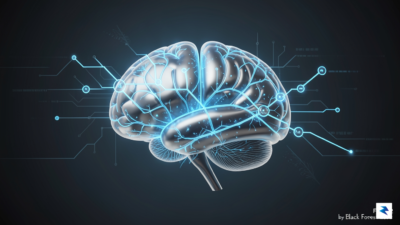
The Evolution of Non-Invasive Brain-Computer Interfaces
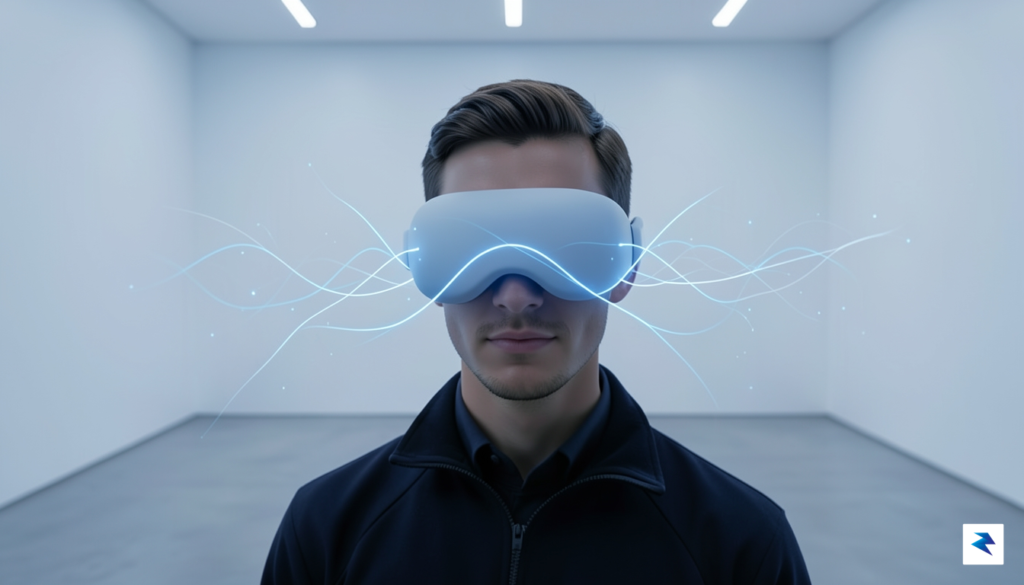
For decades, the field of neurotechnology was defined by a daunting physical barrier: to achieve high-fidelity communication between the human mind and a machine, one had to literally bridge the gap with steel and wires. Early brain-computer interface (BCI) research relied almost exclusively on invasive surgical implants, where electrodes were placed directly onto or into the cerebral cortex. While these methods yielded remarkable results in laboratory settings—allowing paralyzed patients to control robotic limbs or cursor movements—the path was fraught with immense challenges. The surgical risks associated with craniotomies, the potential for long-term tissue scarring, and the exorbitant costs of specialized clinical teams meant that BCIs were destined to remain niche tools for a select few, rather than transformative technologies for the general public.
This reliance on invasive hardware effectively tethered the potential of the human brain to the confines of hospital operating rooms. Beyond the medical risks, these systems were notoriously difficult to scale; they required constant recalibration, sophisticated maintenance, and a physical infrastructure that could not easily be replicated in a home environment. Consequently, the dream of “thought-to-text” remained a distant, high-stakes endeavor rather than a practical solution for everyday communication. The field hit a plateau where the complexity of the surgery began to outweigh the incremental gains in signal clarity, prompting a desperate need for a fundamental shift in how we approach neural decoding.
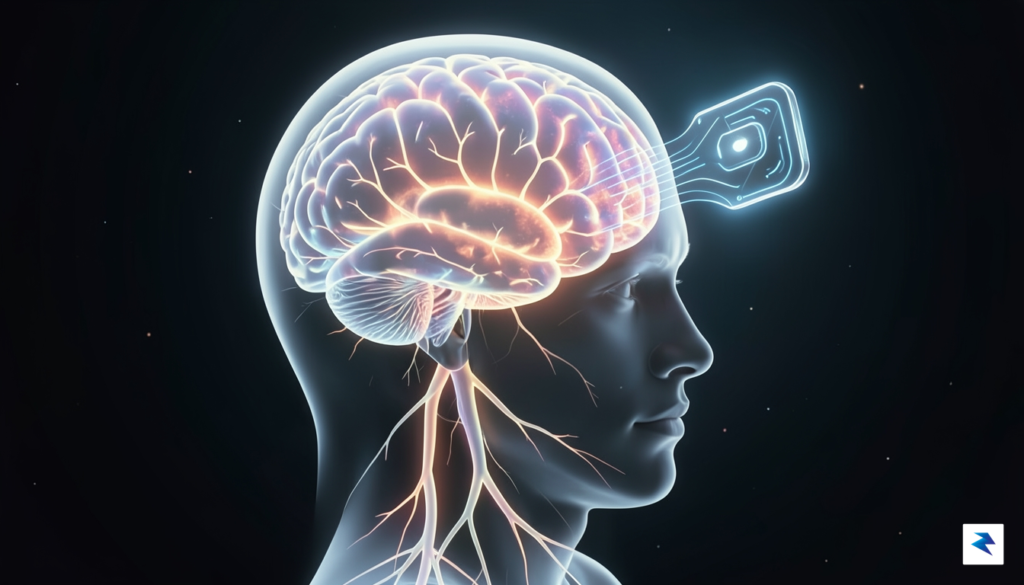
Recent breakthroughs are now flipping this narrative, proving that we no longer need to open the skull to listen to the whispers of the mind. By leveraging advancements in sophisticated machine learning models, researchers are beginning to interpret complex brain signals through non-invasive sensors—such as magnetoencephalography (MEG) or high-density electroencephalography (EEG)—that rest gently against the scalp. This pivot is perfectly exemplified by projects like Meta AI’s ‘Brain2Qwerty’ approach, which demonstrates that deep learning algorithms can be trained to recognize the distinct neural patterns associated with language production, even when those signals are captured through the noise of the skull and skin.
The true democratization of neurotechnology lies not in perfecting the surgery, but in mastering the mathematics of interpretation. By moving from hardware-heavy intervention to software-driven decoding, we are opening a door that was previously locked by the physical limitations of the human body.
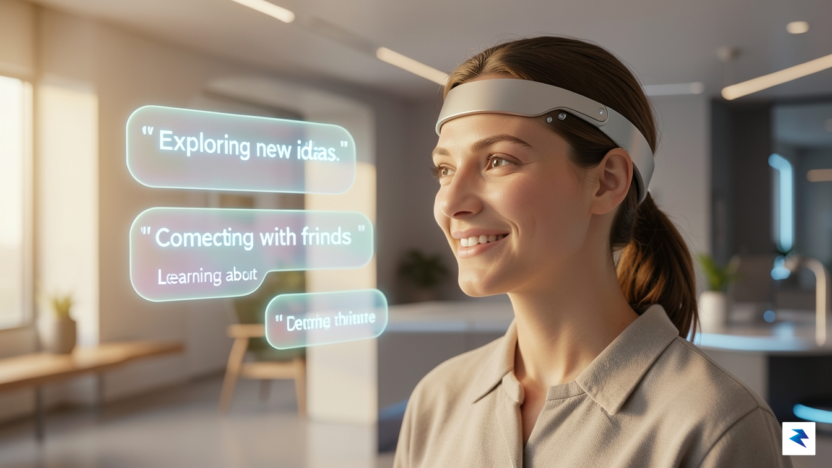
This transition represents a major paradigm shift toward scalable, accessible neural decoding. Instead of requiring a neurosurgeon, the future of BCIs may soon involve a lightweight, wearable device that functions much like a pair of high-tech headphones. As these AI models become more adept at filtering out environmental interference and mapping the subtle nuances of human thought, we are moving toward a world where communication is limited only by our intent, not by our physical ability to type or speak. This evolution marks the transition of BCIs from clinical curiosities to essential, everyday tools that promise to bridge the gap between our internal cognitive world and the digital landscape.
Decoding Neural Patterns: The Technology Behind Brain2Qwerty
The transformation of silent thoughts into typed text begins with the capture of subtle electrical activity occurring within the brain. Rather than relying on invasive electrodes placed directly on the cortex, this technology utilizes high-sensitivity magnetoencephalography (MEG). By placing a specialized cap around the scalp, the system detects the faint magnetic fields generated by the synchronized firing of neurons as they process language. Because these signals are incredibly nuanced and susceptible to interference, the hardware must be paired with extreme precision to ensure that the raw data collected is clear enough for computational analysis.
Once this raw neural data is captured, it is funneled into a sophisticated AI model designed for real-time pattern recognition. During the initial training phase, the system undergoes an intensive calibration process where the user imagines specific words or phrases while the software observes the corresponding neural “fingerprints.” Through deep learning, the model begins to identify consistent, repeatable patterns in the magnetic field fluctuations that align with specific linguistic concepts. Over time, the algorithm refines its sensitivity, moving beyond identifying simple intentions to recognizing the complex, idiosyncratic neural signatures that represent individual words.
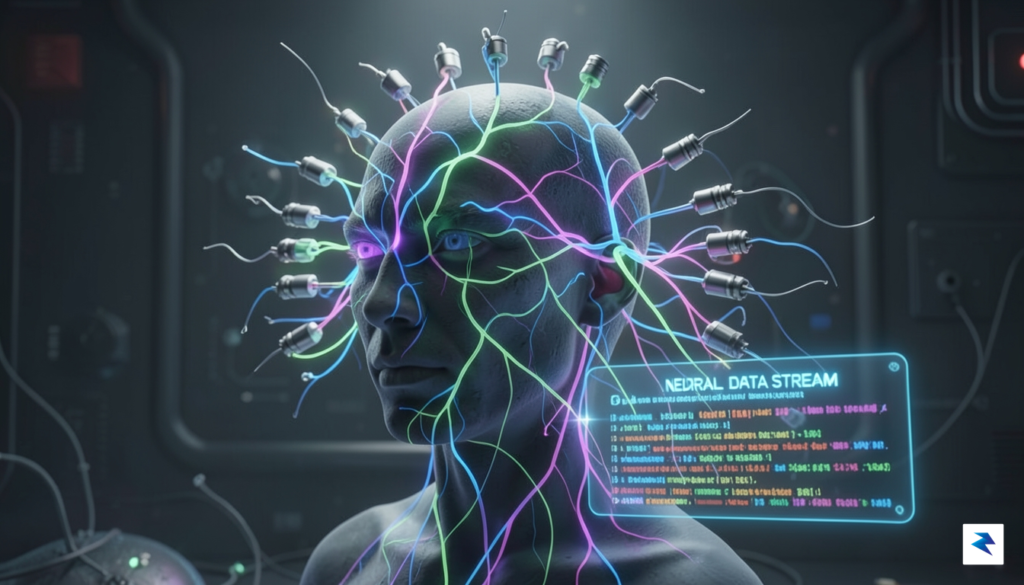
The Brain2Qwerty framework acts as the connective tissue that bridges the gap between these erratic electrical impulses and coherent human language. It functions by employing a sophisticated decoding architecture that acts much like a translator for a foreign language. When the system detects a neural pattern that matches a stored linguistic signature, it utilizes a predictive text engine—similar to the ones found in modern smartphones, but vastly more advanced—to assemble those signatures into grammatically correct sentences. This process happens in a matter of milliseconds, allowing the user to experience a near-instantaneous output as they mentally “type” their thoughts.
The true breakthrough lies not in just capturing brain activity, but in the AI’s ability to filter out the “noise” of the human mind and extract the specific, intentional signals that constitute communication.
Ultimately, this methodology represents a shift from reactive technology to interpretive intelligence. By continuously learning from the user’s unique brain activity, the system becomes more accurate with every session, effectively creating a personalized vocabulary map. As the software matures, it reduces the margin of error, ensuring that the transition from a fleeting thought to a typed document is as seamless as speaking aloud. This marriage of non-invasive recording and high-fidelity machine learning marks a pivotal advancement in assistive technology, providing a viable path toward restoring communication for those who have lost the ability to use traditional input methods.
Overcoming the Challenges of Non-Invasive Neural Decoding
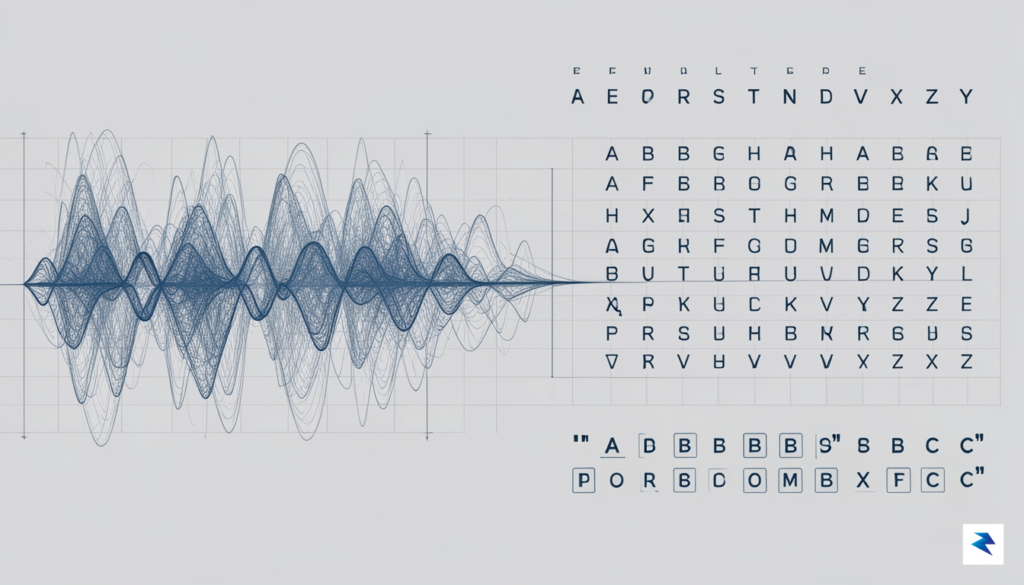
The primary obstacle preventing non-invasive brain-computer interfaces (BCIs) from reaching mainstream utility has always been the physical barrier of the human skull. When recording neural activity from outside the head—typically using electroencephalography (EEG) or magnetoencephalography (MEG)—the electrical signals generated by neurons must pass through the scalp, protective membranes, and thick bone. This journey acts as a natural low-pass filter, dramatically scattering the signal and diminishing its clarity long before it reaches the sensors. Consequently, the raw data recorded by these devices is incredibly faint, often resembling an attempt to listen to a specific whisper in the middle of a roaring hurricane.
Beyond the inherent signal degradation, researchers must contend with the overwhelming volume of environmental and physiological noise. Every blink of an eye, muscle twitch, or even the subtle electrical hum of nearby electronic equipment creates artifacts that dwarf the actual neural oscillations associated with language production. Historically, this unfavorable signal-to-noise ratio meant that non-invasive systems were limited to simple binary tasks, such as detecting a single “yes” or “no” impulse. However, the paradigm is shifting as we move away from traditional signal processing and toward the power of generative deep learning.
Recent advancements from teams like Meta AI demonstrate how sophisticated deep learning architectures can essentially “clean” this chaotic neural input. By training models on massive, high-dimensional datasets, these algorithms learn to distinguish the structural patterns of human thought from the random static of the external environment. Instead of relying on manual filtering techniques that often strip away valuable information, modern neural networks use predictive modeling to reconstruct the intended signal. By treating neural decoding as a translation problem—much like transforming low-resolution images into high-definition photos—these models can reconstruct meaningful linguistic patterns from what would otherwise appear to be incoherent noise.
The leap in accuracy is not due to better hardware alone, but to the intelligence of the software layer that interprets the messy, fragmented signals the brain sends through the skull.
This transition toward AI-driven interpretation is the reason why current non-invasive decoding is achieving levels of precision that were once thought impossible without implanted electrodes. By leveraging context-aware language models, these systems can “guess” the intended word based on the fragmented neural patterns they detect, narrowing down the possibilities based on syntax and vocabulary. This synergy between hardware sensitivity and algorithmic intelligence suggests that we are moving toward a future where the skull is no longer a wall, but merely a filter that modern technology has finally learned to navigate.
Real-World Applications and the Future of Communication

For individuals grappling with the devastating effects of conditions like Amyotrophic Lateral Sclerosis (ALS), brainstem strokes, or traumatic brain injuries, the loss of speech is far more than a physical inconvenience; it is a profound barrier to human connection. Current assistive technologies, such as eye-tracking software or switch-based scanning systems, often feel like a digital bottleneck, translating complex thoughts into slow, deliberate clicks that strip away the nuance and spontaneity of natural conversation. These existing tools require immense cognitive exertion and offer only a fraction of the bandwidth found in human speech. By contrast, the emergence of non-invasive brain-to-text technology promises to bridge this gap, potentially allowing individuals to communicate at speeds that mirror the fluidity of thought itself, thereby restoring a fundamental human right: the autonomous ability to express one’s mind.
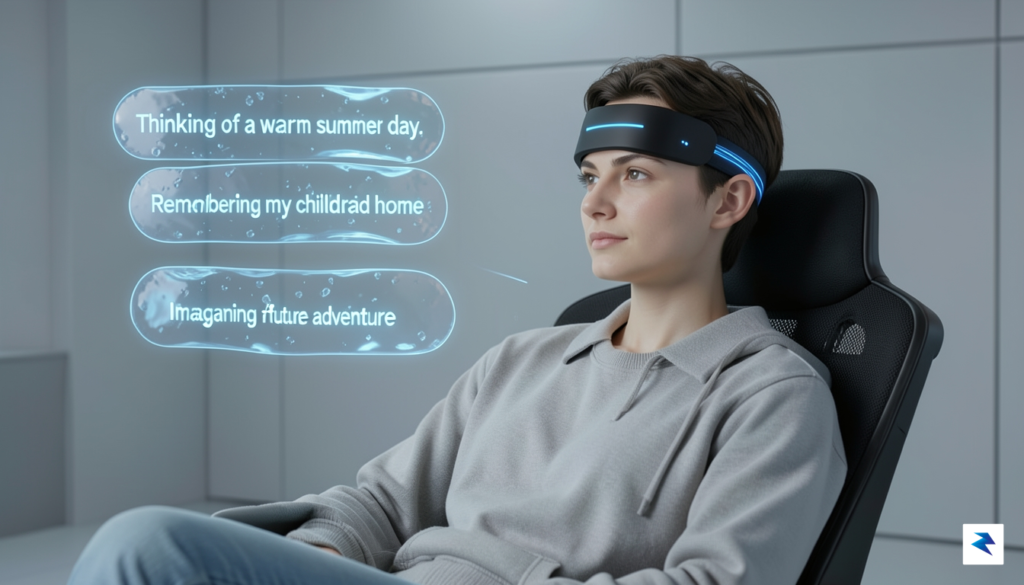
The clinical implications of this innovation are vast and transformative. In a laboratory setting, researchers have already demonstrated that artificial intelligence can decode neural patterns into coherent sentences, but the transition to real-world integration represents the next great hurdle. Unlike current invasive brain-computer interfaces that require neurosurgery to implant electrodes, this new path focuses on wearable sensors that capture electrical signals through the scalp. This shift is critical for accessibility; it moves the technology from the operating theater to the bedside, making it a viable option for a significantly larger population of patients who cannot undergo, or do not wish to risk, invasive procedures. As we move from controlled laboratory trials into clinical settings, the focus will shift toward calibrating these systems to account for the unique neural signatures of diverse individuals, ensuring that the technology is as personalized as the voice it intends to replace.
Moving from Clinical Trials to Everyday Autonomy
The timeline for integrating these devices into daily life remains a subject of intense research, yet the trajectory is promising. Current efforts are concentrated on refining the signal-to-noise ratio in non-invasive sensors and improving the predictive accuracy of the underlying AI models. We are moving toward a future where communication devices are no longer cumbersome gadgets, but rather integrated components of an individual’s digital environment. By leveraging machine learning to adapt to the specific “neural vocabulary” of a user, these systems could eventually learn to recognize the intent behind a thought before a user has even finished articulating it in their mind.
The true measure of this technology’s success will not be found in the speed of the algorithms, but in the restoration of dignity, independence, and social agency for those who have been silenced by their own biology.
Ultimately, the goal is to create a seamless interface that functions as an extension of the self rather than a medical necessity. As clinical trials expand, we expect to see a transition from “spelling” letters one by one to decoding entire phrases, effectively narrowing the gap between silent intent and spoken word. While we must remain realistic about the challenges of signal interference and hardware portability, the progress made thus far suggests that we are on the cusp of a paradigm shift in neuro-technology, one that promises to return the gift of expression to those who need it most.
Ethical Considerations and the Path to Mainstream Adoption

As we stand on the precipice of a future where thoughts can be translated into digital text without a single keystroke, the conversation must shift from technical feasibility to the sanctity of the human mind. The ability to interpret neural signals represents a profound leap in human-computer interaction, but it also opens a Pandora’s box regarding cognitive liberty. If our private thoughts can be harvested, processed, and stored as data, we must ask who holds the keys to that information. Ensuring the privacy of the mind is no longer a philosophical exercise; it is a fundamental human rights issue that requires robust encryption standards and a new framework for “neuro-rights” to protect individuals from unauthorized access to their inner lives.
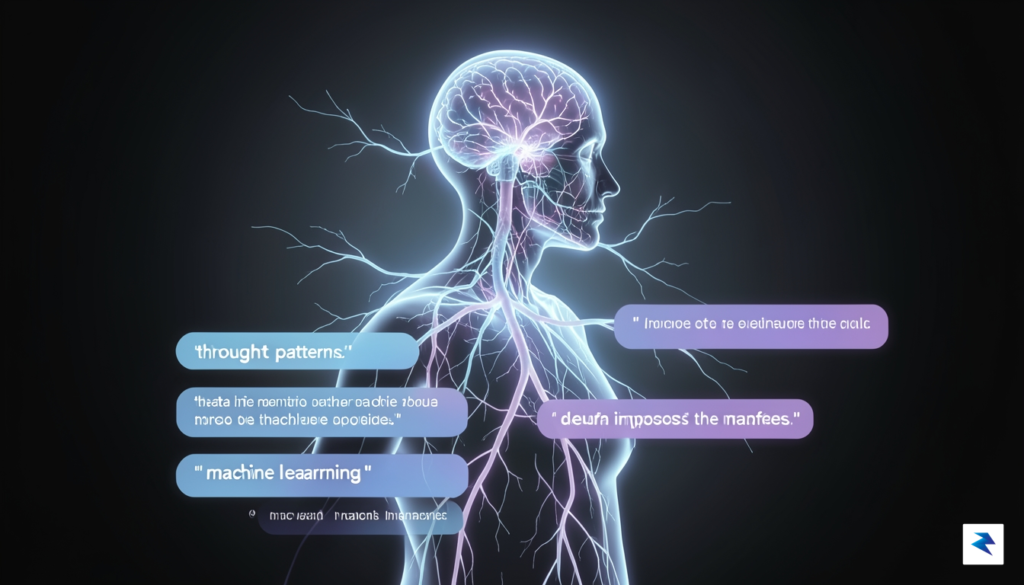
The potential for “thought surveillance” is perhaps the most daunting challenge facing the adoption of these non-invasive brain-computer interfaces. While the goal is to assist those with communication impairments, the commercialization of this technology could lead to a world where our mental states are monitored by corporations or governments for advertising, productivity tracking, or even behavioral modification. To maintain public trust, developers must move beyond standard data protection policies and embrace transparency in how neural data is collected, interpreted, and utilized. Informed consent in this domain cannot be a mere checkbox on a digital agreement; it must be an ongoing, revocable process where the user maintains absolute sovereignty over which neural patterns are shared and which remain strictly personal.
True innovation in neural technology must be defined not just by the accuracy of our decoders, but by the rigor of the ethical guardrails we construct to protect the sanctity of individual thought.
Beyond privacy, the path to mainstream adoption is paved with significant regulatory hurdles that will dictate whether this technology remains a niche medical tool or becomes a ubiquitous consumer product. Regulatory bodies like the FDA and global privacy watchdogs will need to develop entirely new paradigms for assessing the long-term safety and psychological impact of neural interfaces. We must ensure that these devices are not only physically safe but also resilient against digital intrusion, as a “brain-hack” would constitute the ultimate violation of personal security. As we refine the algorithms that turn brain waves into words, we must simultaneously advocate for legislation that treats neural data with a higher level of sensitivity than any other form of personal information currently being traded in the digital economy.