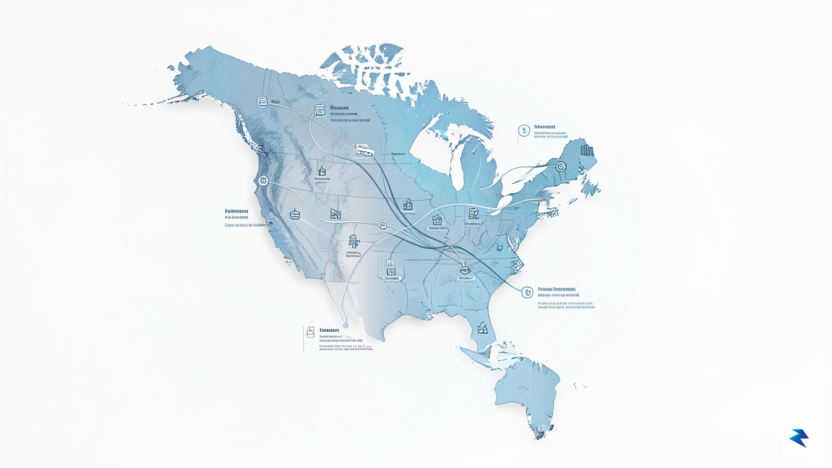
The Current State of USMCA Negotiations

Recent policy signals emanating from the administration have introduced a nuanced layer of uncertainty regarding the future of the United States-Mexico-Canada Agreement (USMCA). By intentionally opting against an immediate trigger of the formal renewal process, policymakers have effectively recalibrated the timeline for continental trade integration. This strategic pause is not merely a bureaucratic delay; rather, it reflects a calculated shift in how the government intends to approach the upcoming six-year joint review. Rather than rushing toward a predetermined outcome, the administration appears to be signaling a preference for a deliberate, comprehensive assessment of how existing trade terms align with current domestic economic priorities.
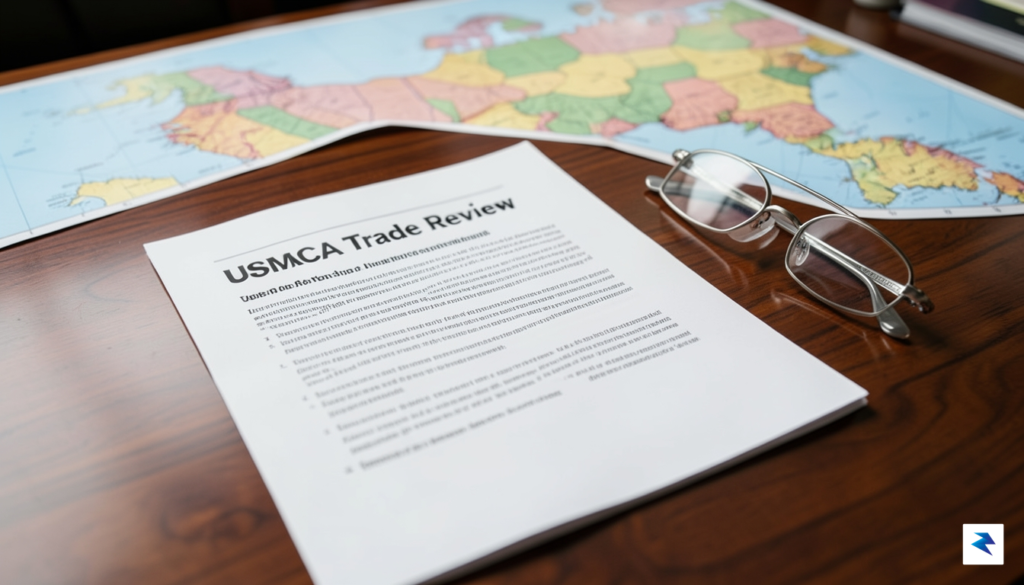
To understand the weight of this decision, one must look at the mechanics of the agreement’s “sunset clause.” The USMCA contains a provision that requires a formal review of the agreement every six years, a safeguard designed to ensure that the terms of the deal remain relevant in a rapidly evolving global market. Under the established timeline, if the parties do not formally reaffirm their commitment to the agreement during this review, the deal faces the risk of expiration after sixteen years. By withholding an immediate request for renewal, the administration is exercising its discretion within these established legal bounds. It is crucial to distinguish this pause from a desire to terminate the agreement; instead, it represents a policy pivot toward a more granular, possibly more demanding, negotiation phase.
The decision to delay the formal renewal process should be viewed as a strategic maneuver meant to gain leverage, rather than a definitive move toward withdrawal or abandonment of the trilateral trade framework.
For businesses operating across North American borders, this pause serves as a period of transition. It is important for stakeholders to recognize that “not immediate” does not equate to “not happening.” The administration’s current stance suggests that they are prioritizing an exhaustive audit of trade data, labor standards, and supply chain resiliency before signaling a final commitment to the next phase of the agreement. Consequently, industry leaders should prepare for a period of ongoing dialogue where the administration may leverage the review process to push for specific adjustments to trade regulations, rather than simply rubber-stamping the existing deal. By maintaining this posture, the government keeps its options open, ensuring that the final agreement—if renewed—reflects a set of priorities that may look significantly different from those established during the initial signing of the deal.
Why Business Certainty is Wavering

For multinational corporations operating within the North American bloc, predictability is not merely a preference; it is the fundamental currency of long-term investment. When trade policies shift from stable, codified frameworks to periods of prolonged ambiguity, the “certainty premium”—the added cost or hesitation firms factor in when navigating geopolitical risk—spikes dramatically. Currently, the hesitation surrounding the formal renewal proceedings for the U.S.-Mexico-Canada Agreement has created a stifling “wait-and-see” environment. Leaders are finding it increasingly difficult to justify multi-year capital expenditure projects when the regulatory environment governing cross-border movement, labor standards, and tariff structures remains subject to potential renegotiation or sudden policy pivots.

The impact of this hesitation is most visible in the stalling of large-scale facility expansions and the freezing of procurement contracts. Rather than committing to the construction of new manufacturing plants or the integration of complex, high-value supply chains, many firms are opting for tactical inertia. By delaying these investments, companies are essentially holding their liquidity in reserve, waiting for a clearer signal regarding the long-term viability of the current trade regime. This creates a ripple effect: when a Tier-1 supplier pauses its expansion, the downstream consequences are felt by hundreds of smaller vendors who rely on that steady, predictable demand to keep their own operations running efficiently.
The true cost of policy ambiguity is not just the lost investment today, but the erosion of competitive advantage in the global market tomorrow.
To navigate this landscape of uncertainty, many firms are pivoting toward aggressive risk-management strategies. Instead of betting on the status quo, procurement officers are diversifying their supplier bases to include regions outside the USMCA footprint, essentially paying a premium for flexibility at the expense of regional efficiency. Furthermore, legal and compliance departments are increasingly drafting contracts with “escape clauses” or trigger mechanisms that allow for rapid adjustments should trade rules change unexpectedly. While these defensive measures protect the balance sheet in the short term, they fundamentally increase the friction of doing business across the continent. Ultimately, the longer the current ambiguity persists, the more these defensive behaviors will become the permanent new normal, potentially undermining the very integration that the trade agreement was designed to foster.
Key Friction Points in North American Trade
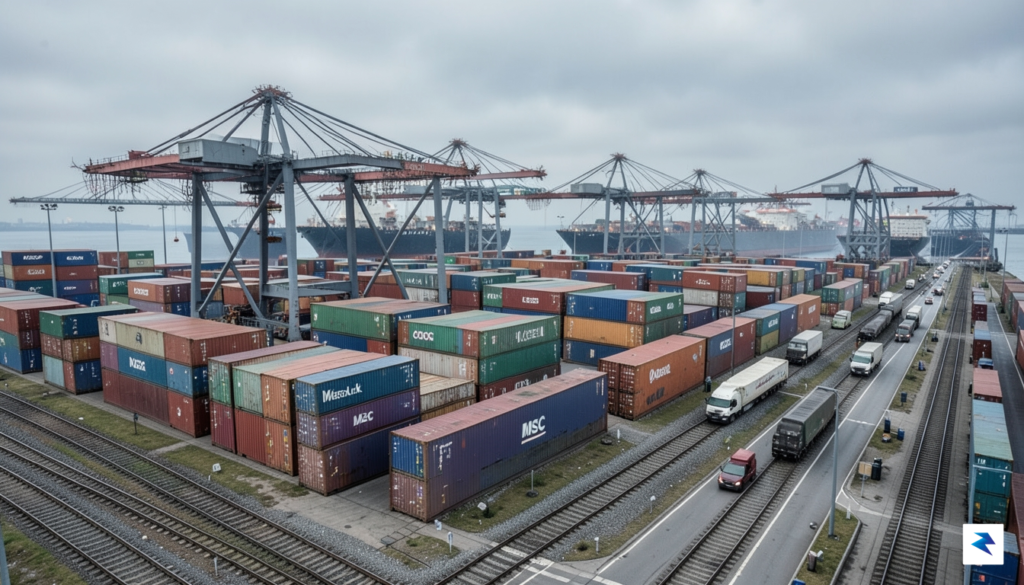
At the heart of the current diplomatic stall lies a complex architecture of North American commerce that extends far beyond simple tariff schedules. The USMCA is a highly nuanced agreement, and the friction points delaying progress are deeply embedded in the industrial DNA of all three nations. For manufacturers and stakeholders, these are not merely bureaucratic hurdles; they represent fundamental disagreements over how to balance domestic job protection with the efficiency of a highly integrated regional supply chain. Because these issues impact the core profitability of cross-border operations, even minor adjustments to the language of the treaty can trigger widespread ripples throughout the automotive and agricultural sectors.

The Automotive Quagmire and Rules of Origin
The most persistent tension involves the stringent rules of origin for automotive manufacturing. To qualify for duty-free status, vehicles must meet specific requirements regarding the percentage of parts sourced within North America. Negotiators are currently struggling to reconcile these regional content thresholds with the rapid shift toward electric vehicle (EV) production. As manufacturers transition away from internal combustion engines, the supply chains for battery components and software are becoming increasingly globalized, making it difficult to satisfy the “North American-made” requirements without significantly increasing production costs. This leaves manufacturers caught in a bind: either invest heavily in localizing complex supply chains—a process that takes years—or face the risk of losing preferential trade access.
Labor Enforcement and Agricultural Access
Beyond the factory floor, the conversation is heavily influenced by the mechanics of labor enforcement and agricultural market access. The U.S. has maintained a consistent push for more rigorous oversight of labor standards in Mexico, aimed at ensuring that workers have the right to organize and bargain collectively. While this is framed as a matter of fairness, it creates significant friction for companies that have historically relied on Mexico’s lower labor costs to maintain their competitive edge. Simultaneously, the dairy sector remains a perennial flashpoint. Canada’s supply management system, which strictly controls dairy production and limits imports, continues to be a major point of contention for U.S. producers who view these barriers as an unfair restriction on their market entry. These disagreements are not superficial; they are rooted in long-standing protectionist policies that neither side is eager to dismantle.
The core of the trade impasse lies in the tension between protecting national economic interests and maintaining the seamless, low-cost supply chains that have defined North American manufacturing for decades.
Ultimately, these friction points illustrate that the USMCA is a living, breathing document that requires constant recalibration. When supply chain logistics or labor laws shift, the treaty must be flexible enough to accommodate change without unraveling. For businesses, the current pause serves as a reminder that North American trade policy is never truly static. Navigating these complexities requires a long-term strategy that accounts for potential regulatory shifts, as the underlying political motivations—securing domestic jobs and maintaining industrial sovereignty—will continue to influence the negotiating table for the foreseeable future.
What Businesses Should Do While Awaiting Clarity

In an era where trade policy feels increasingly volatile, the worst strategy a business can adopt is passive waiting. Instead, organizations should treat this period of uncertainty as an opportunity to pressure-test their operational resilience. The first step involves a rigorous audit of your current USMCA compliance certifications. Many firms rely on legacy data that may no longer reflect the nuances of changing labor value content (LVC) requirements or regional value content (RVC) thresholds. By proactively verifying your documentation now, you avoid the scramble of last-minute audits or punitive tariffs should enforcement mechanisms tighten abruptly.

Beyond internal compliance, supply chain diversification has moved from a strategic “nice-to-have” to a fundamental competitive necessity. Relying on a single corridor or a concentrated set of suppliers within the USMCA zone creates a single point of failure that trade disputes can easily exploit. Businesses should begin mapping their Tier 2 and Tier 3 suppliers to identify potential chokepoints. If your production line is highly dependent on a specific component crossing a single border point, consider qualifying alternative suppliers in different regions—or even domestic alternatives—to ensure that you can maintain output even if trade flows are temporarily throttled by policy shifts.
Success in a fluctuating trade environment is defined by your ability to pivot without sacrificing the integrity of your product or the timeline of your delivery.
Engaging with industry trade groups is another essential, yet often overlooked, tactic. These organizations serve as the eyes and ears of the private sector in Washington, Mexico City, and Ottawa, often possessing real-time intelligence on lobbying efforts and regulatory shifts that have not yet reached the mainstream news cycle. By becoming an active member rather than a passive observer, your business gains a seat at the table to voice specific concerns and influence advocacy efforts. This collective approach ensures that policymakers hear the real-world impact of their decisions, potentially shaping the final outcome of trade talks in a way that minimizes disruption.
Finally, revisit your contractual language to ensure you possess the necessary flexibility to navigate sudden cost increases or transit delays. Rigid, long-term contracts that do not account for force majeure events or sudden shifts in import/export duties can quickly become liabilities. Consider incorporating flexible pricing clauses or renegotiation triggers that are linked directly to trade policy changes. By institutionalizing this agility into your legal agreements, you protect your margins and maintain the stability of your commercial relationships, regardless of how the political pendulum swings in the coming months.
Looking Toward the Future of Regional Trade

Despite the current climate of diplomatic hesitation, the underlying economic incentives for continued North American cooperation remain remarkably robust, far outweighing the transient forces of protectionism. The USMCA has effectively cemented a deeply integrated supply chain that spans three nations, creating a combined economic engine that remains one of the most productive in the world. As we look ahead, the long-term outlook for the agreement is anchored in the reality that the U.S., Mexico, and Canada are not just trading partners, but deeply intertwined manufacturing and service hubs. While political rhetoric may fluctuate, the logistical necessity of these cross-border relationships ensures that the structural foundation of the trade bloc is likely to endure, even as specific regulatory details undergo rigorous scrutiny during upcoming review cycles.

A major driver of this continued regional integration is the accelerating trend of “nearshoring,” where companies are increasingly moving production facilities closer to their primary consumer markets to mitigate supply chain vulnerabilities. By shifting manufacturing away from distant regions and back into the North American sphere, businesses can capitalize on shorter lead times, lower shipping costs, and greater control over intellectual property. This strategic pivot serves as a powerful incentive for regional stability; as more corporations commit capital to facilities within the USMCA zone, the political pressure to maintain a predictable, tariff-free trade environment grows exponentially. Consequently, nearshoring is not merely a temporary reaction to global instability, but a permanent structural evolution that favors the long-term health of the continental economy.
The future of North American trade will likely be defined by a shift from simple tariff management toward a focus on digital infrastructure, green energy corridors, and resilient supply chain logistics.
Ultimately, the trade relationship between these three nations will continue to evolve as the current administration balances domestic industrial goals with the realities of global competition. While there may be periods of uncertainty regarding enforcement mechanisms or labor standards, the trajectory points toward a more synchronized, technologically advanced, and secure trading bloc. Businesses should remain optimistic about the core stability of the USMCA, even while preparing for incremental policy adjustments. By prioritizing regional cooperation over isolationist tendencies, the North American partners can ensure that their collective economic engine remains a formidable force on the global stage, capable of weathering future geopolitical shifts with agility and resilience.