Together AI Hits $8.3B Valuation: The Rise of the Neocloud Era
The Rise of Neocloud: Understanding Together AI’s $8.3B Valuation The landscape of artificial intelligence infrastructure underwent a tectonic…

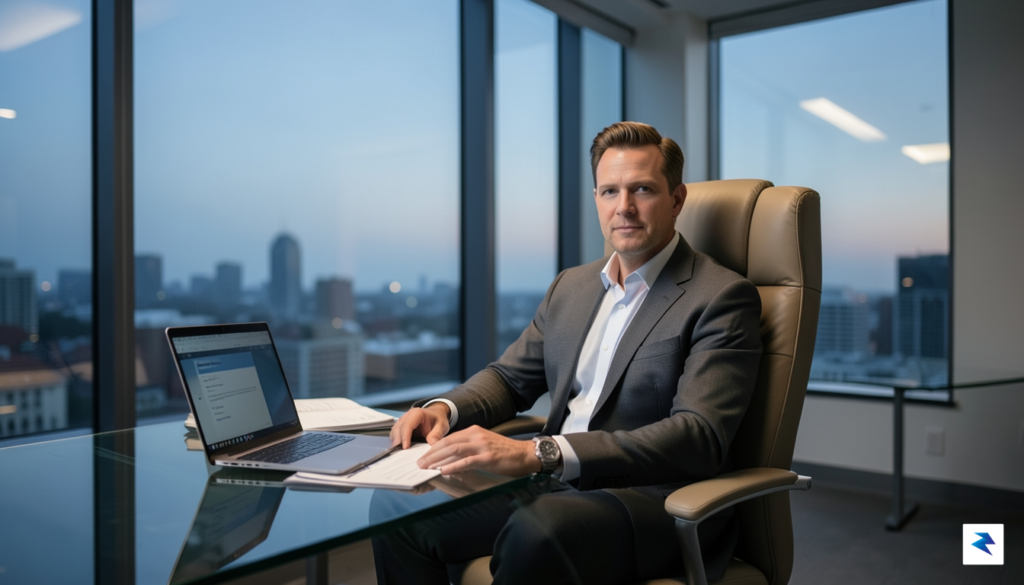
For over a decade, Ashton Kutcher has defied the skepticism often directed at Hollywood figures entering the venture capital space. Through the evolution of Sound Ventures, he transitioned from a curious enthusiast to a seasoned investor with a portfolio that reads like a roadmap of the modern tech landscape. By backing early-stage successes such as Uber, Airbnb, and Spotify, Kutcher demonstrated an uncanny ability to identify consumer-facing disruptions long before they became household names. His tenure at Sound Ventures was characterized by high-conviction bets that prioritized long-term utility over fleeting trends, effectively bridging the gap between celebrity influence and institutional-grade investment strategy.
However, the decision to step away from the firm he helped build signals a fundamental transformation in his professional trajectory. This is not merely a lateral move or a portfolio reshuffle; it is a strategic pivot toward a more complex layer of the digital economy. While his earlier investments focused heavily on the application layer—those intuitive interfaces that changed how we travel, listen to music, and interact—his current focus has shifted toward the foundational pillars that make modern technology possible. He is moving past the surface of the software revolution to address the underlying requirements of the next decade: the hardware, power, and massive infrastructure needed to support the AI boom.
This evolution from consumer-facing software to the “picks and shovels” of artificial intelligence reflects a broader maturation within the tech industry itself. As the novelty of generative AI interfaces begins to plateau, the real-world constraints of computational power, chip manufacturing, and sustainable energy production have come to the forefront. By partnering with Morgan Beller, a seasoned operator with deep expertise in digital assets and platform growth, Kutcher is positioning himself at the intersection of capital and critical infrastructure. This partnership suggests a move toward the kind of heavy-lifting projects that require not just capital, but a deep understanding of the regulatory and physical realities governing the next generation of computing.
The transition from backing the apps that entertain us to investing in the infrastructure that powers the future represents the most significant evolution of Kutcher’s career, marking his maturation from a venture capitalist into a true architect of the digital age.
Ultimately, this departure serves as a testament to Kutcher’s adaptability. By leaving behind the established ecosystem of Sound Ventures, he is signaling that the era of “easy wins” in consumer software is being eclipsed by a more demanding, capital-intensive cycle. Whether this new firm can reshape the landscape remains to be seen, but the intent is clear: he is betting that the most valuable companies of tomorrow will not be the ones we click on, but the ones that provide the essential capacity for the world’s most sophisticated AI systems to function. It is a bold, high-stakes maturation that moves him from the spotlight of the consumer experience to the unseen, essential backbone of the global economy.
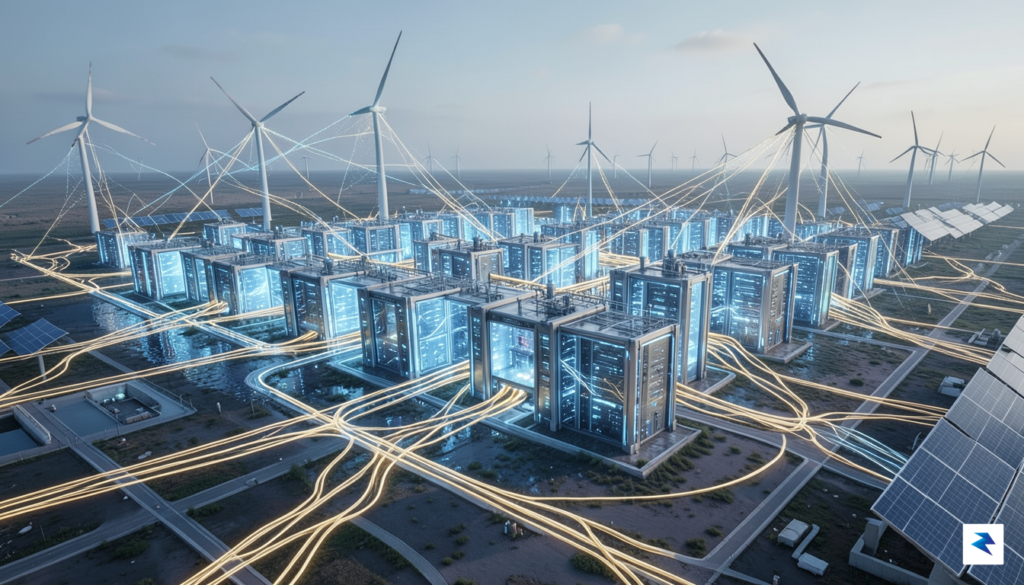
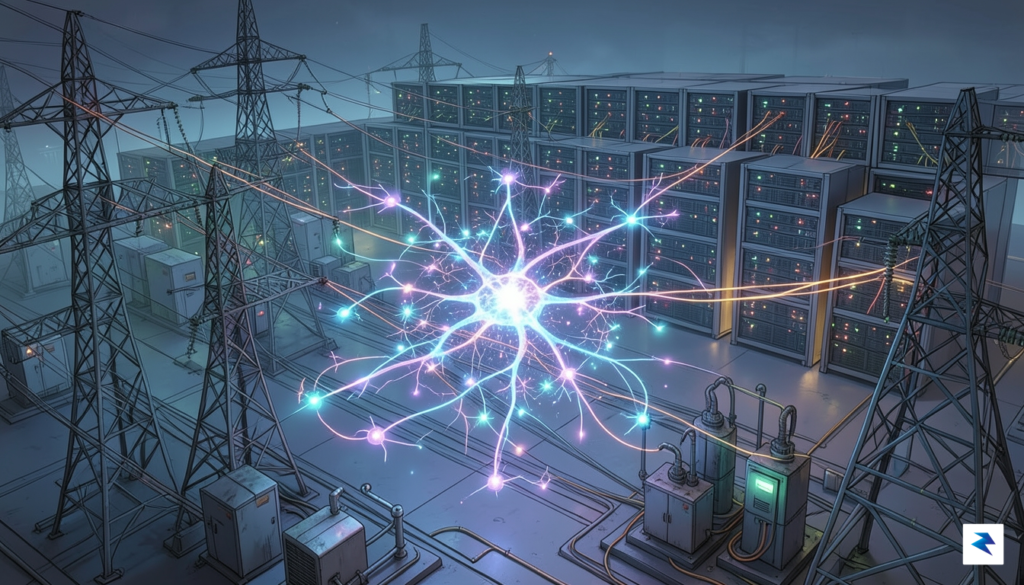
The current artificial intelligence boom has rapidly moved past the hype cycle of early-stage software applications and into a harsh, physical reality: the “AI compute crunch.” While the early days of the generative AI gold rush were defined by the race to build the smartest large language models, the industry has hit a wall where the sheer demand for processing power outstrips the available supply. Scaling these models requires an exponential increase in high-performance computing clusters, which in turn demands a level of physical infrastructure that the current global landscape is struggling to provide. This shift represents a fundamental pivot in venture capital strategy, moving away from purely digital software plays toward the heavy, tangible assets that make the digital world possible.
This transition is driven by the undeniable bottleneck of energy consumption. Training and maintaining modern LLMs require massive amounts of electricity, putting immense pressure on local grids and necessitating innovative solutions in power generation and cooling technology. As data centers become the new industrial heart of the global economy, the ability to deliver sustainable, reliable power to these facilities is becoming more valuable than the software code running within them. Investors are increasingly recognizing that the “picks and shovels” of this revolution—specifically energy-efficient hardware, liquid cooling systems, and next-generation data center architecture—are the true critical assets of the next decade.
The future of AI is not just about the intelligence of the model, but the physical efficiency of the infrastructure that sustains it.
By focusing on these foundational layers, the new firm is positioning itself to address the physical limitations that could otherwise stifle technological progress. Software is inherently scalable, but the physical infrastructure required to host that software is not; it requires capital, specialized engineering, and long-term planning. Therefore, the strategy is to back the innovators who are streamlining how we generate, distribute, and consume power within the context of massive computational workloads. This approach mirrors the broader trend in venture capital where the most significant returns are expected to come from companies that bridge the gap between digital innovation and physical-world utility. Ultimately, this move acknowledges that for AI to reach its full potential, it must first solve the pressing material constraints that currently define its boundaries.

The transition marks a pivotal shift in investment philosophy, moving away from the celebrity-investor model toward a structure defined by technical operational rigor. By aligning with Morgan Beller, Kutcher is securing a partner whose pedigree is firmly rooted in the mechanics of high-scale technology. Beller is widely recognized for her formative work at Facebook and her instrumental role in spearheading the Libra project, an initiative that required navigating complex regulatory landscapes, blockchain architecture, and global product strategy. Her transition from a seasoned operator to a venture capitalist provides the technical foundation necessary to evaluate the infrastructure-heavy landscape of modern artificial intelligence, where the barriers to entry are defined by engineering excellence rather than mere market buzz.

This partnership represents a calculated synthesis of two distinct but complementary professional worlds: high-profile brand amplification and deep-tech operational expertise. While Kutcher brings an unparalleled ability to navigate the public sphere, secure partnerships, and elevate startups into household names, Beller offers the granular scrutiny required to vet the viability of capital-intensive infrastructure projects. In the current venture climate, where AI startups are demanding billions in hardware and compute resources, the ability to build a brand is insufficient; one must also possess the technical literacy to distinguish between sustainable technological moats and temporary hype cycles. By marrying these skill sets, the firm effectively bridges the gap between the boardroom and the server room.
The strength of this new venture lies in its hybrid DNA: the strategic reach of a global media presence paired with the disciplined engineering mindset of a veteran Silicon Valley builder.
Furthermore, the combined networks of these two figures create a formidable pipeline for deal flow that few other firms can replicate. Kutcher’s long-standing footprint in Hollywood and his deep connections within the consumer tech sector ensure that the firm remains at the center of the cultural conversation. Simultaneously, Beller’s relationships with elite engineering talent and the core architects of the crypto and AI revolutions provide an “insider” access point to the most promising early-stage technical ventures. Together, they are positioned to capture high-potential deals that require both the capital backing of a heavy-hitting venture firm and the strategic guidance of operators who have successfully scaled projects at the most significant levels of the global economy.
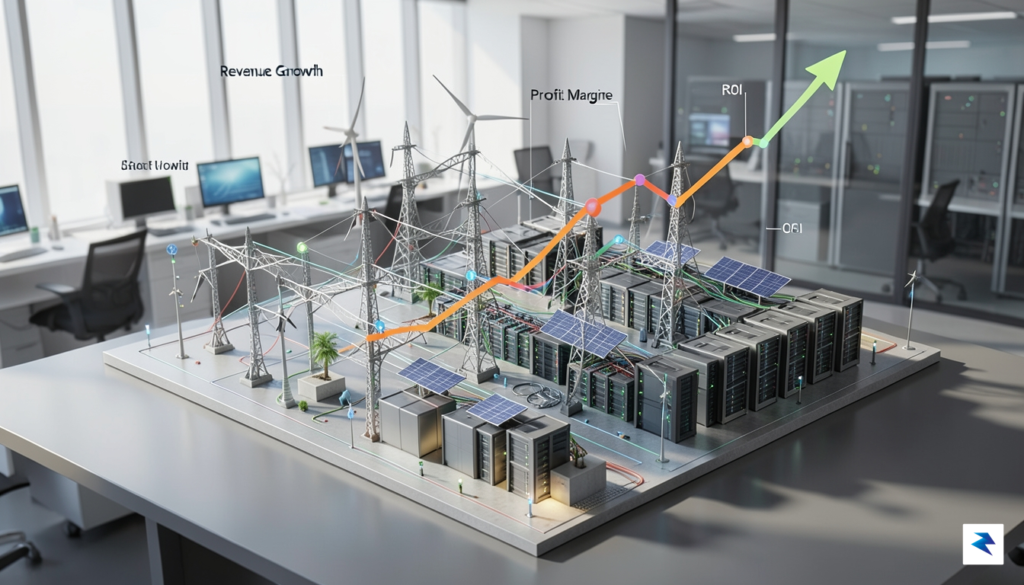
For the past two years, the venture capital landscape has been almost exclusively fixated on the application layer of artificial intelligence. Investors have poured billions into large language model labs and sleek, consumer-facing software wrappers that sit atop existing neural networks. However, as the initial novelty of generative AI gives way to the practical demands of enterprise-scale deployment, a significant shift is occurring. Smart money is moving away from the crowded, high-churn world of application software and toward the foundational “picks and shovels” of the AI revolution: the physical and technical infrastructure required to sustain it.
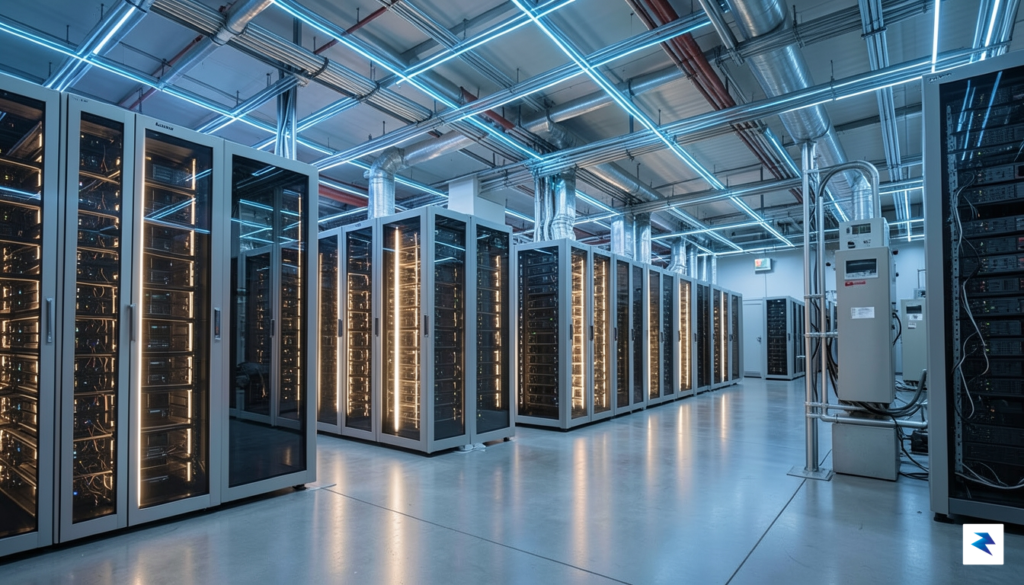
The distinction between these two strategies is fundamental to understanding future returns. Investing in the application layer is essentially a bet on market adoption and user retention, which are notoriously volatile and difficult to defend against incumbents. In contrast, investing in the infrastructure layer—the physical hardware, proprietary cooling technologies, and modular data center designs—offers a more durable moat. By owning the underlying stack, firms are positioning themselves as essential service providers to the entire AI ecosystem, rather than mere participants in a single product cycle. This move represents a pivot toward tangible assets that provide real-world utility, effectively insulating investors from the inevitable “AI bubble” corrections that often plague consumer software.
The most sustainable returns are no longer found in the code that writes poetry, but in the power grids, thermal management systems, and specialized chip architecture that make that computation possible at scale.
Furthermore, the risk-reward profile of infrastructure investing is fundamentally different from traditional venture models. While capital requirements for physical assets are significantly higher, the barrier to entry is equally steep, which protects early movers from rapid commoditization. This is particularly relevant when considering the role of sustainability in future-proofing these investments. Massive compute requirements are pushing energy demands to unprecedented levels, making energy-efficient infrastructure a prerequisite for longevity. Investors who prioritize sustainable energy generation and heat-mitigation technologies are not just checking a corporate social responsibility box; they are solving the primary bottleneck that threatens to stall the entire industry’s growth.
Ultimately, the transition toward infrastructure-focused venture capital suggests a maturation of the AI market. As the industry moves from the experimental phase to the industrialization phase, the winners will be those who control the environment in which intelligence is generated. By focusing on the physical backbone of the digital economy, visionary firms are acknowledging that while applications may come and go, the demand for reliable, scalable, and sustainable compute capacity is only set to accelerate over the next decade.

The departure of Ashton Kutcher from Sound Ventures to partner with Morgan Beller signifies more than just a routine leadership reshuffle in Silicon Valley; it acts as a definitive bellwether for a shifting venture capital landscape. As the initial speculative fervor surrounding generative AI begins to cool, the industry is witnessing a transition from the era of “move fast and break things” to a period of rigorous industrial discipline. Investors are increasingly pivoting away from shallow application-layer startups that rely on wrapper technologies, shifting their gaze instead toward the foundational architecture that sustains the intelligence revolution. This move suggests that the future of high-stakes investment will no longer be determined by who has the flashiest user interface, but by who controls the essential, raw infrastructure required to power the next generation of artificial intelligence.
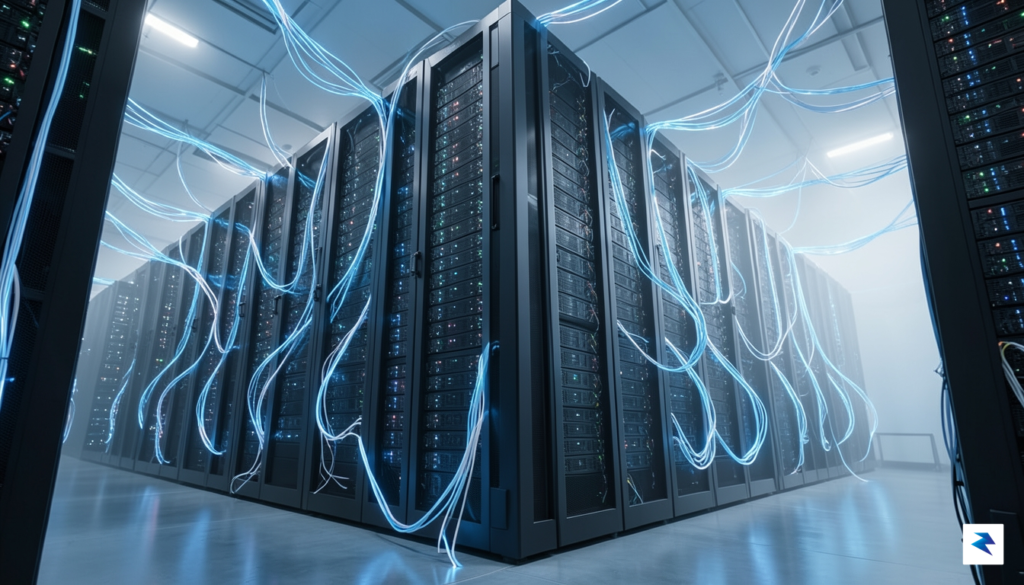
We are currently entering a phase where the winners will be defined by their ability to solve the bottleneck of compute, energy efficiency, and data sovereignty. As Kutcher and Beller realign their focus, they are likely anticipating that the “AI bubble” is maturing into a more sustainable, utility-driven market. This transition emphasizes that the real value lies in the hardware, the proprietary data pipelines, and the massive energy grids that support large-scale neural networks. By moving toward this “industrial-grade” investment thesis, the pair is positioning themselves at the center of the next major tech cycle, where infrastructure providers become the new blue-chip giants of the digital age.
The next decade of venture capital will be defined not by the software that sits on the screen, but by the physical and logistical infrastructure that makes digital intelligence possible.
For the broader tech industry, this move underscores a growing consensus that the era of easy capital for superficial AI projects is reaching its natural conclusion. Investors are demanding higher levels of tangible utility and defensibility, favoring companies that can prove they are building the “picks and shovels” of the AI gold rush. This shift in strategy is expected to influence other venture firms to reallocate their portfolios, potentially cooling down valuations for consumer-facing apps while driving a massive surge in funding for semiconductor development, advanced cooling systems, and decentralized energy solutions. Ultimately, the Kutcher-Beller firm is placing a calculated bet that the long-term winners in technology will be those who control the raw power—quite literally—required to keep the global intelligence infrastructure running.
You must be logged in to post a comment.