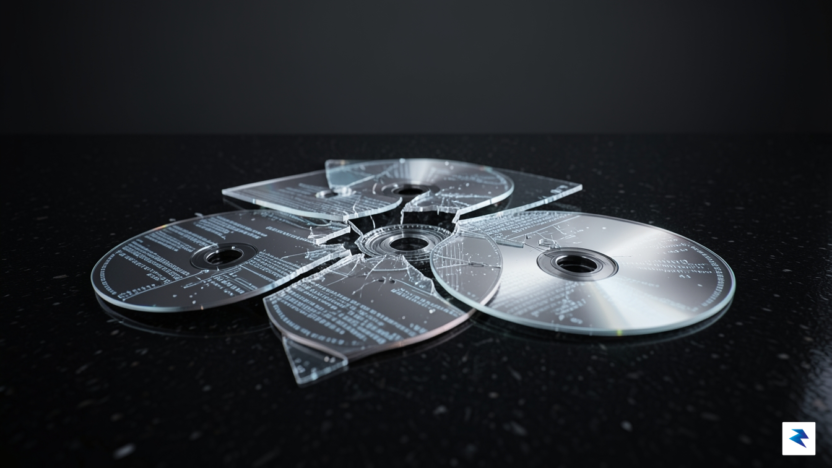
The End of the Physical Era: A Shift in PlayStation Strategy

The gaming landscape is currently bracing for a monumental transformation, as Sony’s recent roadmap confirms that the production of physical game discs will be phased out entirely by 2028. This decision marks the definitive end of an era that began with the original PlayStation in 1994, a period where the tactile experience of swapping discs and building physical collections defined the very identity of the console gamer. For over three decades, optical media has served as the backbone of the PlayStation ecosystem, providing a reliable, tangible way for players to own, trade, and preserve their digital libraries. By moving to a strictly digital-only distribution model, Sony is not merely changing how games are delivered; they are fundamentally altering the relationship between the consumer and their software.
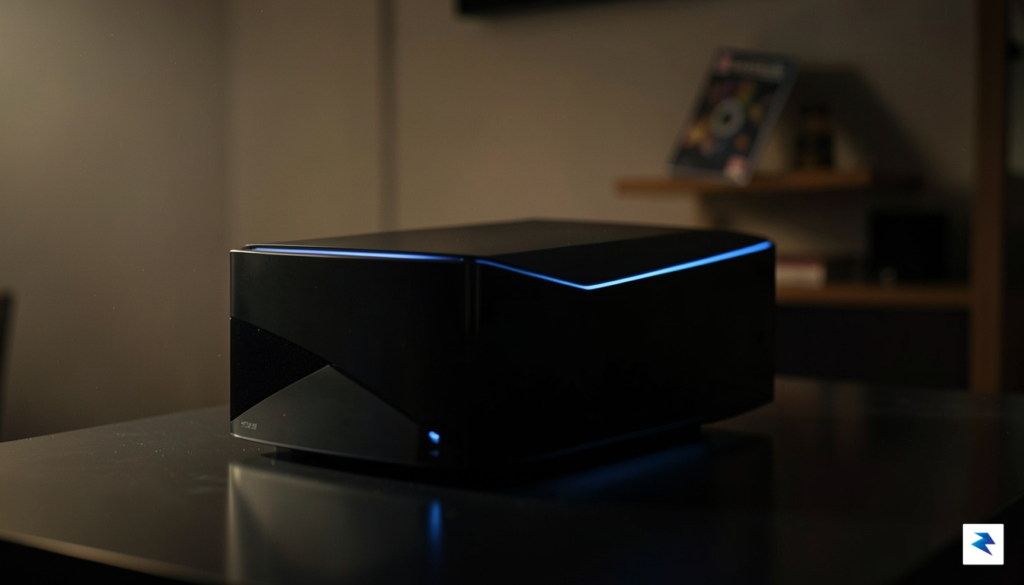
Sony’s justifications for this seismic shift center on the increasing efficiency of digital infrastructure and the global transition toward cloud-based gaming services. Proponents of this strategy point to the convenience of instant downloads, the removal of physical manufacturing costs, and the streamlined ability to push real-time updates directly to the user. However, this transition ignores the long-standing consumer preference for physical media, which has historically acted as a safeguard against digital storefront closures and licensing disputes. When players purchase a physical disc, they hold a piece of software that can be played offline, shared with friends, or resold on the secondary market—freedoms that are increasingly restricted under the new digital-first paradigm.
The move toward a digital-only future forces gamers to transition from being owners of their software to merely being licensed subscribers at the mercy of platform-holder policies.
The industry-wide shift toward digital distribution has been accelerating for years, yet Sony’s hard deadline of 2028 serves as a wake-up call for the entire gaming community. While companies argue that this move is necessary to support the immense data requirements of modern high-fidelity titles, it creates a precarious situation regarding digital preservation and the longevity of older games. Without physical media, the history of gaming becomes entirely dependent on the servers maintained by a single corporation. As we look toward this inevitable deadline, we must ask whether the convenience of a digital download is truly worth the loss of agency that comes with abandoning the physical formats that have sustained the medium for generations.
The Hidden Vulnerabilities of Digital-Only Libraries

The transition toward an all-digital gaming ecosystem is often marketed as a frictionless upgrade, promising instant access and the elimination of shelf clutter. However, this convenience rests upon a fragile foundation of server-side permissions and corporate licensing agreements that can vanish at any moment. Unlike physical media, which grants the consumer a tangible object that works independently of a network connection, digital titles are essentially long-term rental agreements masquerading as ownership. When a storefront’s servers go offline, or if a publisher decides to pull a title from the digital marketplace, the consumer is left with no recourse to reclaim the content they ostensibly purchased.
A primary concern for the modern collector is the phenomenon of “delisting,” where games are removed from digital storefronts due to expired music licenses, server shutdowns for multiplayer-only titles, or shifting corporate priorities. Once a game is removed from the digital store, it often becomes impossible to re-download even if you previously owned it, effectively erasing the software from existence for new and existing users alike. This creates a scenario where the history of the medium is at the mercy of bureaucratic whims rather than the preservation of culture. Furthermore, regional licensing restrictions can abruptly lock users out of their libraries if they move to a different country or if a publisher decides to restrict access to specific geographic territories, rendering your entire digital collection inaccessible overnight.

Beyond the threat of total removal, there is the persistent issue of server dependency and authentication. Even if a game remains in your account, many modern titles require a “handshake” with a remote server to verify your license every time you launch the software. If your internet connection is unstable, or if the publisher decides to decommission the authentication servers for an older title, your library becomes a collection of useless digital keys. This inherent vulnerability contrasts sharply with the permanence of physical discs, which operate locally and offer the user total autonomy over their hardware.
True ownership is defined by the ability to access and utilize your property without the permission of a third party; in the digital age, that autonomy is being quietly eroded.
Ultimately, by shifting to an exclusively digital model, the gaming industry is moving away from a model of ownership toward a model of subscription-based access. When users lose the ability to trade, sell, or preserve their games, the power dynamic shifts entirely in favor of the platform holder. Without the tangible safety net provided by physical media, we are not just consumers of games—we are temporary guests in a digital ecosystem that can close its doors at any time.
Preservation and the Death of Digital Ownership
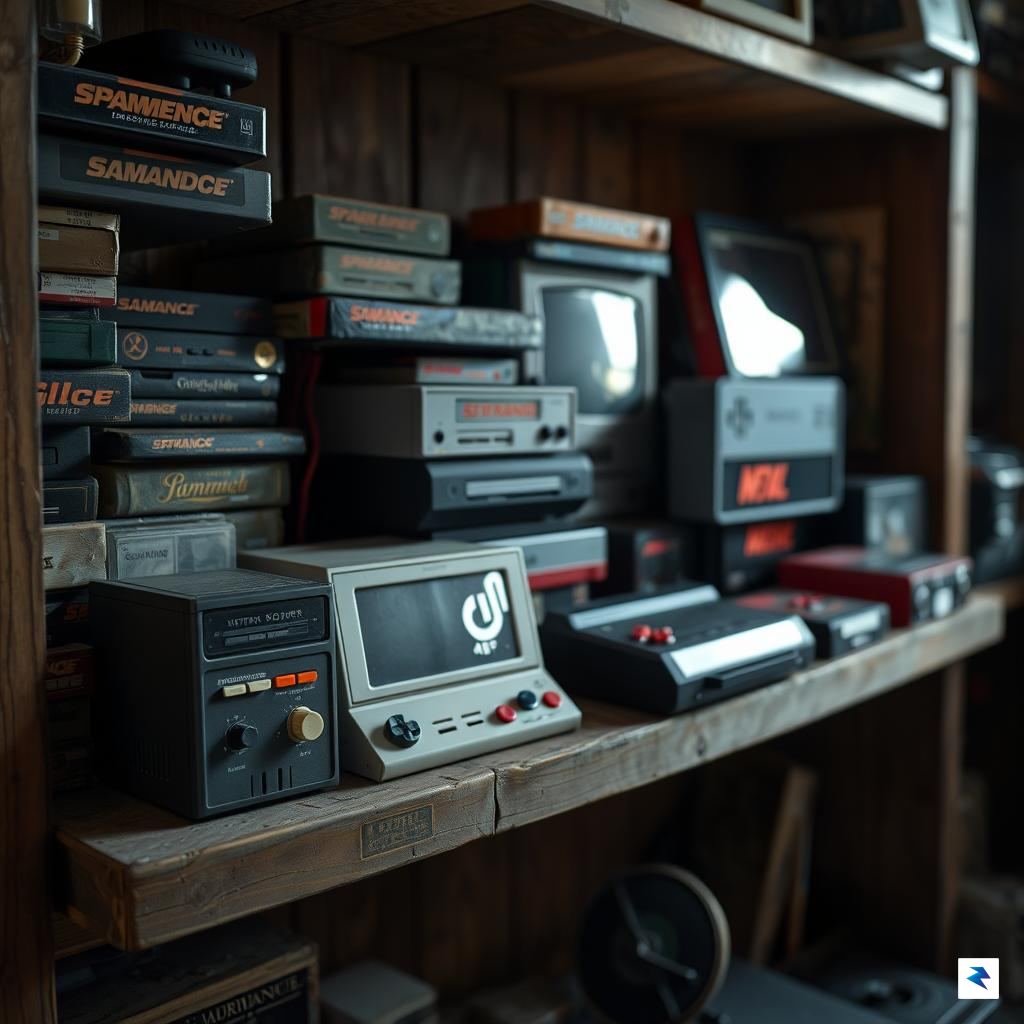
The transition toward a digital-only landscape represents a fundamental shift in the social contract between players and publishers. When you purchase a physical disc, you possess a tangible piece of technology that functions independently of a central server; however, modern digital storefronts operate strictly on a licensing model. This means that when you “buy” a game, you are merely purchasing a revocable right to access that software, a right that can be stripped away at the sole discretion of the corporation. As these digital storefronts become the exclusive gateways to our entertainment, we are effectively trading the permanence of ownership for the fragile convenience of a subscription-like service.
This vulnerability creates a catastrophic scenario for historical preservation. Organizations dedicated to archiving video game history, such as the Video Game History Foundation, face an uphill battle when attempting to save titles that exist solely on proprietary, encrypted servers. Unlike books or films, which can be easily archived and reproduced, digital-only games are often tethered to specific hardware IDs or online authentication protocols that become obsolete the moment a publisher shuts down their backend infrastructure. If these entities do not proactively archive their own back catalogs, the code—and the culture surrounding it—simply evaporates, leaving future generations with nothing but screenshots and memories.
The loss of physical media is not merely a logistical shift; it is the active erasure of cultural history. When a digital game is delisted and its servers are shuttered, it ceases to exist for all of humanity, turning interactive art into a temporary commodity that is disposable by design.
We are currently witnessing the rise of “corporate amnesia,” a phenomenon where game publishers decide that maintaining older titles is no longer profitable, leading them to delete entire digital libraries from existence. Without the physical tether of a disc, there is no secondary market for these games, and no way for players to keep them running on legacy hardware. This creates a dangerous precedent where a company’s quarterly earnings report dictates the lifespan of a cultural artifact. By moving away from physical media, the industry is effectively deciding that video games are not pieces of culture to be preserved for posterity, but rather ephemeral content that should be consumed and discarded as soon as the next product launches.
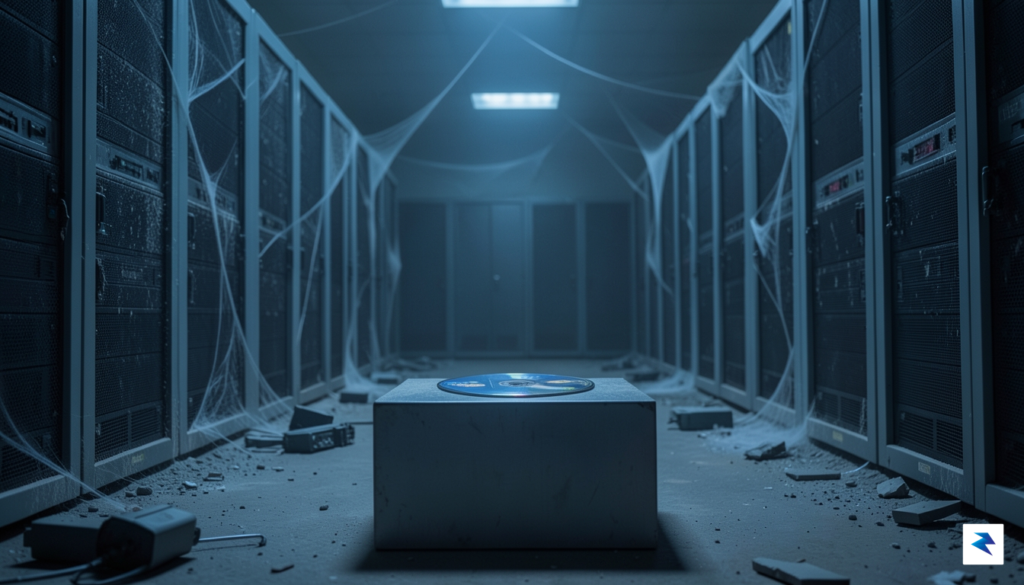
Ultimately, the push toward digital-only distribution forces us to reckon with the fragility of our digital lives. If we allow corporations to dictate the boundaries of ownership, we surrender our ability to curate our own collections and protect the medium from the whims of profit-driven business models. To lose physical media is to lose the ability to own the history we enjoy, placing the entirety of the gaming medium at the mercy of corporate decision-making that prioritizes current fiscal cycles over long-term cultural legacy.
The Economic Impact on Gamers and Collectors
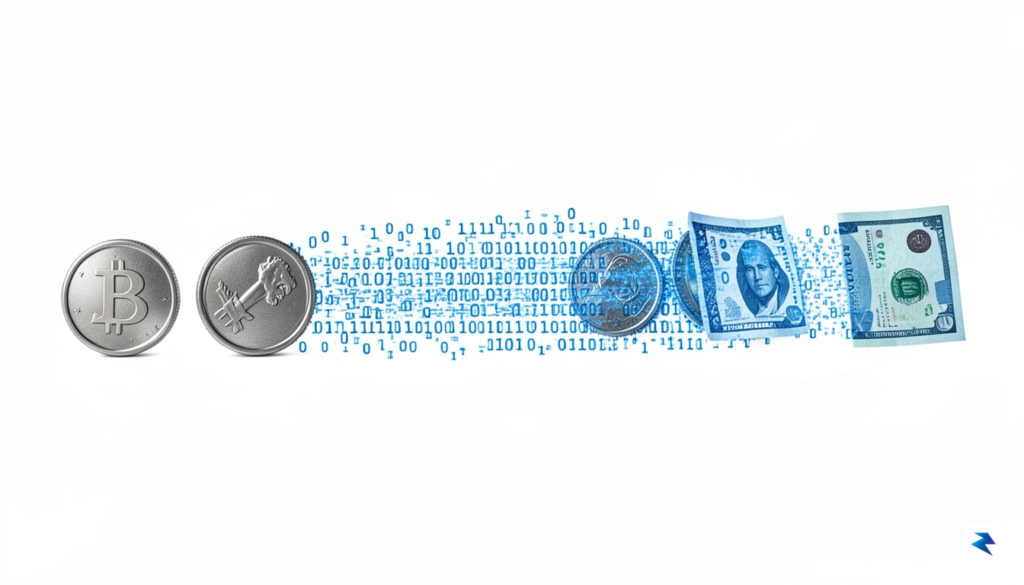
The transition toward a purely digital ecosystem represents a fundamental shift in the power dynamic between corporations and consumers, particularly when it comes to the cost of entry. For decades, the physical game disc has acted as a necessary check on pricing; if a game was too expensive at launch, shoppers could wait for a retail sale or look to the vibrant secondary market. By removing the disc drive from the equation, Sony and other platform holders effectively eliminate the only major competitor to their digital storefronts. Without the ability to trade, sell, or loan games, the consumer loses their primary leverage, leaving them at the mercy of whatever price a digital marketplace dictates at any given moment.

The secondary market—the ability to buy used games from retailers like GameStop or peer-to-peer platforms—has historically been a lifeline for gamers on a budget. When physical copies vanish, this entire economic ecosystem evaporates. Once a digital game is purchased, it is tied to a specific account, rendering it impossible to resell, gift, or trade once the player has completed the experience. This forced obsolescence of the used market doesn’t just hurt the individual gamer’s wallet; it discourages the circulation of software and concentrates all transaction revenue exclusively into the hands of the platform holder. The result is a more expensive hobby where the “cost of ownership” is essentially a permanent, non-refundable subscription to a digital license.
The loss of physical media transforms games from personal property into ephemeral services, stripping consumers of the right to dictate the resale value of their own collections.
For the dedicated collector, the move away from physical media is arguably even more devastating. A physical library is a tangible asset, one that retains value and remains functional long after the servers for a particular console generation go dark. In a digital-only future, your library exists solely at the pleasure of the publisher; if a licensing agreement expires or the digital store is eventually shuttered, those games could simply vanish from your digital locker. Collectors are not just losing the aesthetic pleasure of a shelf full of cases; they are losing the long-term security of their investments. When you buy a disc, you own the medium, but when you buy a digital license, you are merely paying for access—a distinction that will become painfully clear as the digital-only model matures and restricts the consumer’s ability to preserve their gaming history.
What This Means for the Future of Gaming

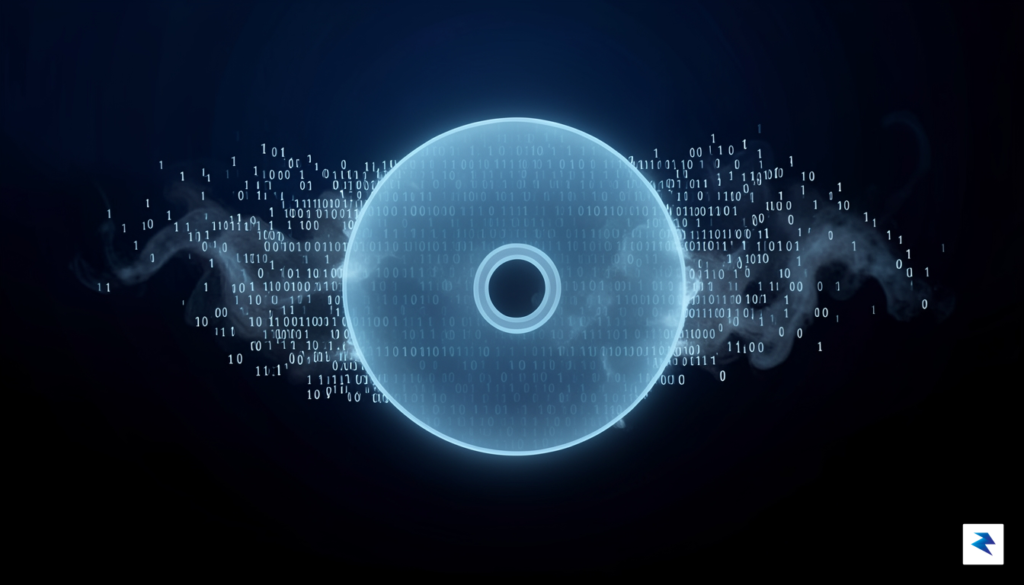
As we march toward an increasingly digital gaming ecosystem, we are forced to confront a precarious reality: the erosion of ownership in favor of perpetual licensing. When we purchase a game on a disc, we possess a tangible asset that functions independently of server status or corporate whims. However, in an all-digital future, our libraries are effectively held hostage by the platforms that host them. If Sony or any other publisher decides to sunset a service, pull a license, or shutter a digital storefront, the history of that software risks being erased overnight. The challenge, therefore, is not merely about convenience; it is about the preservation of gaming as a cultural medium that deserves to be accessible long after the original hardware has gathered dust in an attic.
To protect the future of gaming, the industry must undergo a fundamental shift in how it views consumer rights. We need robust legislation that treats digital games less like “services” and more like property, ensuring that users have a legal pathway to access their purchases even if a platform goes offline. Policymakers should consider digital preservation mandates that require companies to provide “offline modes” or open-source patches for titles before they are retired from active storefronts. Without these guardrails, we are essentially renting our entertainment, and the history of interactive media becomes a fragile collection of ephemeral data points vulnerable to the shifting priorities of multi-billion-dollar corporations.
True preservation cannot rely on the benevolence of corporations; it must be built into the legal and technical foundation of how we own the games we play.
While the major publishers lean into the high-margin world of digital subscriptions and cloud streaming, indie developers continue to play a crucial, unsung role in keeping physical media alive. Many boutique studios have embraced “limited run” physical releases, catering to a passionate community that refuses to let the tangible aspects of gaming vanish. By supporting these smaller, independent efforts, consumers can signal that there is still a significant market for physical goods. Furthermore, the gaming community itself must demand greater transparency regarding digital end-of-life policies, putting pressure on platforms to clarify exactly what happens to our libraries when a console generation concludes.
Ultimately, the value of legacy in gaming is something we cannot afford to lose. Just as physical books and vinyl records allow us to revisit the past, physical game discs serve as an anchor for the medium’s evolution. If we allow convenience to completely eclipse the necessity of ownership, we risk turning gaming into a disposable activity rather than a storied art form. Protecting our digital future requires a collective commitment to accountability, ensuring that the games we love today are still here to be experienced by the players of tomorrow, regardless of what the digital marketplace looks like in a decade.