
Why Honda Is Betting Its Future on Data Centers, Not Just Cars
The Data Center Energy Crisis The meteoric rise of generative artificial intelligence has fundamentally reshaped the landscape of global power…

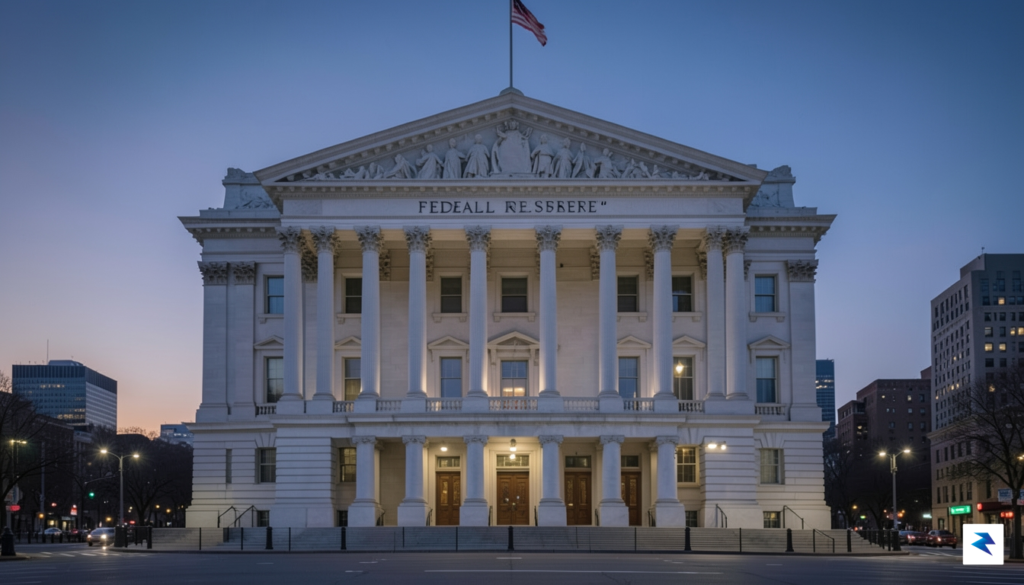
For much of the past year, the atmosphere surrounding Federal Reserve communications was defined by a sense of urgency, with policymakers laser-focused on curbing rampant price increases at almost any cost. However, the narrative has undergone a subtle yet significant transformation in recent weeks, as central bank leadership begins to recalibrate its primary concerns. Where once the rhetoric was dominated by the singular, aggressive pursuit of cooling inflation, we are now seeing a more nuanced dialogue that acknowledges progress in price stability while signaling a growing apprehension regarding the overall health of the labor market and broader economic momentum.
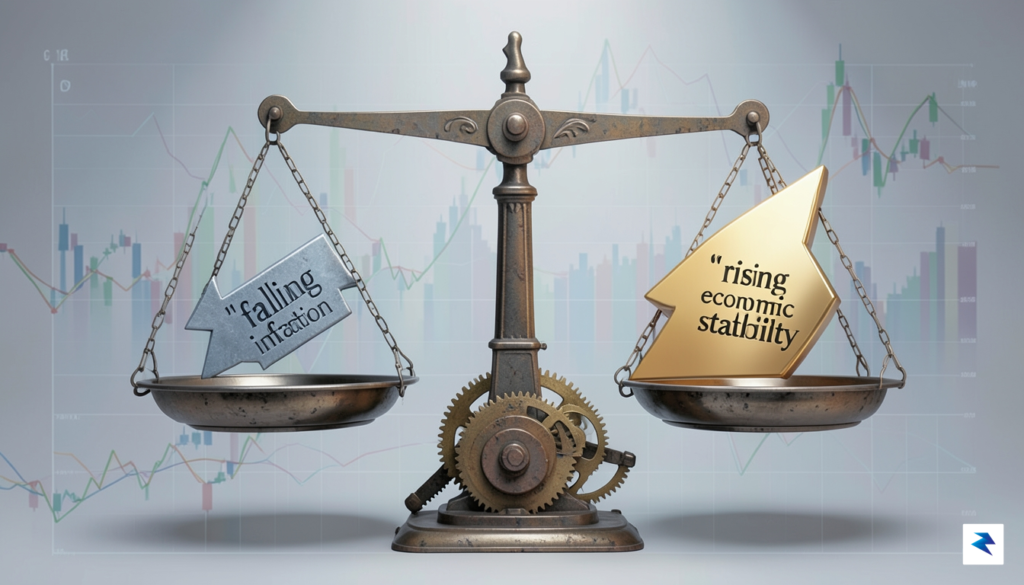
This pivot marks a distinct departure from the alarmist tone that characterized the central bank’s stance throughout the previous tightening cycles. During those periods, the Fed’s messaging left little room for interpretation: inflation was the primary enemy, and interest rates would remain elevated for as long as necessary to break the cycle of rising prices. Today, the conversation has moved away from the fear of runaway costs and toward the delicate task of achieving a “soft landing.” This shift suggests that officials are increasingly confident that the restrictive monetary measures put in place have effectively done their job, allowing the committee to pivot toward a defensive posture intended to prevent an unnecessary economic contraction.
The core of this strategic evolution lies in the belief that the risks to the economy are no longer one-sided; instead of worrying exclusively about inflation, the Fed must now balance that goal against the risk of stifling growth.
There are several fundamental reasons why the “inflation risk” narrative is being downgraded in favor of a focus on stability. First, recent data points regarding consumer spending and wage growth have begun to show signs of cooling, which naturally reduces the likelihood of a wage-price spiral. Second, the cumulative impact of previous rate hikes is finally permeating the economy, and policymakers are wary of the “lag effect” potentially causing a sudden, sharp downturn if they remain too restrictive for too long. By prioritizing economic stability, the Federal Reserve is essentially signaling that it is prepared to shift from being an aggressive combatant against inflation to a vigilant steward of the economy, ready to support growth if the data indicates that the labor market is becoming too fragile.
Ultimately, this changing perspective serves as a vital signal for market participants who have spent months trying to divine the Fed’s next move. By acknowledging that inflation is becoming a manageable variable rather than an existential threat, the central bank is providing much-needed clarity for businesses and households alike. As the focus narrows toward maintaining stability, the conversation will likely revolve around the timing and magnitude of future rate adjustments, marking a new chapter in the post-pandemic economic recovery.
The shifting perspective within the Federal Reserve is not merely a reaction to sentiment but a response to a cooling trend in the key metrics that define our economic health. For much of the past year, the Consumer Price Index (CPI) and the Personal Consumption Expenditures (PCE) index—the Fed’s preferred gauge of inflation—moved in tandem toward levels that signaled a persistent overheating of the economy. However, recent monthly reports have begun to show a deceleration in core inflation, particularly in the categories of goods and services that were previously hampered by post-pandemic supply chain bottlenecks. As these supply-side constraints have eased, the frantic pace of price increases has started to moderate, providing policymakers with empirical evidence that the tightening cycle is effectively dampening inflationary pressure without triggering an immediate collapse in consumer spending.
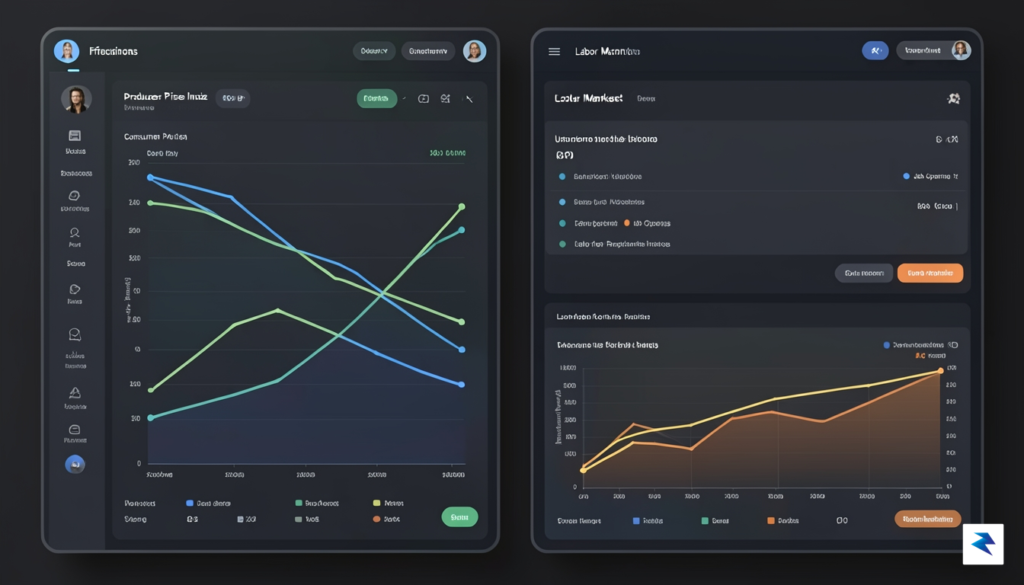
A critical component of this evolving outlook is the stabilization of the labor market, which remains the primary engine of aggregate demand. For a significant period, the economy exhibited an unsustainable level of labor tightness, characterized by an abundance of job openings and rapid wage growth that threatened to fuel a wage-price spiral. Today, we are witnessing a more balanced labor market where the ratio of vacancies to unemployed persons has narrowed significantly, cooling the upward pressure on wages. This cooling is essential for achieving long-term price stability, which the Fed defines not as a zero-inflation environment, but as a predictable and steady growth rate that allows businesses and households to plan for the future with confidence.
Achieving price stability in the current environment is less about suppressing activity and more about aligning the velocity of demand with the economy’s underlying productive capacity.
Ultimately, the Federal Reserve’s newfound confidence stems from the delicate balancing act between restrictive monetary policy and economic resilience. By maintaining higher interest rates, the central bank has successfully tempered the excessive demand that characterized the immediate post-pandemic recovery. As the economy transitions into this new phase, the focus shifts toward maintaining a soft landing where inflation can return to the target of 2% without the need for drastic, disruptive policy shifts. This nuanced reality suggests that while the battle against inflation is far from over, the structural environment is far more hospitable to a controlled return to normalcy than it was just a few months ago.
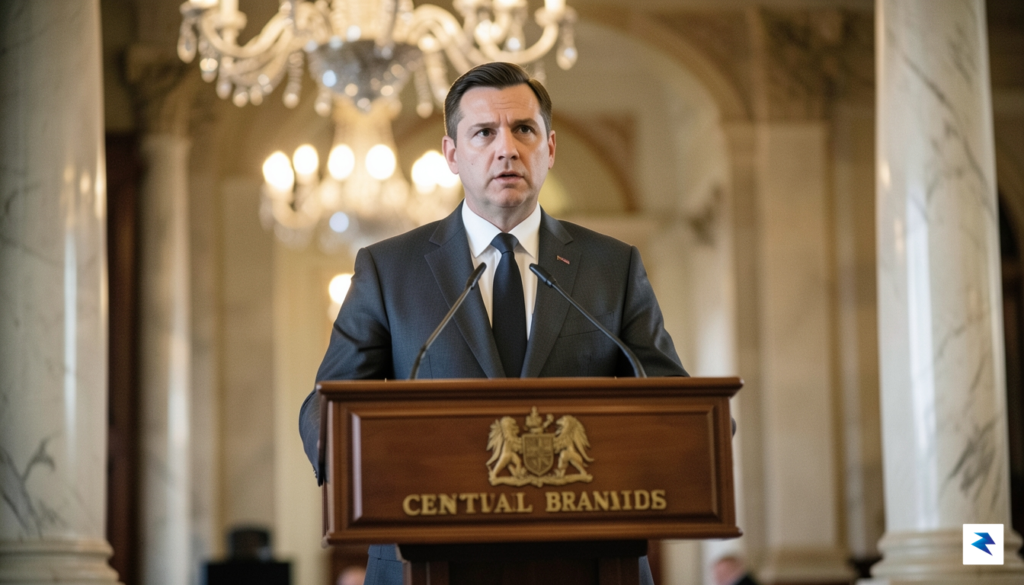
Kevin Warsh has long been regarded as a central figure who views the Federal Reserve’s dual mandate through a lens of disciplined, almost structural, adherence to price stability. Throughout his tenure and ongoing influence within policy circles, he has consistently signaled that keeping inflation in check is not merely a technical objective but the fundamental bedrock upon which all other economic successes must be built. By treating price stability as his “north star,” Warsh advocates for a monetary philosophy that prioritizes long-term institutional credibility over the allure of short-term political expediency. This approach reflects his belief that the Fed’s primary utility to the public is its ability to serve as a reliable anchor for the value of money, regardless of the shifting tides of external political pressure or market volatility.
His repeated emphasis on price stability acts as a sophisticated communication tool, designed to anchor market expectations before they become unmoored. By consistently prioritizing this metric, Warsh effectively narrows the range of uncertainty for investors, lenders, and consumers alike. When a policymaker of his stature highlights that inflationary risks have moderated, it serves as a signal that the institution is actively monitoring the health of the economy without abandoning its core mission. This transparency is crucial; it helps prevent the formation of inflationary spirals by ensuring that the public understands the Fed’s reaction function remains tethered to data, rather than to reactionary impulses or the influence of partisan rhetoric.

Ultimately, the credibility of the Federal Reserve hinges on the consistency of its leadership, and Warsh’s philosophy positions the institution as an impartial guardian of economic order. His willingness to address inflation as a manageable risk—rather than an existential crisis—demonstrates a measured confidence that reinforces public trust. When the Fed communicates with this level of clarity, it fosters an environment where businesses can plan for the future with greater certainty, knowing that the central bank will not waver in its commitment to maintaining purchasing power. Under this framework, the objective of price stability is elevated from a mere policy target to a foundational principle of governance, ensuring that the economy remains resilient even when facing complex global headwinds.
The core of effective monetary policy lies in the predictability of the central bank’s commitment to its mandate, ensuring that inflation remains a background factor rather than a disruptive force in daily economic life.
In essence, Warsh’s approach underscores that while the economy may fluctuate, the principles governing the Fed must remain steadfast. By maintaining this focus, he helps ensure that the institution retains its autonomy and, more importantly, its effectiveness in fulfilling its role as a steward of national prosperity. For the general public, this translates into a more stable economic environment, where the focus remains on growth and employment, underpinned by the reassuring knowledge that the guardians of monetary policy are watching the horizon with a disciplined eye.

The recent shift in the Federal Reserve’s tone, marked by a growing confidence that inflationary pressures are beginning to subside, suggests a pivotal turning point for the broader U.S. economy. For months, the primary concern among policymakers and market participants alike was the potential for a “hard landing”—a scenario where aggressive interest rate hikes intended to curb inflation inadvertently trigger a sharp economic contraction. However, as the rhetoric pivots toward a more balanced risk assessment, the probability of achieving a soft landing appears to be increasing. This transition implies that the Fed may soon have the flexibility to recalibrate its restrictive monetary policy, potentially easing the upward pressure on borrowing costs that has weighed heavily on both consumers and businesses over the past year.
The implications of this policy shift extend deep into the credit markets, where expectations for future interest rates are already beginning to adjust. As investors recalibrate their portfolios in anticipation of a potential plateau or future reduction in the federal funds rate, we are likely to see a corresponding effect on long-term lending products, including mortgage rates and corporate debt financing. While the housing market has struggled under the weight of elevated borrowing costs, a stabilization in rate expectations could provide much-needed breathing room for prospective homebuyers and developers alike. Simultaneously, corporate lending, which has faced a period of stringent credit conditions, may benefit from a more predictable interest rate environment, allowing businesses to resume capital expenditures that were previously sidelined due to fiscal uncertainty.

The stabilization of interest rate expectations serves as a critical bridge between current fiscal tightening and future economic growth, providing the clarity businesses need to commit to long-term investment strategies.
Beyond the technical mechanics of the credit markets, the Federal Reserve’s communication strategy plays a vital role in shaping consumer sentiment and long-term investment planning. When the Fed signals that the worst of the inflationary cycle may be behind us, it serves as a powerful psychological catalyst, helping to anchor inflation expectations among the public and the business community. This, in turn, can foster a more stable environment for wage growth and consumer spending. For households, this means less anxiety regarding the erosion of purchasing power, while for investors, it suggests that the current cycle of volatility may be giving way to a more predictable, albeit slower, growth trajectory. By effectively managing these expectations, the central bank is not just adjusting rates; it is actively working to preserve the momentum of the American economy as it navigates the final stages of this inflationary cooling period.

Financial markets have greeted the recent recalibration of Fed rhetoric with a measurable, albeit guarded, sense of optimism. As investors digest the cooling narrative surrounding inflation, bond yields have begun to retreat from their recent peaks, reflecting a growing consensus that the era of aggressive, unyielding rate hikes may be finding its equilibrium. This stabilization in the Treasury market is particularly significant, as it provides a clearer benchmark for corporate borrowing costs and mortgage rates, effectively removing some of the volatility premium that had plagued equity valuations throughout the previous quarter.
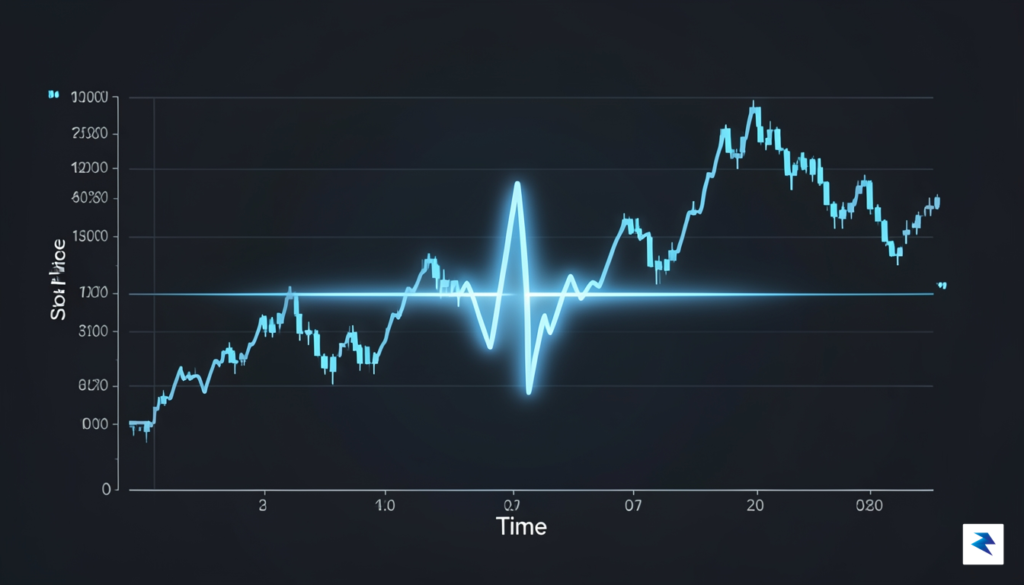
Equities have responded to this shift with a disciplined rally, signaling that investors are finally feeling a sense of relief as the “higher for longer” narrative loses some of its edge. While the broader indices have shown resilience, this optimism is far from blind; market participants are carefully distinguishing between companies with robust balance sheets and those overly reliant on cheap credit. This bifurcation underscores a maturing market environment where the focus has shifted from macro-level fear to micro-level fundamentals. Investors are no longer merely betting on the direction of interest rates, but are instead positioning themselves to thrive in a landscape where inflation is viewed as manageable rather than rampant.
Looking toward the upcoming FOMC meetings, the central bank’s communication strategy is expected to remain intentionally ambiguous, emphasizing a data-dependent path that avoids painting the committee into a corner. We should anticipate future Fed statements to highlight the nuance between “easing concerns” and “mission accomplished,” ensuring that the door remains open for policy adjustments should economic indicators unexpectedly pivot. The Fed will likely prioritize flexibility over firm commitments, allowing them to react to employment data and consumer price indices in real-time.
In the current economic climate, agility is not just a tactical advantage—it is a fundamental necessity for portfolio preservation.
Ultimately, the takeaway for those managing capital is that while the immediate pressure from inflation may be subsiding, the volatility inherent in a data-dependent regime remains high. Relying on rigid, long-term forecasts is increasingly risky in an environment where a single jobs report or geopolitical shock can alter the Fed’s trajectory overnight. Maintaining a diversified, responsive investment strategy that accounts for multiple policy outcomes will be essential for navigating the remaining months of the fiscal year. By balancing this newfound optimism with a healthy degree of caution, investors can better position themselves to capitalize on recovery trends while remaining shielded from sudden policy shifts.
You must be logged in to post a comment.