
Motorola’s New Built-In eSIM: The End of International Roaming Headaches
The Evolution of Travel Connectivity For decades, the ritual of international travel was inextricably linked to a specific kind of digital…
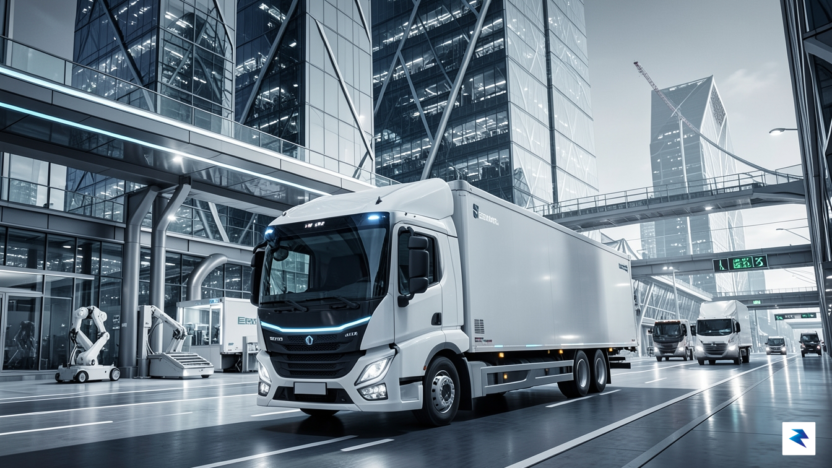
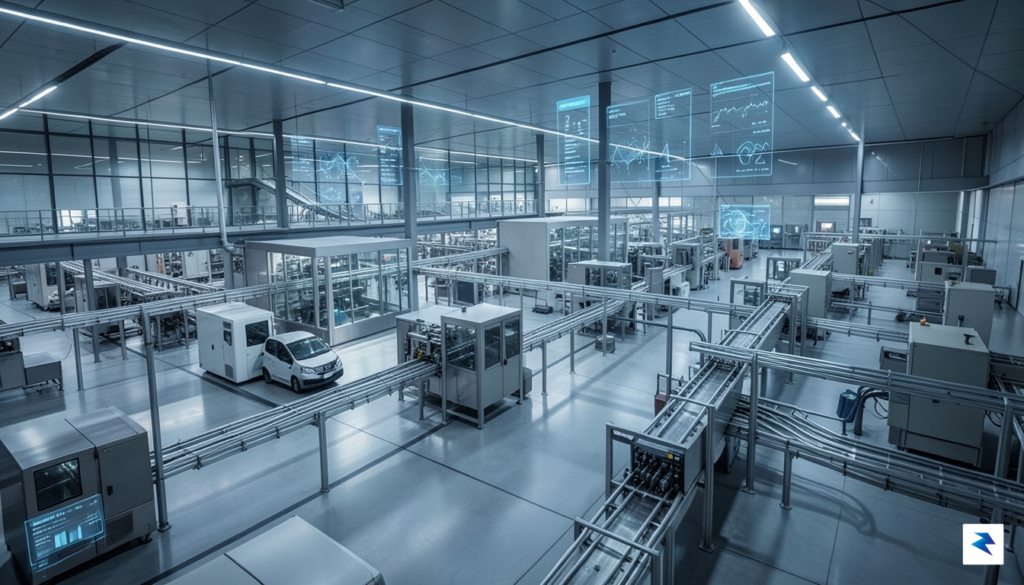
The current landscape of autonomous technology feels eerily familiar to those who witnessed the frantic investment cycle of 2016. During that initial gold rush, venture capitalists poured billions into self-driving startups, fueled by the intoxicating promise of robotaxis appearing on every street corner within a few short years. However, that era was defined by aggressive projections that ultimately collided with the harsh reality of “edge cases”—the unpredictable, chaotic nuances of human driving that software struggled to process. When the expected widespread deployment failed to materialize, the industry suffered a protracted “winter” of skepticism, where capital dried up and the collective enthusiasm for autonomous systems faced a sobering correction.
Yet, the narrative has shifted dramatically in recent months as the sector experiences a clear, second-wave resurgence. Unlike the speculative fervor of the mid-2010s, the current influx of capital is directed toward more pragmatic, high-utility environments. Investors are no longer chasing the dream of a universal autonomous car for every consumer; instead, they are backing companies that focus on constrained, high-value domains like long-haul freight and logistics. This psychological pivot reflects a more mature understanding of machine learning: the industry has moved away from the “all-or-nothing” approach to autonomy and toward a model that prioritizes incremental, measurable economic returns.
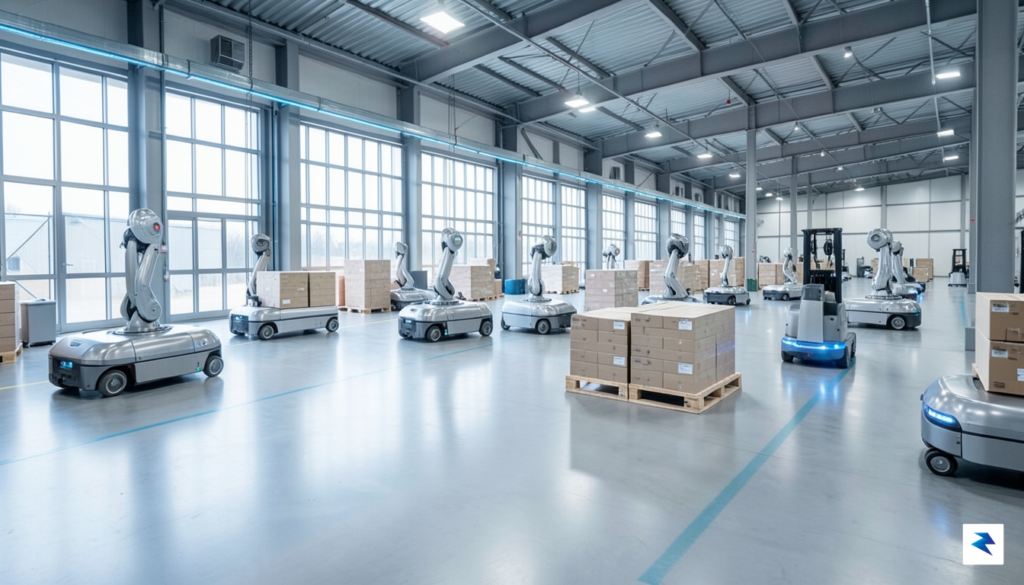
Technological maturity is the primary factor distinguishing this renaissance from the bubble of the past. Today’s systems benefit from significantly more powerful neural networks, vastly improved sensor fusion, and the massive data sets harvested during the industry’s experimental years. We are no longer operating on the limitations of early-stage computer vision; instead, engineers are utilizing foundation models and generative AI to better interpret complex environments. This deeper technical foundation allows modern autonomous systems to handle the predictability of highway freight with a level of safety and reliability that was simply unattainable a decade ago.
The difference between the first wave and the second is the shift from “moonshot” ambition to “economic” necessity. Modern autonomous freight is being built to solve the immediate problem of supply chain efficiency, not just to prove that a car can drive itself.
Furthermore, the workforce has undergone a transformation that mirrors the technological progress. The brightest engineering minds, who once flocked to broad-spectrum research labs, are now gravitating toward companies like Humble Robotics, which apply advanced robotics to the specific, grinding pain points of the logistics sector. By narrowing the scope of the mission, these companies are effectively insulating themselves from the volatility of general-purpose autonomy. This strategic focus has restored investor confidence, as the goal is no longer to replace the entire human driving experience, but to augment the freight industry where it is most prone to labor shortages and operational bottlenecks.
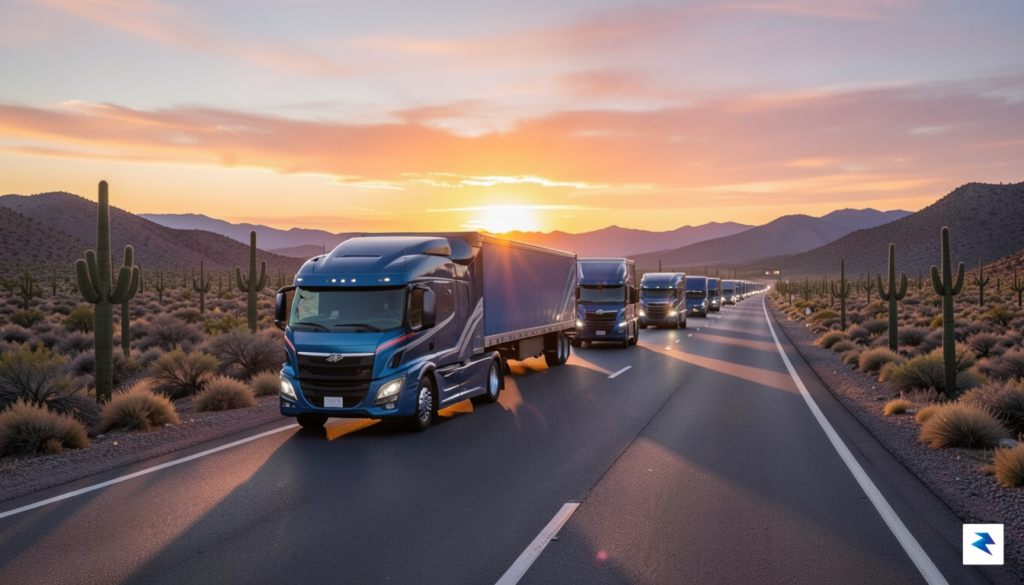
For years, the promise of autonomous technology was tethered to the chaotic, unpredictable world of urban passenger transport. Developing a robotaxi capable of navigating unpredictable pedestrians, erratic cyclists, and complex intersections in high-density city centers proved to be a nearly insurmountable technical hurdle. However, the industry is now pivoting toward a more pragmatic application: the structured, high-stakes world of freight logistics. By shifting focus from the unpredictable “last mile” of passenger travel to the steady, rhythmic demands of commercial trucking, autonomous developers are finding a pathway that is not only technologically feasible but also economically urgent.
The trucking industry currently faces a perfect storm of operational challenges that makes automation an attractive solution. Persistent driver shortages have reached critical levels, exacerbated by an aging workforce and the grueling nature of long-haul transport. Furthermore, the volatility of fuel costs and the constant pressure to optimize supply chain efficiency have created a massive appetite for technology that can keep wheels turning for longer hours without the limitations of human fatigue. Unlike the consumer market, where autonomy is often viewed as a luxury feature, the freight sector views autonomous systems as a core operational necessity that directly impacts the bottom line.
The “middle-mile”—the transport of goods between warehouses, distribution centers, and regional hubs—presents a much more manageable operating environment than the labyrinthine streets of a major city. These routes predominantly consist of predictable, high-speed highway travel, which is significantly easier for current sensor suites and artificial intelligence to process. Because these trucks operate on dedicated, well-mapped transit corridors, they are shielded from the extreme variability of neighborhood traffic. This predictability allows autonomous systems to master their environments with greater precision, reducing the risk profile while simultaneously increasing the consistency of delivery schedules.
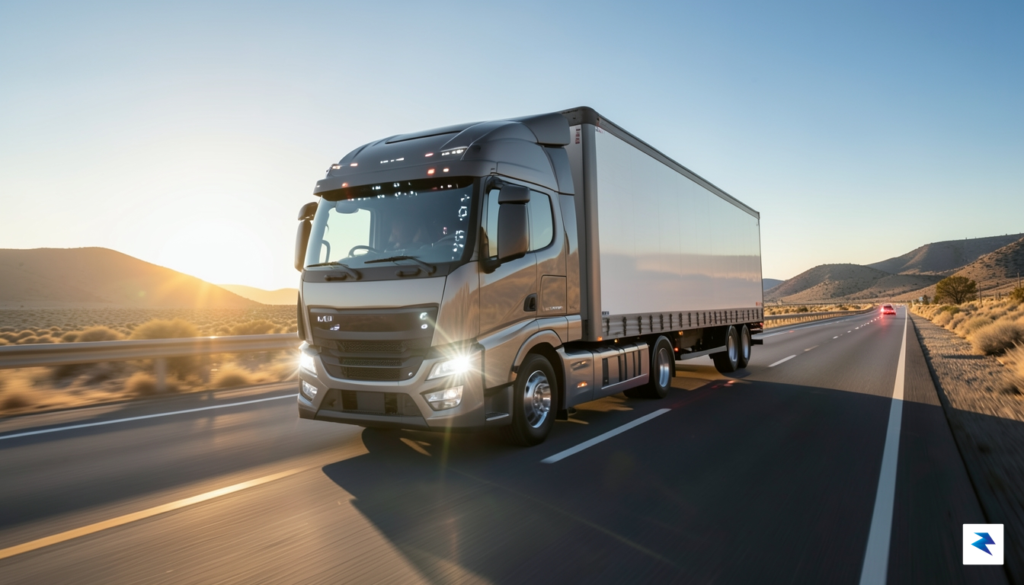
Beyond the technical ease of highway navigation, the financial argument for autonomous freight is immediate and compelling. Companies that invest in automated trucking can unlock substantial return on investment through improved fuel economy, optimized routing, and the ability to operate vehicles around the clock. In an industry where profit margins are often razor-thin, the cost savings associated with automated freight are not just incremental improvements; they represent a fundamental shift in how goods are moved globally. By removing the constraints of human labor hours, logistics providers can achieve a level of operational throughput that was previously impossible, effectively turning the autonomous truck into a high-efficiency asset that never needs to sleep.
The transition toward autonomous freight represents a pivot from solving for the unpredictable behaviors of humans in city centers to optimizing the highly repeatable, data-driven movements of global supply chains.
Ultimately, this second wave of robotics is defined by a newfound focus on economic viability rather than speculative innovation. By aligning autonomous capability with the specific, high-demand pain points of the logistics industry, companies like Humble Robotics are moving beyond the hype cycle. They are building tools that address a genuine market failure, proving that the most successful robotics applications are not those that try to replicate human life in the city, but those that master the essential, repetitive machinery of modern global commerce.

The mid-2010s were defined by a relentless wave of optimism that promised a world of driverless taxis and fully autonomous long-haul trucks arriving in the blink of an eye. During this era, the industry was captivated by the siren song of “Level 5” autonomy—a theoretical state where vehicles would navigate any environment without human intervention, regardless of weather or road conditions. Unfortunately, this pursuit was largely fueled by venture capital-backed speculation rather than pragmatic engineering. Companies raced to show off flashy, high-profile demonstrations in controlled settings, leading to a disconnect between the polished PR campaigns and the gritty, unpredictable reality of daily logistics. When the promised breakthroughs failed to materialize on schedule, the industry hit a wall of skepticism, regulatory scrutiny, and the cold realization that edge cases—those rare, dangerous driving scenarios—could not be solved through brute-force data collection alone.
Today, the narrative has shifted from the pursuit of a “magic bullet” technology to a focus on incremental, modular automation that delivers immediate value. Modern leaders in the freight space have abandoned the idea that a single system must handle every aspect of the supply chain. Instead, they are prioritizing specific operational environments, such as highway platooning or geofenced distribution centers, where the variables are controlled and the safety protocols are rigorous. By narrowing the scope of autonomy to well-defined tasks, developers can ensure that the technology is not just functional, but reliable enough to earn the trust of stakeholders and regulators alike. This pivot away from speculative, generalized AI toward specialized, task-oriented robotics marks a maturation of the entire sector.
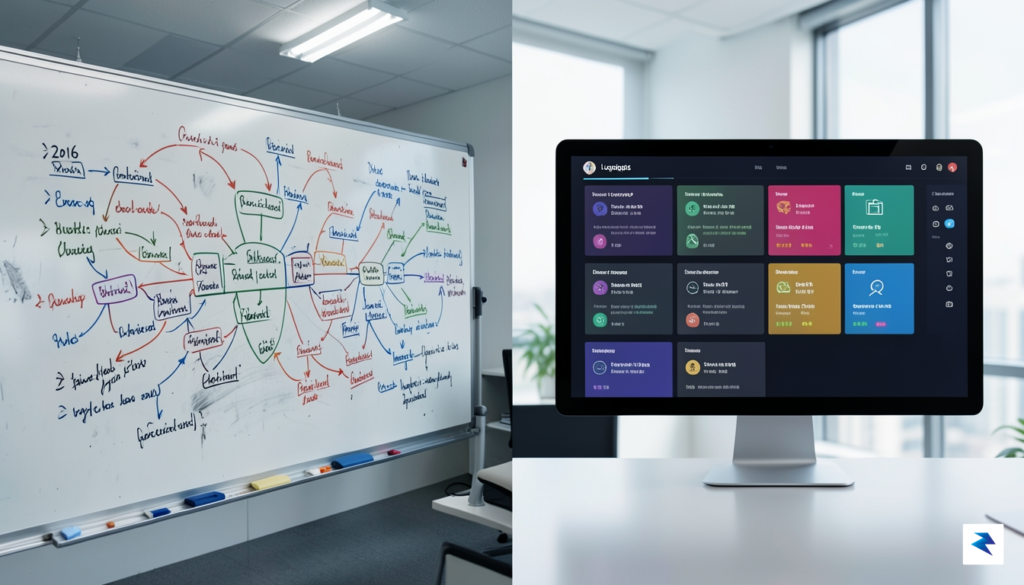
The true measure of a robotic breakthrough is no longer how many miles it can log in a simulation, but how effectively it can reduce the cost-per-mile for a real-world freight operator.
Ultimately, the current movement in autonomous freight is governed by a newfound obsession with unit economics. In the previous cycle, companies often spent millions to showcase a technological feat that lacked a clear path to profitability. Now, the emphasis is firmly on solving the “trucking gap”—the acute shortage of drivers and the inefficiency of current loading and transit cycles—by integrating robotics into existing workflows in ways that pay for themselves. By focusing on sustainable business models rather than chasing the headlines of universal autonomy, companies like Humble Robotics are proving that the second wave of automation isn’t about replacing human intuition entirely; it is about providing the tools that make the entire supply chain more resilient, efficient, and economically viable.
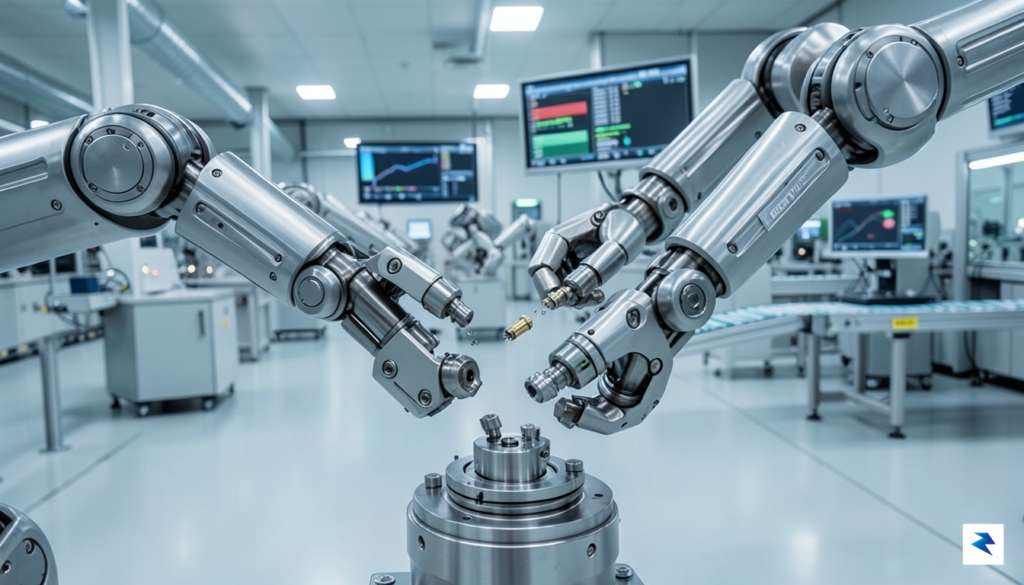
The current landscape of autonomous technology is undergoing a profound transformation, moving away from the “moonshot” mentality that defined the previous decade and toward a more sober, utility-driven philosophy. Humble Robotics stands at the vanguard of this shift, embodying a new breed of firm that prioritizes pragmatic scalability over the promise of science-fiction-level autonomy. Rather than attempting to solve the unsolvable problem of human-level intelligence in every conceivable environment, companies like Humble Robotics are focusing their engineering efforts on the specific, grinding complexities of the modern supply chain. By embedding themselves within existing freight workflows, they are proving that automation is most effective when it complements human labor rather than attempting to displace it entirely.
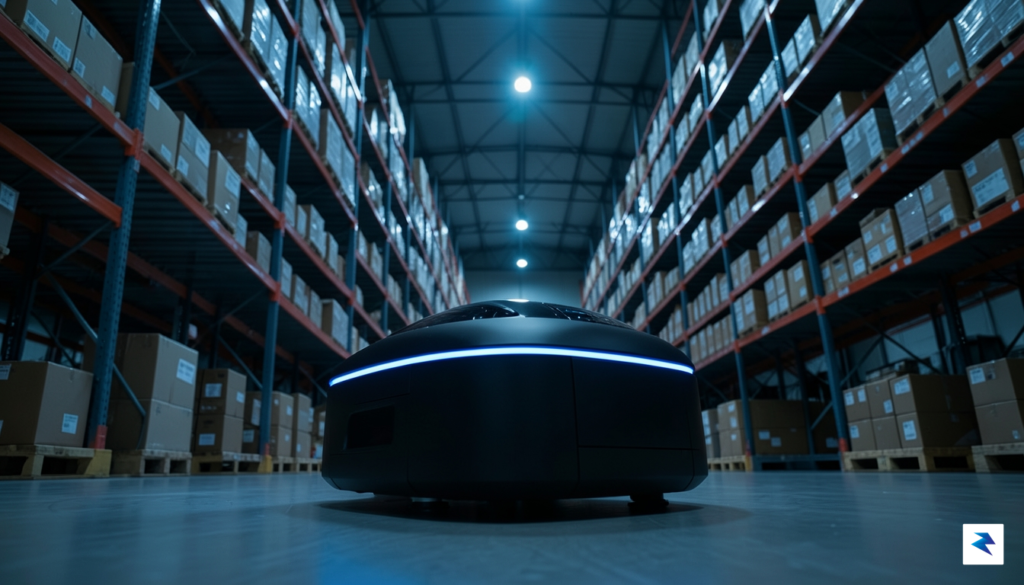
Their business model reflects a deep understanding of the economic realities that have historically derailed robotics startups. Instead of burning through venture capital in a race to build a proprietary, all-encompassing vehicle, Humble Robotics focuses on modular, manageable integrations that offer immediate return on investment for logistics providers. By targeting specific, high-friction pain points—such as loading dock efficiency or repetitive warehouse transit—they create value that is measurable and tangible. This approach allows logistics firms to adopt automation incrementally, ensuring that the technology acts as a force multiplier for productivity rather than an expensive, unproven distraction.
Success in modern robotics is no longer measured by how autonomous a machine is, but by how reliably it can solve a single, high-stakes problem within an established industrial ecosystem.
A critical component of this strategy is the deliberate recruitment of industry veterans who understand the “unsexy” side of logistics. By blending the technical prowess of robotics engineers with the operational wisdom of supply chain experts, Humble Robotics successfully avoids the classic pitfalls of early-stage startups that often build elegant machines for non-existent problems. These seasoned professionals recognize that a warehouse is a dynamic, messy, and constantly changing environment where uptime is the only metric that truly matters. Consequently, the technology is designed to be resilient, maintainable, and, most importantly, compatible with the legacy infrastructure that keeps the global economy moving. Through this marriage of cutting-edge innovation and deep-seated industry experience, Humble Robotics is turning the “second wave” of autonomous freight into a practical reality for businesses around the world.

The resurgence of autonomous freight is not merely a repeat of the over-exuberant cycle that defined the late 2010s; it is a recalibrated endeavor driven by a more mature ecosystem. Where the initial wave of robotics investment was fueled by unbridled speculation and a “growth at all costs” mentality, today’s capital landscape is defined by rigorous financial discipline. Investors are no longer writing blank checks for theoretical breakthroughs; they are demanding tangible milestones, clear paths to unit economics, and, most importantly, proof that autonomous systems can solve specific, high-value problems in the supply chain. This shift has weeded out speculative ventures, leaving behind companies like Humble Robotics that prioritize integration and operational efficiency over mere technological novelty.
Behind this disciplined approach is a significant transformation in the talent market. Robotics engineers, who were once lured by the promise of rapid equity growth at unproven startups, are now far more discerning. They are prioritizing companies led by serial founders and industry veterans—individuals who have navigated the “valley of death” before and understand that building a resilient autonomous system requires more than just high-level code. This talent migration toward experienced leadership has created a stabilizing effect on the industry. It ensures that engineering teams are focused on the practical hurdles of freight movement—such as edge-case safety, regulatory compliance, and intermodal compatibility—rather than chasing the hype of perfect, generalized autonomy that remains years away from commercial viability.
The current era of autonomous logistics is moving from the age of discovery to the age of delivery, where the winners will be determined by operational reliability rather than theoretical capability.
Ultimately, the synergy between cautious capital and seasoned expertise is fostering a more sustainable trajectory for autonomous freight. Investors now view the sector through the lens of long-term infrastructure investment rather than quick-flip software plays. By tying funding rounds to specific revenue-generating milestones, the market is forcing a marriage between complex robotics and the gritty realities of the freight industry. This evolution suggests that while the hype cycle has returned, it has brought with it a necessary layer of pragmatism that will likely result in more durable, impactful, and profitable autonomous solutions than we saw in the previous decade.
You must be logged in to post a comment.