
The Statistical Myth: Does Kicking First Matter?

For decades, the coin toss before a penalty shootout has been shrouded in a sense of immense gravity, with players and fans alike operating under the assumption that the team kicking first holds a distinct psychological or statistical edge. This belief is rooted in the concept of a “first-mover advantage,” where the initial team sets the tempo and places immediate, suffocating pressure on their opponents. However, when we strip away the nerves and the folklore surrounding these high-stakes moments, the actual historical data reveals a far more balanced picture than most supporters would believe. Across thousands of shootouts in major international tournaments, including the FIFA World Cup and various continental championships, the difference in win rates between the team shooting first and the team shooting second is remarkably slim, often oscillating within a range that suggests pure statistical noise rather than a concrete competitive benefit.
The persistence of this myth likely stems from a cognitive bias known as the “availability heuristic,” where we tend to overemphasize high-profile shootouts where the first team won, while conveniently forgetting the many instances where the second team mounted a successful comeback. When analysts aggregate data from major professional leagues, the win percentages for the team kicking first typically hover around 52% to 54%, a margin that, while technically favoring the leader, fails to reach the threshold of true statistical significance. External variables—such as the specific order of shooters, the quality of the goalkeepers, and the immense pressure of the crowd—frequently exert far more influence on the outcome than the simple act of stepping up to the spot before the opponent. In reality, the “advantage” is often an illusion manufactured by the stress of the situation, leading teams to over-index on the perceived importance of the coin flip.
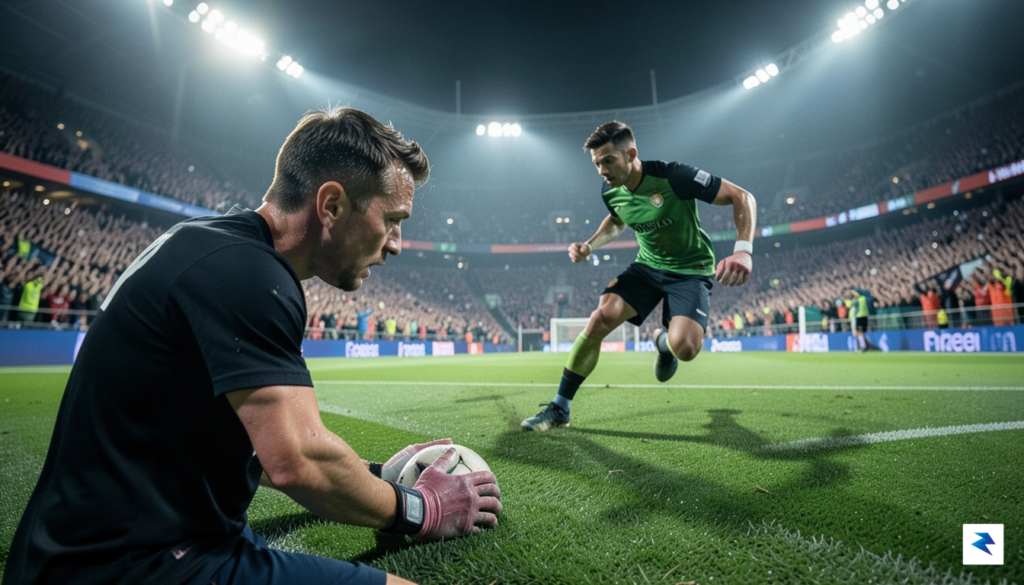
Furthermore, it is essential to consider that the structure of penalty shootouts has evolved to mitigate any potential bias. In recent years, governing bodies have experimented with alternative formats, such as the ‘ABBA’ system, designed specifically to address the perceived imbalance of the traditional ‘ABAB’ sequence. Yet, even with these structural tweaks, the fundamental nature of the shootout remains a contest of individual composure rather than a strategic advantage dictated by the order of play. The data consistently shows that once the shootout begins, the gap between the two sides diminishes rapidly; the psychological weight of the situation affects both teams equally, regardless of who leads the charge.
The belief that kicking first is a golden ticket to victory is a psychological comfort blanket, but the numbers suggest that the outcome is determined by nerves and skill, not by the flip of a coin.
Ultimately, while coaches may prefer to go first to “put the pressure on,” the historical record provides little evidence to suggest that this strategy guarantees success. The nuance of the game lies in the individual execution of each penalty kick, where the variables of fatigue, confidence, and tactical preparation override the superficial benefits of the shooting order. By shifting our focus away from the coin toss and toward the actual mechanics of the shootout, we can move past the myths and appreciate the event for what it truly is: a test of character where the statistical margin is far thinner than the average fan might imagine.
The Psychology of Pressure: Why Penalty Shootouts Are Mental Warfare

The penalty shootout, often described as football’s most brutal decider, transcends mere athletic prowess; it is a profound test of the human psyche. While statistical analyses often dissect the minutiae of kick order and success rates, the true drama unfolds within the minds of the players involved. At its core, a shootout is mental warfare, an arena where the phenomenon of ‘choking’ under pressure becomes starkly apparent, and the weight of expectation can crush even the most seasoned professionals. This intense psychological crucible often renders the sequence of kicks less significant than the individual player’s ability to manage overwhelming stress.
Consider the immense burden of expectation that shifts with every single kick. For the team kicking second, each penalty taken by their opponent isn’t just a score to be matched; it’s a direct challenge, a psychological gauntlet thrown down. If the first team scores, the second team’s next kicker faces the immediate pressure of knowing failure will put them at a disadvantage, amplifying the stakes significantly. Conversely, if the first team misses, the second team’s kicker suddenly has an opportunity to gain a crucial psychological edge, shifting the pressure back onto the opponents. This dynamic interplay of success and failure creates a constantly evolving emotional landscape, where every step towards the ball is fraught with internal conflict, regardless of whether you’re taking the first or the fifth penalty.
The physiological toll of these high-stakes moments is undeniably profound. Scientific studies have shown that athletes performing under such extreme pressure experience a surge in stress hormones like cortisol and adrenaline. These hormonal responses, while part of the body’s natural fight-or-flight mechanism, can impair fine motor skills, disrupt decision-making processes, and cloud judgment, leading to errors that would be uncommon in regular play. The pounding heart, the tunnel vision, the sudden dryness of the mouth—these are not just abstract notions but tangible physical manifestations of psychological duress. Every player stepping up to the spot, whether they are the first or the last, must grapple with these powerful internal forces that threaten to derail their performance.
Moreover, the penalty shootout creates a unique feedback loop between the kicker and the goalkeeper, a silent battle of wills that often transcends the objective order of play. A goalkeeper who saves an early penalty gains a massive confidence boost, radiating an aura that can intimidate subsequent kickers. Similarly, a kicker who confidently dispatches their shot, even if it’s the first of the shootout, can put immense pressure on the opposing goalkeeper and the subsequent kickers. This psychological interplay, where anticipation, fear, and confidence are exchanged through body language and perceived intent, often dictates the flow of the shootout more powerfully than any pre-determined sequence. The mental fortitude of both individuals in that solitary moment on the pitch becomes the paramount factor.
Ultimately, while analysts might debate the statistical advantages of kicking first or second, the overwhelming evidence points to the human element as the true determinant of success. The ability to perform under extreme pressure, to silence the internal monologue of doubt, and to execute a skill honed over years in a moment of intense scrutiny is what separates winners from losers. It is a testament to mental resilience, a solitary act of bravery played out on a global stage, where the individual psychological state reigns supreme over any perceived numerical edge.
Game Theory and the Advantage of Information
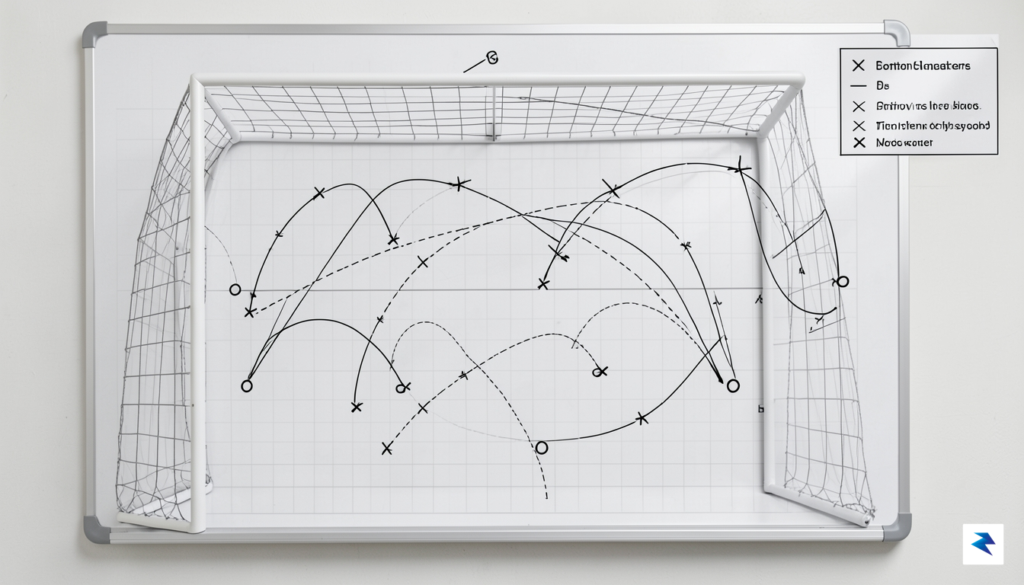
At its core, a penalty shootout is a high-stakes manifestation of game theory, specifically functioning as a sequential game of imperfect information. When a player steps up to the spot, they are not merely kicking a ball; they are engaging in a complex psychological and statistical duel with the goalkeeper. In this framework, the kicker’s objective is to minimize the keeper’s ability to predict their intent, while the goalkeeper works to maximize their information intake to narrow down the potential trajectory of the shot. This creates a strategic tension where the “first-mover” often sets the tempo, forcing the opposition to respond not just to the scoreline, but to the specific stylistic choices made by the preceding kicker.
Modern data analytics have fundamentally transformed this dynamic, shifting the interaction from pure instinct to a calculated exercise in probability. Before a match even begins, goalkeepers are equipped with deep dossiers detailing the preferred corners, run-up speeds, and historical tendencies of every opposing player. This pre-scouting serves as a vital information advantage, yet it also creates a paradox: the more data a kicker knows the keeper has, the more likely they are to deviate from their established patterns. Consequently, the game evolves into a multi-layered bluff. The kicker must decide whether to play to their strength or execute a “counter-strategy” based on the assumption that the goalkeeper is anticipating their “most likely” move. Every kick essentially updates the available data set, meaning that the advantage is fluid, shifting back and forth with every successful conversion or dramatic save.
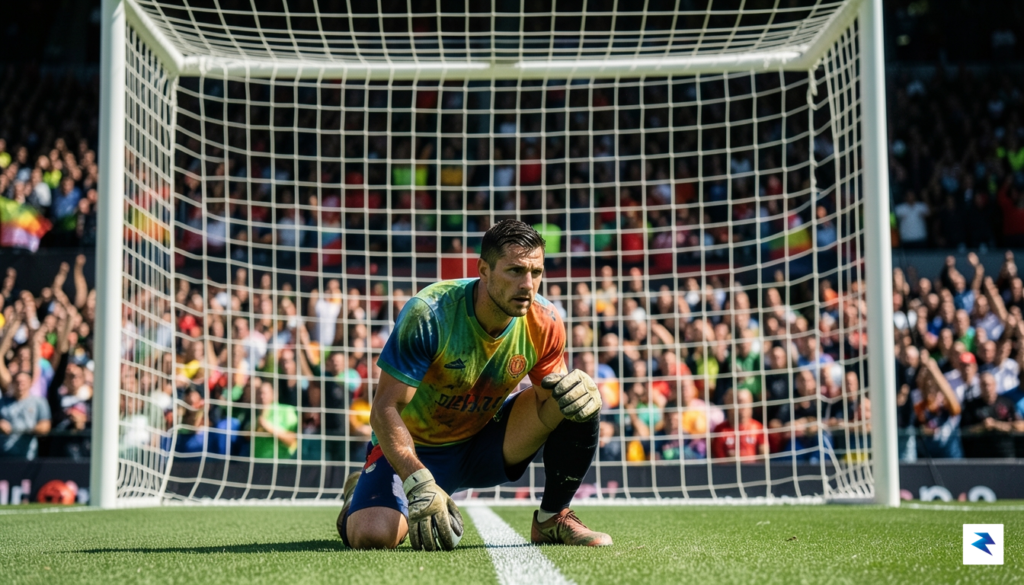
The “first-mover” advantage in a shootout is rarely static; it is a dynamic pressure mechanism that fluctuates based on the outcome of every preceding kick.
As the shootout progresses, the informational landscape becomes increasingly volatile. If the team kicking first scores, they place an immediate, tangible burden on the second team, who must match the pressure to remain in the contest. Conversely, if the first kicker misses, the second kicker suddenly possesses a “safety net” of information and tactical flexibility, allowing them to adjust their approach to be more conservative or aggressive depending on the remaining margin. This sequence creates a feedback loop where the psychological weight of the scoreboard dictates the strategic risk-appetite of the athletes. Ultimately, while analytics provide a foundational roadmap, the game remains won and lost in the split-second moments where players choose to either lean into their known patterns or gamble on unpredictability, turning the penalty spot into a theater of calculated risk.
Strategies to Mitigate the Psychological Burden
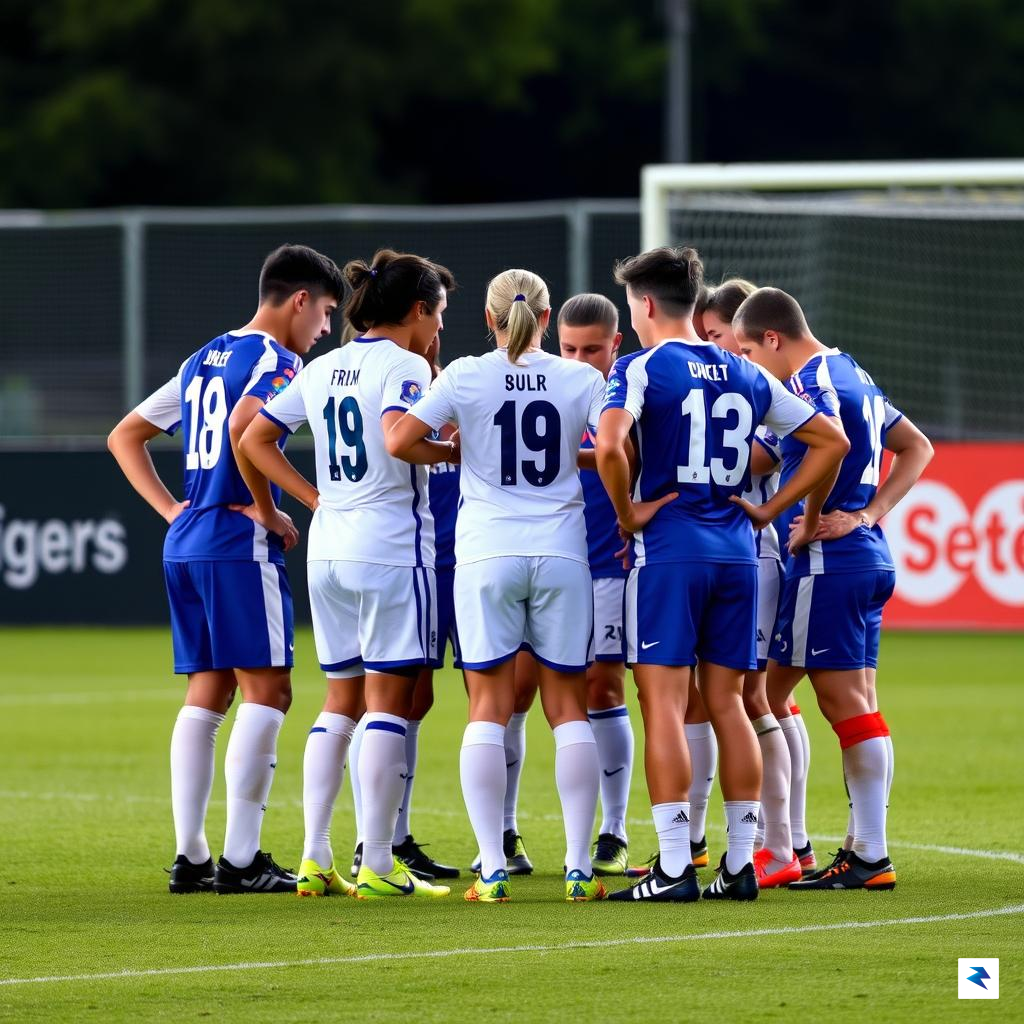
The crucible of a penalty shootout demands more than just technical skill; it’s a profound test of mental fortitude. In modern elite football, the understanding that psychological readiness is as crucial as physical prowess has led to a significant shift in training methodologies. Teams are no longer leaving this high-stakes moment to chance, instead integrating dedicated sports psychologists and sophisticated mental training into their regular routines. This proactive approach aims to equip players with the tools to manage extreme pressure, reclaim composure, and perform optimally when the world’s eyes are fixed solely on them.
A cornerstone of this mental preparation involves mastering specific breathing techniques designed to calm the nervous system and enhance focus. Players are taught diaphragmatic breathing, often referred to as ‘box breathing,’ which involves inhaling for a count, holding, exhaling, and holding again, each for an equal duration. This technique actively reduces heart rate, mitigates anxiety, and helps players enter a state of focused readiness. Complementing this, visualization techniques are extensively practiced, where players mentally rehearse every aspect of the perfect penalty kick – from walking to the spot, placing the ball, choosing a target, striking with precision, and watching the ball ripple the net. This mental rehearsal, repeated hundreds of times, builds muscle memory not just in the legs, but also in the mind, making the actual event feel more familiar and less daunting.
Beyond these foundational techniques, individual ‘reset’ rituals and pre-shot routines are meticulously developed and ingrained. These might include a specific number of steps taken to the ball, a precise way of adjusting socks, a glance at the goalkeeper, or a moment of singular focus before initiating the run-up. Such rituals serve as powerful psychological anchors, helping players block out the surrounding noise and distractions, and instead trigger a prepared, controlled state of mind. By consistently executing these personalized routines during training, players cultivate a sense of control and predictability in an otherwise chaotic environment, allowing them to channel nervous energy into purposeful action.
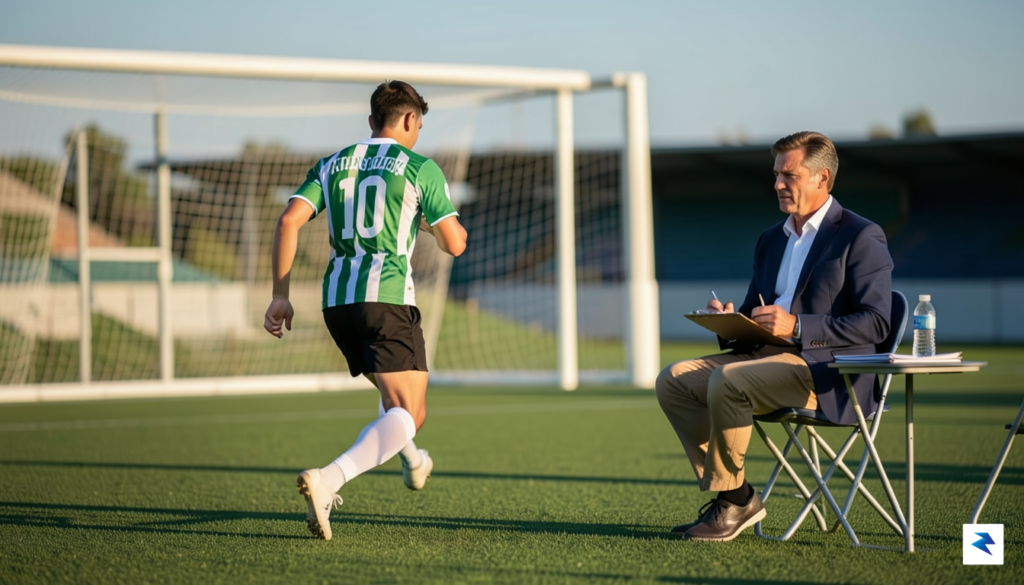
Furthermore, the role of the collective is paramount in mitigating individual psychological burdens. Teams cultivate strong support structures, ensuring that players waiting on the halfway line offer visible encouragement and solidarity. The goalkeeper, often seen as an individual protagonist, also plays a crucial role in supporting teammates and exerting psychological pressure on opponents. Training scenarios frequently replicate the intense atmosphere of a real shootout, complete with crowd noise simulation and high stakes, fostering resilience and collective belief. This holistic approach ensures that every player feels part of a cohesive unit, rather than isolated under the spotlight.
Ultimately, this mental preparation culminates in the coach’s strategic decisions regarding the order of kickers, which is itself a profound psychological play. Far from being a mere assessment of striking ability, this decision often reflects a deep understanding of each player’s personality, current mental state, and capacity to perform under extreme duress. Coaches might strategically place mentally robust, experienced players early to build momentum, or trust a younger player known for thriving on pressure, even if they aren’t the most senior. This thoughtful sequencing is designed to maximize the team’s psychological advantage, apply pressure on the opposition, and reinforce the belief that every player is in their designated spot for a reason, a testament to the modern game’s nuanced approach to penalty shootouts.
Reframing the Shootout: Beyond the Coin Toss
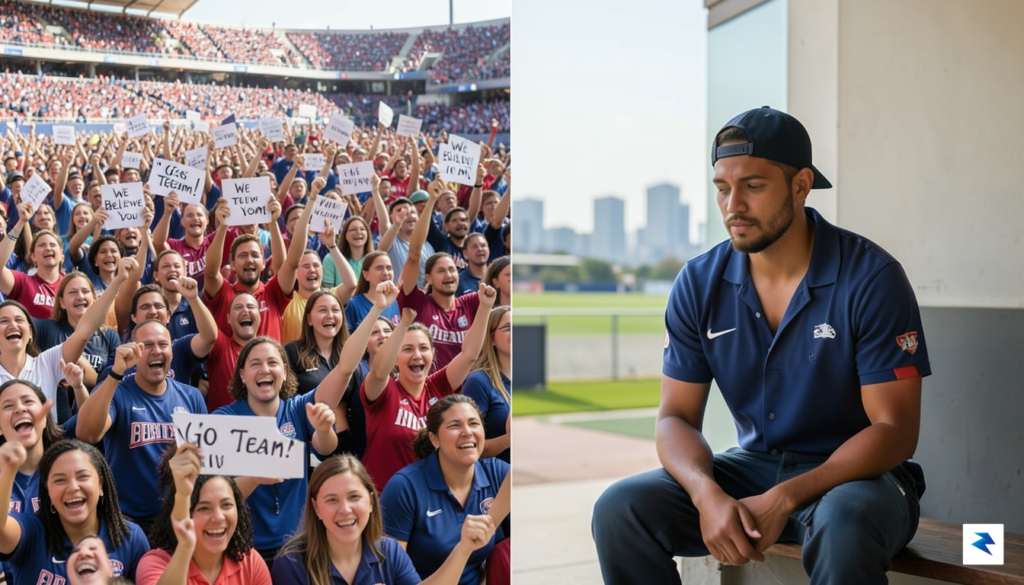
The debate surrounding the penalty shootout’s fairness often boils down to the perceived advantage of the team kicking first. While numerous studies and statistical analyses have indeed pointed to a slight edge for the team taking the initial spot-kick, suggesting a win rate that can be marginally higher, it’s crucial to understand the nuances behind these figures. This marginal lead is frequently attributed to the immense psychological pressure exerted on the team going second, as they often find themselves playing catch-up, constantly needing to score to stay in the game. However, this statistical trend is far from a definitive predictor of victory; it merely highlights a tendency, an additional