The Enduring Appeal of Nintendo's Quirky Rhythm Series
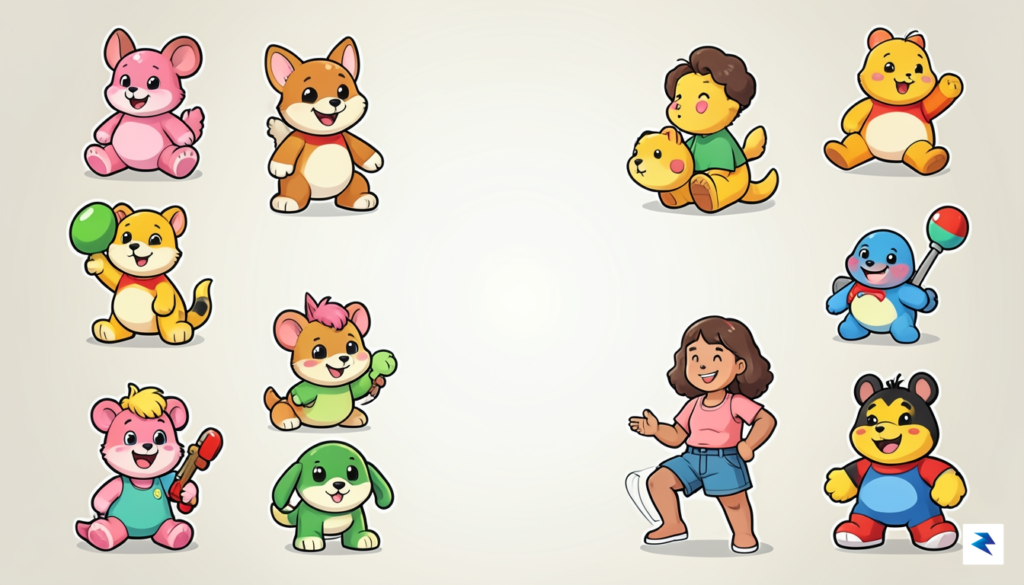
While Nintendo’s history is defined by the heroic exploits of plumbers, intergalactic bounty hunters, and legendary knights, there exists a vibrant, pulsating corner of their library that marches to the beat of a completely different drum. Since its inception on the Game Boy Advance with the Japan-only Rhythm Tengoku, the Rhythm Heaven series has carved out a singular identity within the gaming landscape. It functions as a masterclass in minimalist design, stripping away the complex button combinations and dense interfaces of typical music games to focus entirely on the primal, intuitive act of tapping to a rhythm. By prioritizing internal timing over on-screen visual prompts, the series demands that players internalize the music, effectively turning the controller into an extension of their own heartbeat.
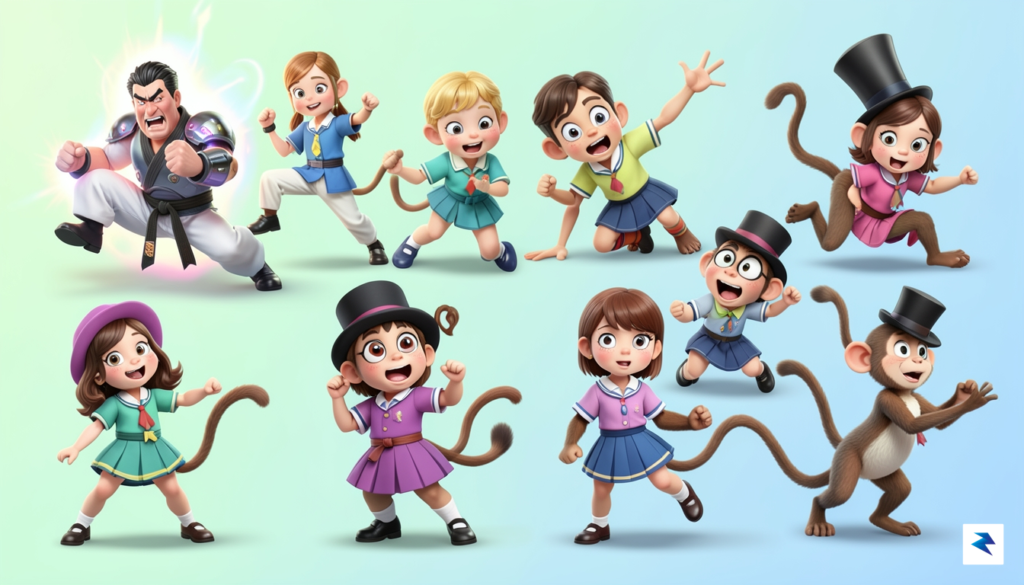
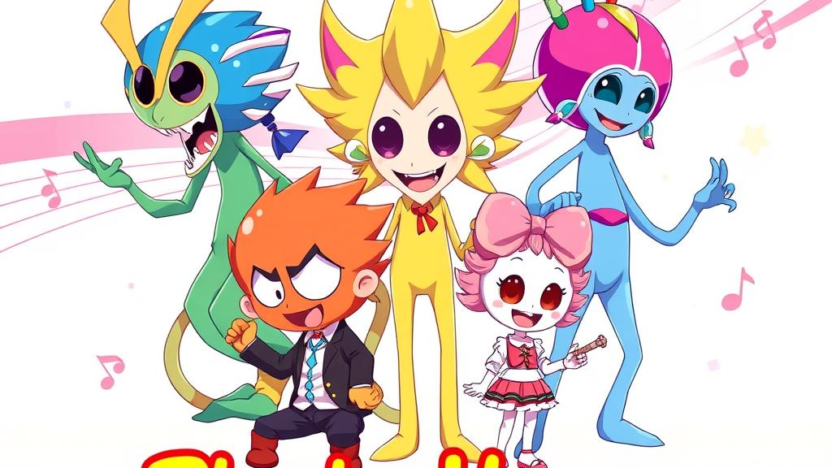
The cultural significance of the franchise lies in its refusal to conform to the conventions of the rhythm genre. Where its contemporaries often rely on licensed pop tracks or dense, screen-cluttering note charts, Rhythm Heaven opts for a surrealist, comedic approach that is quintessentially Nintendo. Players aren’t just hitting buttons to a track; they are flicking switches for a chorus of singing frogs, timing karate chops to deflect flying flowerpots, or helping a lonely soul find love in a bustling city. These scenarios are intentionally bizarre, yet they operate under a strict, logical musical framework that makes every success feel incredibly earned. This juxtaposition—pairing high-stakes precision gameplay with whimsical, hand-drawn aesthetic charm—is precisely why the series has fostered such a passionate, enduring cult following.
The genius of Rhythm Heaven is that it never asks you to be a virtuoso; it simply asks you to listen, to feel the groove, and to surrender yourself to the delightful absurdity of the moment.
Even as the series has transitioned through different hardware iterations—from the tactile button-mashing of the handheld era to the stylus-driven mechanics of the Nintendo DS and the motion-controlled precision of the Wii—the core philosophy has remained steadfast. It is a series that celebrates the “perfection” of a rhythm rather than the complexity of a performance. By eschewing traditional tropes, Rhythm Heaven avoids the fatigue that often plagues musical titles, remaining as refreshing and challenging today as it was at its debut. In an ecosystem often dominated by sprawling open-world epics, this eccentric series serves as a vital reminder that sometimes the most profound gaming experiences are found in the smallest, most rhythmic pockets of joy.
Why Rhythm Heaven Remains a Cult Classic
The enduring magnetism of Rhythm Heaven lies in its uncompromising commitment to a “flow state” experience, achieved through a design philosophy that prioritizes minimalist interaction over mechanical complexity. Unlike many rhythm games that clutter the screen with scrolling charts or dizzying arrays of prompts, Rhythm Heaven strips away the interface entirely. By forcing the player to rely solely on their internal sense of timing, the game transforms the act of listening into a physical conversation. This simplicity creates a frictionless loop where the barrier between the player’s intent and the on-screen action vanishes, allowing for a deep, meditative concentration that is as relaxing as it is demanding.
Central to this experience is the series’ signature visual humor, which acts as a brilliant pedagogical tool. By pairing eccentric scenarios—such as karate-chopping flower pots or cheering for a chorus of frogs—with precise rhythmic motifs, the game creates mnemonic anchors that make complex syncopation feel intuitive. These animations are not merely aesthetic; they serve as critical visual cues that reinforce the musical beat, turning abstract timing into a comedic narrative. Because the player is laughing at the absurdity of the situation, they are often less likely to feel the frustration typical of high-difficulty rhythm games, which keeps them engaged far longer than a traditional score-chasing title might.

Beyond the initial charm, the series maintains its cult status through a tiered reward system that caters to both the casual player and the perfectionist. For the newcomer, the game is approachable and inviting, offering a sense of progression that feels earned through personal growth rather than grinding. However, for those seeking mastery, the “Perfect” medal requirement introduces a layer of high-stakes precision that demands total synchronization. This dual-layered design ensures that the game remains rewarding regardless of the player’s skill level.
The genius of the series is its ability to turn the act of keeping time into a form of play, where the joy of the rhythm itself is the primary incentive for improvement.
Ultimately, players keep returning to these games because they provide a unique sense of accomplishment that is rare in modern gaming. Whether it is the satisfaction of hitting a tricky off-beat during a frantic sequence or simply mastering the subtle swing of a boss stage, the feedback loop is instantaneous and immensely gratifying. By stripping away the noise and focusing on the pure joy of musical synchronization, Rhythm Heaven proves that the most enduring experiences are often those that value clarity of design over the illusion of complexity.
A Decade of Silence: The Long Road to Rhythm Heaven Groove
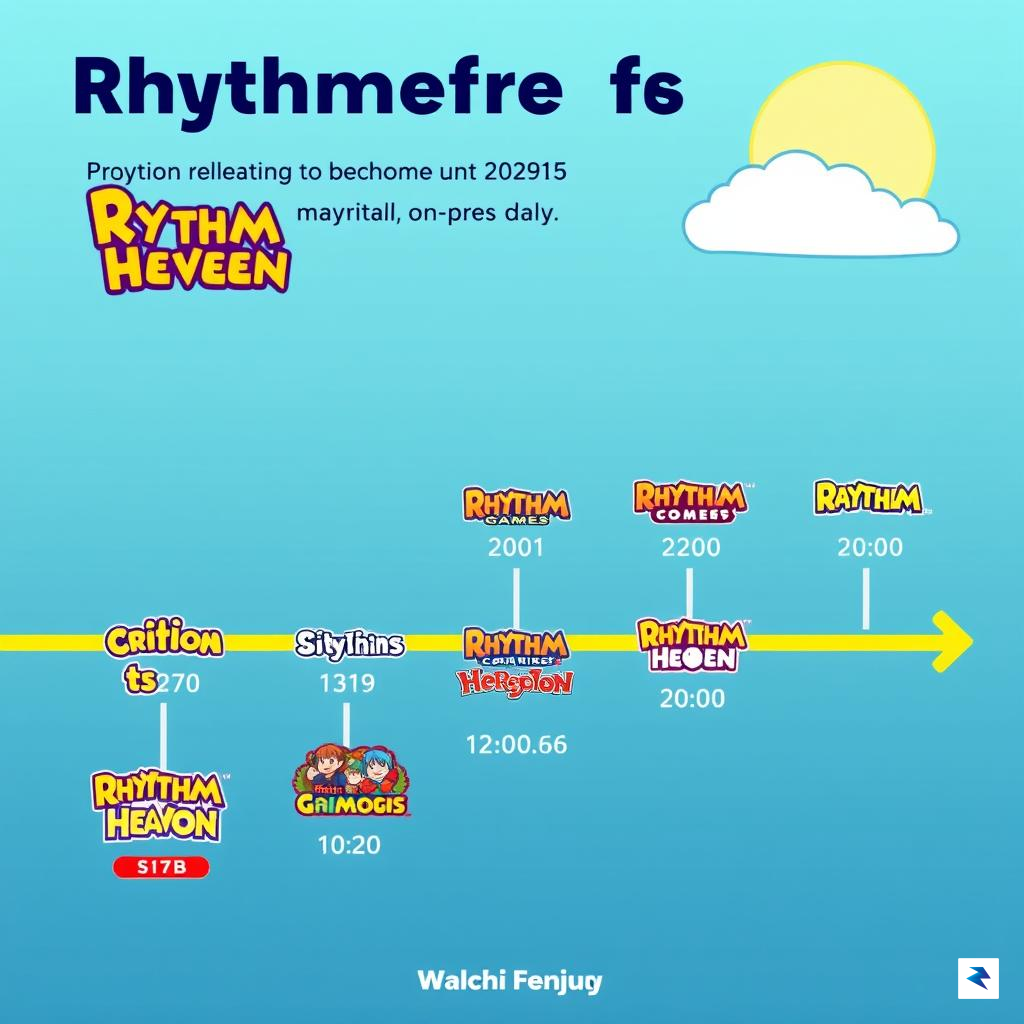
For over a decade, the silence surrounding the Rhythm Heaven franchise felt increasingly permanent, leaving a dedicated community to wonder if Nintendo had quietly shuttered one of its most eccentric and beloved properties. Since the series’ humble beginnings on the Game Boy Advance—a title that remained exclusive to Japan for years—the franchise gradually carved out a niche presence through the Nintendo DS’s stylus-driven precision, the Wii’s motion-controlled charm, and the 3DS’s comprehensive Megamix retrospective. However, after the latter release in 2015, the rhythmic beat simply stopped. What followed was a long, anxious drought that saw the franchise’s influence persist only in the form of fan-made mods and nostalgic tributes, leading many to believe that the quirky, minimalist aesthetic of the series had been permanently sidelined in favor of more modern, expansive titles.
The sudden arrival of Rhythm Heaven Groove on the Nintendo Switch serves as a thunderous conclusion to this ten-year hiatus, effectively revitalizing a series that many feared was destined to become a relic of the early 2000s. The implications of this return extend far beyond simple nostalgia; it represents a bold statement by Nintendo that there is still a vital market for pure, high-precision rhythm gaming in an era dominated by sprawling open-world epics. By transitioning to the Switch’s versatile hardware, the series finally has the opportunity to shed its reputation as a “cult classic” and find a broader, more mainstream audience. The challenge, of course, was balancing the expectations of veteran players—who have spent years memorizing the timing of legendary mini-games like “Built to Scale”—with the need to introduce fresh mechanics that feel intuitive to newcomers.
The true success of the franchise has always been its ability to turn simple, repetitive actions into profound moments of musical catharsis, a feat that Rhythm Heaven Groove manages to capture with renewed vigor.
Ultimately, the long road to this release has created a unique dynamic between the developer’s vision and the fanbase’s high expectations. While the lengthy absence might have risked total obscurity for most series, the enduring quality of the original soundtracks and the sharp, comedic writing kept the flame alive in the public consciousness. Now that the game is finally in the hands of players, the focus shifts to how well it integrates into the modern gaming landscape, where bite-sized, pick-up-and-play experiences are once again thriving. The return of this series is not merely a nostalgia trip; it is a validation of the franchise’s core philosophy that as long as the rhythm is solid, the gameplay will never truly go out of style.
Analyzing the Mechanics: What Makes the Gameplay Click
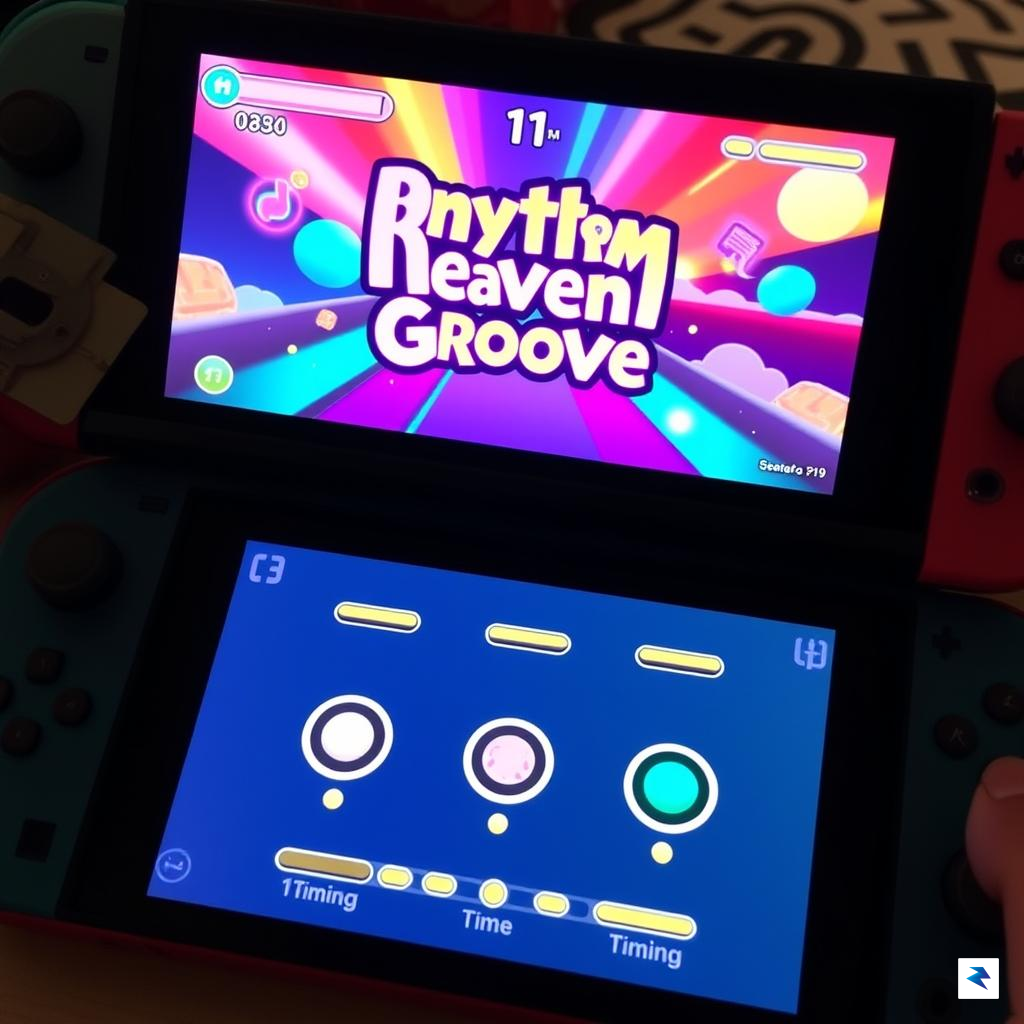
The latest iteration in the beloved rhythm game series, Rhythm Heaven Groove, doesn’t just rehash familiar concepts; it meticulously refines them, leveraging the Nintendo Switch’s unique capabilities to elevate the established formula. From the moment players dive in, it’s clear that a tremendous amount of care has been poured into ensuring that every tap, hold, and flick feels more precise and intuitive than ever before. This attention to detail permeates the entire experience, from the nuanced control schemes to the innovative use of the console’s hardware features, ensuring the game not only stays true to its quirky roots but also pushes the genre forward.
One of the most significant evolutions in Rhythm Heaven Groove lies in its sophisticated approach to control schemes. Moving beyond the single-button simplicity or stylus precision of previous handheld entries, Groove fully embraces the versatility of the Joy-Cons. Players can choose to wield a single Joy-Con, replicating the tactile “click” and “flick” actions that have defined many fan-favorite minigames, or opt for a dual Joy-Con setup that allows for more complex, two-handed inputs. This adaptability ensures that whether you prefer a minimalist approach or a more involved physical interaction, the game provides a control method that feels natural and responsive. The subtle haptic feedback from the Joy-Cons, for instance, provides an immediate, almost subconscious confirmation of successful timing, making each beat feel incredibly satisfying to hit.
Furthermore, the game’s integration of the Joy-Con’s HD rumble is nothing short of revolutionary for a rhythm game. Unlike traditional rumble, which often serves as a generic vibration, HD rumble in Groove is incredibly granular and directional. It’s not just a buzz; it’s a subtle pulse that can mimic the distinct feel of a drum beat, a plucked string, or even the gentle sway of a character. This advanced haptic feedback acts as an additional, non-visual layer of rhythmic information, subtly guiding players through complex patterns and off-beats, especially in scenarios where visual cues might be intentionally sparse. It adds a whole new dimension to beat-matching, transforming mere button presses into a truly sensory experience that deepens immersion significantly.
Beyond the innovative controls, Rhythm Heaven Groove also introduces robust quality-of-life updates that enhance accessibility without diluting the series’ signature challenge. Recognizing that precise timing is paramount, the game offers comprehensive latency calibration tools, allowing players to fine-tune audio and visual synchronization to their specific display and audio setup. This level of customization ensures that every player can achieve the optimal rhythmic experience, regardless of their hardware. Additionally, a suite of new accessibility options includes adjustable visual cues, enhanced audio prompts, and even slower practice modes for particularly tricky minigames, making the rhythmic journey enjoyable for a broader audience while still offering the punishing precision that veterans crave.
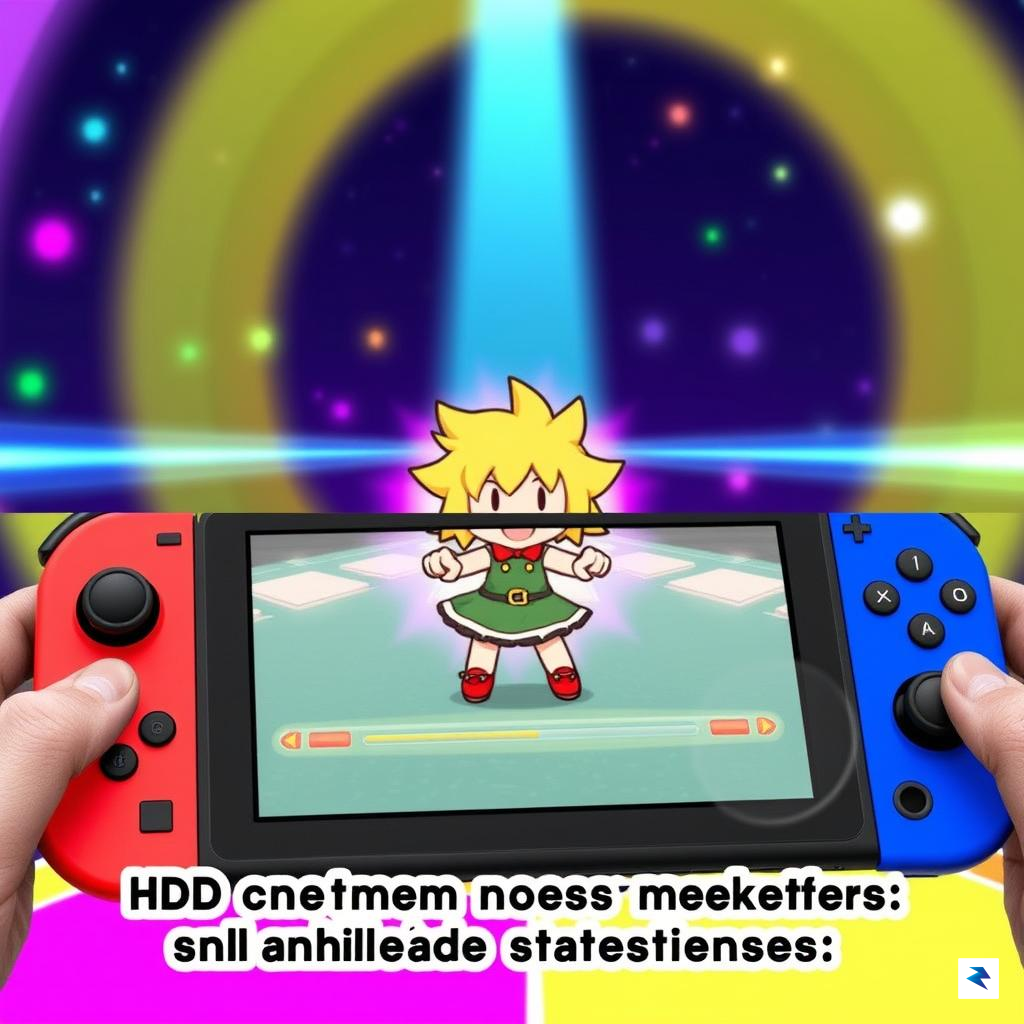
The music selection and its integration with the Switch hardware truly tie the entire mechanical package together. The soundtrack itself is a vibrant tapestry of original compositions and inventive remixes, each designed to perfectly complement the unique gameplay mechanics of its respective minigame. Beat-matching on the Switch hardware feels exceptionally crisp, thanks to the combination of the refined controls, pinpoint audio synchronization, and the immersive HD rumble. Every tap resonates, every flick clicks, and every held note vibrates with purpose. This synergistic interplay between sound, sight, and touch creates an unparalleled rhythmic flow, solidifying Rhythm Heaven Groove as a masterclass in how to evolve a beloved franchise by embracing new technology while honouring its core rhythmic identity.
The Future of Rhythm Games on Nintendo Switch
As the Nintendo Switch library continues to expand with massive open-world epics and high-fidelity ports, the potential resurgence of Rhythm Heaven stands as a testament to Nintendo’s enduring commitment to quirkiness and experimental design. For years, the franchise has occupied a unique niche, proving that a game does not need complex mechanics or sprawling narratives to be profoundly engaging. By prioritizing impeccable timing and infectious, ear-worm melodies over technical prowess, the series serves as a vital reminder that some of the most memorable gaming experiences are rooted in simplicity. Whether this latest iteration signals a full-scale revival for the franchise or functions as a nostalgic swan song for the console’s twilight years, its inclusion in the Switch catalog solidifies the platform’s reputation as a home for innovative, bite-sized creativity.
Looking ahead, the success of such a title could have a ripple effect on how Nintendo approaches its vast vault of legacy intellectual properties. There is a palpable hunger among long-time fans for the company to revisit its more eccentric, less “blockbuster” franchises, and Rhythm Heaven provides a perfect blueprint for how to bridge the gap between retro charm and modern accessibility. If Nintendo continues to embrace these smaller, high-polish projects, we may see a renaissance of experimental titles that prioritize pure player joy over industry trends. This shift would not only satisfy the existing fanbase but also introduce a new generation of players to the distinct, offbeat humor that has defined the series since its inception on the Game Boy Advance.
The true magic of the series lies in its ability to turn mundane actions—like flicking a light switch or tossing a ball—into a rhythmic masterpiece that feels both challenging and deeply rewarding.
Ultimately, the presence of a title like this is essential for any well-rounded library, acting as a vibrant counterpoint to the more somber, demanding experiences that often dominate the charts. It provides a quick, satisfying burst of adrenaline that is perfectly suited for the Switch’s hybrid nature, whether you are playing in a long session on the couch or squeezing in a few minutes of gameplay during a commute. By mastering the delicate balance between frustration and elation, it creates a gameplay loop that is nearly impossible to put down. For Switch owners, this isn’t just another rhythm game; it is a vital piece of Nintendo’s design philosophy, representing the company at its most creative, daring, and unapologetically fun.