
Lectric XPress2 Review: Is This the Most Versatile Ebike of 2026?
Introduction: Defining the New Standard for Utility Ebikes The landscape of the electric bicycle market in 2026 feels vastly different than it…
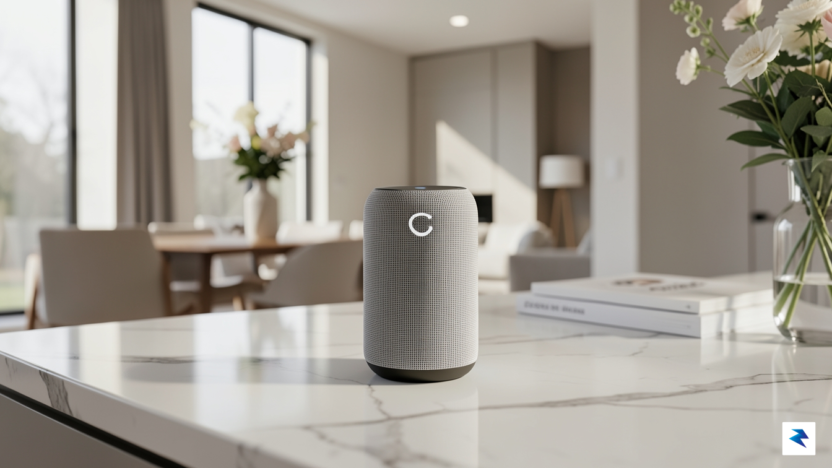
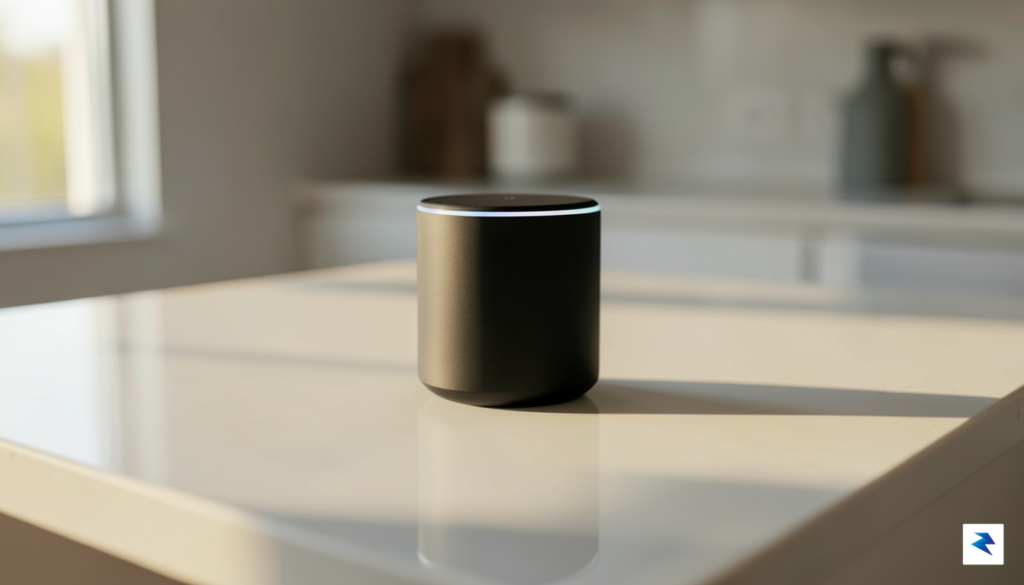
For the better part of the last decade, the smart speaker has occupied a peculiar place in our homes: it is simultaneously ubiquitous and underutilized. What began as a revolutionary promise—a centralized, voice-activated hub capable of managing our lives—has largely devolved into an expensive set of kitchen timers and glorified music controllers. While manufacturers initially pushed these devices as the centerpiece of the modern smart home, innovation effectively hit a plateau around five years ago. Consumers have grown weary of the repetitive, rigid interactions that define legacy assistants like Alexa and Google Assistant, which often struggle to parse complex requests or maintain context beyond a single, simple command.
This widespread disillusionment stems from a fundamental disconnect between consumer expectations and the reality of static voice technology. Users have reached a point of “assistant fatigue,” where the frustration of repeating a command or navigating a limited set of pre-programmed responses outweighs the actual utility of the device. Because these systems were built on rigid intent-classification models rather than true understanding, they remain inherently reactive. They are excellent at executing a specific request, such as “set a timer for ten minutes,” but they fail miserably when asked to engage in the nuances of natural, multi-turn conversation or to handle complex, chained instructions that require a semblance of genuine reasoning.
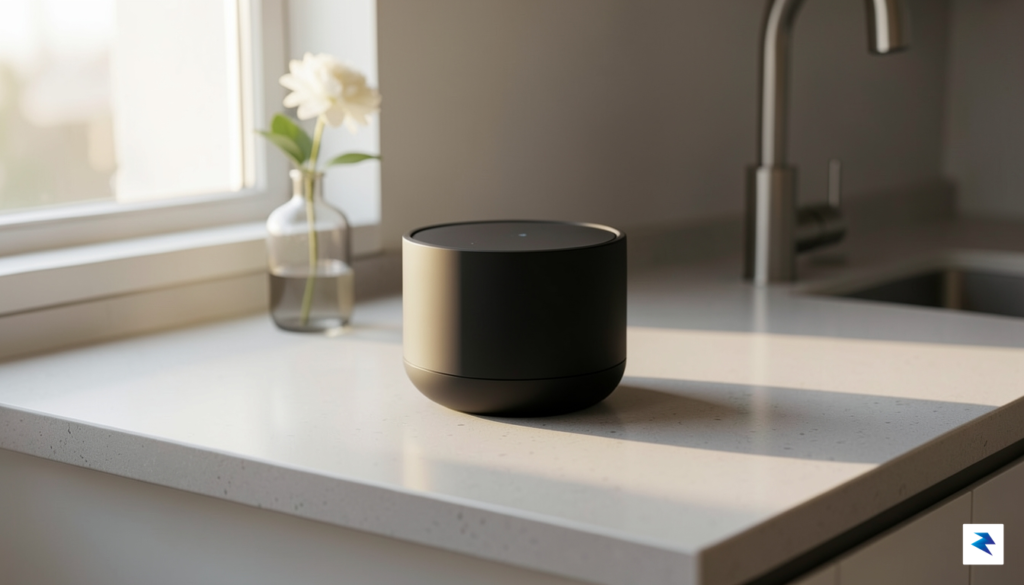
The industry is now banking on a massive paradigm shift, pivoting away from these brittle, command-based architectures toward the promise of Large Language Models (LLMs). By integrating generative AI, hardware developers hope to transform these devices from passive, reactive tools into proactive, conversational companions capable of understanding intent, tone, and context. The goal is to move beyond the “if-this-then-that” logic that has defined the last generation of smart home tech, ushering in an era where a speaker can anticipate needs, summarize complex information, and engage in fluid dialogue. If successful, this evolution could turn our dusty, neglected smart speakers back into the essential home hubs they were always meant to be.
The transition from static voice assistants to generative AI represents the most significant upgrade to home computing since the introduction of the smartphone.
However, the leap from a command-line interface to a conversational AI is fraught with technical and experiential hurdles. It is one thing to have a model that can write a poem or debug code, but it is an entirely different challenge to place that intelligence inside a hardware shell that must respond instantly, reliably, and safely within the private sanctuary of a home. As we look at the latest hardware releases, the pressing question is no longer about the build quality or the sound fidelity of the speakers themselves; it is about whether the software intelligence—specifically platforms like Gemini—is truly ready to handle the chaotic, unscripted reality of daily human interaction.

When you first interact with Gemini on Google’s latest smart speaker hardware, the ambition behind the project is immediately apparent. There is a palpable sense that you are no longer speaking to a rigid, command-based script, but rather a dynamic intelligence capable of nuance and complex reasoning. However, this high-level capability often clashes with the reality of daily home automation. While the underlying model demonstrates an impressive ability to parse conversational intent, the physical interface is frequently plagued by noticeable latency. Instead of the instantaneous response users have come to expect from digital assistants, there is often a lingering pause as the speaker processes the request, leaving you wondering if your voice command was even registered.
The friction becomes even more pronounced when you move beyond basic queries and attempt to use Gemini for specific home-management tasks. Despite the model’s sophistication, it occasionally struggles with the nuances of a smart home ecosystem, leading to frustrating hallucinations where the assistant confidently confirms an action that never actually occurred. For instance, you might ask the speaker to dim the living room lights to a specific percentage, only to find it has misinterpreted the instruction or failed to communicate with the linked hardware entirely, despite offering a verbal confirmation that the task is “done.” This disconnect between the perceived intelligence of the AI and its limited, often buggy execution highlights a significant gap in the user experience.
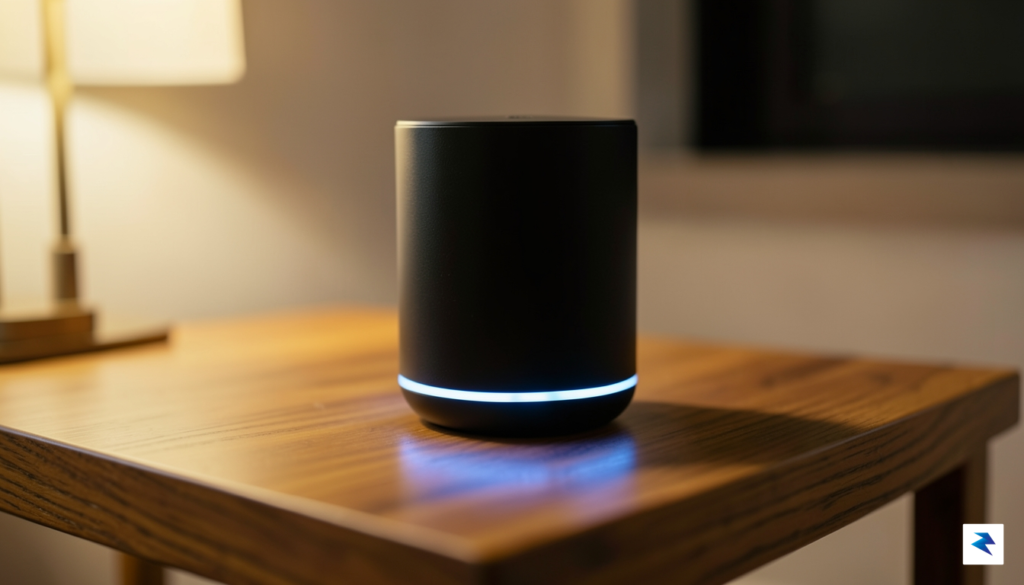
Ultimately, there is a clear tension between the immense power of generative AI and the restrictive, voice-only interface of a smart speaker. While Gemini excels at synthesizing vast amounts of information and carrying on a natural conversation, it sometimes falters when tasked with the simple, binary operations that define the “smart” home experience. We are currently in a transition period where the promise of a truly helpful, proactive assistant is constantly fighting against the limitations of current hardware response times and software reliability. It is a technological marvel that feels like it is waiting for the infrastructure to catch up, leaving users caught in the middle of a grand experiment that isn’t quite ready for the prime time of daily living.
The core issue is not a lack of intelligence, but a lack of synchronization; Gemini is a high-performance engine trying to run on a track that is still under construction.
To truly reach its potential, Google must bridge this chasm by refining the hand-off between the generative model and the specific device control protocols. Until the processing latency is minimized and the accuracy of device-specific commands is absolute, the experience will continue to feel like an impressive prototype rather than a polished consumer product. Users are willing to be patient with innovation, but when the basic utility of a smart speaker—like turning off the lights—becomes a game of chance, the sheen of generative AI quickly fades into a genuine inconvenience.
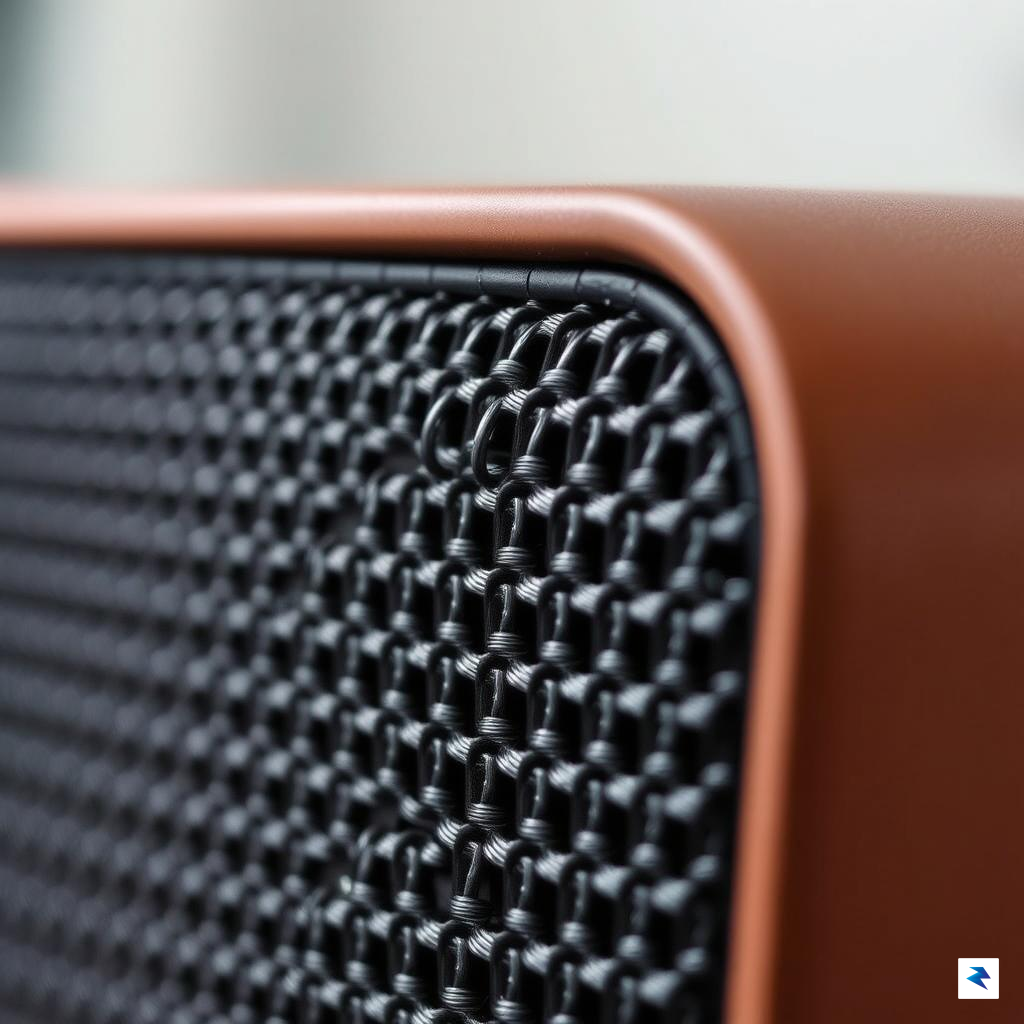
When you first unbox the latest smart speaker from Google, it is immediately clear that the company’s industrial design team is operating at the top of its game. The hardware is nothing short of a masterclass in modern minimalist aesthetics, featuring premium materials that feel substantial, durable, and sophisticated enough to anchor any living room or bedroom. Beyond the visual appeal, the acoustic performance is genuinely impressive; the device manages to output a rich, room-filling sound profile with crisp highs and a surprisingly deep, resonant bass that belies its compact footprint. Whether you are streaming high-fidelity audio or simply listening to a morning podcast, the physical engineering ensures that the speaker delivers a high-quality, immersive experience that rivals dedicated audio equipment from traditional hi-fi brands.
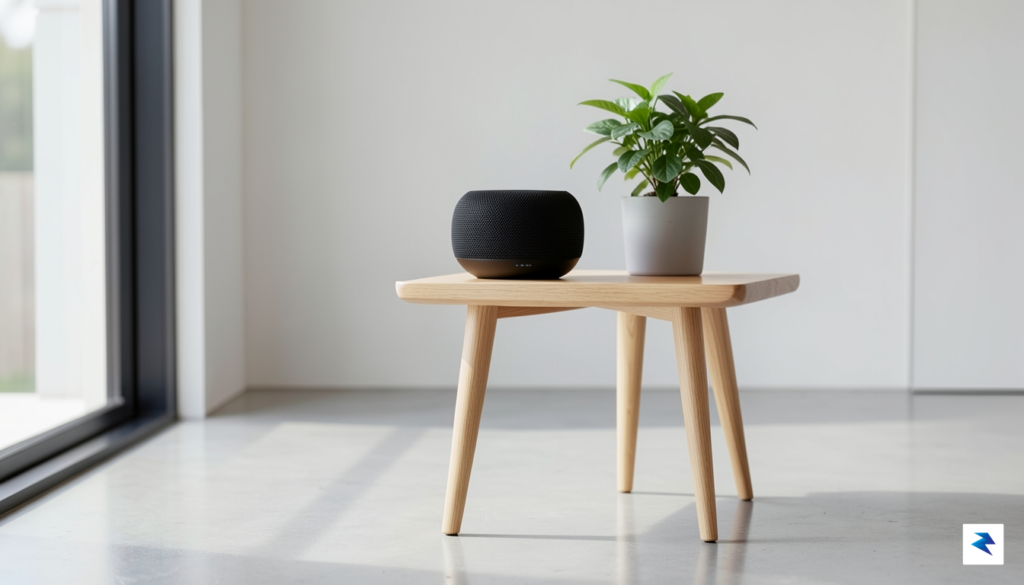
However, this excellence in hardware highlights an increasingly jarring disconnect when you actually attempt to use the device as a “smart” assistant. While the speaker is perfectly capable of reproducing sound, the software layer—specifically the integration of Gemini—feels as though it is struggling to keep up with the physical vessel it inhabits. A high-end speaker is designed to be an intuitive hub for the home, yet the current implementation of AI often feels unpredictable, prone to latency, and occasionally confused by simple natural language requests. It is a strange paradox to own a device that sounds this spectacular only to feel frustrated by its inability to perform basic tasks with the speed and reliability that users have come to expect from a modern digital assistant.
The core of the problem is that excellent acoustic fidelity cannot mask a lack of intelligence; a great speaker deserves a brain that is just as refined as its drivers.
To truly reach its potential, a smart speaker requires more than just high-quality sound; it needs a responsive, consistent, and highly reliable interface that understands the nuances of human communication. Currently, Gemini feels like a work in progress that has been placed into a finished, polished product. When the AI fails to interpret a command or takes several seconds to process a request that should be instantaneous, it breaks the “magic” that Google has worked so hard to cultivate through its hardware design. If the company intends to lead the market, it must bridge this widening gap between the physical excellence of its engineering and the evolving, yet currently temperamental, nature of its AI brain. Until the software catches up to the hardware, the user experience will remain a tale of two different products: one that is undeniably ready for the living room, and another that is still learning how to exist within it.

The domestic sphere is inherently chaotic, defined by overlapping conversations, competing background noises, and a fluid set of needs that change from one hour to the next. While a Large Language Model (LLM) like Gemini can effortlessly summarize a complex scientific paper or draft a professional email, it often falters when tasked with the nuanced demands of a living room or kitchen. The fundamental issue is what we might call the “context gap”—the chasm between having access to the sum of human knowledge and understanding that a user asking to “turn off the lights” is actually referring to the specific lamps in the room they are currently standing in, rather than the entire house, and that they would prefer the music volume be lowered rather than silenced entirely.
Managing a smart home ecosystem requires more than just natural language processing; it necessitates a deep, stateful awareness of the physical environment. When a user issues a command, the AI must synthesize current sensor data, past behavioral patterns, and the immediate acoustic environment to make a logical decision. Current models often treat each request as a discrete event, struggling to maintain the thread of a conversation while simultaneously navigating the complex API calls required to dim a smart bulb or adjust a thermostat. This fragmentation creates a jarring experience where the “intelligence” of the speaker feels more like a series of disjointed commands than a fluid, helpful assistant.
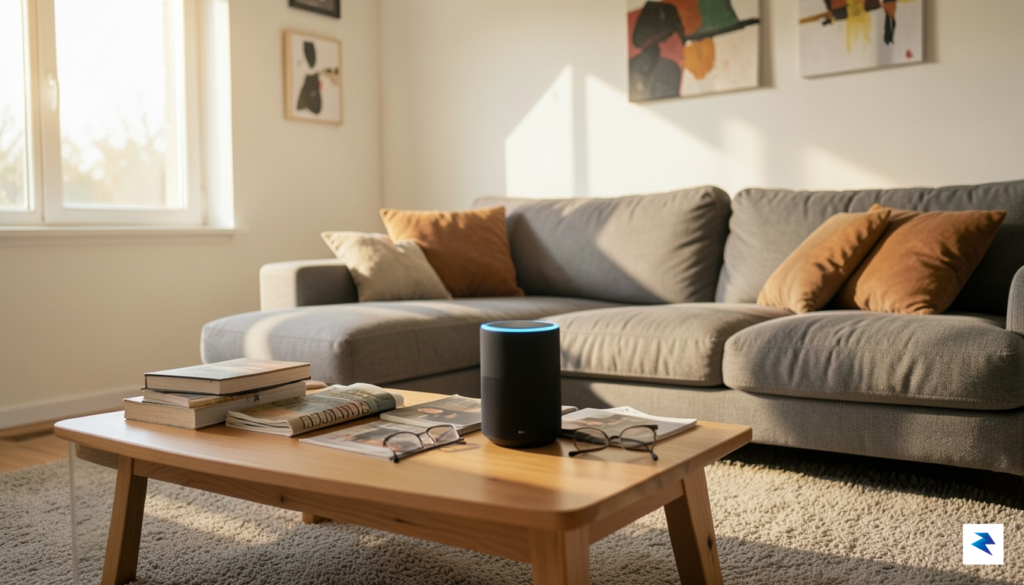
The true test of a smart speaker isn’t its ability to recite a Wikipedia entry, but its capacity to act as a reliable, context-aware bridge between human intent and the mechanical reality of our devices.
Beyond the technical hurdles of execution, there is the persistent specter of privacy and data processing limitations. To be truly helpful, an AI needs to be deeply integrated into the rhythm of a household, which naturally raises significant concerns about how much behavioral data is being harvested and analyzed in real-time. Processing this data locally to ensure privacy often conflicts with the computational power required to run sophisticated LLMs, leading to a compromise where the device either lacks the “smarts” to be truly helpful or relies too heavily on cloud-based processing that introduces latency. When a device takes three seconds to process a simple request, the illusion of a seamless home companion evaporates.
Ultimately, there is a distinct danger in over-promising on the capabilities of conversational AI in a domestic setting. By marketing speakers as “intelligent” partners, companies set a standard of expectation that current technology is simply not equipped to meet. When an AI fails to grasp the complexity of a family’s routine or misinterprets a simple request, it doesn’t just result in a minor inconvenience; it erodes trust in the platform. For these devices to move beyond being mere timers or music players, they must bridge the gap between abstract intelligence and the gritty, unscripted reality of everyday home life.

The integration of artificial intelligence into the domestic sphere feels less like a choice and more like an inevitability, yet the current state of Google’s hardware suggests we are caught in a difficult transition period. While the physical craftsmanship of these smart speakers remains industry-leading, the software experience often feels like a sophisticated tech demo rather than a polished, reliable utility. For Google to maintain its foothold on our kitchen counters and living room side tables, it must move beyond the novelty of generative AI. The platform needs to bridge the yawning gap between impressive conversational capabilities and the basic, rock-solid reliability that users have come to expect from home automation.
Whether this current trajectory represents a temporary hurdle or a fundamental flaw in the “AI-first” strategy remains the central question for long-time enthusiasts. If Google continues to prioritize experimental features over the core stability of smart home commands—like controlling lights, setting timers, or managing multi-room audio—it risks alienating the very users who built its ecosystem. The current friction suggests that Gemini is still learning the nuances of a shared household environment, which is significantly more complex than a one-on-one chat interface. If Google can reconcile these disparate goals, the future of home audio could be truly transformative; however, if the focus remains solely on the model’s intelligence rather than its utility, the hardware will inevitably gather dust.
The true success of the smart home lies not in how much an assistant knows, but in how seamlessly it disappears into the background of our daily routines.
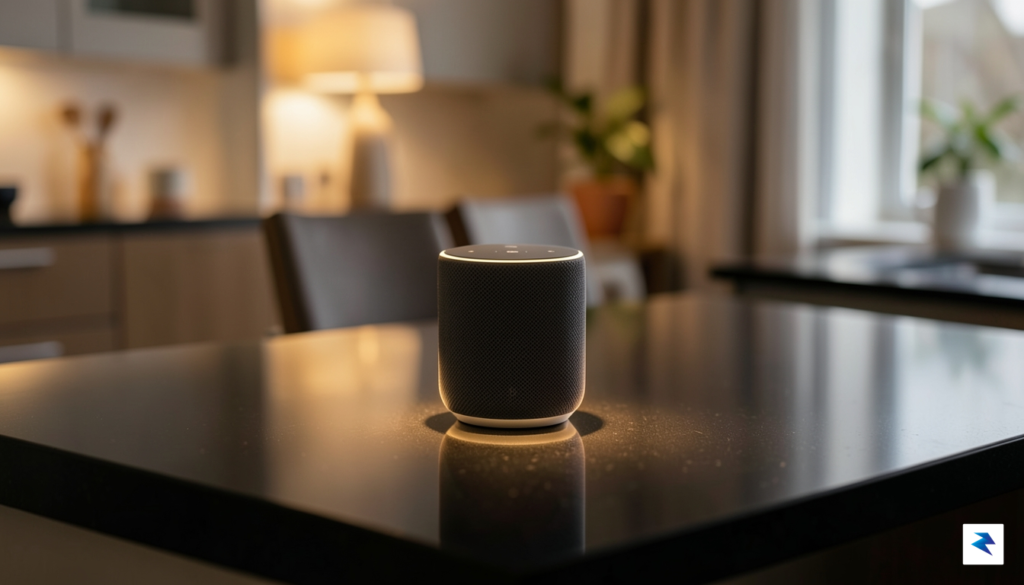
So, who should invest in this hardware today? If you are a dedicated early adopter who thrives on beta-testing the latest large language models and enjoys the thrill of seeing how AI evolves in real-time, there is plenty to admire in the current build. You will appreciate the ambition of the technology and the premium build quality of the speaker itself. However, for the average consumer who views their smart speaker as a reliable tool for morning routines and home management, the current iteration is best approached with caution. If your priority is a “set it and forget it” experience, it is wise to wait for the next generation of software updates. In the coming months, Google’s ability to refine Gemini’s responsiveness will determine whether this device becomes a permanent household staple or a cautionary tale of hardware that arrived before its intelligence was truly ready.
You must be logged in to post a comment.