Sony to End Physical PlayStation Discs by 2028: The End of an Era?
The Shift Toward an All-Digital PlayStation Ecosystem The announcement that Sony intends to cease the production of physical game discs by…

While the average consumer rarely interacts with tungsten in its raw form, modern civilization would grind to a halt without it. Often relegated to the background of industrial discussions, this dense, silver-gray metal possesses a unique set of physical properties that make it virtually irreplaceable. Most notably, tungsten boasts the highest melting point of any elemental metal, standing firm at an incredible 6,192 degrees Fahrenheit. This extreme thermal resilience, combined with its extraordinary hardness and density—nearly equal to that of gold—renders it the unsung hero of our technological age.
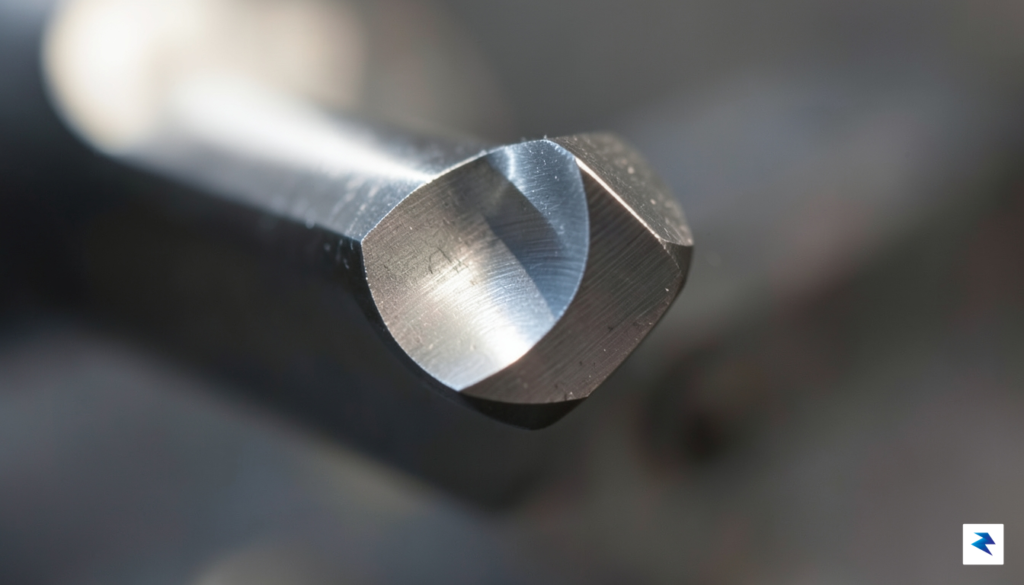
The applications for such a robust material are as vast as they are vital. In the world of high-speed manufacturing, tungsten carbide is the gold standard for hardened cutting tools, drill bits, and milling equipment; without these durable components, the mass production of everything from automotive parts to complex medical devices would be significantly slower and more costly. Beyond the factory floor, the metal serves as a backbone for the aerospace and defense sectors. Its extreme density makes it perfect for kinetic energy penetrators and ballistic missile components, where the ability to maintain structural integrity under immense heat and pressure is a matter of national security. Furthermore, as the world pushes toward more advanced computing, tungsten has found a crucial role in semiconductor manufacturing, where it is used in the circuitry of high-heat environments to ensure that sensitive electronic components do not fail during operation.
Tungsten is not merely a commodity; it is a fundamental building block of national power, bridging the gap between raw industrial capability and advanced technological dominance.
Because of this ubiquity in high-tech defense systems and essential infrastructure, tungsten has been officially classified as a “critical mineral” by multiple governments, including the United States. This designation highlights a sobering reality: the global supply chain for this metal is remarkably fragile. For decades, the world has relied heavily on a handful of nations to provide the refined tungsten necessary to sustain these vital industries. When a single geopolitical actor holds a near-monopoly on such a strategically indispensable resource, the potential for economic leverage and supply disruption becomes a profound risk. As global tensions rise and the demand for high-end electronics and sustainable energy technologies continues to surge, the ability to secure a stable, independent source of tungsten has transitioned from a logistical preference to a core strategic necessity.
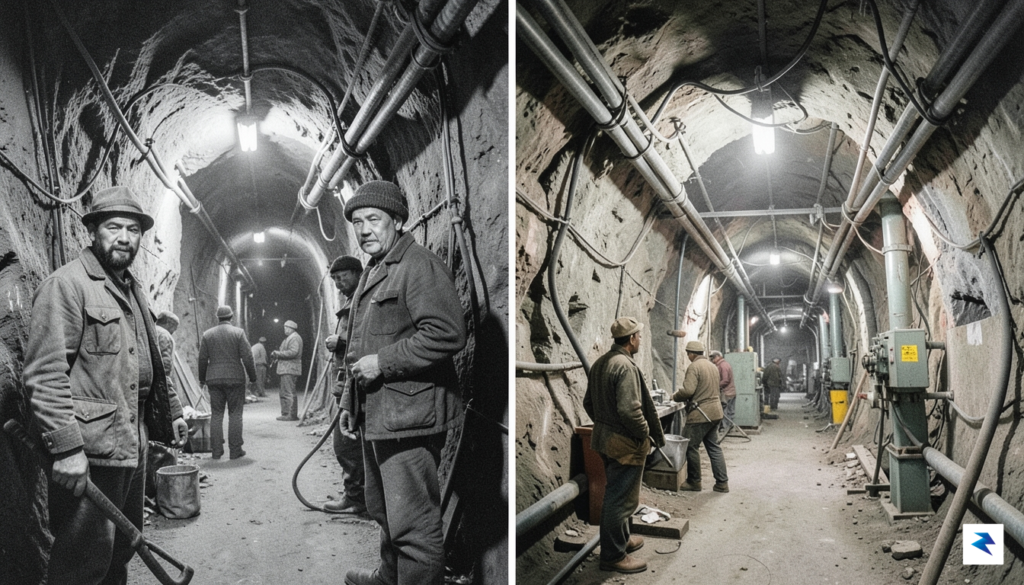
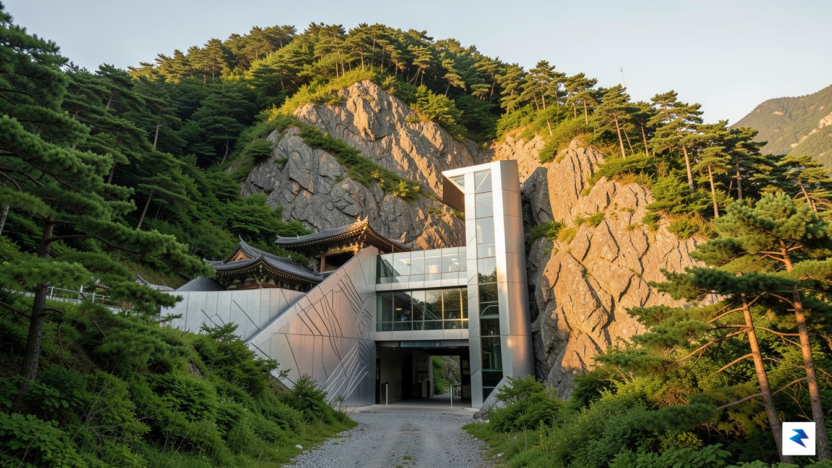
For much of the mid-20th century, the Sangdong mine was not merely a local enterprise; it was the heartbeat of South Korea’s rapid industrial transformation. Nestled deep within the rugged mountains of Gangwon Province, the site became the world’s most prolific source of tungsten—a metal prized for its immense density and heat resistance. During the 1960s and 1970s, as the nation clawed its way toward modernization, Sangdong’s output accounted for a staggering portion of global supply. It provided the essential raw material for everything from military-grade munitions to the high-speed steel tools that powered the country’s burgeoning manufacturing sector, effectively underwriting the “Miracle on the Han River.”
However, the mining industry is notoriously susceptible to the volatile swings of global commodity cycles, and Sangdong was no exception. By the early 1990s, the emergence of lower-cost Chinese tungsten flooded the international market, driving prices into a downward spiral that made the extraction process at Sangdong increasingly untenable. Faced with unsustainable operational costs and a shifting geopolitical landscape, the facility eventually ceased production in 1994. Its closure marked the end of an era, leaving behind a sprawling network of tunnels and a quiet, dormant landscape that stood as a stark reminder of how quickly industrial dominance can evaporate in the face of global economic pressures.

Despite three decades of silence, the mine was never truly exhausted. Geological surveys conducted during its active years—and confirmed by modern exploration—revealed that Sangdong sits atop one of the largest and highest-grade tungsten deposits on the planet. While the mine lay dormant, the world outside underwent a radical technological shift; the rise of the digital age, high-tech weaponry, and the green energy transition sparked a renewed, desperate demand for tungsten. This created a peculiar irony: the very factors that rendered Sangdong obsolete in the 1990s are the same ones that have made it a critical strategic asset today.
The dormant state of the Sangdong mine served as a geological time capsule, preserving a vital resource that the world eventually realized it could no longer live without.
The story of Sangdong is, therefore, more than just a tale of corporate failure or industrial decline; it is a testament to the enduring necessity of raw materials in an increasingly complex world. While the mine fell victim to the “boom and bust” nature of the extractive industry, its immense geological potential remained intact. This long period of inactivity inadvertently positioned the site as a sleeping giant. Today, as nations look to decouple their supply chains from monopolistic control, Sangdong is being resurrected, transforming from a relic of the past into the cornerstone of a new, secure future for Western industrial supply chains.
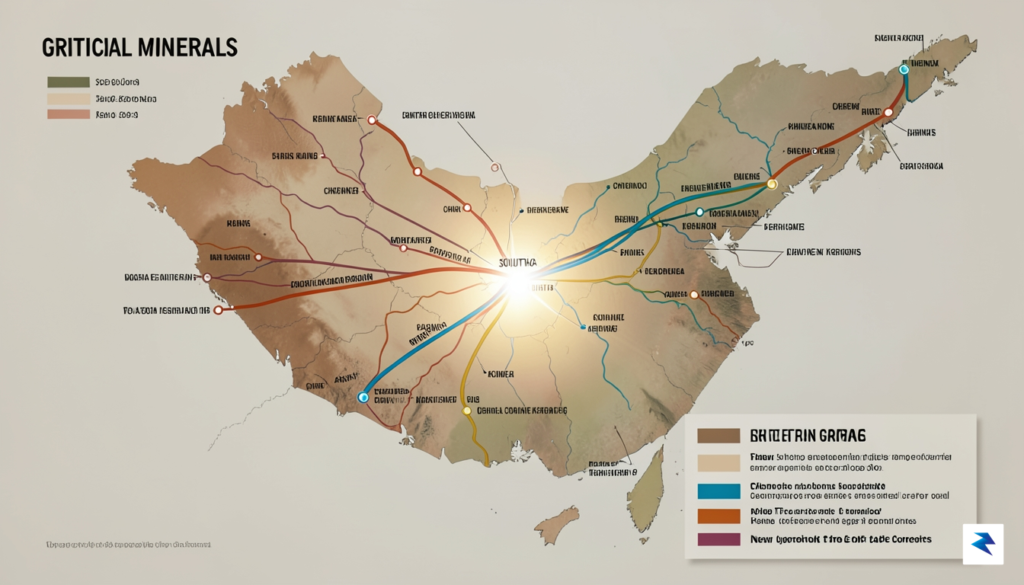
For decades, the global tungsten market has functioned under a quiet but profound shadow of centralization. As the backbone of modern industrial and defense technology, tungsten is indispensable for everything from high-speed steel and aerospace components to the armor-piercing munitions that define modern military preparedness. Currently, China commands a staggering majority of global production and refining capacity, effectively holding the keys to a metal that is considered a “critical mineral” by the United States and the European Union alike. This geographic monopoly creates a precarious bottleneck, where the industrial health of Western nations is perpetually tethered to the policy decisions and export quotas issued by a single geopolitical rival.
The dangers of this dependency have become increasingly apparent as global trade tensions rise. When one country controls the vast majority of the supply chain, they gain the ability to wield price volatility as a tool of economic statecraft. Sudden export restrictions or the tightening of quotas can ripple through global markets, forcing manufacturers to scramble for supply while driving up costs for defense contractors and tech firms. This inherent fragility is not merely an economic inconvenience; it is a fundamental security risk that threatens the operational readiness of military supply chains. Without a reliable, diversified flow of tungsten, the ability of the U.S. and its allies to maintain a technological edge is severely compromised.

Consequently, the revival of the Sangdong Mine in South Korea represents a pivotal shift in this strategic landscape. By bringing a massive, high-grade source of tungsten back into production, stakeholders are doing more than just reopening a historic site; they are actively working to dismantle a decades-old dependency. This initiative is a calculated move toward supply chain resilience, ensuring that essential materials can be sourced from a trusted democratic ally rather than a controlled state-run market. The return of Sangdong signals a broader realization in the West that industrial sovereignty is no longer optional—it is a prerequisite for national security.
The diversification of mineral supply chains is the new front line of economic defense. By fostering partners in stable, like-minded regions, the U.S. can mitigate the risks of disruption and secure the materials necessary for the next generation of defense innovation.
As Western industries look to insulate themselves from the whims of a monopolized market, the strategic importance of South Korean mineral assets cannot be overstated. By integrating these resources into a broader, allied-focused supply chain, nations can better hedge against the unpredictability of global trade. Ultimately, the successful scaling of Sangdong is a litmus test for whether the U.S. and its partners can successfully transition from passive consumers of raw materials to architects of a more secure, decentralized, and resilient global industrial future.
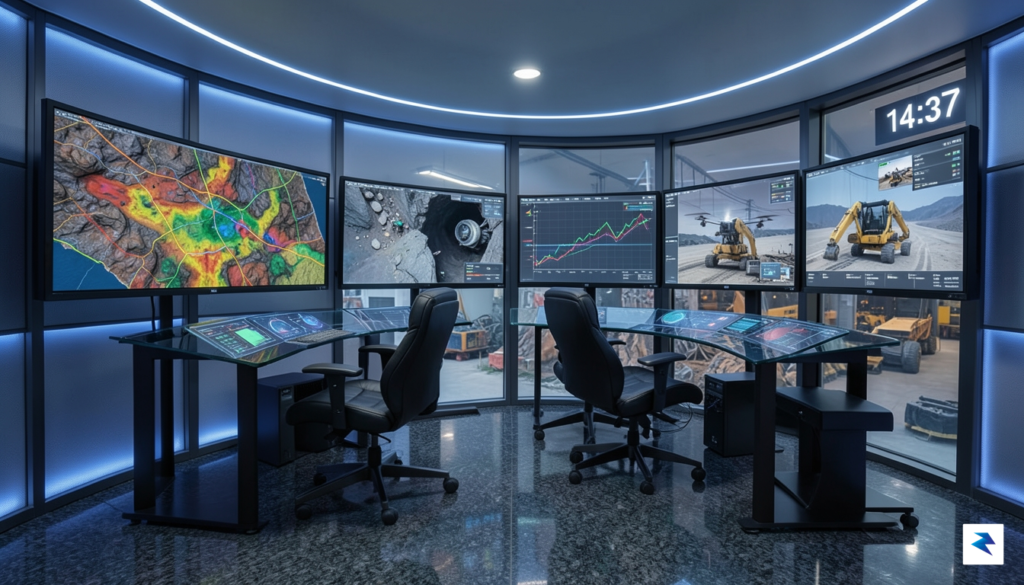
The revitalization of the Sangdong Mine represents a dramatic departure from the labor-intensive, often haphazard extraction methods that defined 20th-century mining. In decades past, mineral recovery was largely a game of trial and error, relying on manual drilling and limited geological visibility that frequently left high-grade ore buried and inaccessible. Today, the project is underpinned by sophisticated digital twin modeling and automated surveying, which allow engineers to map the subterranean landscape with near-perfect precision before a single drill bit touches the rock face. By integrating real-time geological data, the current team can navigate the complex, thin-vein architecture of the Sangdong deposit, ensuring that extraction is targeted, efficient, and significantly less disruptive to the surrounding bedrock.

Deep-level extraction, once considered a logistical nightmare, is now being rendered viable through advanced mechanical engineering and precision robotics. Unlike the historical reliance on crude blasting techniques that often caused structural instability and collateral environmental damage, modern operations at Sangdong utilize high-precision hydraulic equipment and automated ventilation systems. These systems not only enhance the safety profile for the underground workforce but also drastically reduce the waste rock-to-ore ratio. By optimizing the path of recovery, engineers can now reach depths that were technically unreachable fifty years ago, effectively turning what was once a exhausted historical site into a high-yield, long-term asset.
Modern mining is no longer just about moving earth; it is about data-driven resource management where every gram of tungsten is tracked from the vein to the refinery.
Environmental stewardship has also undergone a radical transformation, moving from an afterthought to a core component of the extraction process. Modern sustainable mining practices at the site include closed-loop water management systems and advanced tailings filtration that prevents chemical runoff, a stark contrast to the legacy practices that once scarred surrounding landscapes. Furthermore, the implementation of AI-driven sensors throughout the mine monitors air quality and structural integrity in real-time, allowing for a proactive rather than reactive approach to maintenance. This high-tech precision not only maximizes the ultimate recovery of tungsten—a critical component for modern defense, aerospace, and semiconductor industries—but also ensures that the mine operates within the stringent environmental frameworks demanded by the 21st-century global market.

The strategic importance of the Sangdong mine extends far beyond simple mineral extraction; it serves as a critical pressure release valve for the Western world’s most sensitive industrial supply chains. At the heart of global defense manufacturing, tungsten is indispensable due to its unparalleled density and extreme melting point. These properties make it the gold standard for kinetic energy penetrators—specialized armor-piercing munitions designed to defeat hardened targets. By securing a reliable, high-purity flow of this metal from a South Korean source, Western defense contractors can finally decouple their production timelines from the volatility of Chinese-controlled markets, ensuring that national security assets remain fully stocked without the looming threat of geopolitical blackmail.
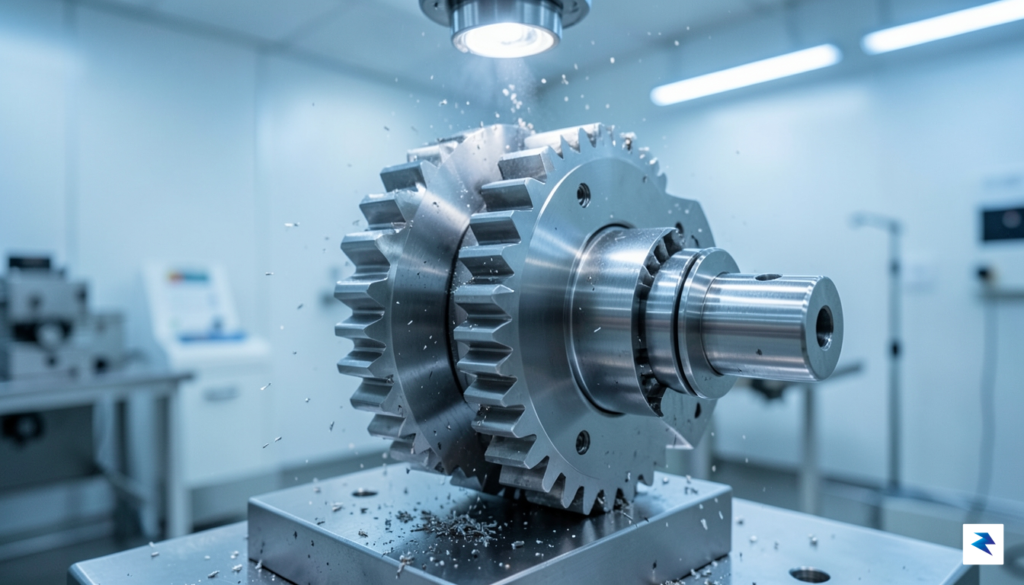
Beyond the battlefield, the semiconductor industry relies heavily on tungsten for the sophisticated architecture of modern microchips. As manufacturers push the boundaries of miniaturization to create faster and more efficient processors, they face significant hurdles regarding thermal management and interconnect reliability. Tungsten is utilized in advanced chemical vapor deposition (CVD) processes to create the conductive pathways that link billions of transistors. Without a consistent, high-purity supply of this material, the manufacturing yield for next-generation logic chips would plummet, causing ripple effects that would stifle the progress of artificial intelligence, cloud computing, and consumer electronics alike.
The revival of Sangdong represents a fundamental shift in the risk calculus for Western manufacturers, moving away from a single-source dependency toward a diversified, resilient industrial ecosystem.
The “Made in South Korea” label on this tungsten acts as a stabilizing force for global supply chain managers. By diversifying the origin of such a vital raw material, corporations and defense departments can better withstand sudden trade restrictions or diplomatic tensions that have historically sent shockwaves through the tech sector. This stability is not merely a logistical convenience; it is a prerequisite for long-term strategic planning. When defense and tech firms no longer have to worry about the availability of base materials, they can focus their capital and talent on innovation, ultimately maintaining a competitive edge in an increasingly complex and interconnected global economy.
Furthermore, the integration of Sangdong’s output into Western value chains encourages the development of localized processing capabilities. Because South Korea maintains rigorous standards for environmental and social governance, companies sourcing from the mine can offer greater transparency to their investors and end-users. This level of traceability is becoming increasingly vital as regulatory bodies and consumers alike demand higher ethical standards in the mining industry. Consequently, the Sangdong mine does more than just supply metal; it provides the foundational assurance that the high-performance hardware of tomorrow will be built upon a secure, reliable, and ethically sourced supply base.

The revitalization of the Sangdong mine is far more than a localized industrial project; it serves as a critical blueprint for nations attempting to decouple their supply chains from monopolistic control. Scaling up such an operation is inherently a slow, capital-intensive endeavor, fraught with the complexities of modern environmental regulations and the labyrinthine nature of international trade law. Investors and governments alike are discovering that reopening dormant mines requires not only massive financial injections but also a sustained commitment to meeting rigorous ESG (Environmental, Social, and Governance) standards that simply did not exist when the mine first shuttered decades ago. Overcoming these hurdles is a non-negotiable step for any country hoping to secure its technological future against the volatility of external market manipulation.
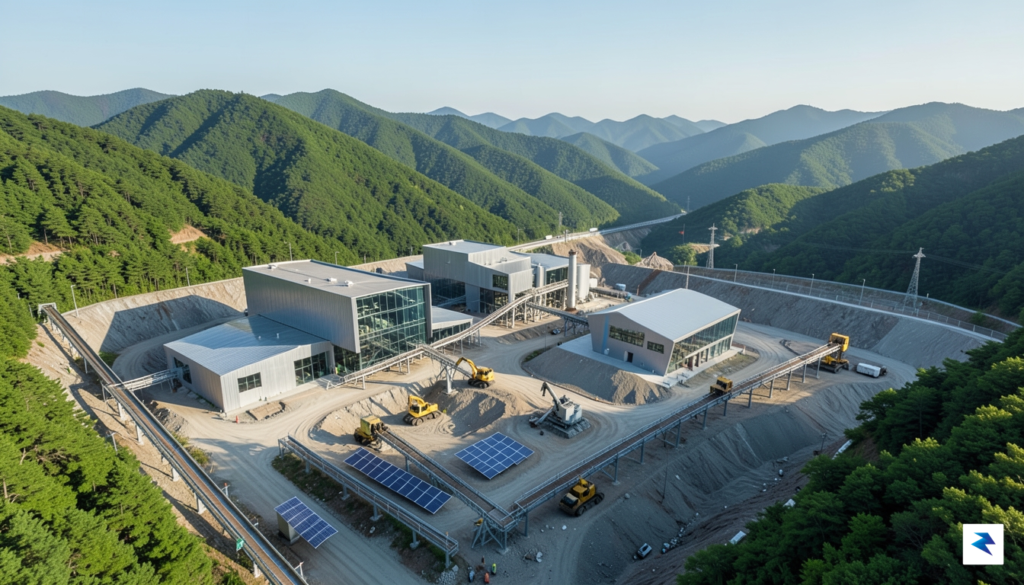
This initiative underscores a broader, accelerating trend known as “friend-shoring,” where democratic nations prioritize trade alliances with stable, politically aligned partners to ensure the flow of essential materials. By integrating the Sangdong project into the broader Western industrial ecosystem, South Korea is demonstrating that mineral sovereignty is no longer a matter of national isolationism, but rather a collective effort in building resilient supply networks. The success of this mine signals to the global market that the era of blind reliance on a single dominant supplier is coming to an end, replaced by a sophisticated, networked approach to material security. This shift effectively forces other nations to evaluate their own domestic capacity, pushing them to reconsider whether their current reliance on foreign critical minerals is a risk they can continue to afford.
The transition toward secure mineral sovereignty is not a sprint, but a structural pivot in global industrial policy that prioritizes long-term stability over the short-term allure of cheaper, yet politically vulnerable, supply sources.
Ultimately, the future of global mineral policy will be defined by how successfully countries can balance the high costs of domestic extraction with the urgent need for economic independence. As the Sangdong mine moves toward full-scale production, it provides a tangible case study for the policy frameworks that will dominate the coming decade. Governments that provide the necessary legislative support and investment security today will find themselves in a position of significant geopolitical strength tomorrow. The road ahead is undoubtedly difficult, requiring a delicate alignment of environmental stewardship and aggressive industrial growth, yet it remains the only viable path for nations that refuse to be sidelined in the race for the building blocks of the modern digital economy.
You must be logged in to post a comment.