
The Digital Gold Rush: Is the New Wave of Telehealth Safe for GLP-1 Access?
The Rise of the 'Temu Experience' in Telehealth The landscape of weight loss management has undergone a seismic shift, transforming…
The announcement that Sony intends to cease the production of physical game discs by 2028 serves as a watershed moment in the history of interactive entertainment, effectively closing the book on a format that has anchored the console market for over thirty years. For decades, the ritual of purchasing a plastic case, peeling back the shrink wrap, and hearing the mechanical whir of an optical drive has been synonymous with the gaming experience. However, the industry has been drifting toward a purely digital landscape for some time, and this definitive timeline provides a clear roadmap for a total structural transformation. By setting this 2028 horizon, Sony is signaling that the physical medium, once the gold standard for ownership and distribution, is no longer the primary pillar of their long-term growth strategy.
At the heart of this transition lies a fundamental pivot in Sony’s business model toward recurring digital revenue and the consolidation of its ecosystem. The transition away from discs allows the company to bypass the logistical complexities of global manufacturing, shipping, and retail inventory management, which are increasingly expensive and inefficient in a fast-paced market. More importantly, an all-digital model grants Sony tighter control over the consumer lifecycle. By centralizing distribution through the PlayStation Store, the company can more effectively leverage its subscription-based services, such as PlayStation Plus, and better integrate microtransactions and live-service updates directly into the software ecosystem. This move mirrors the successful long-term strategy of the PC gaming market, where platforms like Steam transformed the way users purchase and manage their libraries, fostering a model of convenience over physical collection.
The shift to digital-only infrastructure is not merely a change in format; it is a strategic maneuver designed to maximize engagement, lower overhead, and secure long-term profitability within a cloud-forward digital economy.
This strategic realignment is largely a response to shifting consumer behaviors that have favored the instant gratification of digital downloads over the traditional ownership of physical media. As high-speed internet becomes more reliable and storage solutions become more affordable, the friction once associated with downloading massive game files has largely evaporated. Sony is betting that by 2028, the convenience of a unified, cloud-connected library will outweigh the nostalgic or practical benefits of physical discs for the vast majority of players. While this transition may invite debate regarding the preservation of games and the nature of digital “licensing” versus true ownership, it is clear that the industry is prioritizing a seamless, platform-centric experience. Ultimately, the 2028 deadline represents a calculated leap into a future where the console acts less like a playback machine for physical goods and more like a gateway to a persistent, ever-evolving digital service.
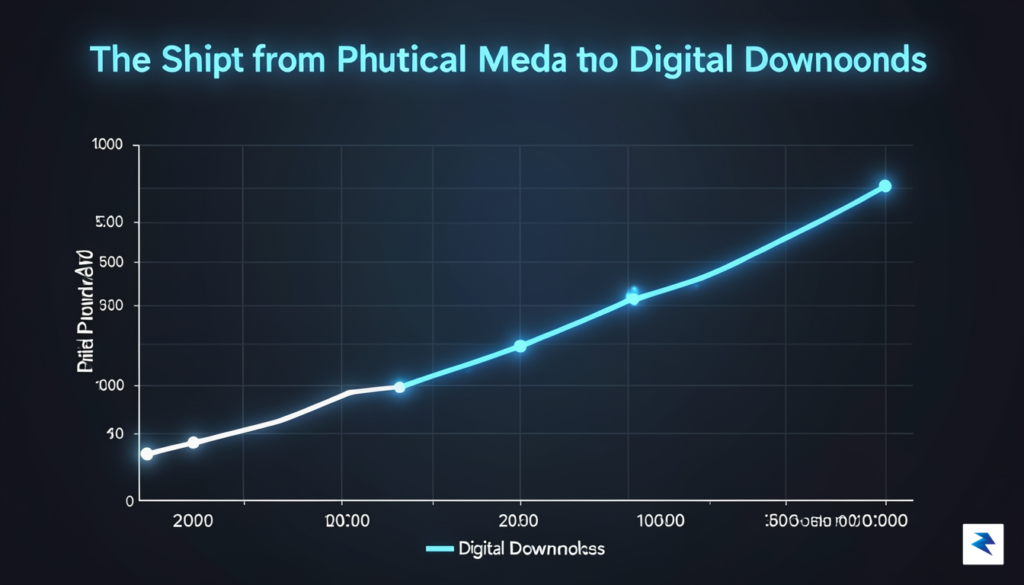
The transition away from physical media is not merely a corporate decision; it is a fundamental shift in the rhythm of modern digital life. For years, the tangible allure of a plastic game case and a printed manual provided a sense of ownership that digital storefronts could not replicate. However, the friction of visiting retail locations—which are increasingly dedicating less shelf space to gaming hardware and software—has driven consumers toward the frictionless convenience of the PlayStation Store. As high-speed fiber-optic internet becomes a household utility rather than a luxury, the ability to initiate a download from a mobile device and have a game ready by the time one arrives home has replaced the traditional trip to the store as the new standard for accessibility.
Furthermore, the technical reality of modern gaming has stripped away the primary advantage of the disc: the “plug-and-play” experience. In the current era, a physical disc often serves as little more than a digital key, as the massive day-one patches required to fix bugs and balance gameplay necessitate a robust internet connection regardless of the format. When a player inserts a disc only to be met with a multi-gigabyte download that renders the physical data secondary, the convenience argument for discs rapidly evaporates. This reliance on server-side updates means that the “archival” nature of physical media is increasingly an illusion, as the software is incomplete without persistent digital support.
The shift toward digital-only ecosystems is driven by a convergence of consumer desire for instant gratification and the industry’s need to eliminate the logistical overhead of manufacturing, shipping, and storing plastic-heavy inventory.
From a logistical standpoint, the overhead associated with global distribution is becoming difficult to justify in an age of rising material costs and carbon footprint concerns. Manufacturing millions of discs, printing inserts, and shipping them across continents creates a complex supply chain prone to delays and waste. By pivoting to a fully digital distribution model, publishers can bypass the middleman, maintain tighter control over pricing, and push updates instantaneously to millions of users. While collectors may mourn the loss of a physical library, the broader gaming population has spoken through their habits: they prioritize the immediate, interconnected, and seamless nature of the digital library over the aesthetic satisfaction of a physical collection.

The transition toward an all-digital ecosystem fundamentally alters the traditional consumer relationship with media, shifting the paradigm from outright ownership to a revocable license. When a player purchases a physical disc, they possess a tangible asset that can be played, traded, or resold at their discretion, independent of the publisher’s current server status. In contrast, digital titles are essentially long-term rentals governed by End User License Agreements (EULAs), which can be modified or terminated at the discretion of the platform holder. This shift effectively eliminates the second-hand market, preventing gamers from sharing their favorite titles with friends or recouping costs by selling used copies, thereby concentrating total control within the corporate storefront.

Beyond the loss of ownership, there are significant technical risks associated with relying solely on digital storefronts for historical access. History has shown that when digital marketplaces close—such as the shuttering of the Wii Shop Channel or the localized removal of titles due to expired licensing deals—content often vanishes into a digital void, becoming inaccessible to new buyers and potentially even those who previously purchased the software. Without the permanence of a physical medium, the preservation of gaming history becomes entirely dependent on the goodwill and profitability of the manufacturer. If a company decides that maintaining servers for legacy content is no longer a viable business strategy, they can effectively erase decades of creative work with a single press release.
The shift to digital-only distribution transforms games from permanent cultural artifacts into ephemeral services, leaving the burden of preservation on community-driven emulation projects rather than the official curators of the medium.
This precarious state of affairs has placed a renewed spotlight on the critical role of emulation and fan-led archival efforts. Because official digital platforms are susceptible to sudden store closures and server decommissions, enthusiasts have become the de facto guardians of gaming heritage, working to rip, preserve, and maintain playable code for future generations. However, these efforts often exist in a legal gray area, highlighting a systemic failure in the industry to provide a robust, reliable pathway for long-term access. As we look toward a 2028 landscape where discs may no longer be an option, the community must reckon with the sobering reality that without a shift in policy, a vast library of interactive history could become lost to time, trapped behind the gates of defunct authentication servers and expiring digital rights.
The impending shift toward an all-digital landscape necessitates a fundamental change in how we perceive ownership and long-term data management. For those who have spent decades curating physical shelves of game cases, the transition requires moving from a tangible “shelf-ready” mindset to a robust digital archival strategy. The most immediate priority for any enthusiast should be the investment in high-capacity external solid-state drives (SSDs). As game file sizes continue to balloon, relying solely on internal console storage is no longer sustainable; therefore, establishing a redundant backup system—where your library is mirrored across multiple drives—becomes the only way to safeguard your digital footprint against hardware failure or accidental data loss.

Beyond hardware, the community must begin to grapple with the evolving concept of the “digital collector.” While true ownership in a digital ecosystem is often restricted by licensing agreements, gamers can still treat their libraries with the same care as physical media. This involves meticulously organizing digital folders, maintaining updated cloud saves, and being proactive about downloading patches and updates before servers inevitably go offline in the distant future. It is also wise to monitor the rise of digital storefront preservation efforts; as official support for legacy consoles eventually wanes, user-led initiatives and community-driven archiving projects will likely become the primary methods through which we keep our digital history alive.
The transition to digital-only isn’t just about losing the plastic case; it’s about taking full responsibility for the longevity of your software library in an era where access can be revoked by a simple server switch.
For those who remain dedicated to the tactile experience, the years leading up to 2028 offer a unique window of opportunity to complete your physical collections. Now is the time to prioritize purchasing “must-have” titles that feature all content on the disc, avoiding games that require massive day-one digital downloads just to be playable. Focus your remaining budget on acquiring definitive editions and cult classics that might never see a digital re-release due to licensing complexities. By focusing your physical acquisitions on games that are historically significant or prone to being “delisted” from digital storefronts, you can create a curated, permanent vault that serves as a testament to the era of physical media long after the manufacturing lines have ceased production.

The transition toward an all-digital ecosystem represents more than just a change in how we access our libraries; it is a profound shift in the industry’s environmental and economic footprint. By eliminating the necessity for plastic casing, paper manuals, and the complex logistics of global shipping, Sony stands to significantly reduce the carbon emissions associated with the PlayStation lifecycle. Traditional manufacturing requires massive energy consumption for disc pressing and distribution, not to mention the inevitable electronic waste generated by legacy hardware and non-recyclable materials. Moving to a digital-only distribution model effectively cuts these supply chain inefficiencies, allowing the gaming giant to lean into a leaner, more sustainable corporate profile that resonates with modern climate-conscious goals.

From an economic standpoint, the shift introduces a complex dynamic regarding game pricing and long-term value. While critics often worry that a digital-only future removes the competitive pricing found in the second-hand market—where physical discs can be traded or resold—there is a counter-argument regarding publisher efficiency. Without the massive overhead costs of physical manufacturing, warehousing, and international freight, publishers could theoretically afford to pass those savings on to the player. However, the reality of the digital storefront often suggests the opposite; because Sony maintains a closed ecosystem with no competition from third-party retailers for digital keys, they retain absolute control over price points, potentially keeping titles at a premium price for longer periods than we see with physical retail releases.
The elimination of physical media is a double-edged sword: it drastically reduces industrial waste, but it also consolidates economic power, effectively removing the consumer’s ability to trade or resell their purchased assets.
Furthermore, this transition fundamentally alters how developer royalties and distribution margins are structured. In the era of physical media, a large portion of the revenue is siphoned off by retailers, distributors, and logistics partners, leaving smaller margins for the actual creators of the games. By moving exclusively to the PlayStation Store, Sony creates a direct-to-consumer pipeline that simplifies the financial transaction. This could allow for more robust revenue sharing with independent developers, provided the platform holder chooses to adjust their current commission rates. Ultimately, while the environmental benefits of a digital-first future are undeniable, the economic impact on the average gamer will depend heavily on whether Sony leverages these newfound efficiencies to foster a more accessible marketplace or continues to enforce a rigid, high-margin pricing structure.
You must be logged in to post a comment.