The Shift in Apple’s Hardware Strategy
For years, Apple has anchored its fiscal year around a predictable autumn rhythm, primarily centered on the iPhone and its surrounding ecosystem of accessories. This seasonal concentration, while effective for driving massive end-of-year sales, has historically created a noticeable stagnation in the early months of the calendar. By shifting the release of high-performance devices like the next-generation iPad Pro and updated MacBook Pro models to the first quarter, Apple is signaling a deliberate move to smooth out its product lifecycle. This strategy aims to prevent the “post-holiday lull” that typically impacts consumer electronics, ensuring that the company maintains its market momentum and visibility throughout the entire fiscal year rather than relying solely on a Q4 surge.
Beyond simple market timing, this pivot reflects a nuanced adjustment to global supply chain management. By decoupling its professional-grade hardware from the intense manufacturing pressures of the holiday season, Apple can better stabilize its production lines and potentially reduce the risk of stock shortages that have plagued past launches. This transition offers the company more breathing room to optimize the assembly of complex displays and integrated chips, which are often the bottlenecks for high-end mobile computing hardware. In turn, this allows for a more consistent availability of flagship products, satisfying enterprise clients and power users who are often forced to wait months to secure the latest upgrades.
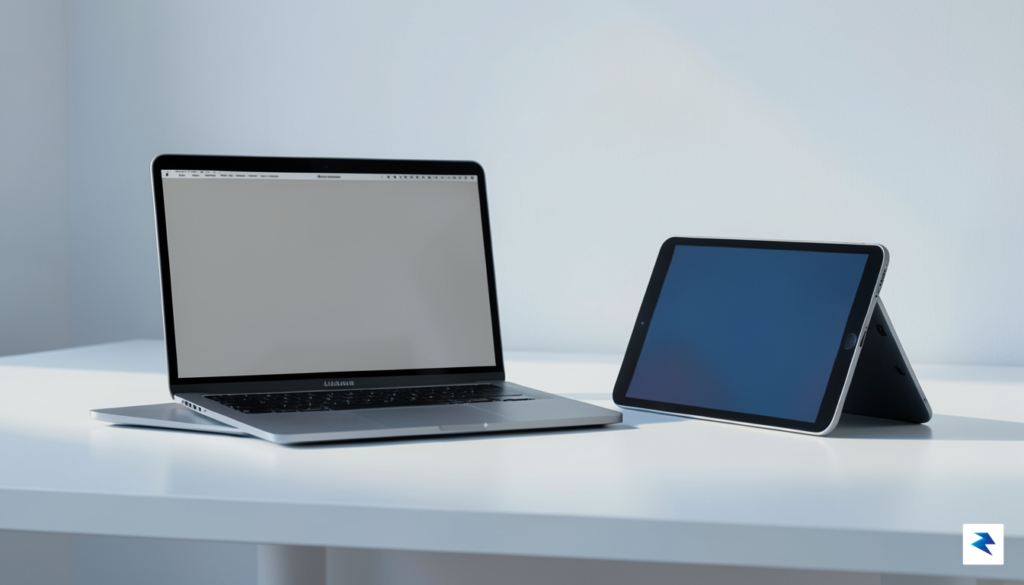
The strategic focus on early-year releases also highlights a deliberate effort to address specific market segments that have felt neglected during the company’s recent focus on mobile telephony. The creative professional community, which relies heavily on the iPad Pro and MacBook Pro for high-intensity workflows, often operates on a different schedule than the average consumer. By delivering these powerful tools in the first half of the year, Apple provides professionals with the updated hardware they need to begin their annual projects with the latest technological advantages. This move suggests that Apple is not just interested in maintaining its lead in the consumer space, but is also actively working to stimulate demand in the professional sector by providing consistent, predictable hardware refresh cycles.
The transition toward a dispersed launch schedule represents a maturing hardware strategy, prioritizing long-term supply chain health and sustained consumer engagement over the traditional, singular spike in fourth-quarter revenue.
Ultimately, this tactical shift is about maintaining relevance in an increasingly competitive landscape where stagnation can quickly lead to lost market share. By populating the early months of the year with significant product announcements, Apple forces the market to keep its gaze fixed on the Cupertino ecosystem. This constant stream of innovation ensures that the brand remains at the forefront of the conversation long after the holiday shopping season has concluded, setting a steady, high-performance tone for the rest of the year.
What to Expect from the Next-Gen iPad Pro
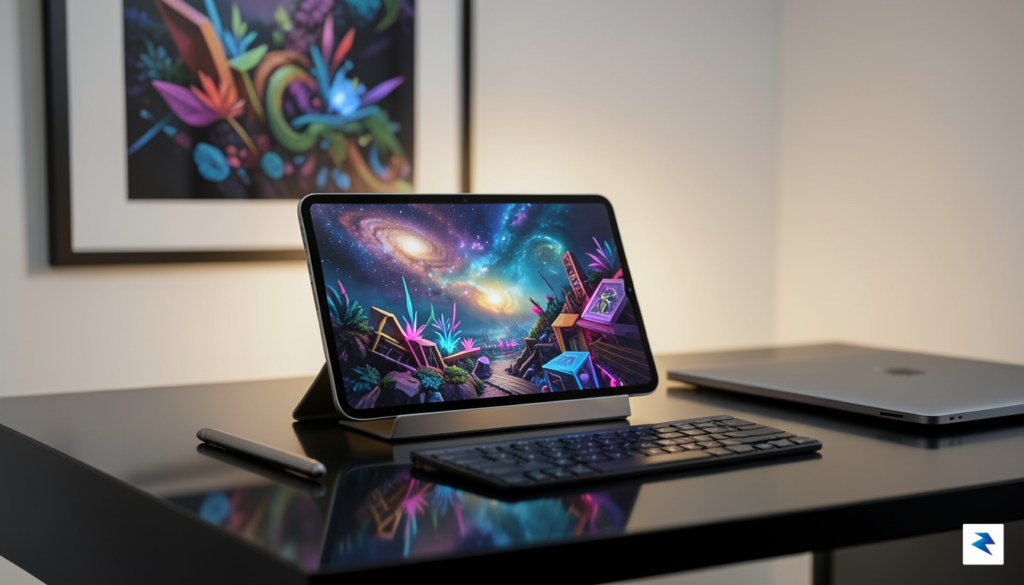
The upcoming iteration of the iPad Pro is widely anticipated to represent a significant leap in mobile computing, primarily driven by the integration of the next evolution in Apple’s silicon. Building upon the current M4 architecture, these new models are expected to push the boundaries of what is possible in a thin, tablet-based chassis. For power users and creative professionals, this means a sustained increase in multi-core performance and enhanced neural engine capabilities, which are essential for tasks like real-time 3D rendering, complex video editing, and advanced machine learning workloads. By optimizing the architecture for thermal efficiency, Apple aims to bridge the gap between tablet portability and desktop-class performance without compromising the device’s signature slim form factor.
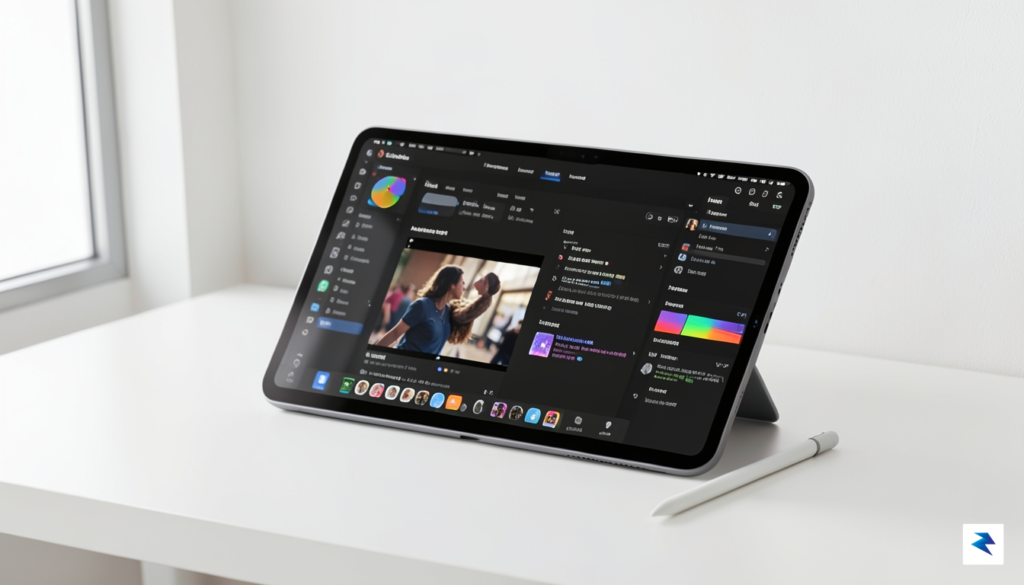
Central to this hardware update is the refinement of display technology. While the current generation already utilizes impressive tandem OLED panels to achieve deep blacks and incredible brightness, the next-gen refresh is rumored to further optimize power consumption and color accuracy. This evolution is vital for professionals who rely on color-critical workflows, as it ensures that the display remains consistent even during long, intensive editing sessions. Furthermore, the interplay between this advanced display hardware and the underlying chip architecture suggests that Apple is focused on reducing latency, making the stylus experience feel even more responsive and natural for illustrators and designers.
Software Synergy and Thermal Engineering
Hardware performance is only as effective as the software that utilizes it, which is why the integration of iPadOS remains a critical piece of the puzzle. With the arrival of more potent internal components, users can expect Apple to introduce more sophisticated multitasking features, potentially allowing for more robust background processing and deeper integration with external displays. This symbiotic relationship between the M-series chips and the operating system is designed to turn the iPad Pro into a truly viable alternative to traditional laptops for a wider range of high-end workflows.
The true potential of the next-gen iPad Pro lies in how effectively the software layer can harness the raw, sustained power of Apple Silicon without hitting thermal bottlenecks.
Managing the heat generated by such powerful components within such a compact, portable chassis remains one of Apple’s most significant engineering challenges. To maintain peak performance, it is likely that the new iPad Pro will utilize advanced thermal materials, such as graphite sheets or copper-integrated internal architectures, to dissipate heat effectively. By perfecting this thermal management, Apple ensures that users do not experience performance throttling during heavy tasks like 8K video export or intensive gaming. Ultimately, these hardware and software refinements solidify the iPad Pro’s position as the premier tool for those who demand uncompromising performance in a portable package.
The Case for a Budget-Friendly MacBook Pro

The most compelling narrative surrounding Apple’s upcoming hardware lineup is the potential emergence of a more accessible entry-level MacBook Pro. For years, the gap between the ultra-portable, fanless MacBook Air and the high-performance, chassis-heavy MacBook Pro has been defined by a significant price and performance chasm. By introducing a tier that occupies this middle ground, Apple could effectively capture a demographic that feels alienated by the current pricing structure: students who require sustained performance for coding, creative freelancers managing heavy multitasking, and developers who need a machine capable of handling virtualization without the premium cost of the M4 Max or Pro chips.

Currently, the MacBook Air serves as an exceptional machine for general productivity, yet it occasionally hits thermal ceilings under prolonged, intensive workloads due to its lack of active cooling. A budget-friendly MacBook Pro would likely resolve this by incorporating a more robust thermal management system, allowing the silicon to maintain peak clock speeds for longer durations. To achieve a lower price point, Apple might employ strategic trade-offs, such as utilizing a slightly less vibrant Liquid Retina display or limiting the base configuration to fewer high-speed ports. These compromises would be perfectly acceptable for the target audience, who prioritize consistent, reliable power over the cutting-edge, top-tier specifications found in the current flagship models.
The true genius of a budget-friendly Pro model lies in its ability to offer ‘pro’ capabilities—like active cooling and enhanced I/O—without the overhead of unnecessary premium components.
Furthermore, the market niche for this device is surprisingly deep. Many entry-level professionals find themselves caught in a dilemma: the MacBook Air is often just enough, but never quite enough for professional-grade creative work, while the standard MacBook Pro feels like an expensive overkill. By bridging this gap, Apple isn’t just releasing another laptop; they are redefining their value proposition. This strategic move could solidify the MacBook’s position as the primary tool for the next generation of digital creators, ensuring that Apple remains the default choice for those who need reliable, sustained performance that grows alongside their career without requiring a massive initial investment.
Strategic Implications for the Apple Ecosystem
The introduction of new hardware, like the anticipated iPad Pro and MacBook Pro models, represents far more than just a spec bump; it’s a strategic move designed to reinforce the very foundations of the Apple ecosystem. These devices are meticulously engineered to integrate seamlessly into Apple’s broader vision, particularly concerning its advanced silicon and expansive services roadmap. By offering compelling reasons to upgrade, Apple ensures that its users remain deeply embedded within an environment that continuously evolves, providing a clear and rewarding upgrade path that solidifies long-term loyalty and engagement.
At the heart of this strategy lies Apple Silicon. The upcoming devices are expected to feature the latest iterations of Apple’s custom-designed chips, delivering not just raw processing power, but also significant advancements in power efficiency, neural engine capabilities, and graphics performance. This vertical integration allows Apple to optimize hardware and software in ways competitors cannot, unlocking new experiences and pushing the boundaries of what’s possible on a mobile or portable platform. For instance, a more powerful chip in the iPad Pro can enable desktop-class applications and even more demanding creative workflows, while in the MacBook Pro, it can offer unparalleled performance for professionals, all while maintaining exceptional battery life, further distinguishing the Apple experience from the competition.
Moreover, these hardware refreshes are crucial enablers for Apple’s suite of interconnected features, collectively known as Continuity. With more powerful and optimized devices, features like Sidecar, which extends your Mac desktop to an iPad, or Universal Control, allowing you to use a single mouse and keyboard across multiple Apple devices, become even more fluid, responsive, and indispensable. Imagine the precision and speed gained when using an M-series powered iPad Pro as a secondary display for a similarly powerful MacBook Pro; the reduction in latency and increase in processing headroom make these features genuinely transformative for productivity and creativity. This seamless interplay between devices is a powerful differentiator, making the ecosystem inherently “stickier” by making it harder and less desirable to switch away from.
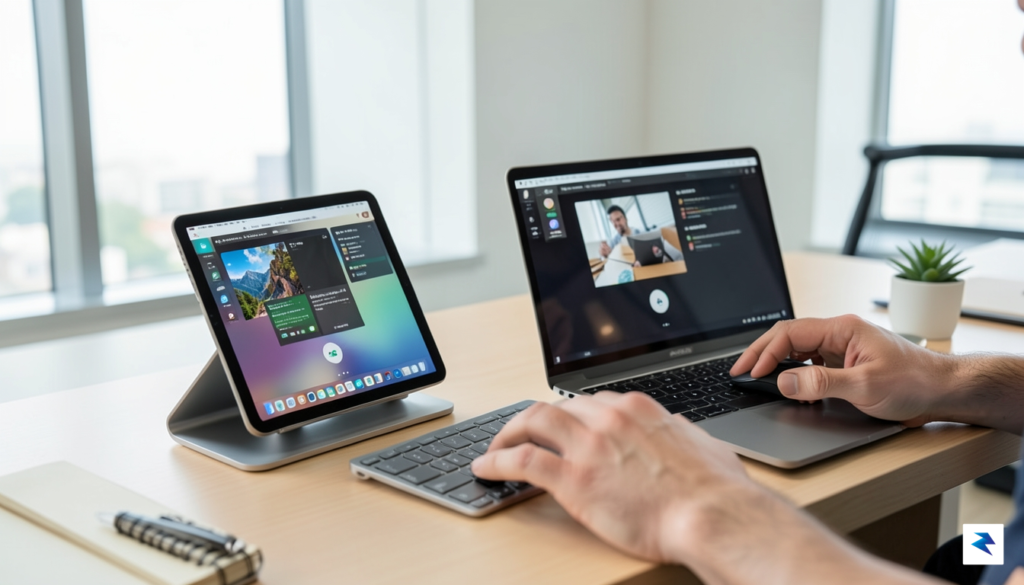
Beyond the immediate hardware benefits, the introduction of new devices plays a pivotal role in bolstering Apple’s services strategy. A fresh installed base of powerful hardware provides a fertile ground for the growth of services like iCloud, Apple Arcade, Apple TV+, and Apple One subscriptions. New capabilities in the hardware, such as enhanced cameras for FaceTime, improved displays for content consumption, or faster processors for intensive gaming, directly translate into a richer and more appealing experience for these services. Users are more likely to subscribe to Apple One, for example, when their devices can fully leverage every component of the bundle, from storing vast photo libraries in iCloud to enjoying high-fidelity gaming on Apple Arcade. This symbiotic relationship ensures that hardware drives service adoption, and services, in turn, add value to the hardware, creating a self-reinforcing cycle of engagement and revenue.
Ultimately, these planned releases are a testament to Apple’s long-term vision: to create a cohesive, powerful, and user-centric ecosystem where every component reinforces the other. By continuously innovating on both the silicon and hardware fronts, while simultaneously expanding and refining its services, Apple provides a compelling reason for users to stay within its orbit. The integration of cutting-edge processors with seamless cross-device functionality and a robust services offering creates a powerful value proposition, ensuring that users not only have a clear upgrade path but also a consistently evolving and deeply integrated digital experience that fosters enduring loyalty.
Market Outlook and Consumer Recommendations

Deciding between purchasing current Apple hardware or waiting for the rumored 2025 refresh is a classic dilemma that balances immediate productivity against the allure of future-proofing. For the average user, the M-series chips have reached a level of maturity where the performance gains from one generation to the next are often incremental rather than revolutionary. While the prospect of updated silicon is exciting, it is vital to evaluate whether your current workflow is actually being bottlenecked by your hardware or if you are simply chasing the latest specification sheet. If your existing device handles your daily tasks—such as word processing, media consumption, or moderate multitasking—without latency, the diminishing returns of a new model may not justify the significant financial investment required at launch.
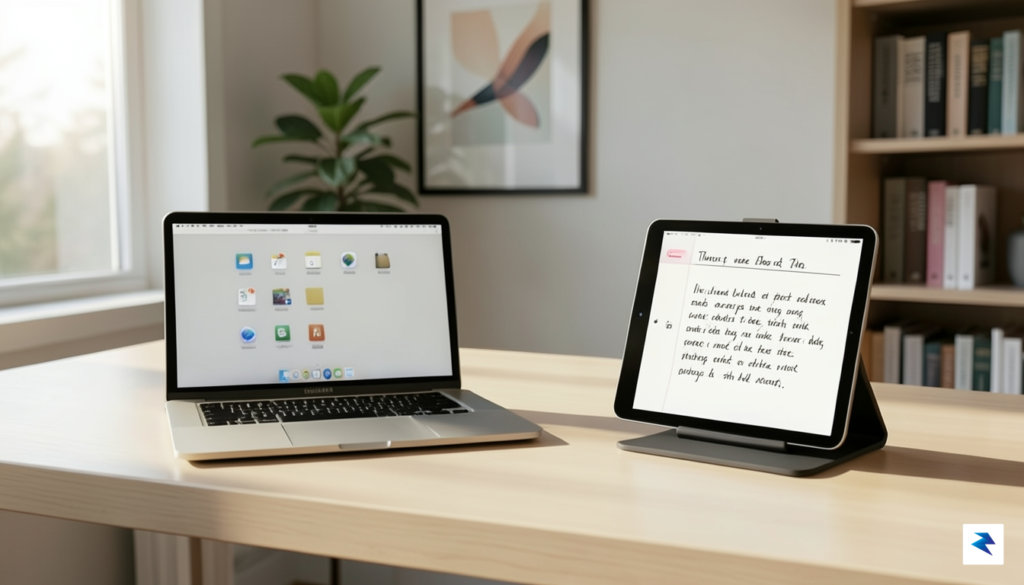
To determine your best path forward, consider this decision matrix based on your specific needs:
- Wait if: You are a creative professional pushing your machine to its thermal limits, such as 8K video editors or 3D renderers who rely on the latest neural engine optimizations. Additionally, if your current device is nearing the end of its software support cycle, holding out for a few months ensures you get the longest possible lifespan out of your next major purchase.
- Buy now if: You have an urgent business need, a broken machine, or are currently working on a device that is more than four years old. The current M-series lineup is incredibly capable, and you will likely see a massive improvement in battery life and efficiency compared to older Intel-based machines regardless of whether you buy today or next spring.
The most meaningful tech investment is one that solves a current bottleneck rather than one that merely satisfies the desire for the newest badge on the back of the device.
Ultimately, Apple’s upcoming hardware releases will undoubtedly bring refined designs and potentially new display technologies, but these updates rarely change the fundamental utility of the product for the majority of users. If you choose to wait, ensure you are doing so because you have a clear use case for the expected enhancements, such as improved OLED panels or increased memory bandwidth for AI-driven workflows. By stripping away the hype and focusing on the tangible constraints of your current setup, you can make a calculated decision that prioritizes your budget and your actual computing requirements over the constant cycle of incremental upgrades.