Google Loses Final Appeal: A Deep Dive Into the $4.7B EU Antitrust Ruling
The End of a Legal Saga: Google’s EU Antitrust Defeat The definitive ruling by the European Court of Justice marks the conclusion of a…
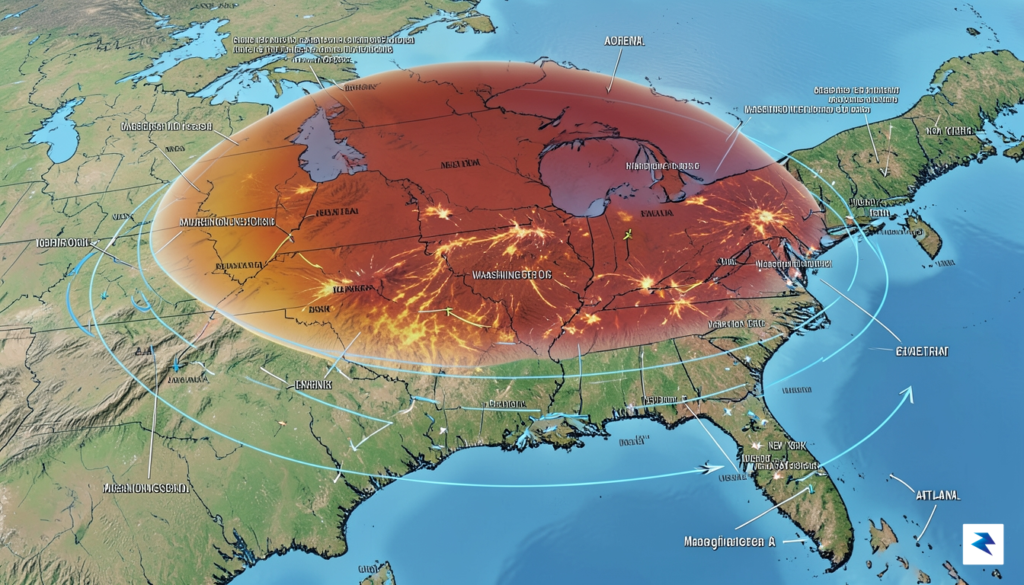
At its core, a heat dome is a meteorological phenomenon that functions much like a lid on a pot of boiling water. It begins with a strong, persistent high-pressure system that anchors itself over a specific region, effectively acting as an atmospheric trap. This system forces air downward, compressing it and causing it to heat up significantly. As this high-pressure ridge settles, it pushes away clouds and prevents cooling breezes from entering the area, allowing the sun to bake the ground day after day without interruption. By keeping stagnant, sweltering air locked in place, the atmosphere creates a feedback loop that prevents the usual weather patterns from breaking the cycle.
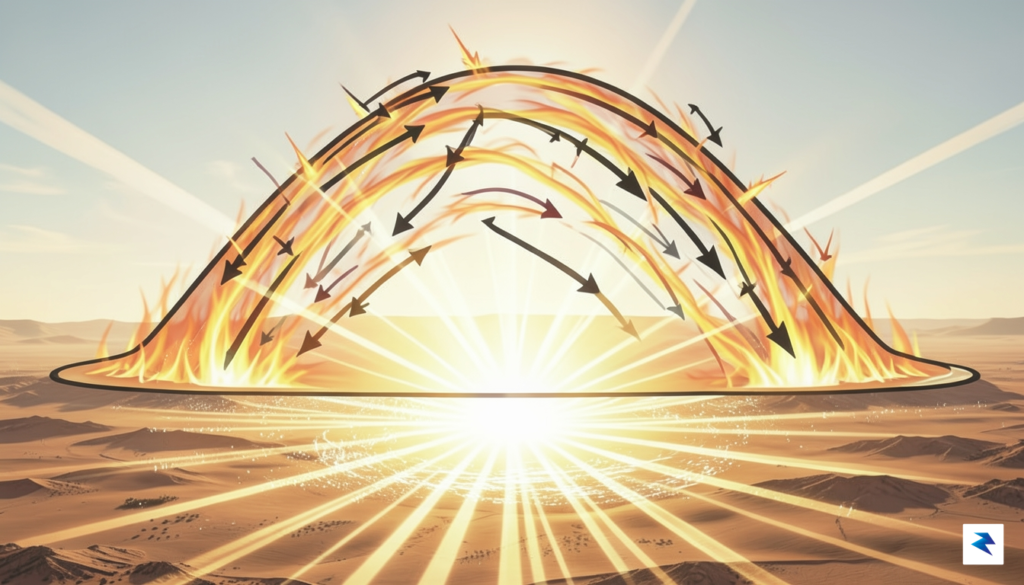
What makes these events particularly dangerous compared to a standard hot summer day is the way they alter the local environment through a self-reinforcing process. As the trapped air continuously heats the ground, the soil begins to dry out rapidly, losing its natural moisture. Normally, moisture in the soil helps cool the air through evaporation; however, when the earth becomes parched, that cooling mechanism vanishes. Without this natural air conditioning, the solar energy that would have gone into evaporating water instead goes directly into heating the air even further. Consequently, the ground becomes a furnace, and the surrounding atmosphere grows hotter and more oppressive with every passing hour.
The most lethal aspect of a heat dome is not just the daytime peak, but the lack of relief once the sun goes down.
This lack of nighttime cooling is perhaps the most significant threat to human health during a heat dome event. In a typical summer pattern, temperatures drop significantly after sunset, allowing bodies, homes, and infrastructure to shed the heat accumulated throughout the day. Under a heat dome, the high-pressure system prevents these nighttime dips, keeping temperatures elevated even in the dark. Because the air does not cool down, the body is denied the essential recovery period needed to regulate its internal temperature. Over several days, this constant physiological stress accumulates, making simple activities—even those planned for the holiday weekend—suddenly hazardous for vulnerable individuals, outdoor workers, and those without adequate access to air conditioning.

As communities nationwide gear up for July Fourth festivities, the confluence of traditional celebrations and escalating heat domes presents a dangerous scenario. Many of our most cherished holiday activities, from backyard barbecues to fireworks displays, inadvertently strip the body of its natural cooling defenses, turning a day of patriotic joy into a potential medical emergency. Understanding these physiological vulnerabilities is crucial for staying safe when temperatures soar to extreme levels.
One of the most significant culprits in increasing heat stroke vulnerability during celebrations is alcohol consumption. While a cold beer or cocktail might feel refreshing initially, alcohol acts as a potent diuretic, prompting increased urination and thus accelerating fluid loss from the body. This dehydration directly compromises your body’s ability to produce sweat – its primary cooling mechanism – and maintain adequate blood volume. Even moderate amounts can significantly impair your body’s thermoregulation, making you far more susceptible to overheating, especially when spent outdoors in the scorching sun.
Furthermore, prolonged outdoor exposure, often involving extended periods of standing, significantly strains the body’s circulatory system. Activities like waiting for a parade to pass or securing a prime spot for fireworks can lead to blood pooling in the lower extremities due to gravity. This reduces the effective blood volume available to circulate to the skin, where vasodilation – the widening of blood vessels – is essential for radiating excess heat away from the core. When your body struggles to efficiently move heat from the inside out, its internal temperature begins to climb dangerously.
The combination of ‘day drinking’ and high humidity compounds these risks dramatically. Consuming dehydrating beverages during the hottest parts of the day, particularly when humidity levels are high, creates a perfect storm for heat-related illnesses. The body is already working overtime to cool itself, and introducing alcohol further diminishes its capacity while the surrounding environment actively works against its natural cooling processes. This cumulative effect makes what might seem like harmless fun incredibly dangerous.
Perhaps most critically, high humidity severely hinders the body’s ability to cool itself through sweat evaporation. Our bodies rely on sweat evaporating from the skin’s surface to carry away heat. However, when the air is already saturated with moisture, as it is during humid conditions, sweat simply cannot evaporate as efficiently. Instead, it often just drips off, taking very little heat with it. This means your body continues to sweat profusely, losing vital fluids and electrolytes, without getting the crucial cooling relief it desperately needs, leading to a rapid and dangerous buildup of internal heat that can quickly escalate to heat exhaustion or heat stroke.

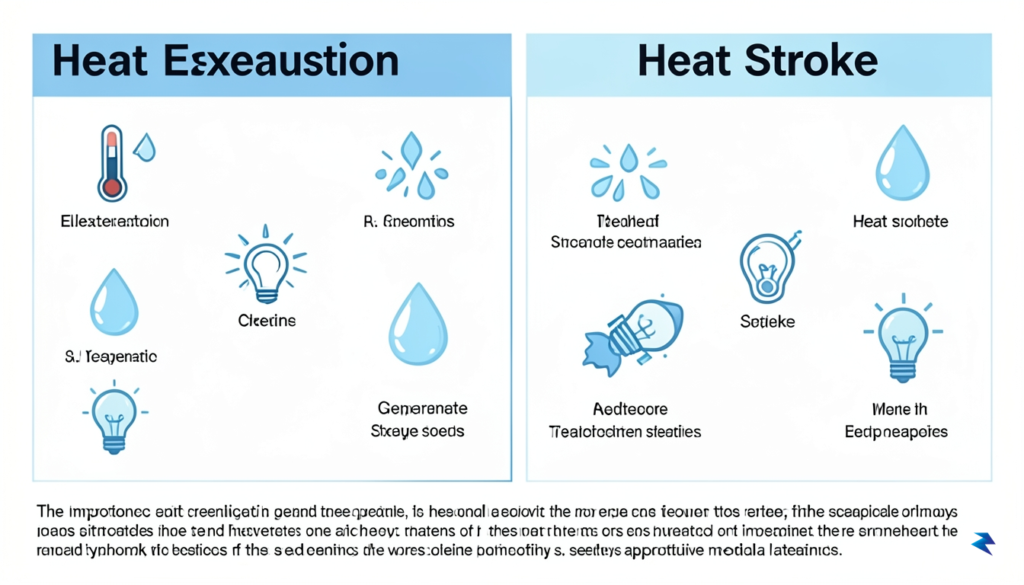
During the excitement of holiday festivities, it is all too easy to mistake the early, subtle signals of your body struggling under extreme heat for mere fatigue or the effects of a long day in the sun. Heat-related illness is rarely a sudden event; rather, it typically progresses through a series of red flags that are often dismissed by those determined to keep the party going. Recognizing the onset of heat exhaustion is your first line of defense. Symptoms usually include heavy, drenching sweating, a rapid or weak pulse, dizziness, nausea, and a feeling of faintness. If you notice these signs in yourself or a friend, your body is effectively sounding an alarm that your cooling systems are becoming overwhelmed. Ignoring these warnings by “toughing it out” is not a sign of strength, but a dangerous gamble that can rapidly accelerate your condition into a life-threatening emergency.
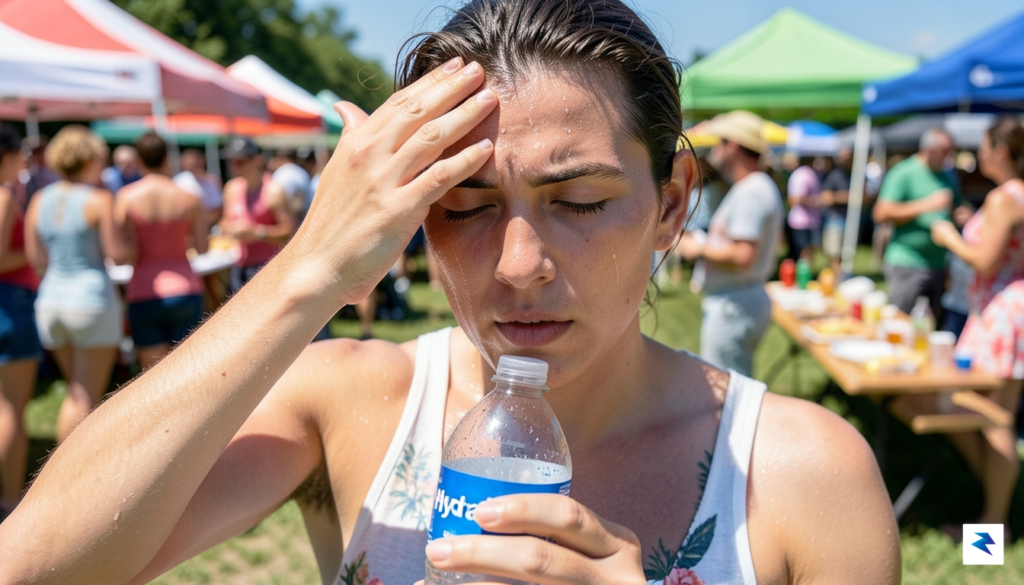
The transition from heat exhaustion to heat stroke is a critical threshold where the body’s internal temperature regulation fails entirely. Unlike the heavy sweating seen in earlier stages, heat stroke is often characterized by hot, dry skin, as the body has completely run out of fluid to produce sweat. More alarmingly, the brain begins to suffer the effects of hyperthermia, leading to confusion, slurred speech, agitation, or a complete loss of consciousness. Because heat stroke can cause permanent damage to vital organs or even result in death within minutes, it is essential to understand that this is a medical emergency that requires immediate intervention. If someone stops sweating, develops a throbbing headache, or begins acting uncharacteristically disoriented, you must act instantly to move them to a cooler environment and seek help.
The Golden Rule: If you suspect heat stroke, do not wait for the person to “cool down” on their own. Treat it as a medical emergency—call 911 immediately and prioritize aggressive cooling measures while waiting for professionals.
It is vital to debunk the pervasive myth that you can simply power through heat illness with sheer willpower. Heat-related conditions are physiological, not psychological, and once your core body temperature rises beyond a certain point, your ability to make rational decisions is compromised. To stay safe during your holiday gatherings, keep a close eye on those around you, especially children and older adults who may not be able to articulate their distress. If you are ever in doubt about whether a situation is serious, it is always better to err on the side of caution. By staying hydrated, seeking shade during the peak heat of the afternoon, and taking the early symptoms seriously, you can ensure that your holiday memories remain centered on celebration rather than tragedy.

Navigating the festivities during a heat dome does not require you to abandon your holiday plans entirely; rather, it demands a recalibration of how you engage with the outdoors. By shifting your schedule to avoid the peak solar intensity—typically between 10:00 a.m. and 4:00 p.m.—you can significantly reduce your exposure to the most dangerous thermal conditions. Planning your gatherings for the early morning hours or waiting until after the sun begins its descent in the late evening allows you to enjoy the holiday while the ambient temperature remains at its most manageable level.
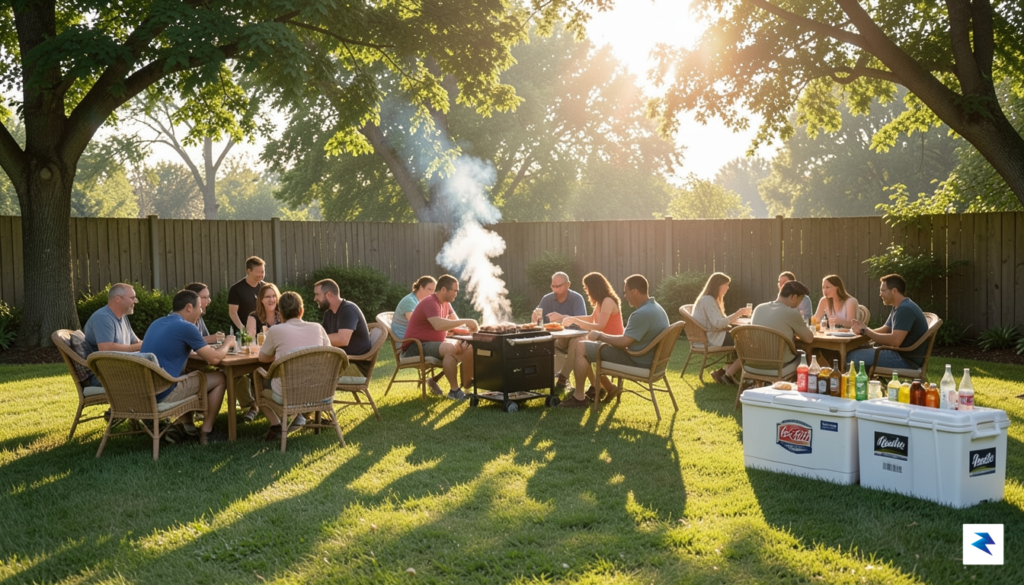
When you are committed to outdoor celebrations, implementing a proactive cooling rotation is essential for maintaining your body’s core temperature. Instead of remaining in the sun for extended periods, establish a strict rotation where guests cycle through “cooling stations” every 30 to 45 minutes. These stations should be strategically placed in deep shade, ideally equipped with portable misting fans, wet towels, or access to climate-controlled indoor spaces. By normalizing these breaks, you remove the social pressure to “tough it out,” ensuring that everyone stays refreshed and alert to the early signs of heat-related illness.
To effectively mitigate heat stress, prioritize physiological support alongside behavioral changes: replace lost electrolytes rather than simply hydrating with plain water to maintain proper fluid balance and prevent hyponatremia.
Furthermore, hydration strategies must be evidence-based to be truly effective. While drinking water is vital, the intense perspiration caused by a heat dome depletes essential minerals like sodium, potassium, and magnesium at an accelerated rate. Relying solely on water can inadvertently dilute your body’s electrolyte levels, leading to fatigue and muscle cramps. Incorporate electrolyte-replacement beverages or salty snacks into your holiday menu to ensure your body can retain the fluids you consume.
By blending these logistical preparations with a heightened sense of situational awareness, you transform your holiday celebration from a potential risk into a safe and enjoyable experience. Remember that the goal is not to eliminate your time outside, but to manage your environment so that the heat dome does not dictate your health outcomes. Through careful scheduling and the deliberate creation of cooling zones, you can successfully balance the spirit of the holiday with the necessity of rigorous self-care.
You must be logged in to post a comment.