How Bending Spoons Defied the SaaS Slump with a 40% IPO Surge
The Bending Spoons Phenomenon: A New Paradigm for Software Acquisition In an era where the broader Software-as-a-Service (SaaS) market has…
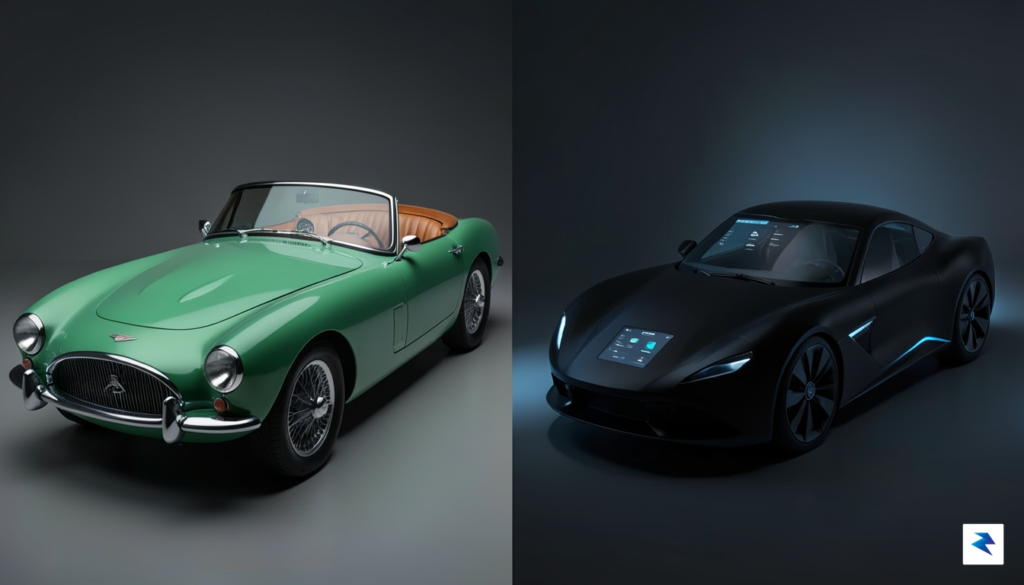
For over half a century, the Jaguar nameplate has been inextricably linked to the visceral language of the “feline” silhouette. Think back to the E-Type, a vehicle Enzo Ferrari famously dubbed the most beautiful car ever made, or the lithe, muscular haunches of the XJ series. These designs were defined by their sweeping, aerodynamic curves, elongated bonnets, and a visual sense of forward momentum that felt like a predator coiled, ready to spring. This aesthetic was not merely decorative; it was a physical manifestation of the internal combustion engine’s requirements. Long hoods were necessary to house massive inline-six or V12 powerplants, while fluid, organic shapes were prioritized to channel air toward radiators and manage drag in an era when mechanical complexity dictated every inch of sheet metal.
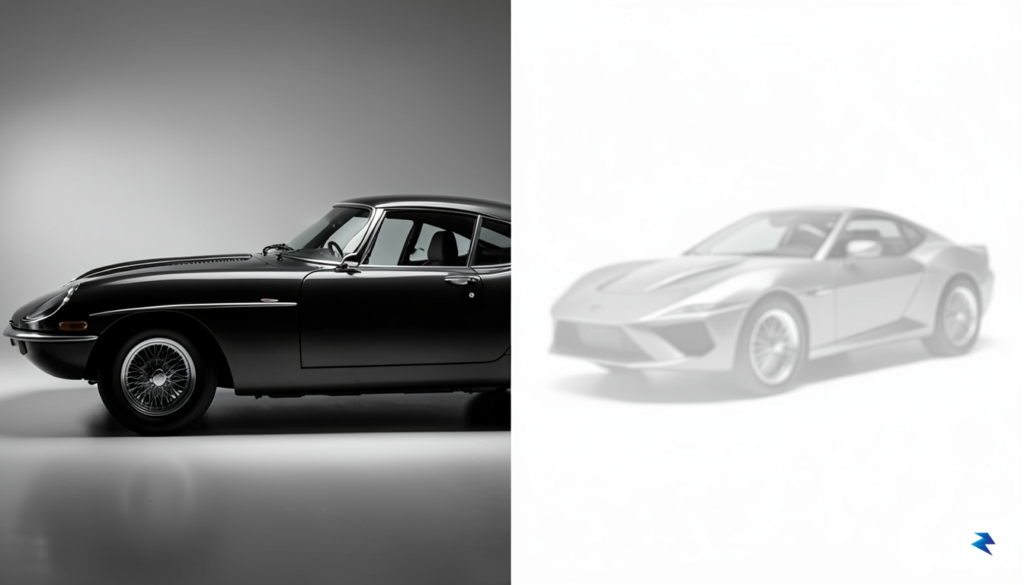
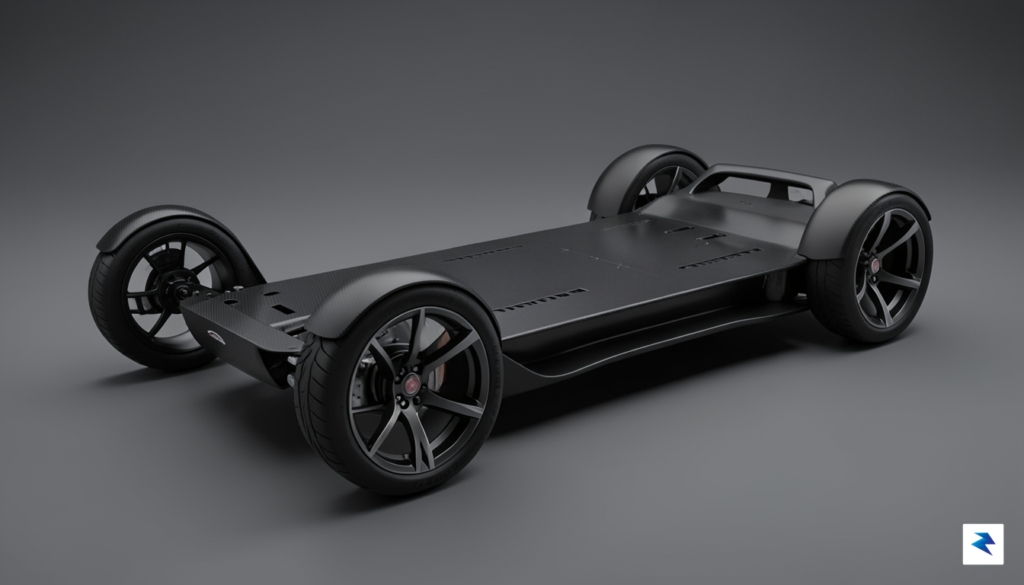
However, the transition to an all-electric architecture renders these traditional proportions obsolete. Modern electric platforms—often referred to as “skateboard” chassis—place the battery pack and motors low within the wheelbase, eliminating the need for the massive engine bays that once defined the Jaguar look. If the brand were to cling to its heritage curves, it would be forced to manufacture “fake” hoods that serve no functional purpose, essentially wearing a costume of the past. Relying purely on nostalgia is a dangerous trap for a luxury manufacturer; it risks tethering a brand to a bygone era while competitors innovate with purpose-built electric geometries. To survive in a crowded, high-tech market, Jaguar must prioritize the efficiency and interior spaciousness afforded by electric platforms, even if it means sacrificing the visual signatures that once made them famous.
True innovation in luxury automotive design requires the courage to dismantle the very icons that built your reputation, trading the comfort of familiarity for the necessity of relevance.
The pivot toward a “blunt” and minimalist aesthetic represents a radical shift from the organic to the architectural. By embracing sharper, more vertical lines and a more imposing, blocky presence, Jaguar is signaling that it is no longer looking to the racetrack of the 1960s for inspiration, but rather to the digital, electrified urban landscape of the 2030s. This move is not a rejection of quality or class, but a strategic recognition that the silhouette of the future is defined by cabin volume, minimalist surfacing, and an assertive, unapologetic stance. By trading the soft curves of the past for a more rigid, sculptural boldness, Jaguar is attempting to redefine what a luxury “cat” looks like when it no longer needs to hide a combustion engine under its skin.
Jaguar is moving beyond simple incremental updates; the company is orchestrating a total systemic overhaul of its brand identity. By abandoning the internal combustion engine in favor of a bespoke, dedicated electric-only architecture, the automaker is effectively burning the bridges of its past to secure a foothold in the future of automotive luxury. This transition is not merely a change in propulsion, but a fundamental shift in engineering philosophy that prioritizes the unique possibilities of modular electric platforms over the constraints of traditional chassis design.
The engineering challenge here is immense, as the company seeks to translate its storied history of elegant, flowing silhouettes into a new, “blunt” aesthetic that maximizes interior space and aerodynamic efficiency. Moving from the classic long-hood proportions required by gasoline engines to the cab-forward design of a high-performance EV requires a complete rethink of brand DNA. Jaguar is clearly signaling that it no longer wishes to compete in the crowded, mid-tier luxury segment. Instead, it is aiming for the ultra-luxury stratosphere, positioning its upcoming vehicles to stand shoulder-to-shoulder with titans like Porsche and Bentley.
“The shift to an all-electric lineup represents the most significant transformation in our history, moving from a legacy manufacturer to a digital-first, high-performance luxury house.”
This strategic pivot finds its centerpiece in a highly anticipated new flagship model, scheduled for a grand unveiling this autumn. This vehicle will serve as the vanguard for the brand’s new design language, proving that Jaguar can marry digital sophistication with the visceral driving experience expected of the marque. With full-scale deliveries targeted for next year, the company is under immense pressure to execute this launch perfectly. Success will depend on whether they can convert their reputation for heritage-driven luxury into a new, compelling digital narrative that resonates with a younger, tech-savvy generation of affluent buyers. If they succeed, they will have successfully shed their old skin, trading the soft curves of the 20th century for a bold, uncompromising, and modern future.
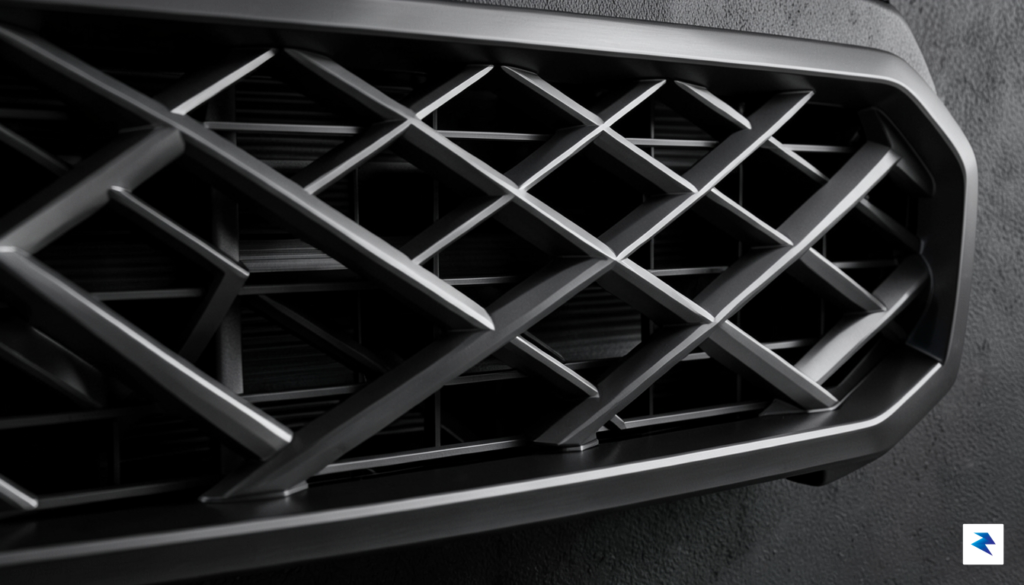
For decades, Jaguar defined itself through the language of organic fluidity. Its legendary silhouettes were characterized by sweeping lines and elongated hoods, designed to mimic the muscular grace of the animal that inspired the brand. However, as the automotive industry pivots toward an all-electric future, the traditional “sleekness” that once defined the brand has become a technical liability. The shift toward a “blunt” design philosophy is not a departure from Jaguar’s ambition; rather, it is a pragmatic embrace of the realities of battery-electric vehicle (BEV) architecture. By abandoning the tapered, narrow-nosed profiles of the past, Jaguar is prioritizing a more authoritative, upright presence that fundamentally redefines what a luxury vehicle looks like in the modern era.
The logic behind this blunt aesthetic is rooted in the physics of space and efficiency. Unlike internal combustion engines, which require deep, sculpted engine bays to accommodate radiators and complex mechanical components, electric powertrains are remarkably compact. By adopting a more vertical, blunt front end, designers are able to maximize the interior cabin space, creating a “lounge-like” environment that aligns with contemporary luxury trends. This architectural shift allows for a more expansive wheelbase and a taller greenhouse, ensuring that the driver and passengers experience a sense of airy openness that is often sacrificed in the pursuit of traditional aerodynamic curves.
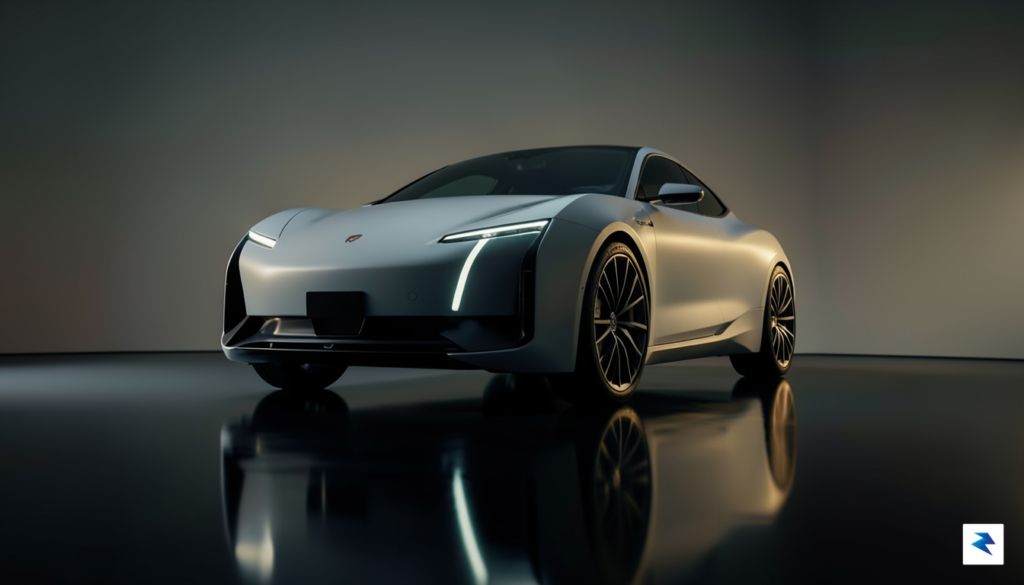
Furthermore, the rejection of soft, flowing curves in favor of bold, slab-like surfaces serves as a visual statement of confidence. In an increasingly crowded global market, subtle elegance can often fade into the background. By choosing a blunt, almost brutalist approach to form, Jaguar is carving out a distinct visual identity that demands attention. This design language moves away from the “organic” aesthetic of the mid-2000s, replacing it with a minimalist, high-tech purity that feels more at home in a digital-first world. As the brand seeks to reposition itself as an ultra-luxury player, this authoritative stance communicates strength and forward-thinking engineering rather than a reliance on historical nostalgia.
The transition from organic curves to blunt, architectural forms signals a fundamental evolution in how we define prestige: it is no longer about the speed of a line, but the presence of the object itself.
Ultimately, this change represents a calculated risk. While some purists may mourn the loss of the classic cat-like silhouette, the market demand for interior volume and technological integration necessitates a new way of thinking. The blunt front end provides the necessary geometry for sophisticated cooling systems and battery packaging, all while establishing a visual language that feels intentionally modern. By leaning into this geometric boldness, Jaguar is not just adapting to the electric age—it is attempting to set a new standard for what it means to be an icon in a rapidly changing automotive landscape.
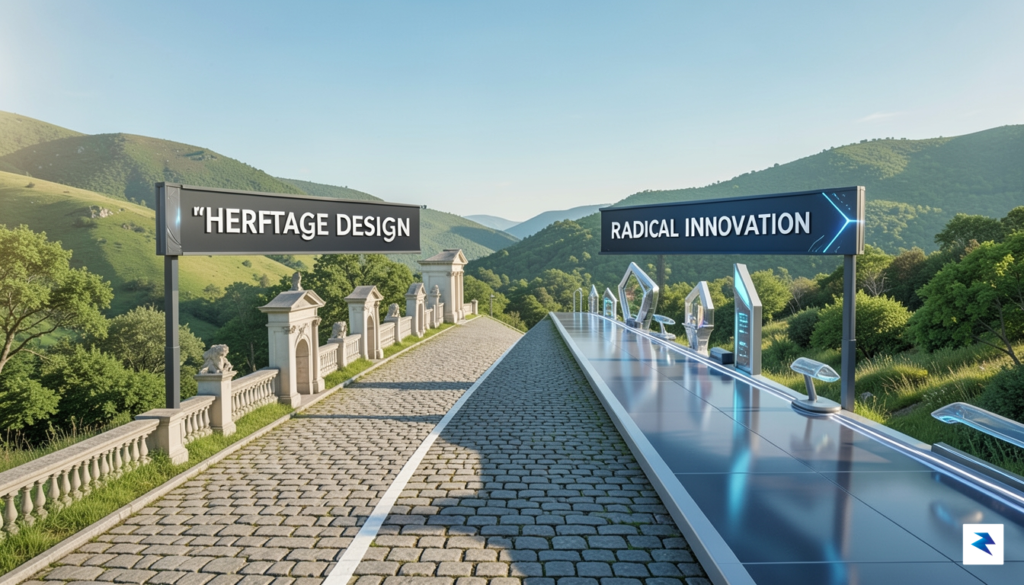
The transition toward a stark, monolithic design language represents one of the most daring pivots in contemporary automotive history. By intentionally distancing itself from the sinuous, feline silhouettes that defined icons like the E-Type, Jaguar is effectively tearing up its own visual rulebook. This dramatic departure has triggered a fierce backlash from traditionalists and automotive critics who view the brand’s heritage as its most valuable asset. For many, these classic curves were the physical manifestation of Jaguar’s soul; discarding them feels, to some, like a betrayal of the very identity that sustained the company for decades. Yet, Jaguar’s leadership argues that a brand living solely in the rearview mirror is destined for obsolescence in an increasingly crowded luxury EV market.
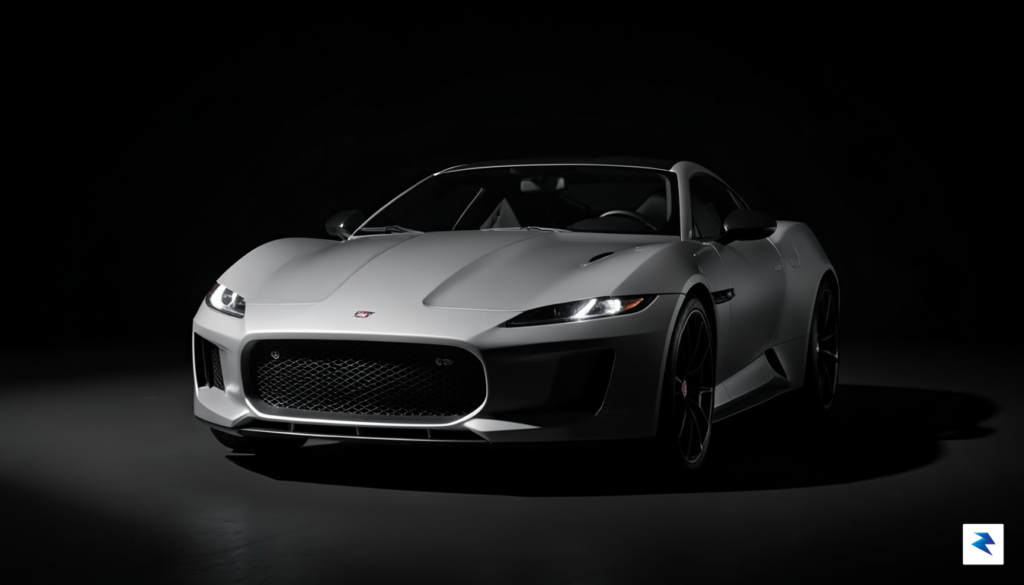
The business risk inherent in this strategy cannot be overstated. By alienating a loyal, older demographic that values the prestige of traditional British elegance, Jaguar is walking a razor-thin line. Automotive market analysts suggest that such a radical aesthetic shift can lead to a “lost generation” of customers who no longer recognize the badge they once championed. However, the company is betting that the current luxury landscape demands more than just retro-inspired charm. To capture the attention of a younger, tech-forward, and affluent demographic, Jaguar must pivot from being a purveyor of nostalgia to a pioneer of radical innovation. In this new era, the car is no longer just a driver’s machine; it is a statement piece, a piece of mobile architecture that must stand out against the sleek, wind-tunnel-optimized uniformity of its competitors.
“Innovation often looks like an error to those who are comfortable with the status quo, but for a legacy brand, stagnation is the only true failure.”
Ultimately, the competitive landscape of the premium electric vehicle sector is unforgiving. With newcomers and established giants alike fighting for dominance, design differentiation has become the primary lever for survival. By choosing a blunt, imposing aesthetic, Jaguar is forcing the market to look at it anew, effectively resetting the conversation around what a luxury car should be. While the polarization may be intense today, the brand’s long-term success hinges on whether this bold, polarizing gamble can translate into genuine desirability. Whether this move proves to be a visionary masterstroke or a costly miscalculation will depend on if these new, controversial shapes can deliver an experience that feels as revolutionary as they look.
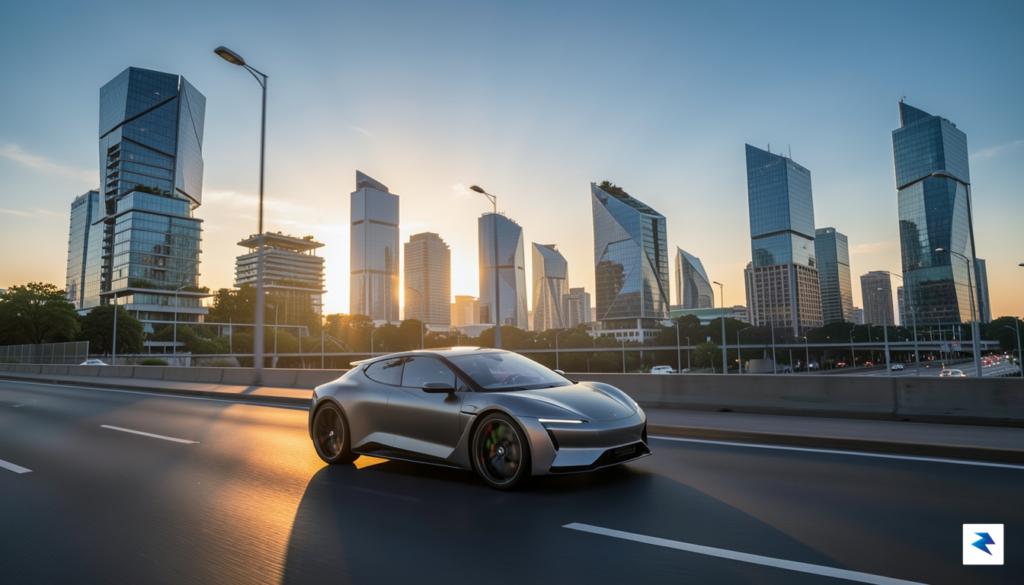
The transformation currently unfolding at Jaguar is far more than a simple aesthetic pivot; it is a profound philosophical recalibration that addresses the existential crisis facing every legacy automaker today. As the industry pivots away from the internal combustion engine, the very definition of “luxury” is being rewritten. For decades, Jaguar defined prestige through the soft, organic curves of classic sports cars and the roar of a high-performance engine. By discarding those familiar silhouettes in favor of blunt, geometric, and unapologetically bold forms, the brand is signaling that the era of romanticized nostalgia is over. This transition acknowledges that in a world defined by software, connectivity, and electrification, the traditional markers of automotive status are rapidly losing their relevance.
This high-stakes evolution suggests that true modern luxury is no longer about mimicking the grandeur of the past, but about demonstrating the courage to anticipate the future. By embracing a “blunt” design language, Jaguar is betting that its clientele values innovation and forward momentum over the comfort of recognizable tradition. This is a necessary, albeit risky, evolution for a brand that must carve out a distinct identity in a crowded electric market where performance is increasingly becoming a commodity. When the visceral thrill of an engine note is replaced by the silent efficiency of electric motors, the visual presence of the vehicle must work harder to communicate power and intent. Consequently, this shift serves as a litmus test for the luxury sector at large: can a storied heritage survive when the medium of its expression is fundamentally altered?
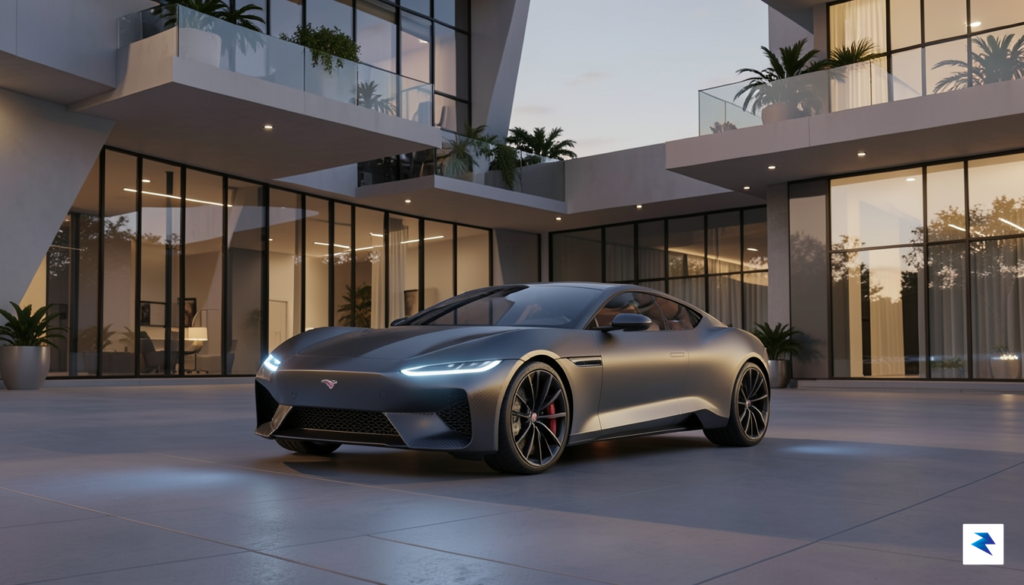
Ultimately, Jaguar’s move reflects a broader industry consensus that standing still is the only true failure. The legacy of the brand is not anchored in specific fender curves or radiator grilles, but in the spirit of disruptive elegance that once made it a leader in design. By entering this new, quiet, and electric era with such a radical aesthetic departure, Jaguar is attempting to decouple its future from its history without losing its soul. Whether this strategy will resonate with long-time enthusiasts remains to be seen, yet the boldness of the gamble itself is commendable. It positions the brand not as a museum piece, but as a living, breathing participant in the next chapter of human mobility.
True luxury in the post-combustion era is defined not by the retention of the past, but by the intellectual bravery required to define a new, digital-first visual language.
As the automotive landscape continues to flatten under the influence of standardized electric platforms, the distinctiveness of a brand’s design becomes its most precious asset. If Jaguar succeeds in convincing the market that “blunt is the new beautiful,” they will have successfully navigated the transition from a heritage manufacturer to a contemporary tech-luxury powerhouse. This transition serves as a blueprint for other icons struggling to remain pertinent; it proves that to honor a legacy, one must sometimes be willing to tear down the very structures that built it. The road ahead is quiet, but for Jaguar, it is finally, unmistakably, their own.
You must be logged in to post a comment.