Inside the ‘Xbox Reset’: What Microsoft’s Major Restructuring Means for Gamers
The New Era of Xbox Leadership A fresh chapter is unfolding within Xbox, marked by a significant leadership reshuffle designed to navigate the…
Sony’s recent roadmap targeting 2028 as the final year for PlayStation physical disc manufacturing represents a watershed moment for the gaming industry. For over three decades, the satisfying click of a plastic case and the spin of an optical disc drive have been central to the console experience, starting from the original PlayStation’s CD-ROMs in 1994 to the ultra-high-capacity Blu-rays of the PlayStation 5. By setting a definitive sunset date just a few years away, Sony is not merely predicting the future; they are actively dismantling the legacy physical infrastructure that built their gaming empire. This timeline gives consumers, retailers, and developers a clear window to adapt, but it also sounds a definitive death knell for a medium that once defined the very identity of interactive home entertainment.
This transition is far from an isolated corporate whim, but rather the culmination of a massive, global shift toward digital-first distribution. Over the past decade, widespread high-speed internet penetration, cloud infrastructure, and the sheer convenience of instant downloads have steadily eroded the market share of physical software. Today, digital sales dominate the industry, with a vast majority of players opting for the convenience of the PlayStation Store over traveling to brick-and-mortar retailers. Consequently, major publishers have already begun phasing out physical releases for select titles, realizing that digital distribution dramatically reduces manufacturing, shipping, and inventory costs while maximizing their direct-to-consumer profit margins.
For many lifelong gamers, however, this shift brings a profound sense of loss that goes far beyond mere convenience. Physical media represents tangible ownership—a curated library displayed on a shelf that tells a personal story of one’s gaming journey over the years. There is a deep, tactile nostalgia associated with unboxing a brand-new game, reading the insert booklets of yesteryear, and knowing that your purchase cannot be deleted, modified, or revoked by a licensing update or a sudden server shutdown. As we march toward a purely digital landscape, issues of game preservation, consumer ownership rights, and the secondary market of used games and trading become incredibly precarious, leaving enthusiasts to wonder what will happen to the history of the medium when the servers eventually go dark.
“The move to an all-digital ecosystem is not just a change in media format; it is a fundamental renegotiation of what it means to own the games we love.”
Ultimately, this phase-out is a calculated cornerstone of Sony’s broader, long-term corporate strategy for the PlayStation ecosystem. By consolidating all software transactions within their proprietary digital storefront, Sony can exercise complete control over pricing, distribution, and licensing, effectively eliminating the secondhand market that has historically cut into their software revenues. This closed-loop system not only secures recurring revenue streams through digital sales and subscription services like PlayStation Plus, but it also dictates the design of future hardware, which will undoubtedly bypass physical disc drives entirely to become sleeker and cheaper to manufacture. By steering the community toward an all-digital future, Sony is positioning itself to maximize efficiency and profitability in an era where the hardware itself is merely a gateway to a perpetual digital service.

For many players, the local game shop is far more than a point of transaction; it is a vital community hub that breathes life into the gaming ecosystem. Institutions like Pink Gorilla Games have spent decades cultivating spaces where enthusiasts can discover hidden gems, discuss hardware, and participate in a circular economy that keeps gaming accessible. When a console manufacturer signals a move away from physical media, the damage to these independent retailers is immediate and profound. These stores rely heavily on the secondary market—the buying, selling, and trading of physical discs—to maintain their margins and keep the lights on. Without the tangible asset of a game disc to exchange, the very foundation of the independent retail model begins to crumble, leaving shop owners to navigate a precarious future where their primary inventory could effectively vanish overnight.
The shift toward a digital-only paradigm systematically dismantles the trade-in culture that has sustained small businesses for generations. For the average consumer, trading in a finished game is a practical way to offset the cost of a new release, creating a cycle of affordability that encourages frequent play. Independent retailers facilitate this bridge, turning a customer’s old library into store credit that fuels further exploration of the medium. When discs disappear, this liquidity evaporates, forcing shops to pivot their business models toward high-margin merchandise, like apparel or collectibles, or risk obsolescence. This transition is not merely a change in inventory; it is a fundamental identity crisis for small businesses that have built their reputations on the tactile joy of physical ownership and the community-driven value of the resale market.
The move toward a discless future is not just a technological upgrade; it is an existential threat to the brick-and-mortar storefronts that define the physical gaming experience.
Furthermore, the collector community—the lifeblood of many niche gaming stores—faces an uncertain landscape. Collectors prize physical media not just for the aesthetic appeal of box art and manuals, but for the guarantee of ownership that digital licenses simply cannot provide. As the industry pushes for a digital-only future, the value of physical archives becomes increasingly significant, yet the ability for stores to source and certify these items diminishes. Ultimately, the loss of physical media strips away the autonomy of the player and the livelihood of the shopkeeper alike. If we lose the physical disc, we risk losing the local, human-centered retail spaces that have fostered and preserved gaming culture for decades, turning our bookshelves into barren reminders of an era when games were something you truly held in your hands.

When you click the “buy” button on a digital storefront, it is easy to assume you are participating in a traditional retail transaction akin to purchasing a physical book or a vinyl record. However, the legal reality of the modern gaming landscape is far more restrictive. In almost every instance, you are not actually buying the game itself; rather, you are purchasing a revocable, non-transferable license to access that software. This distinction is the bedrock of the digital-only shift, and it fundamentally alters the balance of power between the publisher and the player. While a physical disc represents a tangible piece of property that can be resold, gifted, or played indefinitely without an internet connection, a digital license is tethered entirely to the whim of the platform holder.
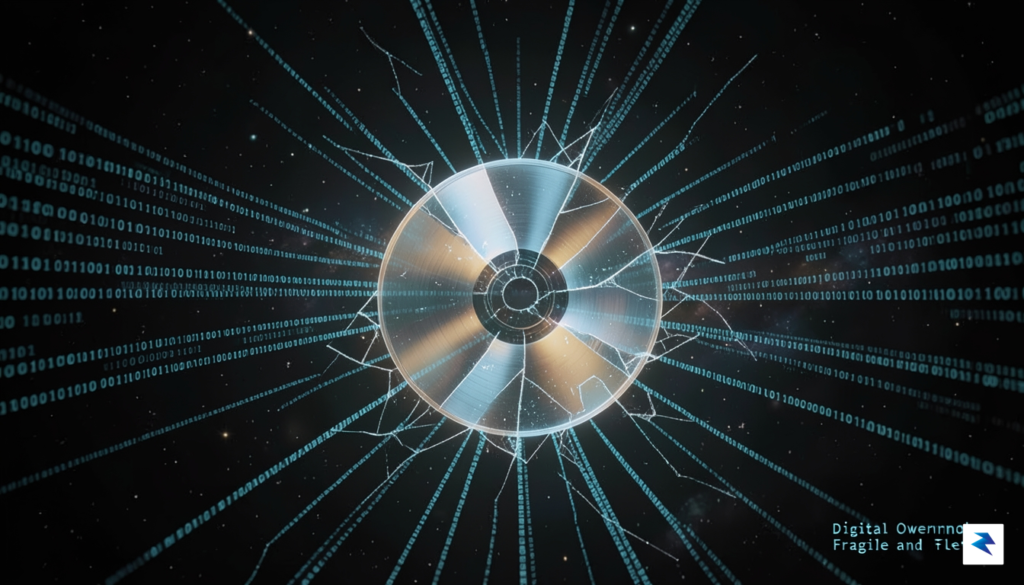
The risks inherent in this model become painfully clear when we consider the inevitability of store closures and content delisting. Because your library is dependent on a persistent connection to a company’s servers, the moment those servers go offline—or a publisher decides to pull a title from the storefront due to expired licensing agreements—your access can effectively vanish. We have already witnessed this phenomenon across various storefronts, where games become unplayable or impossible to redownload once support ends. Unlike a physical disc, which remains functional on your console regardless of whether the developer still exists, a digital library is a rented collection that can be reclaimed by the landlord at any time without prior notice.
The core of the consumer rights dilemma lies in the transparency of the transaction: if a consumer is paying full retail price for a product, they should be entitled to permanent possession, yet the current licensing model treats that same purchase as a temporary, server-dependent utility.
Current consumer protection laws have struggled to keep pace with these rapid shifts in software distribution. In many jurisdictions, end-user license agreements (EULAs) are written to prioritize the protection of intellectual property over the rights of the user, effectively stripping away the “first sale doctrine” that historically allowed for the secondary market of used games. Without legislative intervention or a shift in corporate policy, gamers are increasingly vulnerable to a future where their entire collection is trapped within a walled garden. This is why the debate over offline playability is so critical; true ownership implies the ability to execute code locally without needing to “check in” with a remote server, ensuring that your library remains yours long after the platform’s lifecycle has reached its end.

The transition toward an all-digital landscape presents a profound existential crisis for the medium of video games. Unlike books or films, which rely on standardized formats that can be accessed across generations with relatively simple hardware, video games are tethered to the complex, proprietary ecosystems of their host platforms. When we shift away from physical discs, we are not merely changing a delivery method; we are effectively granting corporations the power to act as the ultimate gatekeepers of cultural memory. Once a digital storefront eventually shutters or a server is decommissioned, the games that lived there may vanish entirely, leaving behind nothing but broken links and dormant code. This fragility risks ushering in a “digital dark age” for gaming, where vast swaths of interactive history could be erased by a single boardroom decision or a change in licensing agreements.
Archivists and historians are increasingly sounding the alarm, noting that digital-only distribution creates a “consent-based” model of preservation that is fundamentally at odds with the goals of historical record-keeping. In the world of physical media, a disc remains a tangible artifact that can be preserved, studied, and played long after the manufacturer has moved on to new ventures. Digital distribution, conversely, relies on continuous authentication and cloud connectivity, meaning that access is essentially a temporary rental rather than a permanent ownership. Without the physical baseline of a disc, historians face a daunting uphill battle: they must contend with encrypted files, anti-tamper software, and the legal minefield of the Digital Millennium Copyright Act (DMCA), which often prevents the bypassing of security measures even for the express purpose of saving software from obsolescence.
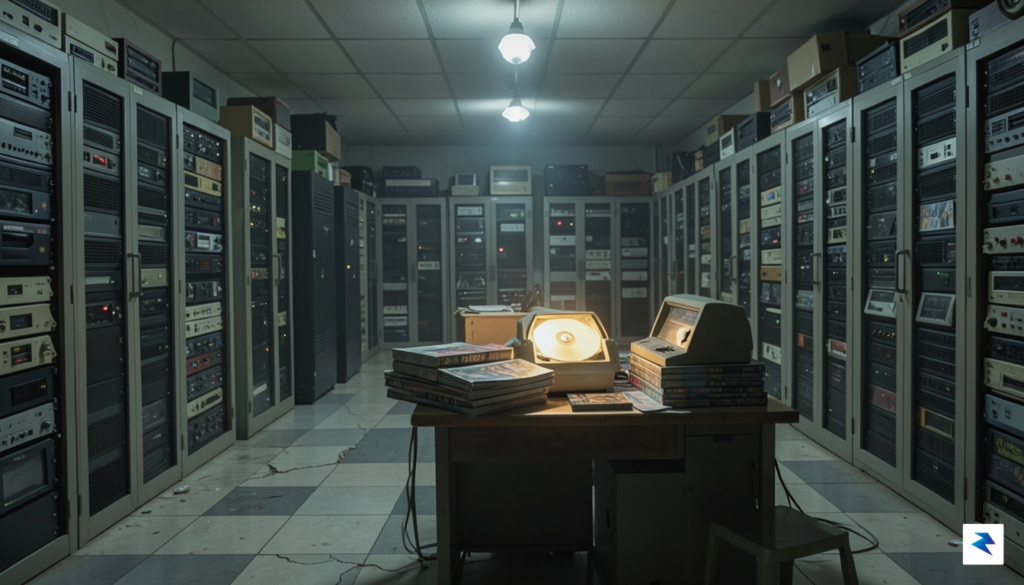
The industry’s current trajectory treats games as a consumable service rather than a cultural artifact, creating a precarious state where our shared digital history exists only at the mercy of current profitability.
The responsibility for this preservation cannot rest solely on the shoulders of dedicated fans or non-profit organizations working in the shadows. There is a growing consensus that the industry must be held accountable for its own legacy, perhaps through mandated archival requirements or the release of “offline-ready” builds of software once a product reaches the end of its commercial life. If companies are to be the stewards of our interactive entertainment, they must adopt transparent policies regarding the long-term availability of their back catalogs. Otherwise, the 2028 shift toward a disc-less future may be remembered not as an evolution of convenience, but as a systematic dismantling of gaming history that future generations will never be able to fully reconstruct or experience.
Transitioning into a digital-first landscape requires a fundamental shift in how we perceive ownership and library management. While the tactile satisfaction of sliding a disc into a console is fading, the sheer convenience of digital distribution cannot be overstated; instant access, seamless game switching, and the ability to pre-load massive titles mean that your gaming experience is no longer tethered to physical logistics or retail availability. To thrive in this new era, players should begin viewing their digital libraries as curated services rather than static collections. Utilizing external high-speed SSD storage and becoming proficient with cloud-based save synchronization will be essential skills for ensuring your progress remains accessible across different hardware iterations as the ecosystem evolves.
For those concerned about the volatility of digital storefronts, the rise of indie-centric platforms and DRM-free marketplaces provides a vital safety net. By diversifying where you purchase your titles, you can mitigate the risk of losing access to your library should a single major publisher shutter their servers. Furthermore, as cloud gaming technology matures, the barrier to entry for high-fidelity experiences will continue to drop, allowing players to enjoy demanding titles on devices they already own, such as tablets or laptops. This decentralization of hardware means that the definition of a “gamer” is expanding beyond those who can afford the latest flagship console, fostering a more inclusive environment for the hobbyist community.
The true preservation of gaming history will increasingly rely on community-led initiatives and open-source platforms, ensuring that even as official digital storefronts eventually cycle through their lifespans, the art itself remains protected.
Looking ahead, the most successful players will be those who embrace a hybrid mindset. You can maintain your love for the hobby by supporting platforms that emphasize user agency and portability, while simultaneously leveraging the convenience of subscription services to sample genres you might have otherwise ignored. Instead of viewing the sunset of physical media as a total loss, consider it an opportunity to refine how you organize your digital space. By proactively managing your storage, supporting diverse distribution models, and staying informed about cloud-based preservation efforts, you can ensure that your gaming journey remains rich, accessible, and deeply personal regardless of the changing technological tides.
You must be logged in to post a comment.