WhatsApp Usernames: Why the New Privacy Feature Is Sparking Impersonation Fears
The Shift to WhatsApp Usernames: A Privacy Evolution For over a decade, WhatsApp has operated on a singular, rigid premise: your identity is…
The announcement that Chanel has acquired Charvet, the world’s oldest shirtmaker, marks a watershed moment in the landscape of high fashion, signaling a sophisticated pivot toward the preservation of ultra-niche artisanal heritage. By bringing the legendary Place Vendôme institution under its corporate umbrella, Chanel is not merely expanding its portfolio; it is securing a vital pillar of French sartorial excellence. This acquisition transcends traditional business expansion, functioning instead as a strategic consolidation of savoir-faire. As the luxury market increasingly prioritizes authentic craftsmanship over mass-market scalability, Chanel’s move ensures that Charvet’s peerless standards—honed over centuries of dressing history’s most influential figures—remain insulated from the pressures of transient trends.
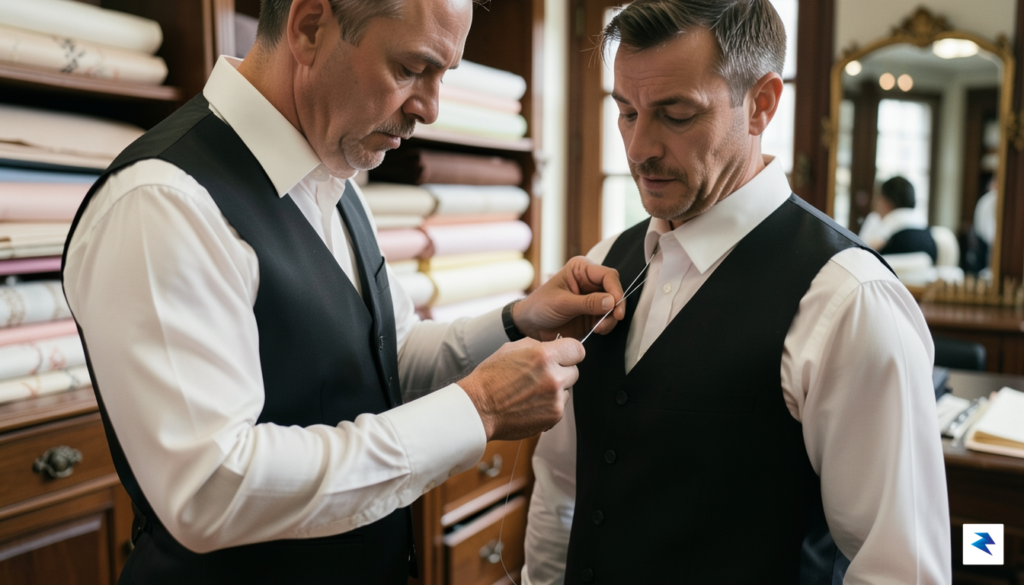
From a commercial perspective, this deal provides Chanel with a robust entry point into the upper echelons of men’s bespoke tailoring, a category that has seen significant growth as discerning male consumers gravitate toward timeless, investment-grade wardrobe staples. While Chanel has long reigned supreme in women’s haute couture, the integration of Charvet offers a masterclass in diversification that respects the distinct identities of both houses. Rather than homogenizing the brand, Chanel’s investment serves as an architectural reinforcement, allowing Charvet to maintain its legendary independence while benefiting from the logistical and financial stability of a global fashion titan. This symbiosis is essential in an era where the supply chains for truly artisanal goods are becoming increasingly fragile and expensive to maintain.
The marriage of Chanel and Charvet represents a profound commitment to the future of heritage, proving that the most valuable asset in modern luxury is not just the logo, but the mastery of the craft itself.
Ultimately, the significance of this acquisition lies in the broader industry philosophy regarding the protection of dying arts. By absorbing institutions that possess deep historical pedigree, Chanel is positioning itself as the primary custodian of French luxury culture. This strategy acknowledges that true exclusivity is derived from the human hand, the archival knowledge of specialized techniques, and the slow, deliberate pace of production that defines Charvet’s shirts. As global conglomerates continue to jockey for market share, this partnership suggests that the future of prestige lies in the stewardship of history, ensuring that the legacy of masters—from the precision of a collar stitch to the selection of the finest textiles—is passed on to the next generation of artisans.
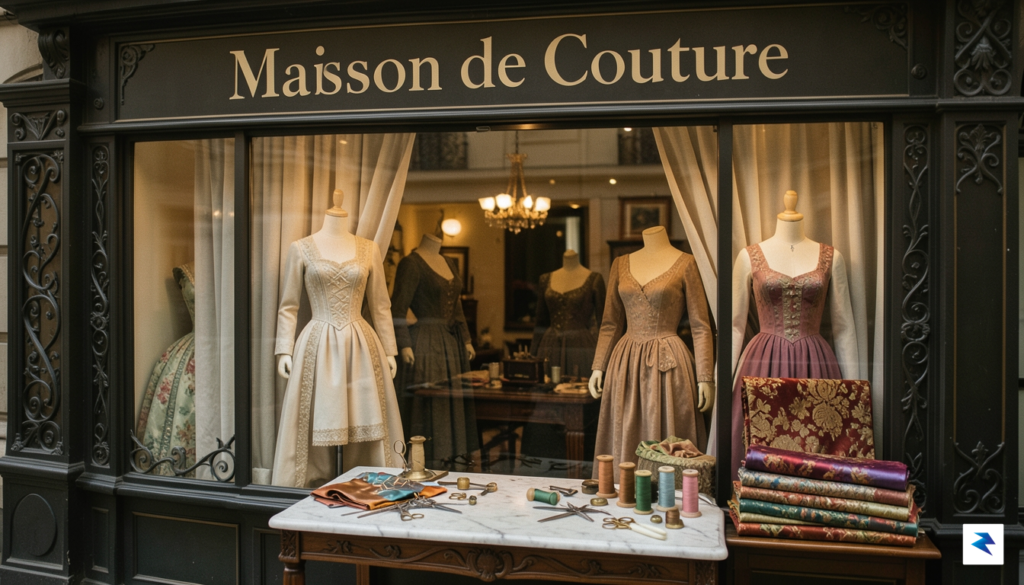
To grasp the profound significance of Chanel’s acquisition, one must first appreciate that Charvet is not merely a label, but a living monument to the history of sartorial excellence. Founded in the 1830s during the height of the July Monarchy, Charvet holds the distinct honor of being the world’s oldest shirtmaker. Since its inception on the Rue de Richelieu—and its subsequent long-standing residence at the prestigious Place Vendôme—the house has functioned as the definitive arbiter of masculine style. For nearly two centuries, Charvet has resisted the modern urge to outsource or mass-produce, instead remaining steadfast in its commitment to a level of bespoke craftsmanship that borders on the obsessive.
The brand’s influence is woven into the very fabric of global history, having served as a preferred outfitter for the most discerning figures of the 19th and 20th centuries. From European royalty and American presidents to literary giants like Baudelaire and F. Scott Fitzgerald, Charvet has dressed those who have shaped the world, providing them with a silent, impeccable armor of fine cotton and silk. This is not simply about high-end retail; it is about the preservation of a specific, rarefied atmosphere of Parisian elegance that balances audacity with absolute restraint. Their archives are a treasure trove of color and texture, housing thousands of unique fabric swatches that represent a visual history of how the modern gentleman has expressed himself through dress.
Charvet does not follow trends; it dictates the quiet, enduring standards of quality that make trends irrelevant. By maintaining the integrity of the bespoke process, the house serves as a vital bridge between the artisanal techniques of the past and the demands of the modern luxury market.
The significance of the Place Vendôme boutique cannot be overstated, as it remains a bastion of tradition in a city that constantly reinvents itself. Within these walls, the bespoke process remains an intimate, ritualistic experience where the client’s preferences are treated with the same gravity as a state secret. This dedication to the individual—to the precise measurement, the choice of collar stiffening, and the hand-finished seams—is what defines the “Charvet standard.” By bringing this institution under its umbrella, Chanel is doing more than expanding its portfolio; it is acting as a curator for one of the most important remaining threads in the tapestry of French heritage, ensuring that the meticulous art of the shirtmaker remains a cornerstone of global luxury for generations to come.

For decades, Chanel has cultivated an untouchable identity rooted in the feminine elegance of the Parisian atelier, yet the acquisition of Charvet marks a calculated departure from this singular focus. While the house has previously dipped its toes into the masculine market through fragrance lines like Bleu de Chanel and select accessory collections, this move signifies a foundational pivot toward the high-end men’s sartorial world. By bringing the world’s oldest shirt maker into its fold, Chanel is not merely diversifying its portfolio; it is investing in the kind of deep, legacy-driven craftsmanship that defines the pinnacle of menswear. This shift suggests a long-term ambition to establish a formidable footprint in men’s luxury, moving past incidental offerings to command a seat at the table of traditional tailoring.
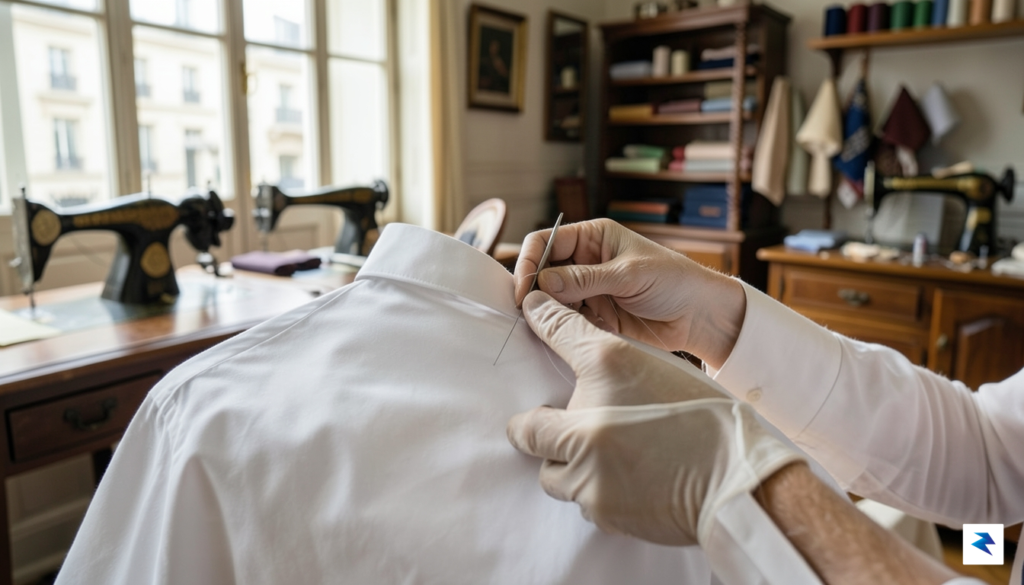
Charvet represents the “missing link” in Chanel’s luxury ecosystem, providing a level of specialized technical mastery that is difficult to replicate through organic growth alone. While conglomerates like LVMH and Kering have historically relied on aggressive acquisition strategies to build massive, multi-brand empires, Chanel’s approach remains characteristically deliberate and focused on the preservation of heritage. Where its competitors often prioritize scale and rapid market saturation, Chanel is positioning itself as the ultimate curator of French métiers d’art. By absorbing Charvet’s unparalleled expertise in shirt-making and tie production, Chanel secures a supply chain of artisanal excellence that effectively insulates it from the broader market volatility, ensuring that its future menswear ventures are backed by the most prestigious provenance in the industry.
The acquisition is a strategic masterstroke that elevates Chanel from a house of fashion to a guardian of heritage craftsmanship, effectively bridging the gap between delicate feminine couture and the rugged, timeless tradition of bespoke tailoring.
This strategy also serves as a sharp competitive differentiator in a landscape currently dominated by the high-octane branding of luxury conglomerates. As LVMH and Kering continue to battle for dominance through trend-driven shifts and broad lifestyle branding, Chanel is choosing a different path—one defined by vertical integration and the elevation of artisanal skills. By claiming a stake in a historic institution like Charvet, Chanel signals to the global consumer that its forthcoming men’s collections will not be mere extensions of its existing aesthetic, but rather serious, deeply rooted sartorial expressions. This move redefines the boundaries of the brand, signaling that the house is ready to translate its storied history of innovation into a permanent, highly influential presence in the world of fine masculine attire.
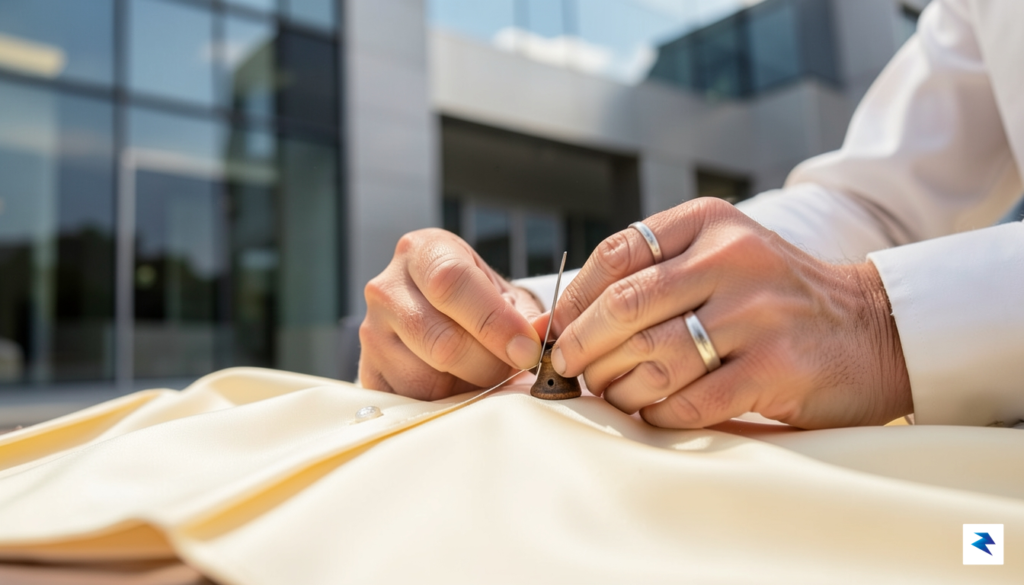
The acquisition of Charvet by Chanel arrives at a pivotal moment in the luxury sector, where the pressure to scale often stands in direct opposition to the preservation of artisanal integrity. For heritage houses, the transition from independent operation to ownership by a global conglomerate frequently sparks anxiety among purists who fear the homogenization of craft. There is a palpable risk that the relentless pursuit of corporate efficiency could erode the idiosyncratic “soul” of a brand like Charvet—a house defined by its obsessive attention to fabric selection, collar construction, and the slow, rhythmic pace of bespoke tailoring. When a brand’s value is built upon the rejection of mass production, the introduction of corporate oversight requires a delicate, almost surgical, balance to avoid stripping away the nuances that define its prestige.
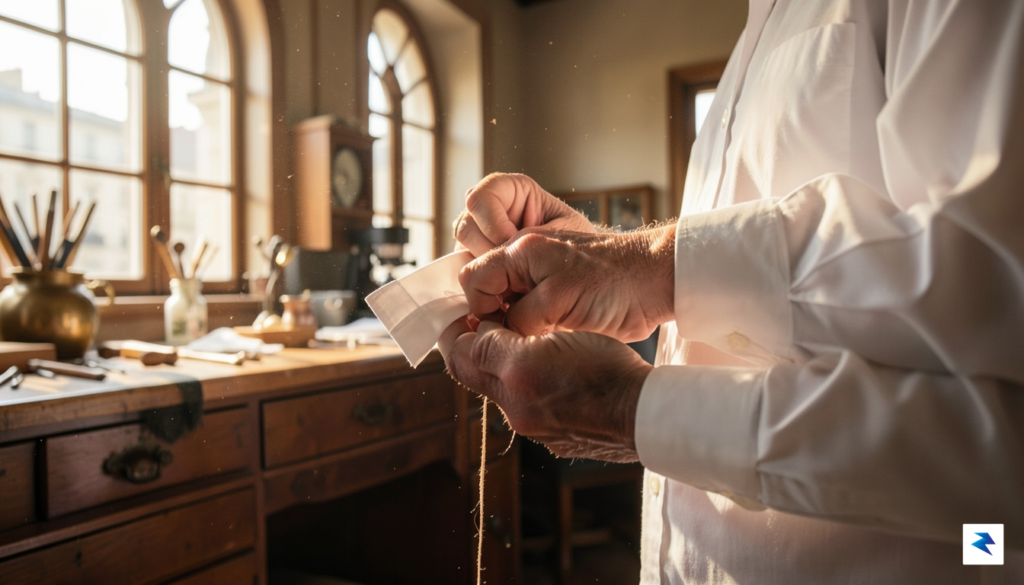
However, the industry’s skepticism is tempered by Chanel’s unique historical track record. Through its Paraffection subsidiary, Chanel has systematically acquired and nurtured specialized workshops—including embroiderers like Lesage and feather workers like Lemarié—not to streamline them into oblivion, but to secure their survival. By positioning itself as a steward of French savoir-faire, Chanel has demonstrated that corporate backing can actually serve as a protective shield against the volatility of the modern market. Rather than forcing these small-scale artisans to conform to the rapid-fire demands of seasonal fashion cycles, Chanel has historically invested in their autonomy, ensuring that the next generation of apprentices can continue to master complex, time-consuming techniques that would otherwise vanish.
The true test for any heritage acquisition lies in whether the parent company views the artisan as an asset to be leveraged or a legacy to be protected.
Ultimately, the debate boils down to a fundamental tension between the stability of institutional support and the sanctity of independence. In an increasingly unstable global economy, the independent model faces mounting challenges, from rising material costs to the difficulty of maintaining a bespoke workforce without deep capital reserves. While some may mourn the loss of Charvet’s total independence, the partnership with a group that understands the value of slow luxury may be the most viable path forward. If Chanel succeeds in integrating Charvet without diluting its distinct sartorial DNA, it will provide a compelling blueprint for how heritage brands can evolve to meet the demands of the future while remaining firmly rooted in the meticulous traditions of the past.

The acquisition of Charvet by Chanel serves as a definitive bellwether for the trajectory of the global luxury market, signaling a profound shift away from the ephemeral nature of “fast fashion” and toward the enduring value of artisanal legacy. By bringing one of the world’s oldest shirt makers under its expansive umbrella, Chanel is not merely acquiring an inventory of fine fabrics and bespoke patterns; it is securing a vital piece of sartorial history that might otherwise have been lost to the homogenizing forces of modern commerce. This strategic move suggests that the future of high-fashion lies in the aggressive reclamation of traditional arts, positioning heritage as the most valuable currency in an increasingly automated world. As the industry grapples with the tension between mass production and exclusivity, this partnership reinforces the idea that true luxury is defined by the human hand, the depth of technical expertise, and a commitment to preservation that spans generations.

For the discerning consumer, this union is a promising development that elevates the importance of “story” in every garment purchased. Today’s luxury shoppers are no longer satisfied with mere brand logos; they are actively seeking out the provenance, the historical lineage, and the uncompromising quality behind their clothing. As buyers become more sophisticated and ethically conscious, the demand for “heritage” craftsmanship is reaching a fever pitch. By aligning Charvet’s storied reputation for perfection with Chanel’s unparalleled marketing and logistical prowess, the luxury sector is setting a new gold standard for sartorial excellence. This partnership ensures that the meticulous, time-intensive processes that make a Charvet shirt a masterpiece will not only survive but thrive in a modern context, potentially inspiring other conglomerates to protect and nurture the niche ateliers that define the soul of fashion.
Ultimately, the marriage of Chanel and Charvet represents a triumph of substance over style, proving that the most sustainable path forward for luxury is to look backward at the traditions that built it.
Looking ahead, we can expect this trend of vertical integration to continue, as luxury houses compete to own the entire lifecycle of their products, from the raw material to the final stitch. This is a win-win scenario: Charvet gains the stability and resources required to sustain its artisanal operations in an volatile economic climate, while Chanel reinforces its status as a guardian of French elegance. For the history of fashion, this is a moment of profound preservation, ensuring that the art of the bespoke shirt remains a living, breathing tradition rather than a relic of the past. As we move further into a digital-first era, the quiet power of a hand-stitched collar will likely become the ultimate status symbol, anchoring the fashion industry in a tangible, human reality that no machine can replicate.
You must be logged in to post a comment.