Kimi K2.7 Hits GitHub Copilot: Everything Developers Need to Know
Introduction: The Evolution of Coding Assistance The pace of innovation in the world of large language models (LLMs) has shifted from a steady…
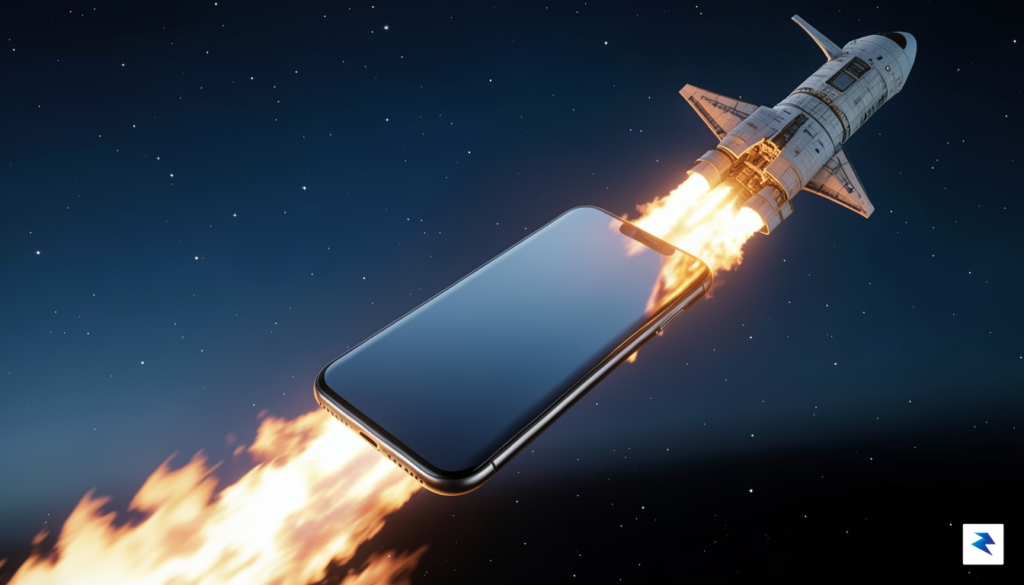
The tech industry thrives on speculation, but few companies attract as much breathless conjecture as SpaceX. Recently, a report from the Wall Street Journal ignited a firestorm of rumors by suggesting that SpaceX had presented a handset-like prototype to investors during private meetings. According to the report, these discussions centered on the company’s broader ambitions to integrate its Starlink satellite constellation directly into consumer mobile hardware, effectively turning a potential smartphone into a device capable of global, space-based connectivity. For many observers, this seemed like a logical, albeit audacious, evolution of Elon Musk’s satellite internet strategy, which has already revolutionized how we think about terrestrial communication.
However, the narrative shifted abruptly when Elon Musk took to social media to offer a definitive rebuttal. Addressing the claims directly, Musk characterized the reports of a dedicated SpaceX smartphone as categorically false, effectively pouring cold water on the idea that the company is currently pivoting toward the competitive and saturated mobile hardware market. This denial was not merely a brief dismissal; it served as a reality check for analysts who had begun to construct elaborate theories about how SpaceX might challenge the current duopoly of Apple and Google. By cutting off the speculation at the source, Musk highlighted the persistent gap between the public’s imagination—which often views his companies as capable of anything—and the company’s actual, mission-focused roadmap.
“SpaceX is not making a phone,” Elon Musk stated, clarifying that the company’s focus remains firmly fixed on aerospace, satellite infrastructure, and interplanetary transport rather than consumer electronics.
The sensitivity of the tech market to these rumors is not entirely unfounded, as it stems from a pattern of expansive technological ambitions associated with Musk’s ventures. Because SpaceX successfully manages complex satellite deployments and deep-space missions that once seemed like science fiction, the jump to a custom mobile device does not feel as impossible to the average consumer as it might for a traditional aerospace firm. Furthermore, the existing integration of Starlink’s “Direct to Cell” technology—which aims to provide connectivity to unmodified LTE phones—creates a natural conceptual bridge that makes the idea of a “SpaceX phone” feel like a tangible next step. Consequently, even a whispered rumor about a prototype carries enough weight to capture the attention of investors and the public alike, reflecting a broader fascination with the potential for space-based technology to dismantle the limitations of current terrestrial telecommunications.
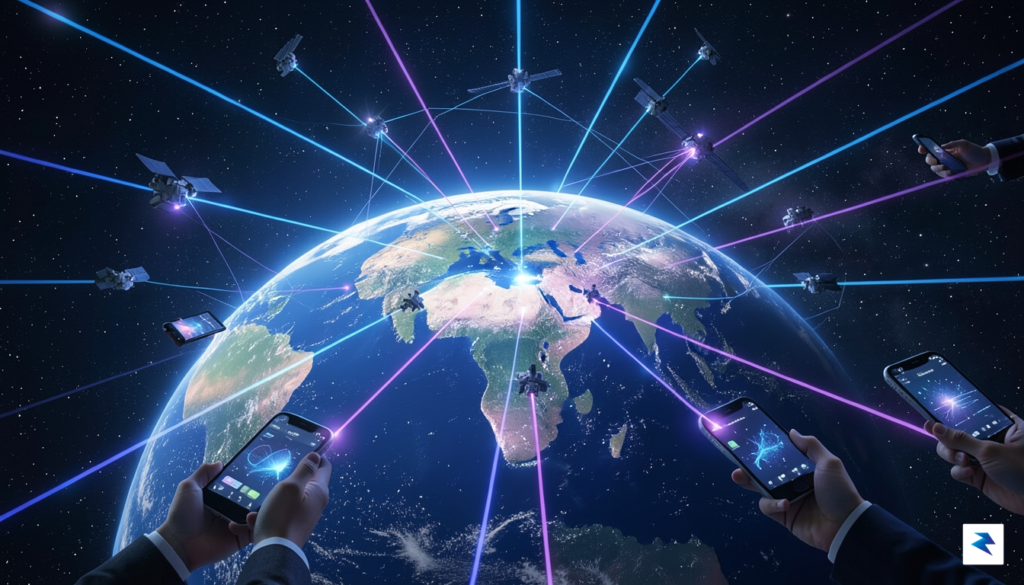
The smartphone remains the undisputed primary gateway for digital consumption in the modern era, an omnipresent device that dictates how billions interact with information, entertainment, and each other. This ubiquitous presence makes it an incredibly lucrative prize for any company seeking to capture user attention and establish a commanding presence in their daily lives. For ambitious tech giants, the appeal of controlling this critical piece of hardware extends far beyond mere device sales; it represents the ultimate touchpoint for an entire ecosystem of services, data, and user engagement, making it a strategic asset of unparalleled value.
This aspiration to control the digital experience from end-to-end is best encapsulated by the “walled garden” strategy, famously perfected by companies like Apple and, to a large extent, Google. By designing and manufacturing their own hardware, developing their operating systems, and curating their app stores, these titans create tightly integrated ecosystems where every component works seamlessly together. This vertical integration allows for meticulous control over the user experience, robust security protocols, and optimized performance, all while fostering a powerful brand loyalty that translates into recurring revenue streams from services, apps, and content. The sheer depth of this integration makes it incredibly difficult for users to leave, ensuring a captive audience for future innovations and offerings.
The strategic benefits of such vertical integration are manifold. Owning the hardware layer allows a company to tailor the device specifically to its own services and vision, unlocking unique capabilities and efficiencies that would be impossible with generic third-party devices. This isn’t just about aesthetic consistency; it’s about deeply embedding proprietary technologies, optimizing performance for specific applications, and ensuring a level of security and privacy that resonates with the brand’s values. Ultimately, this comprehensive control over the entire user journey, from the moment they unbox the device to their daily digital interactions, fosters an unparalleled competitive advantage and solidifies market dominance.
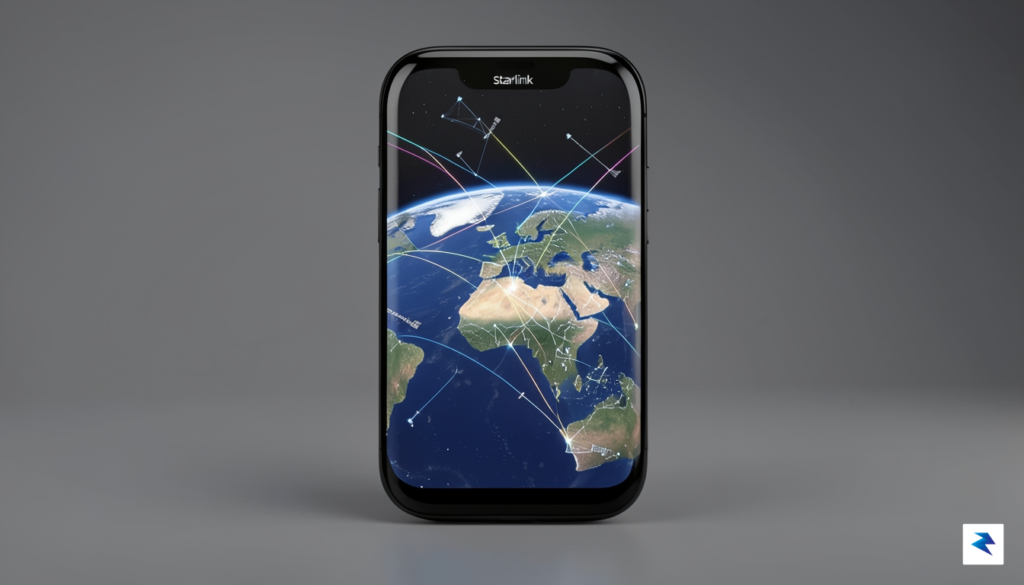
For a company like SpaceX, already revolutionizing global connectivity through its Starlink satellite internet service, the potential to control both the network and the access point is an incredibly alluring, albeit complex, prospect. Imagine a smartphone natively optimized for Starlink, capable of seamless, high-speed global connectivity even in the most remote areas, potentially bypassing traditional cellular carriers entirely. Such a device wouldn’t just be a phone; it would be a direct conduit to SpaceX’s infrastructure, offering unique features like enhanced global emergency services, direct satellite communication capabilities, and unparalleled reliability in situations where terrestrial networks fail.
Furthermore, a proprietary mobile hardware platform would serve as the ultimate touchpoint for a myriad of other cutting-edge applications, particularly in the burgeoning fields of the Internet of Things (IoT) and artificial intelligence (AI). A SpaceX phone could become the central hub for a new generation of connected devices, especially those leveraging satellite connectivity for remote monitoring or data transfer. More significantly, it could provide a direct, personalized platform for advanced AI integration, collecting valuable user data (with appropriate privacy safeguards) to deliver highly customized experiences, integrate with other AI initiatives within the company’s broader ventures, and even facilitate new forms of human-AI interaction, pushing the boundaries of what a smartphone can achieve.

Elon Musk’s approach to hardware has always been defined by a relentless focus on solving foundational engineering problems rather than merely iterating on existing consumer trends. When Musk commits to a physical product, it is almost invariably a vehicle for a broader, systemic shift—whether that is accelerating the world’s transition to sustainable energy via Tesla or bridging the global digital divide through Starlink. The development of the Starlink “Dishy” terminal serves as a perfect case study: it was not designed to be a flashy gadget for the sake of market share, but rather a complex, electronically steered phased-array antenna that had to be manufactured at scale to make high-speed satellite internet viable for the masses. By treating a highly sophisticated aerospace component like a consumer product, SpaceX demonstrated that its hardware philosophy is rooted in utility and infrastructure, not the aesthetic or lifestyle-driven cycles that dominate the smartphone industry.
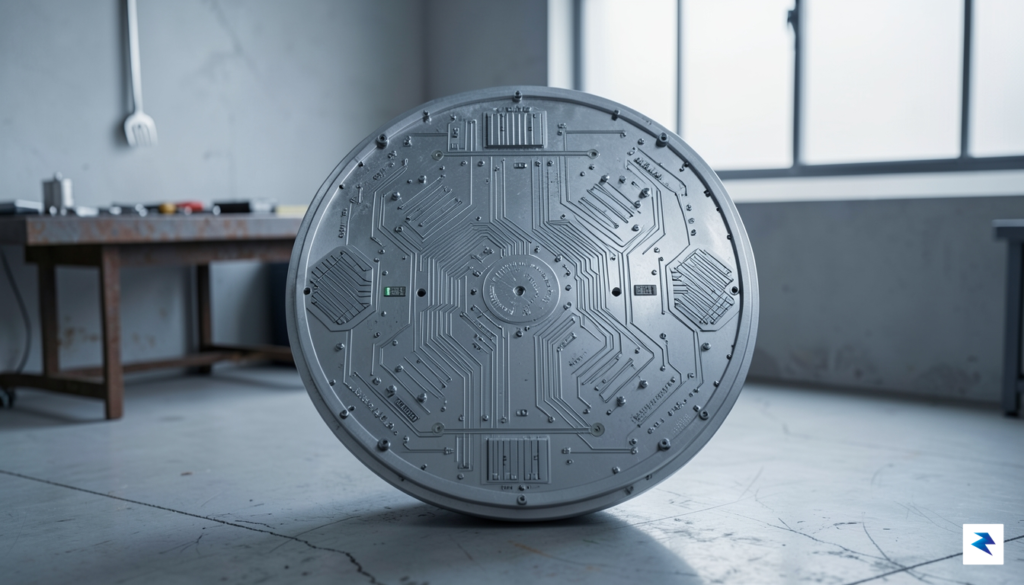
Contrast this mission-driven engineering with the smartphone sector, an environment characterized by extreme saturation, razor-thin profit margins, and a relentless “planned obsolescence” cycle. For Musk, whose primary ambition currently rests on the heavy-lift capabilities of Starship and the interplanetary colonization of Mars, the smartphone market represents a significant distraction. Developing a competitive mobile device requires massive investments in supply chain management, retail distribution, and ecosystem software—areas that would divert precious capital and top-tier engineering talent away from the core aerospace mission. Musk’s history shows that he prefers to vertically integrate solutions that offer a clear “first-principles” advantage; unless a smartphone prototype could fundamentally unlock a capability that current devices cannot—such as direct-to-cell satellite connectivity that bypasses traditional carriers—it simply does not fit into the high-stakes roadmap of his current ventures.
Success for Musk is rarely defined by how many units a product sells, but rather by how much that product accelerates a necessary technological evolution.
Ultimately, while companies like Apple and Samsung thrive on the incremental improvement of the personal computing experience, Musk’s companies focus on the “heavy lifting” of the future. Neuralink is developing hardware to bridge the gap between biology and artificial intelligence, and Tesla is pushing the boundaries of autonomous robotics and energy storage. These projects are capital-intensive, high-risk endeavors that require singular focus. A SpaceX-branded smartphone would represent a departure from this pattern, shifting the company’s identity from an infrastructure provider to a retail consumer electronics brand. Given the current velocity of SpaceX’s aerospace operations, it is far more likely that Musk will continue to integrate connectivity features into existing devices rather than attempting to reinvent the smartphone from the ground up.
While the prospect of a proprietary “Tesla Phone” or “SpaceX handset” generates significant buzz, the reality is that Elon Musk’s aerospace giant is already influencing the mobile landscape in a far more profound and scalable way. Rather than attempting to disrupt the deeply entrenched smartphone manufacturing market—a sector defined by high overhead and grueling supply chain logistics—SpaceX is leveraging its massive Starlink constellation to turn every existing mobile device into a global communicator. By focusing on infrastructure rather than consumer hardware, the company is effectively bypassing the need to compete with industry titans like Apple or Samsung, instead positioning itself as the invisible, high-altitude backbone of future mobile networks.
The centerpiece of this strategy is the Direct-to-Cell initiative, a collaboration with partners like T-Mobile designed to eliminate cellular dead zones. This technology allows standard 4G and 5G smartphones to connect directly to Starlink satellites without the need for specialized equipment or modified firmware. Achieving this, however, required solving monumental engineering hurdles, primarily the physics of transmitting signals from satellites moving at thousands of miles per hour to a handheld device with a relatively weak antenna. SpaceX has successfully deployed massive, sensitive antennas on its V2 satellites that can pick up the faint signals from a smartphone on the ground, creating a seamless bridge between terrestrial cellular networks and orbiting hardware.
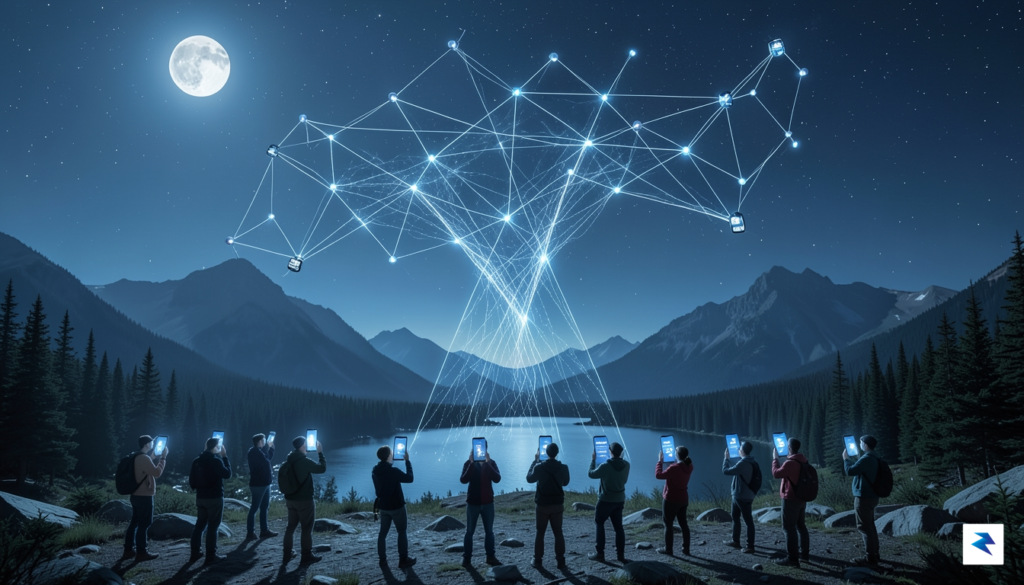
By integrating satellite connectivity directly into the existing cellular ecosystem, SpaceX ensures that global coverage becomes a standard utility rather than a luxury hardware feature.
This approach offers a significantly more viable path to global connectivity than hardware manufacturing ever could. By working through existing carrier agreements, SpaceX gains immediate access to a massive install base of billions of phones, instantly expanding its reach to every corner of the planet without asking users to switch devices. This strategy is not only more cost-effective but also more resilient, as it allows the network to scale alongside the growth of the Starlink constellation itself. As more satellites are launched, the bandwidth available to these handheld devices will improve, eventually moving from basic text-based messaging to high-speed data and voice calling. In this context, the idea of a standalone “SpaceX phone” feels somewhat antiquated; when your current device is already connected to a global, space-based mesh network, the hardware itself becomes secondary to the expansive, invisible reach of the infrastructure powering it.
The persistent allure of a SpaceX-branded smartphone speaks volumes about our modern tech hype cycle, where the boundaries between visionary possibility and commercial probability frequently blur. When a figure like Elon Musk consistently pushes the envelope of what is technologically feasible, the public and investors alike naturally gravitate toward the idea that he might disrupt the mobile industry next. This phenomenon is driven by a desire to see a seamless, integrated ecosystem where Musk’s various ventures—Tesla, Starlink, and Neuralink—converge into a single, pocket-sized device. However, while such a product would undoubtedly capture headlines, it is vital to distinguish between what consumers desperately want and what a company actually prioritizes in its long-term strategic roadmap.
Investor sentiment and media reporting often amplify these rumors, creating a feedback loop that sustains interest even when concrete evidence is nonexistent. In an era where market capitalization is heavily tied to future innovation, speculation acts as a barometer for how much influence an entrepreneur holds over the public imagination. Because SpaceX has already successfully redefined the aerospace industry and disrupted global telecommunications with Starlink, it is easy to assume that hardware manufacturing is a natural next step. Yet, this ignores the immense capital, regulatory hurdles, and supply chain complexities inherent in the smartphone market, a sector already saturated by entrenched giants with decades of manufacturing experience.
True disruption rarely comes from entering an established, competitive market; it comes from creating entirely new frontiers that change how the world interacts with information.
Ultimately, the reason these rumors persist is that we are witnessing a transformation in how we perceive the role of connectivity in our daily lives. Whether or not SpaceX ever produces a physical phone, the company’s underlying mission—providing high-speed, low-latency internet to every corner of the globe via Starlink—is arguably far more significant than the launch of a new mobile device. By focusing on the infrastructure of connectivity rather than the end-user hardware, SpaceX is positioning itself as the backbone of the digital age. This strategic focus on global access is inherently more disruptive than a smartphone, as it effectively renders traditional mobile limitations obsolete, proving that sometimes the most revolutionary products are the invisible networks that keep the world connected.
You must be logged in to post a comment.