The Kalshi Controversy: When Prediction Markets Meet Music Streaming
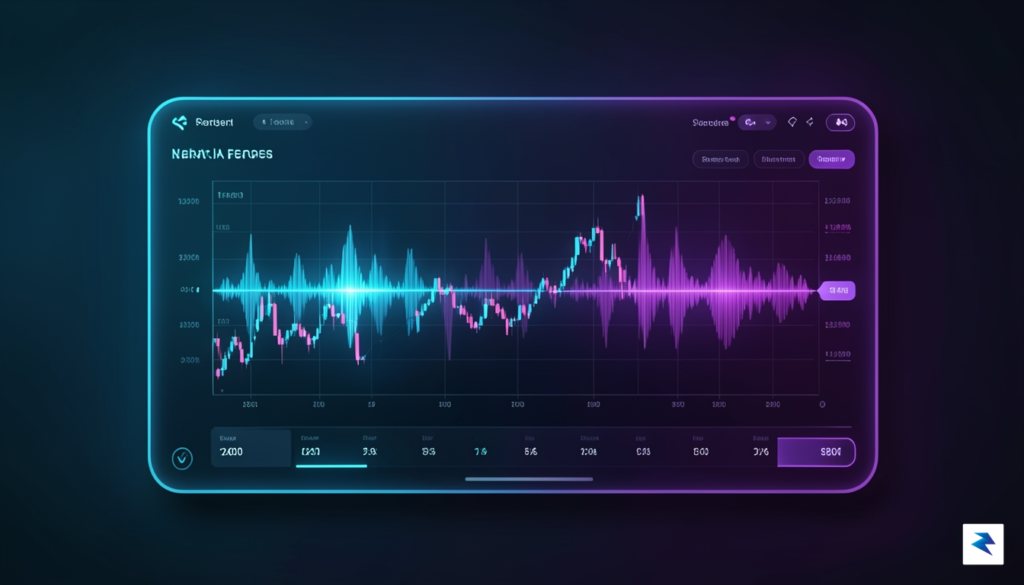
The rise of prediction markets like Kalshi has fundamentally altered how we engage with pop culture, transforming everything from election outcomes to the success of a debut album into a speculative asset class. By allowing users to place real-money bets on the performance of media metrics, these platforms have invited a new breed of sophisticated traders to scrutinize streaming data with the intensity of Wall Street analysts. What was once a passive metric used to gauge artist popularity or calculate royalties has now evolved into a high-stakes financial instrument, where decimal points in a stream count can represent significant gains or losses for participants. This transition has turned the music industry into an unexpected frontier for algorithmic speculation, blurring the lines between fan engagement and market manipulation.
This volatile environment recently reached a boiling point when a prominent trader publicly exited Spotify-related markets, citing clear evidence of streaming fraud. After an investigation bolstered by reports from outlets like WIRED, the trader highlighted how artificial inflation—often referred to as “botting”—was distorting the outcomes of bets that were supposed to be based on organic listener behavior. When the underlying data is compromised by automated scripts and illicit click farms, the entire premise of the prediction market collapses, turning a game of skill into a rigged system. This incident serves as a sobering reminder that as long as streaming numbers remain the primary currency of the music business, they will continue to be a primary target for those looking to game the system for financial gain.
The integration of betting markets into music consumption metrics creates a dangerous incentive structure where the value of a song is no longer found in its artistry, but in its susceptibility to manipulation.
The implications of this intersection are profound, particularly regarding the reliability of the data that dictates the modern music economy. For the average listener, a stream might seem like a simple vote of support for an artist, but for those operating within these prediction markets, it is a data point that carries the weight of a financial trade. As transparency remains a persistent issue within streaming platforms, the pressure to verify the authenticity of every play has never been higher. When vanity metrics are treated as financial data, the industry must grapple with the ethical dilemma of ensuring that the “charts” reflect genuine human interest rather than the mechanical efficiency of bad actors looking to profit from market volatility.
How Spotify Streaming Fraud Distorts Real-World Data

Streaming manipulation is far from a novel issue in the digital music era, yet its implications have shifted dramatically as the industry evolves. Historically, this practice relied on rudimentary script-based looping, where automated programs repeatedly played tracks to inflate metrics. Today, the landscape is dominated by sophisticated bot farms—networks of compromised accounts that mimic human behavior with terrifying precision, oscillating between different artists and genres to evade platform detection systems. While these tactics were once primarily used to boost the vanity metrics of aspiring influencers or fringe artists, they have evolved into a tool for economic subversion, creating a “synthetic” reality that bears little resemblance to actual listener behavior.
The delta between organic engagement and artificial manipulation represents a significant challenge for data integrity. Organic streaming is characterized by spontaneity, repeat listening driven by genuine affinity, and geographic diversity—all of which form the bedrock of a healthy music ecosystem. In contrast, artificial streams often exhibit unnatural patterns: perfect, non-stop loops, lack of user interaction, or geographic clusters that don’t align with marketing efforts. When these fake data points bleed into the broader ecosystem, they contaminate the very algorithms that determine which songs gain traction, effectively forcing platforms to promote content that no real human has actually chosen to hear.
The danger of artificial streaming lies not just in the falsification of popularity, but in the erosion of truth within data-driven ecosystems. When the baseline for success is compromised, every downstream decision—from marketing budgets to financial speculation—is built upon a foundation of noise.
The recent emergence of prediction markets, where traders bet on the commercial success of tracks or artists, has introduced a high-stakes variable to this ongoing arms race. These markets rely on the assumption that streaming data is an objective proxy for cultural relevance and financial viability. However, when malicious actors manipulate these figures to trigger specific outcomes, they transform prediction markets into targets for exploitation. This creates a feedback loop of misinformation: traders rely on streaming data to make financial decisions, and the presence of fraudulent streams distorts the market price, ultimately allowing those who control the “bot nets” to profit from the very volatility they engineered.

Ultimately, this convergence of music technology and speculative finance exposes a critical vulnerability in our data-reliant world. If market participants cannot distinguish between a global hit and a fabricated trend, the integrity of the entire predictive model collapses. As platforms like Spotify continue to combat these bad actors, the music industry must reconcile with the reality that streaming numbers are no longer just vanity metrics; they are essential financial data points that require the same level of auditing and regulatory scrutiny as any other asset class.
The Mechanics of Manipulation: Bot Farms and Financial Incentives

The infrastructure powering modern streaming fraud has evolved far beyond the primitive scripts of the past, shifting into highly organized, industrial-scale bot farms. These operations utilize sophisticated networks of virtual private servers (VPS) and residential proxy services to mimic the digital footprint of legitimate human listeners. By cycling through thousands of unique IP addresses and device signatures, these bot farms can bypass basic rate-limiting and geolocation filters, creating the illusion of a global, organic audience. Because these scripts are programmed to emulate natural listening patterns—pausing for breaks, skipping tracks at realistic intervals, and interacting with platform interfaces—they have become increasingly difficult to distinguish from the most dedicated, sleep-deprived superfans.
The transition from simple clout-chasing to financial arbitrage represents a fundamental shift in the economics of digital music. In the past, bad actors manipulated stream counts primarily to inflate an artist’s ego or influence chart placements for social prestige. However, the rise of prediction and betting markets has introduced a direct, high-stakes financial incentive. When streaming data becomes a tradable commodity or a metric used to settle financial wagers, the cost of running a bot farm becomes a calculated investment rather than an overhead expense. If a malicious actor can influence the outcome of a prediction market by artificially inflating a song’s performance, the potential payouts from winning those bets far outweigh the costs of cloud hosting and proxy maintenance, effectively turning streaming platforms into unintended playgrounds for market manipulation.
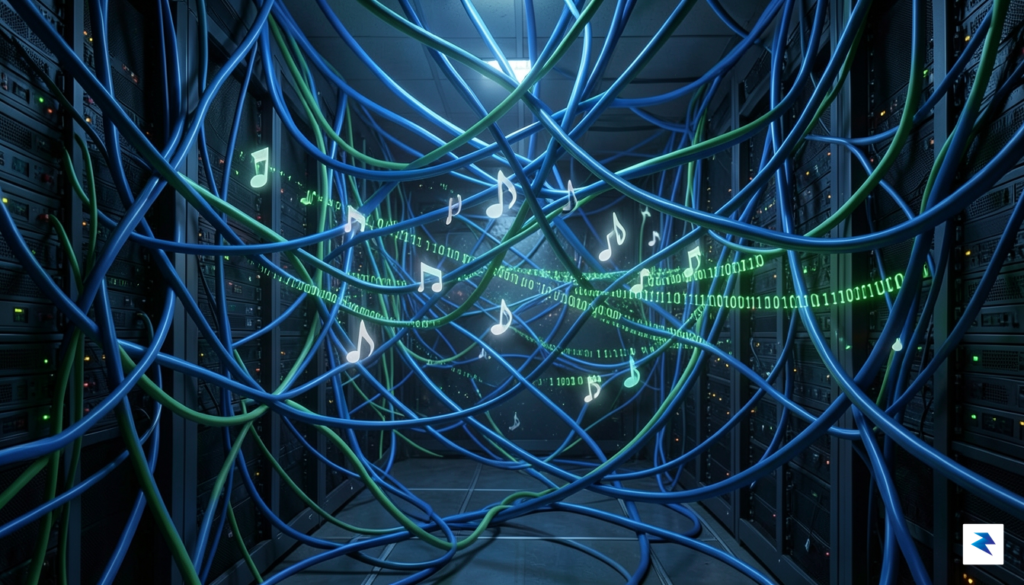
For platforms like Spotify, this creates an ongoing, high-stakes arms race between security engineering teams and automated syndicates. Distinguishing between genuine fan engagement and malicious script activity is akin to finding a needle in a digital haystack, as both groups may exhibit similar behaviors, such as listening to a single track on repeat for hours. When a community of passionate fans rallies to boost their favorite artist’s numbers, their behavior is often indistinguishable from a well-optimized bot network. Consequently, platforms are forced to implement increasingly invasive monitoring and behavioral analysis tools, which risks alienating legitimate users while struggling to keep pace with the ever-evolving tactics of fraudsters who constantly update their algorithms to bypass detection.
The integration of streaming data into financial prediction markets has effectively weaponized the play count, turning a metric once intended for discovery into a target for high-frequency algorithmic exploitation.
Ultimately, the threat of manipulation is no longer just a technical issue for streaming providers; it is a systemic challenge for the integrity of any financial instrument tethered to these metrics. As long as there is a profit motive attached to artificial volume, bad actors will continue to refine their infrastructure to mimic human behavior with greater precision. This ongoing cycle forces platforms to prioritize deep data forensics over user experience, creating a defensive posture that underscores just how valuable—and vulnerable—streaming data has become in our modern, data-driven economy.
Impact on the Creator Economy and Platform Integrity
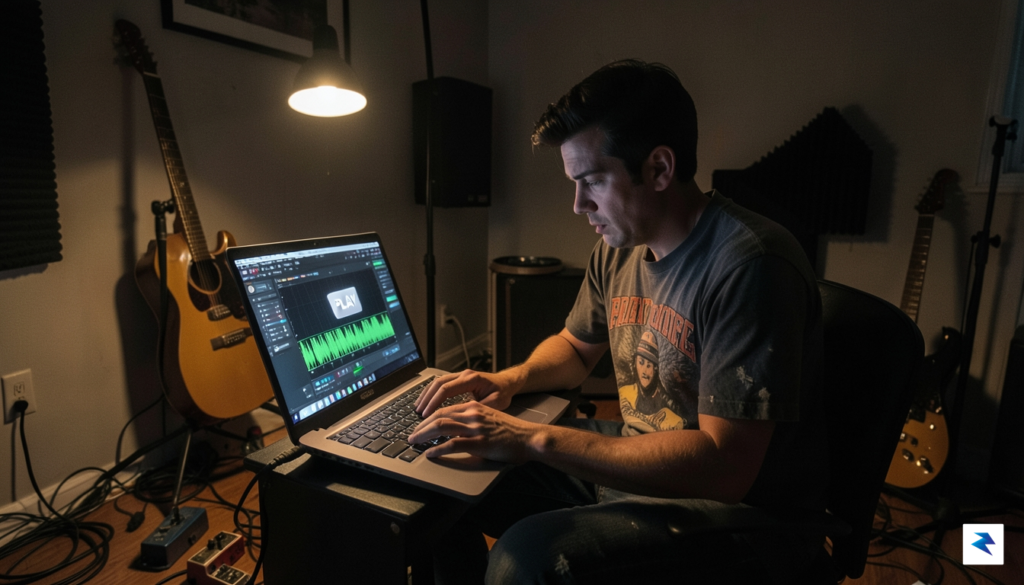
The infiltration of fraudulent activity into streaming metrics represents far more than a mere technical glitch or a minor financial irregularity; it strikes at the very heart of the creator economy. When streaming charts are treated as commodities to be manipulated rather than reflections of genuine human connection, the fundamental contract between artist and listener begins to fracture. For independent creators who lack the capital to invest in sophisticated bot networks or pay-for-play schemes, the playing field is not just tilted—it is effectively dismantled. As these artificial streams inflate, they create a distorted reality where popularity is a function of algorithmic gaming rather than artistic merit, forcing genuine talent to fight for visibility in a marketplace increasingly saturated by synthetic noise.
This reality imposes what can be described as an “authenticity tax” on the entire music community. When discovery algorithms—the primary engines for growth in the digital age—are poisoned by inorganic data, they lose their ability to accurately map listener intent. Consequently, legitimate artists find their music trapped in a feedback loop where the system struggles to find their true audience because the “signals” are overwhelmed by fraudulent spikes. This leads to a degradation of the platform’s reputation, as users begin to lose trust in the recommendations they receive. If a playlist or a “Discover Weekly” feed is perceived as a collection of manufactured hits rather than a curation of quality, the perceived value of the platform as a tool for cultural discovery inevitably diminishes.
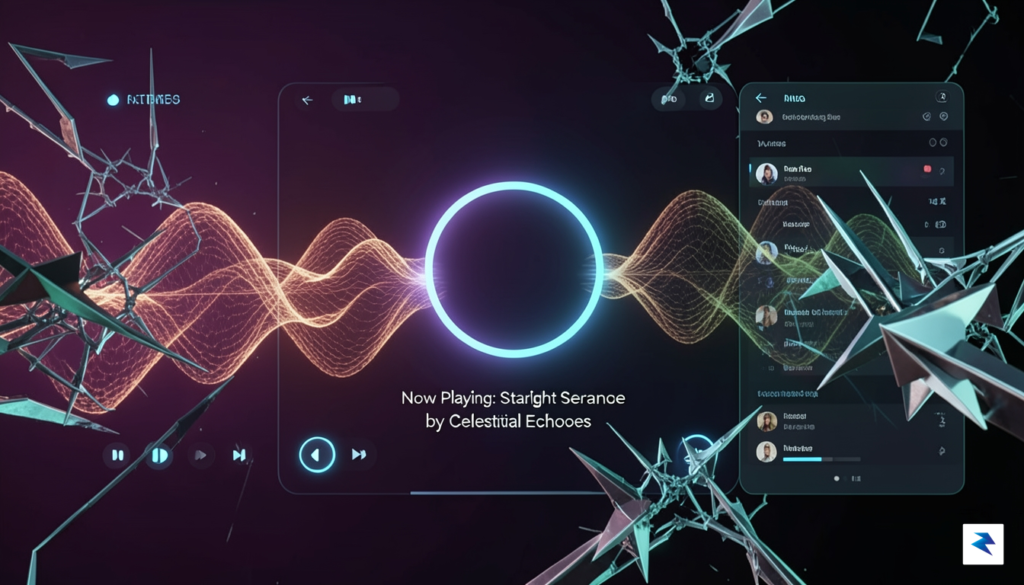
Spotify has certainly implemented various technical safeguards to detect and penalize artificial streaming, including the introduction of financial penalties for labels and distributors found to be inflating numbers. However, the cat-and-mouse game between platform security teams and bad actors remains a persistent industry challenge. As detection methods grow more sophisticated, so too do the tactics employed by fraud syndicates, who are constantly evolving their strategies to mimic human behavior patterns. This cycle forces the industry into a defensive posture, where resources that could be directed toward artist support and infrastructure innovation are instead funneled into cybersecurity and data forensics.
The normalization of streaming fraud does not just steal revenue; it steals the possibility of a meritocratic music industry, replacing the serendipity of discovery with the cold, calculated efficiency of digital deception.
Ultimately, the long-term integrity of the music industry depends on a fundamental shift in how we value digital engagement. If the marketplace continues to prioritize raw volume over the quality and sincerity of the listening experience, the creator economy risks becoming a hollow ecosystem. To restore confidence, platforms must move beyond reactive measures and foster a more transparent ecosystem where data provenance is prioritized. Without a concerted effort to cleanse the digital landscape, the promise of the streaming era—a global stage accessible to any artist with a vision—threatens to be eclipsed by a system where only those willing to manipulate the architecture can survive.
The Future of Prediction Markets in Entertainment

The recent controversy surrounding manipulated streaming metrics highlights a fundamental tension between the cold, hard logic of financial markets and the inherently subjective world of cultural consumption. When prediction markets attempt to quantify the success of an artist or a song, they rely on the assumption that underlying data is both transparent and tamper-proof. However, the Spotify incident proves that as long as financial incentives exist, bad actors will seek to exploit the gaps between platform reporting and market reality. If these platforms are to survive as viable barometers of public interest, they must move beyond passive observation and adopt a more rigorous, active stance toward data integrity.
One potential path forward lies in the implementation of decentralized data verification and blockchain-based auditing. By utilizing immutable ledgers to track streaming interactions, market operators could create a “proof of play” mechanism that is far more difficult to spoof than standard platform-reported numbers. Furthermore, prediction markets may need to restrict their parameters, focusing on long-term trends rather than short-term, volatile spikes that are easily manipulated by bot farms. Without these structural safeguards, these markets risk devolving into mere playgrounds for high-frequency traders and fraudsters, ultimately losing their value as legitimate indicators of reality.

If financial markets are to remain credible, they must treat data provenance with the same intensity as they treat liquidity. A market is only as good as the truth it reflects.
Beyond the technical fixes, however, lies a deeper, more philosophical question: should we be betting on artistic success in the first place? When we gamify the reach of a song or the popularity of a creator, we risk incentivizing a culture of “growth at any cost,” where the focus shifts from artistic expression to algorithmic dominance. This commodification of creativity turns the listener into a data point and the song into a financial instrument, potentially distorting the very culture that prediction markets aim to measure. Ultimately, if these platforms cannot find a way to insulate themselves from the pressures of digital manipulation, we may find that the cost of betting on art is a hollowed-out industry where the numbers no longer mean anything at all.
Proposed Solutions for Market Integrity
- Independent Auditing: Third-party verification protocols that cross-reference platform data against external behavioral patterns.
- Smart Contract Constraints: Utilizing automated triggers that pause trading if anomalous, statistically impossible surges in activity are detected.
- Restricted Access: Limiting market participation to verified accounts that adhere to stricter disclosure and transparency standards.
- Temporal Smoothing: Shifting the focus of prediction markets from instantaneous streaming counts to rolling averages to mitigate the impact of artificial bot-driven spikes.