Spotify Streaming Fraud: The Hidden Risks in Modern Prediction Markets
The Kalshi Controversy: When Prediction Markets Meet Music Streaming The rise of prediction markets like Kalshi has fundamentally altered how…

For decades, the relationship between reality television and its audience was defined by a distinct, one-way barrier: the television screen. Viewers were relegated to the role of passive observers, relegated to watercooler debates the morning after an episode aired to dissect the drama they had witnessed from afar. However, the rise of digital ecosystems has fundamentally dismantled this barrier, transforming the living room spectator into an active participant. Modern media consumption is no longer a solitary act of watching; it is a collaborative, real-time experience where the audience feels entitled to influence the very narrative they are consuming.
This shift is most visible in the way younger demographics approach entertainment. For these viewers, the so-called “second screen”—the smartphone or tablet held while the television plays in the background—has effectively become the primary screen. This isn’t just about multitasking; it is about establishing a direct line of communication with the content creators. By integrating mobile apps directly into the viewing experience, shows like Love Island USA have bridged the gap between the producer’s vision and the viewer’s desires. The app serves as a digital town square, allowing users to vote on dumpings, influence challenges, and essentially cast their ballots in the real-time election of reality television.
The transition from passive viewer to active stakeholder is not merely a change in habit; it is a psychological reclamation of agency that turns entertainment into an immersive, high-stakes game.
This psychological evolution is profound because it changes the viewer’s emotional investment in the show’s outcome. When a fan uses an app to save their favorite contestant, they are no longer just cheering for a character—they are acting as a producer or a talent scout. This sense of ownership encourages a deeper level of loyalty, as the audience feels a personal responsibility for the show’s trajectory. Consequently, the engagement metrics shift from simple Nielsen ratings to active daily engagement within an app, creating a sticky, loyal ecosystem that traditional broadcasting could never achieve on its own. The power dynamic has officially flipped: the audience is no longer just watching the story unfold, they are the ones holding the pen.

When more than 10 million people download a single application, the traditional definition of a television viewer begins to blur. The Love Island USA app has transcended its origins as a mere companion tool, evolving into a colossal data-collection engine that rivals the turnout of major political elections. By bridging the gap between passive observation and active participation, the platform has transformed the audience from spectators into essential producers of the narrative. This scale of engagement provides NBCUniversal and the show’s production team with a level of insight that traditional Nielsen ratings simply cannot capture, as it tracks not just who is watching, but who is willing to take the time to influence the outcome of the show.
The true power of this digital ecosystem lies in its friction-free design, which is meticulously engineered to foster daily habit-forming behavior. By integrating polls, trivia, and real-time voting into the user experience, the app turns the nightly broadcast into a gamified event. Users are not just checking in to see who gets eliminated; they are logging in daily to offer their opinions, shape the social dynamics within the villa, and stay connected to the community. This continuous cycle of feedback creates a powerful feedback loop where the audience feels a sense of agency, ensuring that they remain deeply invested in the show’s progression long after the credits roll on the nightly broadcast.
The app’s success demonstrates that in the modern media landscape, the most valuable currency is not just eyeballs, but active, recurring participation that bridges the gap between the screen and the viewer’s pocket.
For the production team, the data harvested from these millions of active users is invaluable. While traditional ratings provide a snapshot of household reach, app data offers a granular look at viewer sentiment, character popularity, and engagement intensity. This information allows producers to make informed decisions about pacing and storylines in real-time, effectively allowing the audience to steer the ship. By empowering the viewers to vote on dumpings and date choices, the app creates a sense of shared responsibility for the drama unfolding on screen. Consequently, the show is no longer a static product being delivered to a passive audience; it is a collaborative project, sustained by a massive, digitally-native community that demands a seat at the table.

By integrating a robust mobile application into the core of the viewing experience, the production team behind the show has effectively transformed the audience from passive consumers into active narrative architects. Every vote cast—whether it decides which couple stays together or which new bombshell enters the villa—serves as a high-stakes data point that producers utilize to refine the show’s trajectory. This real-time feedback loop allows the creative team to pivot their editing strategy instantly, amplifying the storylines that generate the most engagement while quietly sidelining arcs that fail to resonate with the digital electorate. Consequently, the traditional barrier between the production suite and the viewer has dissolved, creating a hyper-responsive environment where the audience holds significant agency over the contestants’ fates.
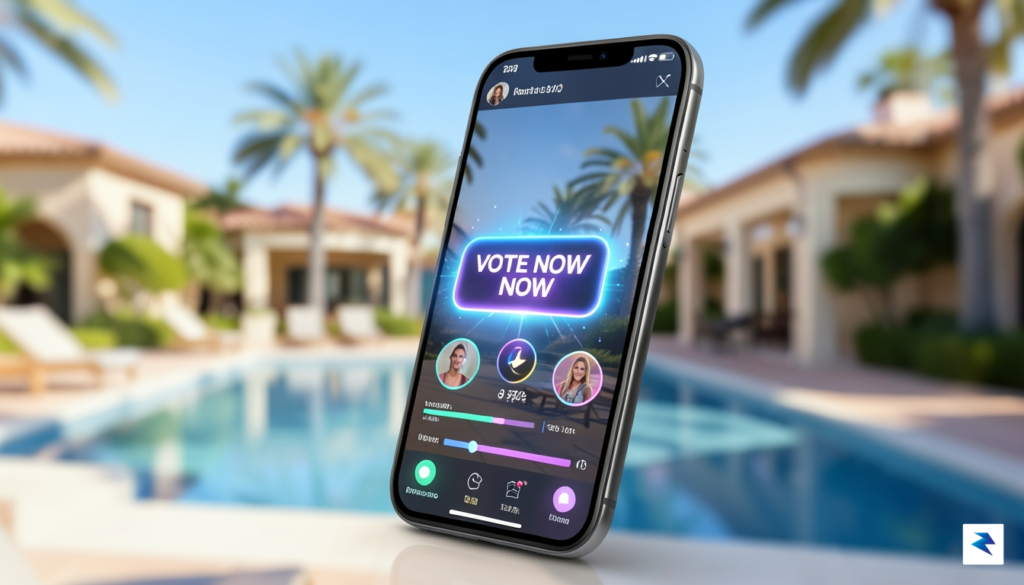
This power dynamic creates a fascinating, albeit volatile, relationship between those on screen and those holding the devices. Contestants are acutely aware that their tenure in the villa is entirely dependent on the whims of the public, which encourages a performance style that is hyper-attuned to viewer sentiment. When an audience is given the power to dictate the pace and direction of reality arcs, it introduces a level of unpredictability that can either revitalize a flagging season or introduce chaotic shifts that test the boundaries of a coherent narrative. For the producers, the reward is a deeply invested, loyal fan base that feels a personal sense of ownership over the show’s outcome, while the risk lies in the potential for audience manipulation or the loss of genuine, unscripted character development.
The transition toward interactive storytelling represents a paradigm shift in media, where the collective pulse of ten million users becomes the primary compass for editorial decision-making.
Ultimately, the technical infrastructure required to process these millions of votes in real-time is nothing short of a strategic masterclass. By turning the viewer into a participant, the show ensures that engagement remains consistently high, as fans feel compelled to check the app daily to exert their influence. While this data-driven approach guarantees that the show remains relevant to its core demographic, it also raises complex questions about the future of reality television: are we moving toward a medium where the narrative is entirely crowdsourced, or will there always be a need for the curated hand of the producer to balance the raw, erratic input of the masses? As these digital platforms continue to evolve, the distinction between watching a show and writing it will only become more blurred.
The integration of a mobile application into the fabric of Love Island USA has fundamentally shifted the show from a passive viewing experience to an active, participatory performance. By allowing the audience to influence everything from recouplings to surprise dumpings, the platform effectively turns the search for romance into a high-stakes, data-driven competition. While this gamification undoubtedly boosts engagement and creates a sense of communal ownership among the 10 million-plus users, it raises a significant question about the sanctity of the connections formed on screen. When contestants know that their every move is being measured, tracked, and voted upon by a digital peanut gallery, the line between authentic vulnerability and calculated performance begins to blur significantly.
This constant audience intervention creates an environment where contestants are incentivized to play a character rather than explore genuine, raw emotion. Because the app provides immediate feedback loops—often in the form of ranking popularity or labeling couples as “least compatible”—islanders are naturally prone to tailoring their behavior to appease the public rather than their partners. This pressure to remain “likable” in the eyes of the digital audience can stifle the messy, unpredictable growth that usually characterizes real-life relationships. Consequently, viewers are left to wonder: are we witnessing a sincere effort to find a life partner, or are we watching a group of individuals auditioning for the role of the “perfect” reality star?

The true test of a relationship on the island is no longer just the chemistry between two people, but their ability to survive the unforgiving scrutiny of a million-person focus group.
Furthermore, the long-term sustainability of the franchise hinges on this delicate balance. If the gamification becomes too heavy-handed, the show risks losing the heart that keeps audiences invested in the first place. If the audience perceives that the “game” has completely overtaken the “love,” the emotional payoff of a finale feels hollow and artificial. To maintain its relevance, the producers must ensure that the digital feedback mechanisms don’t entirely strip away the spontaneity of the human experience. Ultimately, the show succeeds only when the digital metrics and the genuine, unscripted sparks of human attraction are allowed to coexist, rather than one being sacrificed entirely for the sake of the other.

The runaway success of the Love Island USA digital ecosystem serves as a loud wake-up call for the traditional entertainment industry. For decades, the relationship between a television show and its audience was largely passive; viewers consumed content while producers dictated the narrative from behind a curtain. By empowering its fanbase to directly influence plot points and cast longevity through an interactive mobile application, the franchise has effectively dismantled the fourth wall. This shift suggests that the future of television will no longer be measured solely by Nielsen ratings or passive viewership numbers, but by the intensity and frequency of digital engagement that occurs outside the broadcast window.
As networks and streaming giants scramble to replicate this “app-first” model, we are likely to see a fundamental transformation in how reality franchises are developed and distributed. Producers are beginning to realize that audiences no longer want to be mere spectators; they want to be active participants in the storytelling process. This trend will inevitably push content creators to integrate gamification into their core business strategies. In the coming years, we can expect the next evolution of audience interaction to involve sophisticated AI-driven personalization, where an app might curate exclusive content based on a user’s specific preferences, or even VR-integrated experiences that allow fans to “visit” the villa in a virtual capacity. These immersive layers will turn every episode into a living, breathing ecosystem rather than a static piece of media.
The true power of the interactive model lies in its ability to turn casual viewers into stakeholders who feel a personal sense of responsibility for the show’s outcome.
Ultimately, the pivot toward deep digital integration represents the new gold standard for audience retention in an increasingly fractured media landscape. When viewers are given the agency to shape the narrative, their emotional investment in the product increases exponentially, which in turn fosters a level of loyalty that traditional advertising cannot buy. While the cost of developing and maintaining such robust platforms is significant, the payoff in data collection, brand loyalty, and long-term franchise viability is undeniable. Television is no longer just a broadcast medium; it is becoming a multifaceted platform where the lines between content and community are permanently blurred. Moving forward, the shows that fail to offer this level of interactive depth will find themselves struggling to compete in an arena where the audience expects to hold the remote—and the power—in their own hands.
You must be logged in to post a comment.