Love Island USA: How the Hit Show Turned Viewers Into Producers
The Digital Evolution of Reality TV Engagement For decades, the relationship between reality television and its audience was defined by a…
For over a decade, the name “Pocket” occupied a specific, cherished space in the digital landscape. To the average internet user, it was synonymous with a “read-it-later” utility—a digital scrapbook that allowed people to strip away the clutter of the web and save long-form articles, videos, and research for a more convenient time. Under the stewardship of Mozilla, this tool became a fundamental browser extension, helping users curate their own personal libraries of knowledge. It was a passive, user-driven experience defined by manual saving, offline accessibility, and a clean, distraction-free reading interface that prioritized user focus above all else.
However, the landscape of digital tools shifts rapidly, and the recent acquisition of the name by Meta marks a complete departure from that legacy. While the original service functioned as a quiet archive for your personal interests, Meta’s new application is built on a fundamentally different philosophy. Instead of a static repository for saved links, the new Meta-developed platform operates as an active, AI-driven discovery engine. It is designed to interpret user behavior and proactively serve content, moving away from the “save-for-later” model toward a dynamic, algorithm-heavy engagement loop that aims to keep users within the Meta ecosystem rather than helping them store information for external use.
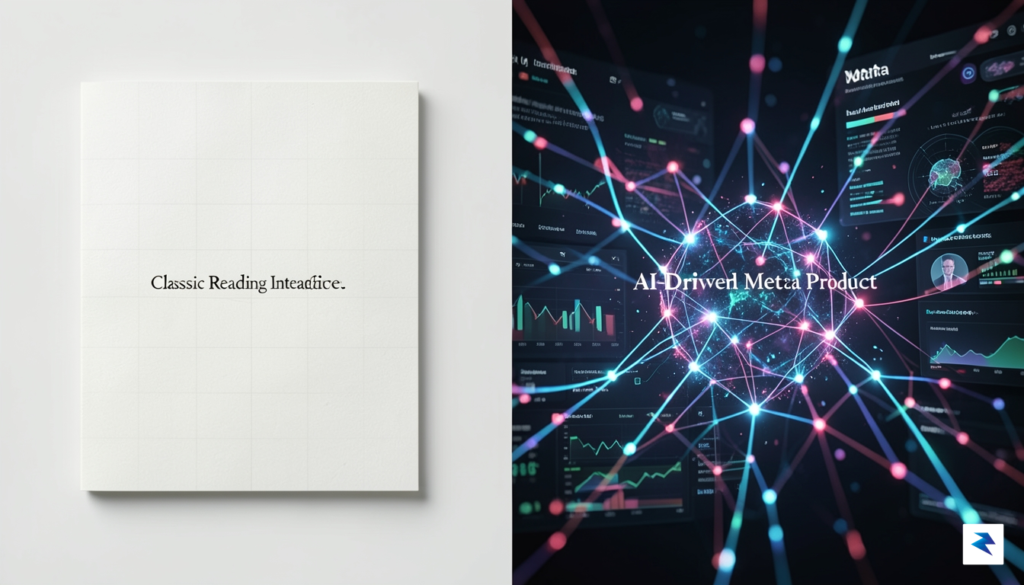
This brand overlap has inevitably caused significant confusion among long-time users who associate the moniker with their archived reading lists. If you find yourself searching for your old bookmarks or expecting a simple, offline-capable utility, you will likely be surprised to find a product that bears little resemblance to its namesake. The distinction is critical: whereas the previous iteration of the software acted as a neutral container for your own selections, this new venture acts as an active curator powered by machine learning.
The core difference is intentional: the original Pocket was a tool for archiving your past interests, while the new Meta product is a tool for influencing your future interactions.
For those still looking for the quiet, utility-focused experience of the past, it is important to recognize that the two products share nothing but a name. The transition reflects a broader industry shift toward AI-driven personalization, moving away from the era of manual digital gardening. By understanding that this is not a successor or an update, but a completely unrelated product, you can better manage your expectations and determine whether this new, proactive platform serves your current digital needs or if you are better off seeking a different tool entirely.

At the heart of Meta’s latest venture lies a fundamental shift in how we perceive personal digital utilities: the introduction of “Gizmos.” Unlike traditional apps that serve as passive storage units for content, Pocket is built as a dynamic, experimental playground where the interface itself is malleable. A Gizmo is essentially a specialized, prompt-generated micro-tool—a tiny, custom-built application designed to solve a specific task or provide a unique interactive experience on the fly. Whether you need a sophisticated unit converter that understands your specific professional jargon, a mood-tracking visualizer that interacts with your daily notes, or a complex decision-making matrix for your weekend plans, these Gizmos act as functional extensions of the AI, providing utility that is as ephemeral or as permanent as you require.
The process of creating a Gizmo is intentionally designed to be frictionless, stripping away the traditional barriers associated with software development. A user simply enters a natural language prompt describing the desired functionality—for example, “create a tool that helps me track my plant watering schedule based on sunlight levels in my living room”—and the underlying AI architecture immediately synthesizes the necessary logic, interface elements, and data handling requirements. This generative process means that users no longer need to write a single line of code or understand back-end architecture to deploy a highly effective digital utility. The AI handles the heavy lifting, translating your intent into a polished, interactive component that lives within your personal workspace.
Gizmos represent the democratization of utility; they allow any user, regardless of technical background, to become a creator of their own software environment.
Beyond individual productivity, the social dimension of these Gizmos is what truly sets the platform apart from previous attempts at modular app design. Once you have successfully generated a tool that serves your needs, you can share it directly with friends, colleagues, or the wider community within the app. Because these creations are inherently portable and interoperable, a Gizmo designed by one person can be “forked” or adapted by others, creating a collaborative ecosystem of problem-solving tools. This social layer ensures that if you lack the inspiration to build something from scratch, you can browse a library of community-tested Gizmos, testing them out instantly to see if they fit your workflow. By lowering the barrier to entry so significantly, Meta has transformed the act of app-building from a daunting engineering task into a simple, conversational exchange.
Mark Zuckerberg’s strategic roadmap has undergone a profound transformation, shifting away from the era of passive social networking toward a future defined by generative utility. While Meta previously dominated the landscape by optimizing for time spent within a scrollable feed, the introduction of Pocket signals a departure from this consumption-heavy model. Instead of merely presenting users with content created by others, Meta is now leveraging its massive investments in large language models to turn the user into a builder. This pivot reflects a broader belief that the next generation of digital engagement will not be measured by how many posts a person views, but by how many personalized tools they can manifest to simplify their daily lives.
At the core of this transition is the concept of “AI-as-a-utility,” where the software acts as a bridge between a vague intent and a functional digital widget. By allowing users to describe their needs—such as a real-time tracker for local weather patterns, a customized habit monitor, or a collaborative task list—Meta is effectively democratizing software development. This move suggests that the company views artificial intelligence not just as an interface for searching the web, but as a manufacturing layer for personal productivity. By empowering users to build these “Gizmos,” Meta is moving to capture a segment of the market that values efficiency over endless content consumption.
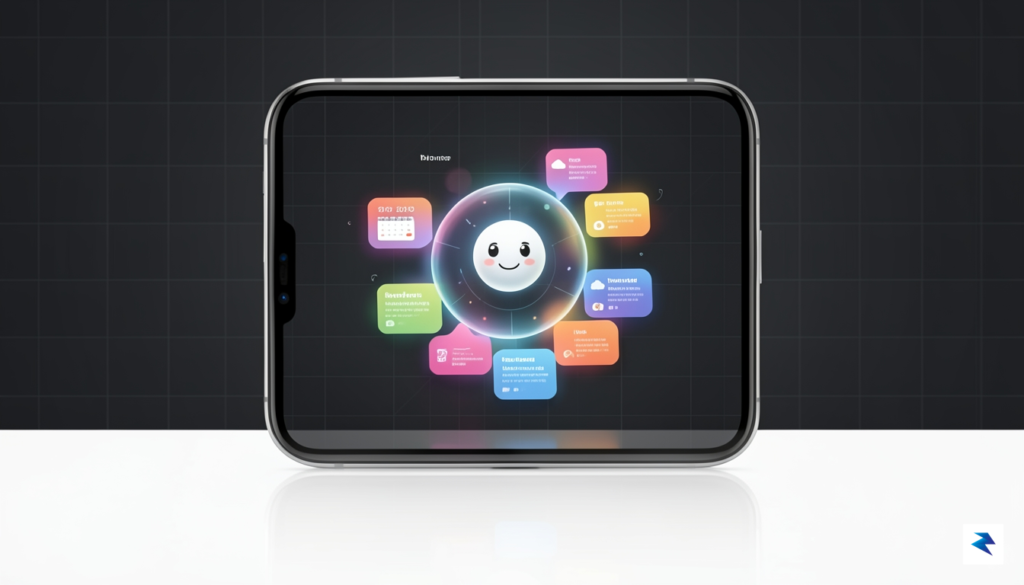
Meta’s shift represents a transition from building platforms that trap users in infinite scrolls to building toolkits that unlock individual creative agency.
This evolution also serves as a strategic hedge against the saturation of traditional social media. As users become increasingly fatigued by algorithmic feeds, providing a space where they can construct their own bespoke utility widgets offers a unique value proposition that keeps them anchored within the Meta ecosystem. These AI-generated creations function as a new form of digital expression, turning personal preferences into tangible, usable interfaces. Whether these tools eventually integrate directly into the broader Meta suite—or remain isolated within this new app—the underlying philosophy remains clear: Meta intends to be the infrastructure upon which the next generation of personalized digital experiences is built.
Ultimately, this pivot suggests that Zuckerberg recognizes the limitations of the “attention economy” and is pivoting toward an “intention economy.” By fostering an environment where users define their own tools, Meta is positioning its technology as an indispensable assistant rather than just a source of entertainment. As these creative capabilities mature, we can expect to see a blurring of the lines between consumer software and professional development tools, marking a significant milestone in how everyday people interact with the underlying capabilities of generative artificial intelligence.

In the fast-paced ecosystem of Silicon Valley, the recycling of established brand identities is a double-edged sword that often prioritizes short-term recognition over long-term clarity. When a tech giant like Meta decides to adopt a name that is already synonymous with a successful, independent software product—in this case, the beloved “read-later” utility Pocket—they are essentially attempting to rewrite the linguistic landscape of the industry. This strategy relies on the hope that the new product’s sheer scale will eventually eclipse the original, yet it risks creating a jarring disconnect for power users who have spent years building workflows around the existing, unrelated utility. By co-opting such a recognizable moniker, Meta isn’t just launching an app; they are engaging in a branding maneuver that forces consumers to reconcile two entirely different digital experiences under a single, confusing label.
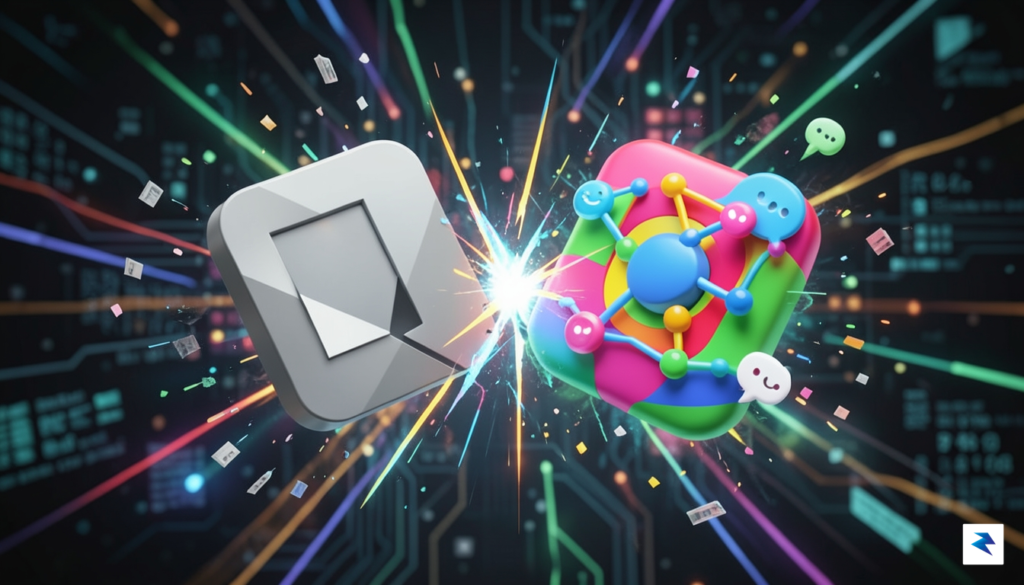
The decision to leverage legacy names often stems from a desire to capture “brand equity”—the intangible value that comes with a name consumers already know and trust. Executives often argue that if a word conveys a specific feeling or utility, it is a prime candidate for a new product, even if that utility is entirely different. However, this approach can backfire when it alienates the very people who act as the “early adopters” and brand evangelists for new technology. For the tech-savvy crowd, such naming choices can feel like a cynical attempt to hijack search traffic and mental space. If a company ignores the pre-existing ecosystem of a brand name, they risk appearing disconnected from the culture they are trying to influence, ultimately eroding the trust required to keep users engaged over the long haul.
True brand resonance requires more than just borrowing a name; it requires building a unique identity that stands on its own merits rather than leaning on the confusion of the past.
Ultimately, this approach to branding creates a fragmented user experience where simple search queries lead to results that require an unnecessary amount of cognitive load to navigate. When users search for a tool they have relied on for years, only to be met with a completely different service from a massive conglomerate, the result is frustration rather than curiosity. For Meta, the challenge lies in proving that this new iteration of “Pocket” provides enough inherent value to overcome the initial skepticism. If the product cannot differentiate itself through superior functionality or a unique value proposition, the reuse of a name will likely be viewed by the broader tech community as an aggressive, exclusionary tactic rather than a genuine attempt to innovate within the market.

The emergence of Meta’s latest tool marks a significant shift in the digital landscape, moving beyond the traditional role of a passive consumer toward that of an active architect. By democratizing the creation of custom AI entities, Meta is effectively lowering the floor for software development, allowing users to build complex, interactive experiences through simple, natural language prompts. This evolution suggests that the future of the internet will not be defined merely by static content, but by a decentralized ecosystem of personalized agents that adapt to the specific needs of individual users. As these tools become more accessible, the barrier between a “user” and a “creator” will continue to erode, turning every smartphone owner into a potential developer of niche digital solutions.
Looking ahead, the scalability of this “Gizmo” concept is immense. We can anticipate a future where these AI-driven assistants become as commonplace as mobile applications, each tailored to handle specific workflows, hobbies, or social interactions. As these agents gain popularity, we will likely see the rise of a new creator economy centered on “prompt engineering” and AI persona development. This shift could trigger a wave of social virality, where the most clever, efficient, or entertaining AI agents are shared, remixed, and integrated into our daily routines, much like modern-day internet memes or viral trends.

From a monetization standpoint, the implications are equally profound. If users can build and deploy their own AI tools, Meta may eventually introduce frameworks that allow creators to monetize their prompts or agents, perhaps through subscription models or performance-based incentives. This would fundamentally change how we interact with software, shifting the focus from monolithic, one-size-fits-all platforms to a hyper-personalized web of interconnected tools. Whether this becomes a standard for all future technology or remains a niche experiment depends largely on how effectively these tools can be moderated and integrated into existing social infrastructures.
Ultimately, we are witnessing the transition from an era of “using” technology to an era of “co-authoring” our digital environments.
Ultimately, it is premature to dismiss this shift as a passing fad. The trajectory of artificial intelligence suggests that we are moving toward a world where the ability to summon custom software via language is a baseline expectation. While the initial iteration of this app may feel like a novelty, it offers a crucial glimpse into a decentralized future where the power to build is distributed back to the individual. As these AI agents become more sophisticated and autonomous, they will likely become the primary interface through which we access the internet, effectively rebranding the role of the creator in a world where code is written by conversation.
You must be logged in to post a comment.