Decoding Tesla’s Q2 Sales Surge
Tesla’s latest performance report has sent a resounding message to the automotive industry, as the company moved a staggering 480,000 vehicles globally during the second quarter. This figure represents not just a statistical win, but a massive leap forward that effectively silences the chorus of market skeptics who had predicted a cooling of demand for electric vehicles. By achieving this volume, Tesla has demonstrated a level of operational resilience that few legacy automakers have been able to replicate, particularly under the current macroeconomic pressures of high interest rates and tightening consumer budgets. The year-over-year growth trajectory remains impressive, underscoring the company’s ability to scale its manufacturing capabilities while simultaneously navigating complex supply chain environments that have hampered many of its direct competitors.
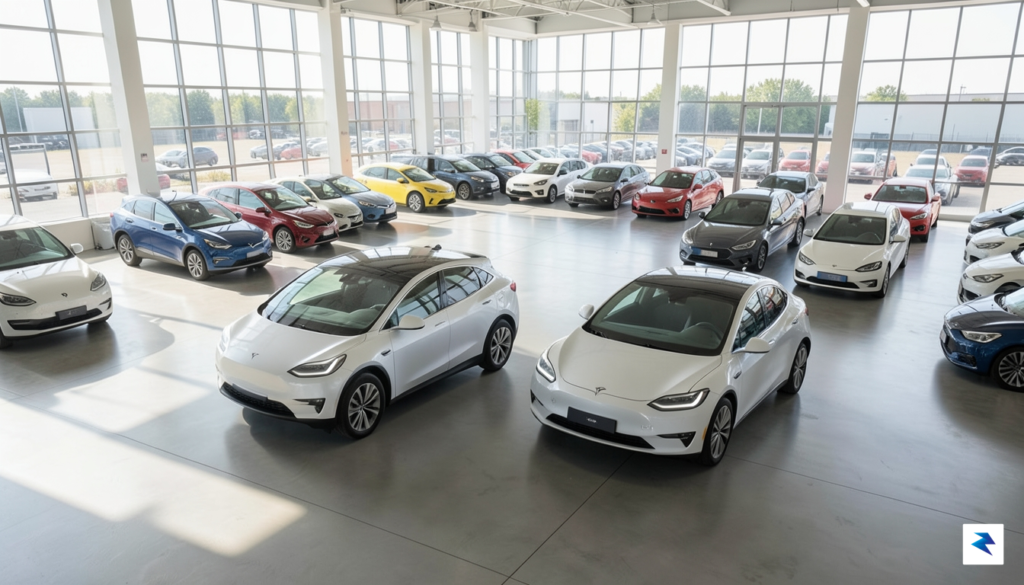
This specific delivery milestone is arguably the most critical indicator of Tesla’s current market positioning and investor confidence. For shareholders, these numbers serve as tangible proof that the company’s aggressive pricing strategies and lean manufacturing focus are successfully translating into market share. Rather than retreating in the face of increased competition from both domestic startups and established international players, Tesla has leveraged its unique position to push volume, effectively forcing the rest of the market to rethink their own pricing structures. The ability to move nearly half a million units in just three months provides the liquidity and brand momentum necessary to fund future R&D initiatives, including advancements in full self-driving technology and next-generation vehicle architectures.
The record-breaking Q2 results illustrate a pivotal shift in the electric vehicle landscape: while the broader industry grapples with sluggish adoption rates and inventory surpluses, Tesla continues to prove that product desirability and infrastructure scale remain the ultimate competitive moats.
When viewed against the backdrop of a broader, more sluggish EV market, these results are even more striking. Many legacy manufacturers have recently been forced to scale back their aggressive electrification targets due to lukewarm consumer demand and infrastructure anxieties. Tesla, however, has managed to buck this trend by maintaining a singular focus on its core product lineup, which continues to resonate with a broad base of buyers. While other companies struggle to balance the high costs of EV production with the realities of a price-sensitive market, Tesla’s scale allows it to absorb price cuts that would be prohibitive for competitors. This divergence highlights a deepening divide in the automotive sector, where a select few leaders are successfully navigating the transition, while others find their path to widespread electrification increasingly complicated by market volatility.
The Strategic Role of Pricing and Accessibility
At the heart of this quarter’s success lies a calculated, aggressive strategy centered on market accessibility. By strategically reducing the price tags on the Model 3 and Model Y, Tesla effectively lowered the barrier to entry, enticing a vast new segment of buyers who were previously sidelined by the high costs associated with premium electric vehicles. This recalibration was not merely a reaction to market trends but a proactive maneuver to leverage the elasticity of demand; as the cost of these vehicles dipped closer to the price of mid-range, gasoline-powered sedans and crossovers, the consumer appetite for transitioning to electric mobility saw a measurable spike.
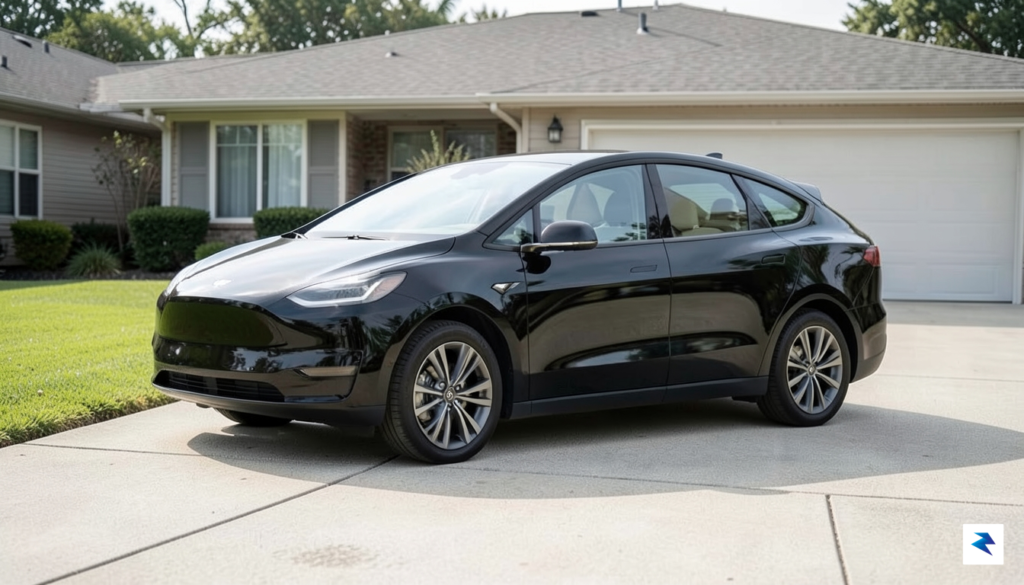
The concept of price elasticity in the automotive sector often dictates that small adjustments can yield outsized changes in purchase intent, and Tesla’s Q2 performance proves this theory in practice. By trimming thousands of dollars off the sticker price, the company successfully bridged the gap between early adopters and the mass market, where budget constraints are the primary deciding factor. Consequently, these models began to compete directly with legacy internal combustion engine (ICE) vehicles, stripping away the “green premium” that once kept budget-conscious drivers tethered to traditional fuel-burning cars. When the total cost of ownership—factoring in fuel savings and reduced maintenance—becomes even more apparent against a lower upfront price, the decision to switch to electric becomes a logical financial choice rather than just an idealistic one.
“Lowering the price point is the most effective lever for mass adoption, transforming the electric vehicle from a luxury lifestyle accessory into a practical, everyday utility for the broader public.”
Maintaining this balance between volume growth and profit margins remains the central tightrope walk for any high-growth automaker. While skeptics initially feared that these price cuts would erode the company’s bottom line, the surge in delivery numbers suggests that the strategy of “volume over margin” is currently paying dividends. By scaling production and streamlining manufacturing efficiencies to offset the reduced margins per unit, Tesla has managed to secure a dominant market share while keeping its assembly lines running at near-capacity. This high-volume approach not only reinforces the brand’s ubiquity on the road but also creates a virtuous cycle: as more Teslas are delivered, the infrastructure, service networks, and software ecosystems become more robust, ultimately strengthening the value proposition for the next wave of prospective buyers.
Global Expansion and Market Penetration

Tesla’s remarkable performance in the second quarter is a testament to the company’s shift from a centralized production model to a truly global manufacturing juggernaut. By strategically placing production hubs—such as Giga Shanghai, Giga Berlin, and Giga Texas—closer to end-user markets, Tesla has effectively dismantled the logistical bottlenecks that previously plagued its delivery timelines. This localized manufacturing approach does more than just reduce shipping costs and transit times; it allows the company to rapidly adapt to regional regulatory requirements and consumer preferences, ensuring a smoother transition from the factory floor to the customer’s driveway. As a result, wait times have plummeted, and the company has successfully cleared backlogs that once stifled potential sales growth.
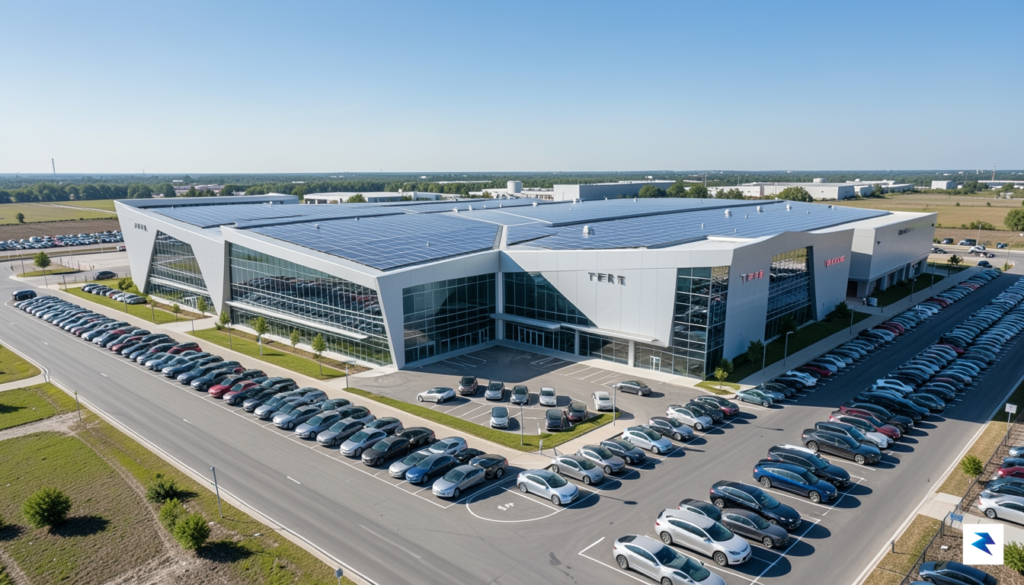
Beyond the efficiency of the assembly line, Tesla’s success is deeply rooted in its sophisticated approach to market penetration. By tailoring marketing efforts and sales strategies to the unique nuances of individual regions, the automaker has fostered brand loyalty in territories that were previously considered difficult to penetrate. In Europe and Asia, for instance, localized digital storefronts and targeted educational campaigns regarding charging infrastructure have demystified the transition to electric mobility for skeptical buyers. This granular focus on local demographics has allowed Tesla to capture significant market share even in regions where traditional automotive incumbents have long held a dominant position.
Geographic diversification acts as a powerful hedge against economic volatility, ensuring that a slowdown in one major economy does not jeopardize the company’s overall delivery trajectory.
The wisdom of this geographic diversification became particularly evident during the second quarter, as regional market fluctuations were effectively balanced by surging interest in emerging territories. When economic headwinds or consumer spending shifts impacted one specific market, Tesla’s presence in other, more resilient regions provided the necessary buffer to maintain momentum. This global footprint acts as a shock absorber; it prevents the company from being overly reliant on the purchasing power of a single nation. By spreading its risk across a broad spectrum of economies, Tesla has created a robust delivery ecosystem that is capable of sustaining growth regardless of the localized instability that might challenge a more regionally focused competitor. Ultimately, this multipronged strategy has solidified the company’s position as a truly borderless leader in the automotive sector.
Cybertruck’s Contribution to the Momentum

The transition of the Cybertruck from a highly anticipated prototype to a tangible presence on American roadways has been a critical catalyst for Tesla’s recent performance. Throughout the second quarter, the company successfully navigated the complexities of its production ramp-up, moving beyond initial manufacturing bottlenecks to reach a cadence that now meaningfully impacts quarterly delivery tallies. While the Model 3 and Model Y continue to serve as the volume leaders, the Cybertruck is no longer merely a niche curiosity; it has become a legitimate contributor to the overall sales mix. By scaling production, Tesla has proven that its most daring design can be manufactured at a commercial volume, which in turn reinforces investor confidence in the company’s operational resilience.
Beyond the raw unit count, the Cybertruck acts as a powerful halo product that elevates the visibility of the entire Tesla ecosystem. Its polarizing, futuristic aesthetic draws significant attention, ensuring that the brand remains at the center of the automotive conversation. For many, the sight of a Cybertruck on the road serves as a rolling advertisement that keeps the Tesla brand feeling innovative and disruptive. This “cool factor” is an intangible but essential asset, helping to differentiate Tesla from legacy automakers that often struggle to inject the same level of excitement into their electric offerings. By maintaining this unique identity, the vehicle successfully pulls potential buyers into showrooms who might otherwise have remained tethered to traditional internal combustion brands.
The Cybertruck is effectively bridging the gap between a high-tech novelty and a functional work vehicle, successfully capturing market share from deeply entrenched legacy pickup manufacturers.
Furthermore, the Cybertruck is actively reshaping Tesla’s demographic reach by tapping into the lucrative and fiercely loyal pickup truck segment. Historically, this market has been dominated by long-standing domestic manufacturers, but the Cybertruck’s unique blend of performance, durability, and bold styling is enticing a new generation of buyers. Many of these customers are not traditional electric vehicle enthusiasts, but rather individuals drawn to the utility and sheer power the vehicle offers. As production continues to accelerate, Tesla is positioned to capture a larger slice of the pickup market, proving that the brand’s appeal is expanding well beyond its original base of sedan and crossover buyers. This expansion is vital for long-term growth, as it signals that Tesla’s influence is successfully permeating every corner of the automotive industry.
Looking Ahead: Challenges and Long-Term Outlook

While the recent surge in deliveries marks a triumphant chapter for Tesla, the company now faces the more arduous task of maintaining this velocity amidst a rapidly shifting global landscape. The impressive Q2 figures were buoyed by strategic pricing adjustments, yet the long-term sustainability of this growth depends on Tesla’s ability to insulate itself from broader macroeconomic pressures. Rising interest rates continue to tighten the budgets of potential car buyers, potentially cooling demand even as Tesla attempts to lower the barrier to entry. Furthermore, the volatility in raw material costs for lithium-ion batteries remains a persistent variable; any sudden supply chain bottleneck could squeeze profit margins, forcing the company to strike a delicate balance between maintaining high production volumes and preserving its bottom line.
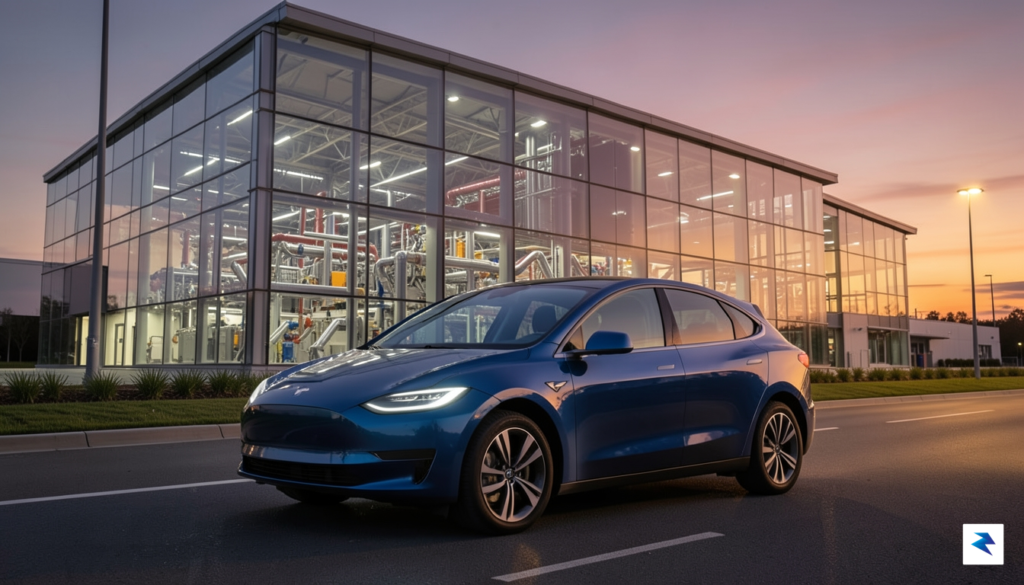
Beyond internal operational hurdles, the competitive environment has never been more aggressive. Tesla is no longer the sole primary mover in the electric vehicle space; it must now contend with a crowded field of legacy automakers ramping up their EV divisions and agile international entrants—particularly from China—who are aggressively undercutting prices. These competitors are investing heavily in localized manufacturing and proprietary battery tech, challenging Tesla’s historical dominance in both efficiency and range. To hold its market share, Tesla cannot rely on brand loyalty alone. Instead, the company is pivoting toward a strategy rooted in aggressive technological iteration, betting that its lead in software integration and autonomous driving capabilities will provide the necessary moat against cheaper, hardware-focused alternatives.
Success in the coming years will not be defined merely by the number of units shipped, but by Tesla’s ability to transform its fleet into a self-sustaining ecosystem of software-defined services.
Ultimately, Tesla’s path forward lies in its capacity to innovate faster than the industry can commoditize its current offerings. By doubling down on its full-self-driving (FSD) software and expanding its energy storage business, the company is attempting to diversify its revenue streams, moving beyond the cyclical nature of vehicle sales. If Tesla can successfully scale its next-generation manufacturing platforms while simultaneously monetizing its massive data advantage, it may well navigate these headwinds successfully. However, the transition from a period of explosive delivery growth to one of sustainable, operational maturation will require a disciplined approach to capital allocation and an unwavering focus on the technological edge that helped define the brand in the first place.