Shadcn/UI Shifts to Base UI: What Developers Need to Know
The Evolution of Shadcn/UI: Moving to Base UI For years, the success of Shadcn/UI has been inextricably linked to its reliance on Radix UI as…

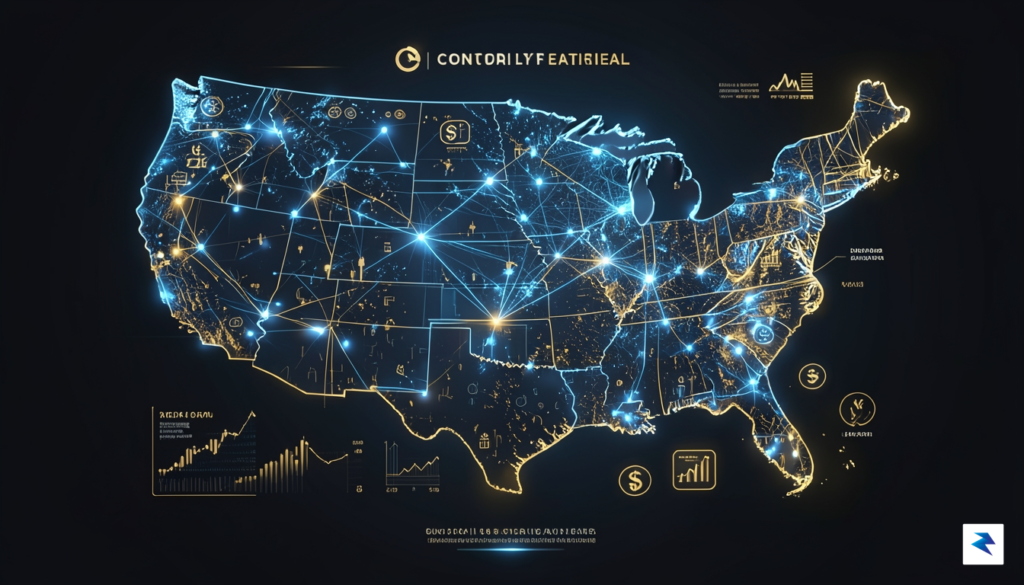
In recent election cycles, the traditional landscape of political forecasting has been fundamentally upended by the emergence of decentralized prediction markets. Platforms like Polymarket have evolved from niche corners of the fintech world into mainstream hubs for event-driven speculation, fundamentally changing how voters and investors engage with democratic outcomes. Despite the U.S. Commodity Futures Trading Commission (CFTC) maintaining a firm stance against the offering of event-based derivatives to American retail investors, the appetite for these platforms remains insatiable. This creates a significant friction point between rigid federal financial policy and a digitally native generation that views speculative markets as a more accurate, real-time barometer of public sentiment than static, historical polling.
The scale of this underground participation is nothing short of staggering, revealing a massive disconnect between regulatory intent and market reality. Recent analytical data indicates that U.S.-linked wallets have funneled more than $571 million into political contracts on the platform, effectively bypassing regional restrictions through the use of virtual private networks and decentralized wallet infrastructures. This influx of capital suggests that for many American traders, the desire to hedge against political uncertainty—or simply profit from it—far outweighs the legal risks associated with engaging in offshore, unregulated financial activity. The sheer volume of this activity turns these markets into high-stakes laboratories where millions of dollars are wagered on the granular details of candidate performance, debate outcomes, and electoral victory margins.

The rapid migration of speculative capital toward decentralized platforms highlights a growing public distrust in traditional polling methods, which have frequently struggled to capture the volatility of modern political shifts.
Investors are increasingly turning toward prediction markets because they provide something legacy media and statistical models often lack: skin in the game. When a participant puts actual capital at risk, the resulting forecast is theoretically stripped of the bias often found in public opinion surveys, which can be skewed by everything from non-response rates to social desirability bias. By aggregating the collective wisdom—and capital—of thousands of participants, Polymarket produces a dynamic probability score that updates in seconds as news breaks. This real-time agility has positioned these platforms as the go-to source for those who demand immediate feedback on political trends, regardless of the regulatory hurdles that the U.S. government has erected to keep such markets at arm’s length.
Currently, the legal landscape remains fraught with ambiguity and enforcement challenges. While the U.S. maintains a strict prohibition against event-based derivatives to protect the integrity of its financial markets, the decentralized nature of these platforms makes them notoriously difficult to police. As regulators continue to grapple with the rise of decentralized finance (DeFi), the $571 million figure stands as a defiant testament to the limitations of domestic policy in a globalized, digital economy. Unless domestic alternatives are legalized and integrated into the regulated framework, it is highly likely that American capital will continue to flow into these offshore venues, further entrenching prediction markets as a central, albeit unauthorized, pillar of the modern political process.

At the core of the digital barrier between American users and platforms like Polymarket lies the sophisticated use of Virtual Private Networks (VPNs). By masking their IP addresses to mimic locations in jurisdictions where betting is permitted, traders effectively spoof their digital footprints, making it appear as though their traffic originates from abroad. While professional-grade VPNs provide a basic layer of obfuscation, many savvy users employ residential proxy services that route their data through legitimate household internet connections, further reducing the likelihood of detection by automated geofencing filters. This technical workaround creates a persistent friction point for regulatory bodies, as the platform’s security protocols must balance the need for strict compliance with the necessity of maintaining a seamless user experience for their global audience.

Complementing these network-level deceptions is the inherent anonymity provided by non-custodial crypto wallets, which serve as the primary vehicle for funding these betting accounts. Unlike traditional brokerage accounts that require rigorous Know Your Customer (KYC) documentation, such as government-issued IDs and residential proof, decentralized protocols often function on a wallet-connect basis. Because these wallets operate on public blockchains, they do not intrinsically store or broadcast the geographical location of the owner. When a trader links a wallet like MetaMask or a hardware ledger to the platform, the service provider sees a hexadecimal address rather than a passport or a credit card statement. This decoupling of identity from financial activity makes it incredibly difficult for regulators to definitively link a specific trade to a prohibited U.S. persona.
The intersection of decentralized finance and restrictive regional policy creates a technical “gray zone” where traditional enforcement tools, designed for centralized banking systems, struggle to gain a foothold.
The situation has essentially devolved into a perpetual cat-and-mouse game between platform developers and regulatory authorities like the Commodity Futures Trading Commission (CFTC). Every time regulators implement new requirements for more robust identity verification, developers must weigh the risks of non-compliance against the potential loss of a significant segment of their user base. Simultaneously, traders constantly adapt to these hurdles, adopting more complex routing methods or utilizing decentralized identity solutions to stay ahead of platform-side blacklists. As long as the financial incentive to speculate on high-profile political outcomes remains high, the pressure to maintain these circumventive practices will likely persist, forcing a broader conversation about how modern financial oversight can actually function in a permissionless, blockchain-based environment.
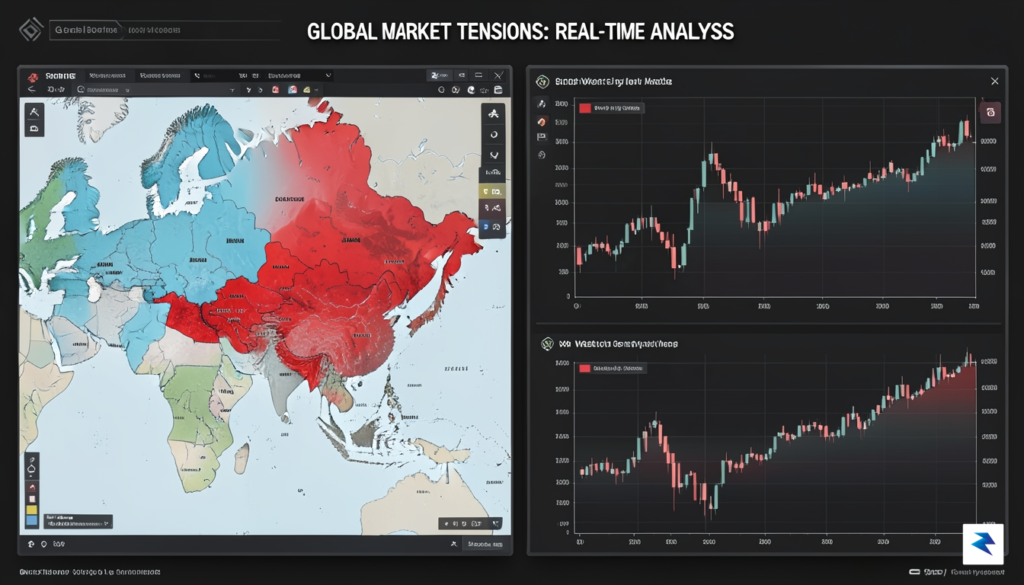
For many American traders, the appeal of platforms like Polymarket lies in their ability to provide exposure to high-stakes geopolitical events that are essentially invisible to traditional, regulated financial instruments. While U.S.-based exchanges are confined by the Commodity Futures Trading Commission (CFTC) to narrow categories like weather, interest rates, or specific domestic economic indicators, international prediction markets offer a direct window into the volatility of global conflicts. Users are increasingly drawn to these offshore venues not merely for the thrill of speculation, but because these markets serve as a real-time barometer for geopolitical shifts that the mainstream financial news cycle often filters through a lag or a specific partisan lens.
The primary driver behind this interest is the desire to quantify conviction regarding global instability. When a trader places a bet on the outcome of a foreign election, a diplomatic standoff, or the trajectory of an international kinetic conflict, they are essentially creating a hedge against their own geopolitical outlook. By risking capital on these outcomes, participants feel they are achieving a more granular, data-driven understanding of world events than what is provided by conventional media pundits. This is particularly true for markets involving foreign military engagements, where the opaque nature of government reporting makes decentralized prediction markets appear, to many, as a more “honest” source of information based on collective probability rather than top-down analysis.
The rise of these platforms suggests a growing appetite among retail investors to commodify geopolitical risk, treating international stability as an asset class that is as tradeable as oil or gold.
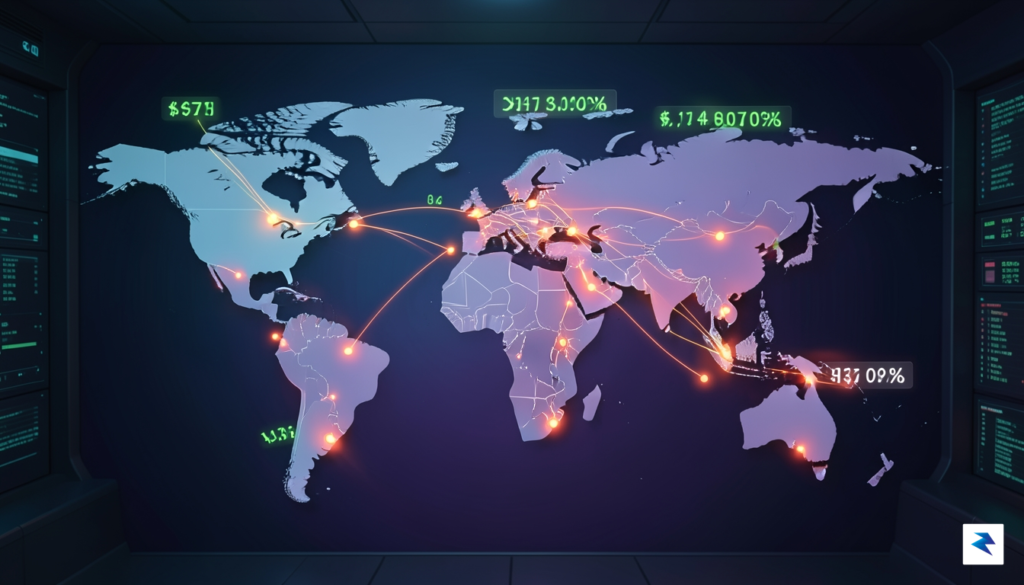
Furthermore, the absence of these markets in the United States creates a “forbidden fruit” dynamic that accelerates user migration to offshore decentralized finance (DeFi) protocols. Because domestic venues are strictly prohibited from offering contracts that involve “war, assassination, or terrorism,” American users who want to express a viewpoint on these specific global crises are forced to look elsewhere. For these individuals, the motivation is often rooted in the belief that global markets are inherently interconnected; if a conflict in a foreign theater threatens to disrupt supply chains or energy costs, they view their bets as a defensive financial maneuver. By engaging with these specific international markets, they are not just gambling on the chaos of the world stage—they are attempting to capture the economic fallout of global volatility in a way that traditional brokerage accounts simply do not permit.
Ultimately, the $571 million in activity underscores a fundamental disconnect between regulatory conservatism and the modern investor’s desire for comprehensive global exposure. The psychological satisfaction of being “right” about a nuanced international development, combined with the potential for high-leverage returns, creates a compelling incentive structure that transcends traditional borders. As these traders navigate the regulatory gray areas, they are signaling a clear demand for more sophisticated, borderless financial instruments that allow them to place a price on the most significant, and often unpredictable, events shaping our modern history.

The sheer scale of capital flowing into offshore prediction platforms in defiance of domestic restrictions presents a profound challenge to the current regulatory paradigm. For years, the Commodity Futures Trading Commission (CFTC) has maintained a restrictive stance on event-driven derivatives, often classifying them as prohibited gambling or unregulated financial instruments. However, the $571 million influx underscores a critical reality: when demand for hedging political risk or speculating on policy outcomes reaches this magnitude, users will inevitably circumvent geographic blocks through VPNs and crypto-native payment rails. This “shadow market” dynamic forces regulators into an uncomfortable corner where they must decide whether to pursue increasingly futile enforcement actions or pivot toward a framework of controlled integration.

Should the SEC and CFTC continue their current path of strict prohibition, they risk alienating a growing demographic of market participants who view prediction markets as legitimate tools for economic forecasting. The alternative—developing a legal sandbox for these platforms—would grant regulators the power to enforce “Know Your Customer” (KYC) requirements, ensure market integrity, and collect tax revenue. By bringing these activities into the light, authorities could mitigate the risks of market manipulation by bad actors and anonymous whales who currently operate with total impunity in offshore environments. Furthermore, a regulated pathway would provide the necessary consumer protections that are currently absent for the average trader navigating these non-compliant interfaces.
The persistence of these flows suggests that current bans are failing to stifle participation, serving instead to drive activity into unregulated, high-risk corners of the internet.
There is also a broader question regarding the impact on political discourse. Critics argue that turning elections into speculative assets incentivizes the spread of misinformation, as participants may be financially motivated to manipulate public sentiment to move the odds in their favor. Conversely, proponents argue that these markets aggregate decentralized intelligence more accurately than traditional polling. Regardless of one’s stance, the trend is clear: the future of political betting is likely to be a battleground between technological innovation and state oversight. For individual participants, the risks remain high; without legal protections, users on offshore platforms face the constant threat of platform insolvency, account freezes, or the permanent loss of funds if the service provider decides to exit the market. As the volume climbs, the impetus for lawmakers to craft a middle-ground solution—one that balances market access with robust oversight—will likely become an unavoidable policy priority.
You must be logged in to post a comment.