
Agility Robotics Goes Public: Why the Future of Humanoids Is Industrial, Not Domestic
The Reality Check: Agility Robotics and the SPAC Frontier The landscape of humanoid robotics is currently awash with a potent mix of…
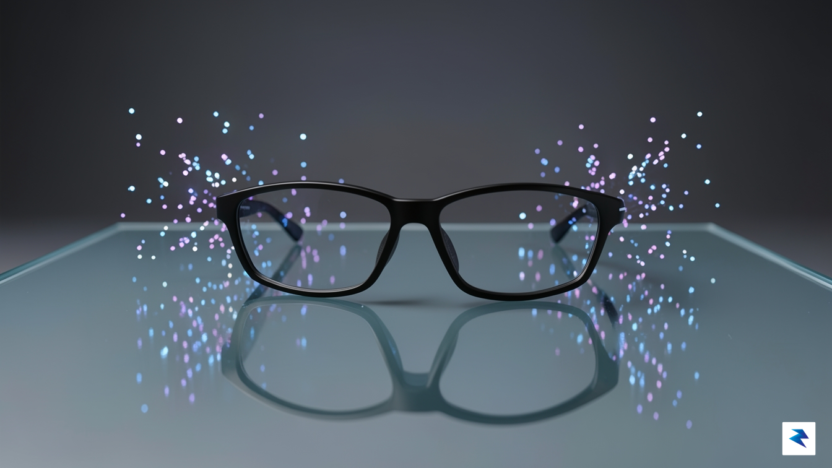
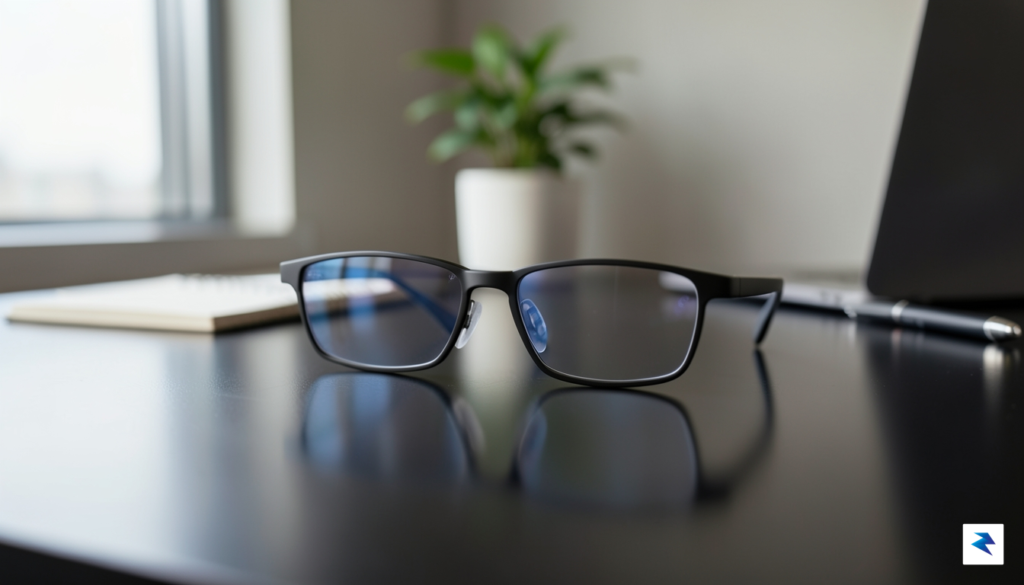
Even Realities has officially catapulted into the upper echelons of the tech world, marking a pivotal moment for the burgeoning smart eyewear market by achieving unicorn status with an impressive $1 billion valuation. This significant milestone follows a monumental $150 million funding round, a clear indicator of robust investor confidence in the company’s innovative vision and its potential to lead the next generation of wearable technology. The funding round garnered substantial backing from prominent global tech powerhouses Meituan and Tencent, whose strategic
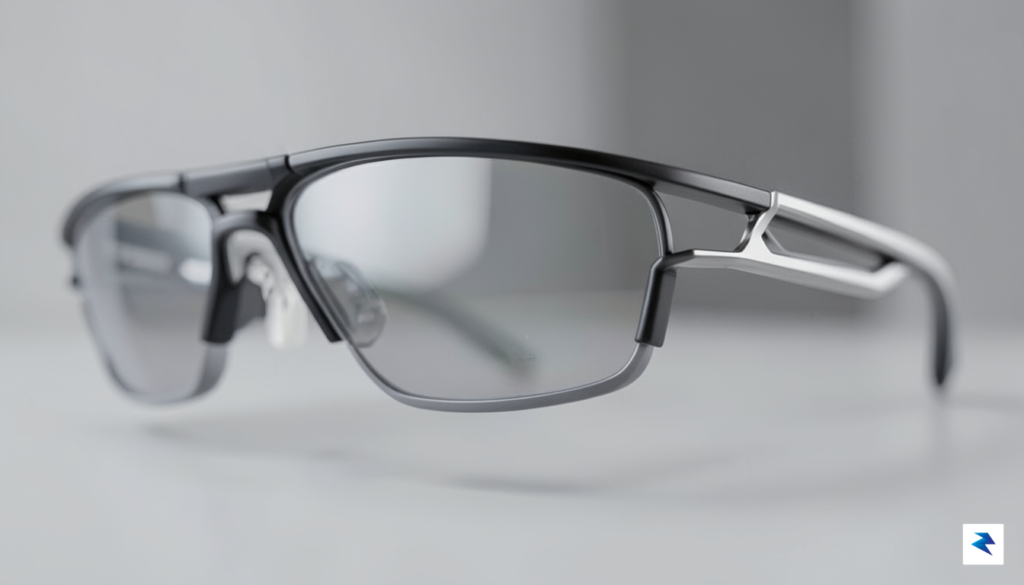
In a burgeoning smart glasses market often fixated on capturing every moment, Even Realities has made a profoundly contrarian, yet remarkably strategic, design choice: they’ve entirely removed the camera. While competitors like Meta and Apple are pushing the boundaries of integrated photography and video, Even Realities has doubled down on a different vision, prioritizing user comfort, privacy, and seamless integration into daily life over the ability to record. This decision isn’t merely a hardware omission; it represents a fundamental shift in philosophy, aiming to make smart glasses truly wearable and socially acceptable for the masses.
One of the most significant advantages of this camera-free approach is the immediate alleviation of privacy concerns. The presence of an “always-on” or easily activated camera on someone’s face often triggers discomfort and suspicion in public settings, creating an invisible barrier between the wearer and those around them. Even Realities’ glasses, by contrast, eliminate this social friction entirely. Users can wear their smart eyewear into any environment—be it a coffee shop, a family gathering, or a business meeting—without the implicit awkwardness or the need to constantly reassure others they aren’t being recorded. This dramatically lowers the barrier to adoption, making the technology feel less intrusive and more like a natural extension of personal style and utility.
Furthermore, the absence of a camera module contributes significantly to a more elegant and lightweight form factor. Integrating high-quality cameras, their necessary lenses, sensors, and the processing power required for video capture inevitably adds bulk, weight, and complexity to the device. Think of the often bulky and distinctly tech-forward designs seen in early smart glasses iterations or current offerings from other major players. By stripping away these components, Even Realities can engineer glasses that are remarkably sleek, comfortable, and visually indistinguishable from conventional eyewear. This focus on aesthetics and ergonomic design ensures that users feel confident and unencumbered, making daily wear a genuine pleasure rather than a compromise.
This design philosophy also redefines the core user experience, shifting the focus from ‘recording the world’ to ‘augmenting the wearer’s perception of it.’ Instead of being a surveillance tool or a digital diary, Even Realities’ smart glasses become a subtle, personal assistant. They deliver essential information discreetly, such as navigation cues, notification alerts, or contextual data overlays, directly into the user’s line of sight without the added pressure or distraction of a recording function. This intentional limitation forces innovation in other areas, emphasizing clear, concise information delivery and intuitive interactions that enhance reality without overwhelming it, proving that less can indeed be more.
Ultimately, Even Realities’ decision to forgo cameras is not a weakness, but a profound strategic strength that has resonated deeply with both users and investors, culminating in their impressive $1 billion valuation. In a world saturated with devices designed to capture and share, the company offers a refreshing alternative: smart glasses that are truly personal, respectful of privacy, and designed for comfortable, inconspicuous everyday use. This unique value proposition sets them apart, carving out a distinct niche and demonstrating that sometimes, the most innovative path forward is to thoughtfully remove, rather than relentlessly add, features.

The recent infusion of $150 million into Even Realities, propelling the startup to a $1 billion valuation, represents far more than a simple financial transaction. By securing capital from heavyweights like Tencent and Meituan, the company has effectively gained access to a massive, pre-existing digital ecosystem. For these tech giants, the investment is a calculated maneuver to secure a foothold in the next frontier of human-computer interaction. As the mobile internet reaches a plateau of saturation on traditional smartphone screens, both Tencent and Meituan are looking toward smart eyewear as the inevitable “next terminal”—a device that integrates seamlessly into the user’s field of vision, rather than demanding the user look down at a handheld display.
For Tencent, the allure lies in the potential to redefine social communication and digital presence. If smart glasses can overlay real-time messaging, social notifications, or even augmented reality (AR) avatars directly into a user’s peripheral view, the company can maintain its dominance as a primary communication hub without relying solely on mobile apps. Meanwhile, Meituan’s participation signals a radical shift in how local services and logistics might function. Imagine a future where a food delivery status or navigation cues for a courier appear as a subtle heads-up display on a pair of sleek frames. By embedding these services into the physical world through eyewear, these corporations are positioning themselves to capture the next wave of consumer attention before the hardware platform fully matures.
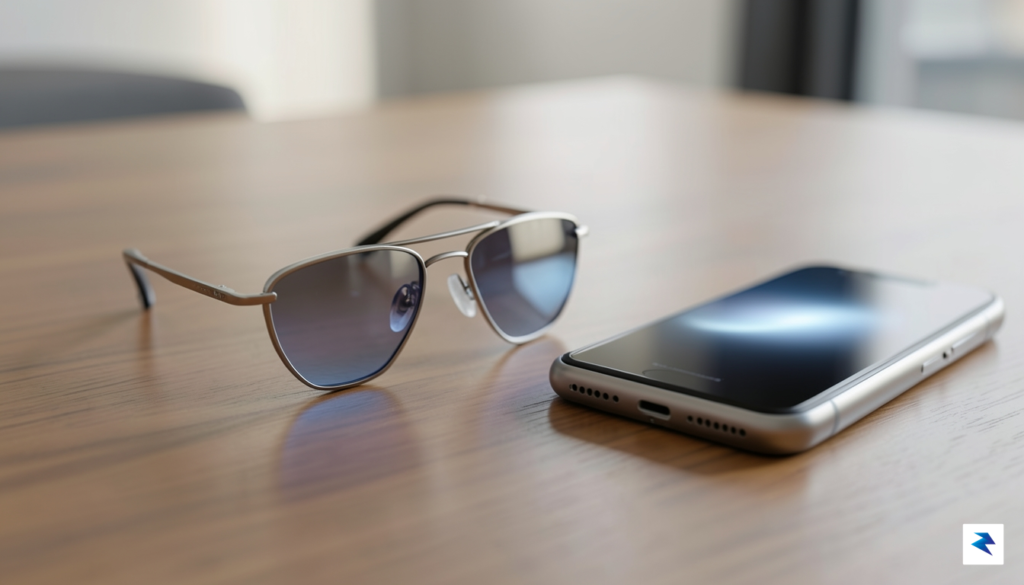
The true value of this partnership isn’t just the capital provided; it is the strategic roadmap for ecosystem integration that transforms eyewear from a niche gadget into an essential daily utility.
This strategic alignment also highlights a growing industry consensus: the future of hardware is not merely about raw processing power, but about the quality of the services that flow through it. By backing a developer of camera-free smart glasses, Tencent and Meituan are betting on a more privacy-conscious, fashion-forward approach to wearable tech. This avoids the social friction often associated with intrusive cameras while focusing on the utility of an always-on information stream. Consequently, the collaboration suggests that the next generation of computing will be defined by how efficiently information from social platforms and local service apps can be delivered to the human eye, creating an ecosystem where the digital and physical worlds are inextricably linked through lightweight, everyday hardware.
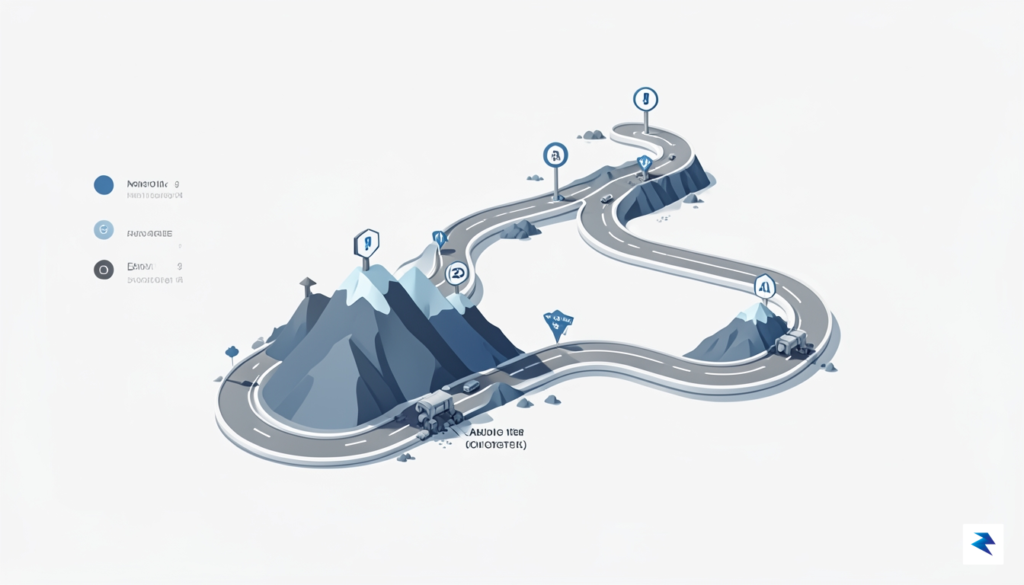
Despite the resounding vote of confidence from investors, evidenced by a significant $1 billion valuation, the journey for any smart glasses maker towards widespread consumer adoption remains formidable. The road ahead is paved with intricate technical challenges and deeply ingrained cultural hurdles that demand more than just innovative engineering; they require a paradigm shift in how people interact with technology in their daily lives. For smart glasses to transcend the niche gadget status and become an indispensable tool, companies must consistently prove their devices can seamlessly integrate into users’ routines, offering sustained value without adding friction or discomfort. This isn’t merely about creating a functional product; it’s about pioneering a new category of personal computing that must earn its place on our faces.
One of the most immediate and substantial technical obstacles lies in the delicate balance between battery life, performance, and miniaturization. Users expect smart glasses to be lightweight, comfortable for all-day wear, and aesthetically pleasing, ideally indistinguishable from traditional eyewear. However, powering sophisticated AR displays, processors, and an array of sensors requires significant energy, traditionally necessitating larger batteries that add bulk and weight. Shrinking these components while maintaining robust performance and offering hours of continuous operation is an engineering marvel yet to be perfected for mass-market appeal. The persistent challenge is designing a device that can process complex augmented reality overlays, run a diverse software suite, and maintain connectivity throughout an entire day, all within a sleek, unobtrusive form factor that doesn’t feel like a burden.
Crucially, even if the hardware hurdles are overcome, the success of smart glasses hinges on the development of a vibrant and compelling software ecosystem. Without a rich array of intuitive and genuinely useful applications, even the most advanced hardware risks becoming a mere novelty. Building this ecosystem requires not only robust developer tools and incentives but also a clear vision for how these applications will enhance daily life. Will they offer subtle contextual information, seamless communication, or novel entertainment experiences? The challenge lies in creating a platform that integrates effortlessly with existing digital habits, offering unique functionalities that smartphones cannot, thereby providing a strong incentive for users to adopt an entirely new form factor. The lack of killer apps has historically plagued emerging hardware categories, and smart glasses are no exception to this critical requirement.
Moreover, the battle isn’t just against physics and developer inertia; it’s also about carving out a distinct and compelling value proposition within the broader augmented and virtual reality landscape. While bulkier VR headsets aim for total immersion, often tethered to powerful computers or requiring dedicated spaces, smart glasses target an “always-on,” ambient computing experience. This distinction presents its own set of challenges, particularly in managing user expectations and use cases. Smart glasses must deliver meaningful utility in short, frequent bursts, providing quick access to information or subtle augmentations without demanding full attention or disengaging the user from their physical surroundings. This contrasts sharply with the deep, focused experiences typically associated with VR, requiring a fundamentally different design philosophy and user interface paradigm.
Perhaps the most

The unicorn status achieved by Even Realities signals a profound shift in the wearables landscape, marking a definitive departure from the era of bulky, experimental headsets that once relegated smart eyewear to the domain of hobbyists and niche tech enthusiasts. By securing a $1 billion valuation, the company has effectively validated the thesis that the future of wearable computing lies in subtlety rather than spectacle. This massive capital injection from industry giants like Tencent and Meituan suggests that the consumer market is finally ready for devices that prioritize aesthetic integrity and daily utility, bridging the gap between high-fashion eyewear and advanced digital assistance. For the average consumer, this means the days of choosing between looking like a science-fiction extra and staying connected are likely numbered.
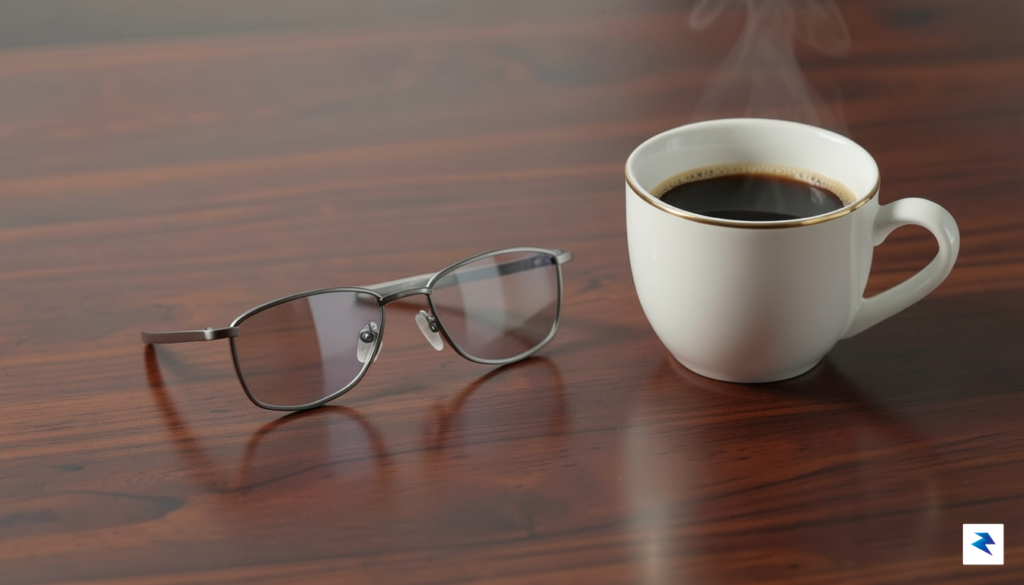
This investment is set to act as a significant catalyst for the rapid maturation of core hardware technologies. With increased funding, we can anticipate a faster development cycle for high-clarity, miniaturized display systems that remain unobtrusive during normal social interaction. Furthermore, the integration of sophisticated, AI-driven voice assistants is poised to move beyond simple command-and-response mechanics. Instead, these glasses are evolving into contextual companions capable of real-time translation, nuanced navigation, and personalized information overlays that feel natural rather than distracting. As display panels become thinner and battery efficiency improves, the hardware will continue to shrink, eventually reaching a point where the distinction between traditional frames and “smart” frames becomes entirely negligible.
The true measure of success for wearables is not how much technology you can pack into a frame, but how seamlessly that technology disappears into the user’s daily life.
Looking ahead, this momentum points toward the inevitable rise of “invisible computing,” a paradigm where our digital interactions are stripped of screens and handheld devices. As these glasses become more refined, they will likely serve as the primary interface for our digital lives, allowing for a more human-centric way of engaging with information. By anchoring these capabilities in frames that look and feel like standard prescription glasses, the industry is overcoming the biggest barrier to widespread adoption: social stigma. This shift toward discreet, utility-driven devices suggests that we are entering a new chapter of personal technology, one where the most powerful tools are the ones we barely notice we are wearing.
You must be logged in to post a comment.