
The MicroStrategy Pivot: Analyzing the Recent Bitcoin Sell-Off
The Evolution of MicroStrategy’s Bitcoin Treasury Strategy When Michael Saylor first pivoted MicroStrategy from a legacy enterprise software…
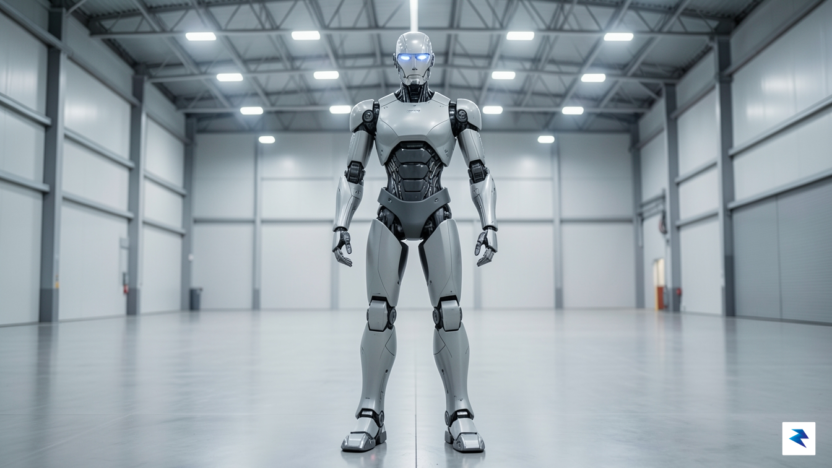
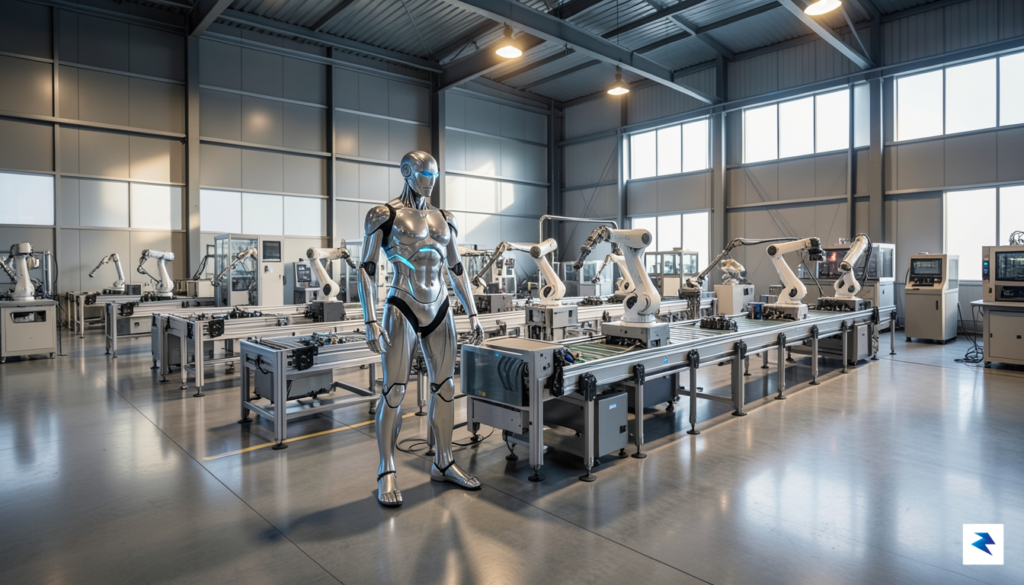
The landscape of humanoid robotics is currently awash with a potent mix of groundbreaking innovation, ambitious promises, and significant venture capital flowing into numerous startups. From sleek designs promising companionship to robust prototypes touted for industrial labor, the sheer volume of investment suggests a widespread belief that general-purpose humanoids are on the cusp of revolutionizing daily life. This enthusiasm has fueled a narrative where the arrival of a robot capable of performing household chores or assisting with personal tasks in every home feels not just inevitable, but imminent. However, amidst this fervent speculation, one prominent player is taking a distinctly different, and arguably more grounded, approach to its future.
Agility Robotics, a company well-recognized for its bipedal robot Digit, is making a pivotal move by opting to go public through a Special Purpose Acquisition Company (SPAC). This decision marks a significant departure from the typical venture capital funding rounds that characterize most nascent robotics firms, signaling a readiness to transition from the private, often speculative, investment sphere to the more transparent and demanding public market. The SPAC route is less about chasing the immediate, high-flying valuations often seen in tech IPOs, and more about securing the substantial capital needed for the laborious, capital-intensive process of scaling manufacturing and achieving widespread commercial deployment. It underscores a strategic pivot towards operational execution and the rigorous demands of production, setting Agility apart in a field still largely dominated by research and development.
Crucially, as Agility Robotics prepares for this public debut, its CEO is actively engaged in tempering the very high expectations that often accompany advancements in artificial intelligence and robotics. Rather than leaning into the popular science-fiction vision of a personal robot arriving at your doorstep next year, the company is deliberately focusing on the pragmatic, immediate applications for its technology. This isn’t to say that the long-term vision isn’t expansive; rather, it’s a strategic recognition that the path to ubiquitous humanoid robots is a marathon, not a sprint, and it begins with highly specialized, valuable tasks in controlled environments. Such a candid approach aims to educate potential investors and the public alike about the true timeline and challenges involved in bringing complex robotic systems to maturity.
Indeed, the immediate future for Digit, and by extension, for the broader humanoid robotics market, lies firmly within industrial and logistical sectors. Think vast warehouses, bustling factories, and intricate supply chains where robots can perform repetitive, strenuous, or hazardous tasks with precision and endurance, augmenting human labor rather than replacing it wholesale. These environments offer a controlled, predictable setting where the benefits of robotic automation, such as increased efficiency and safety, can be clearly demonstrated and measured. Building a robust business model in these demanding settings provides the necessary proving ground and revenue stream to refine the technology, reduce costs, and eventually, perhaps, expand into more complex and less structured environments like our homes. This industrial-first strategy prioritizes tangible progress over the siren song of consumer dreams.
Therefore, while the excitement around humanoid robots is understandable and justified, Agility Robotics’ public market move, coupled with its CEO’s pragmatic messaging, serves as an essential reality check. It shifts the conversation from speculative promises of futuristic domestic companions to the tangible, arduous work of manufacturing, deployment, and value creation in industrial settings. This grounded perspective suggests that the widespread adoption of general-purpose humanoid robots in our living rooms is still a distant milestone, preceded by years of iterative development and proven success in specialized applications. The journey to a truly ubiquitous robotic future is underway, but it’s unfolding step by meticulous step, starting on the factory floor rather than in the family kitchen.
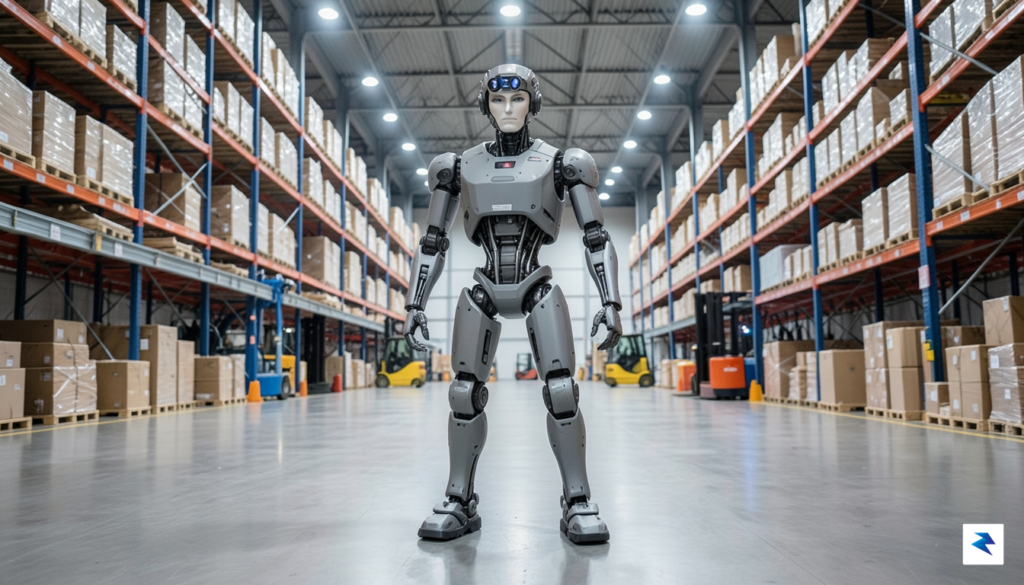
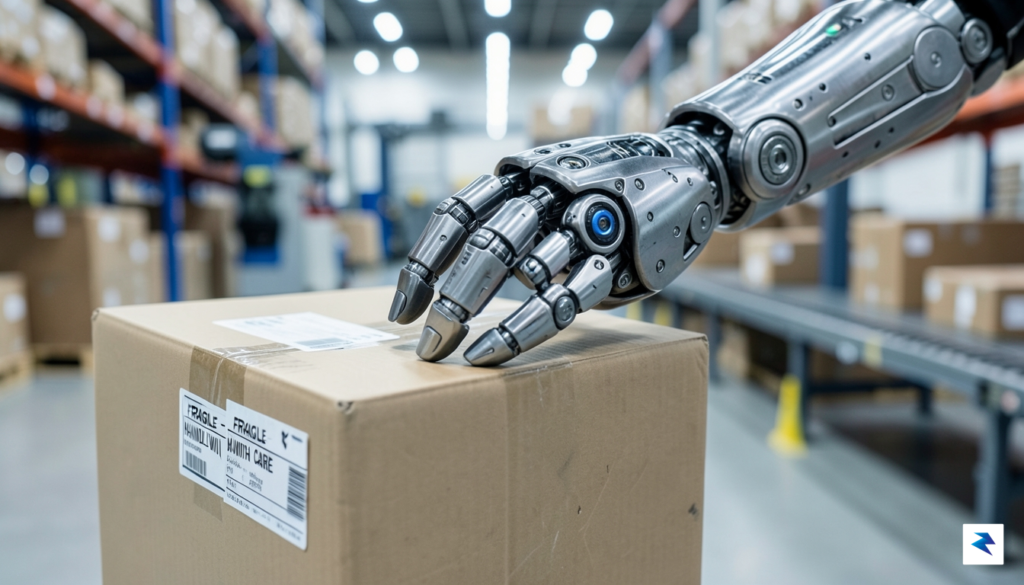
While mainstream media often fixates on the futuristic vision of a humanoid assistant folding laundry or tidying a living room, the reality of robotics engineering suggests that such domestic dreams remain years, if not decades, away from viability. The modern residential home is an environment defined by chaos: unpredictable floor plans, scattered toys, shifting lighting conditions, and the presence of pets or children. For a robot, these variables create an infinite set of edge cases that are nearly impossible to program for with current artificial intelligence. By pivoting toward industrial environments, developers are choosing a path defined by controlled variables, standardized workflows, and clearly defined economic incentives that pave a much smoother road to profitability.
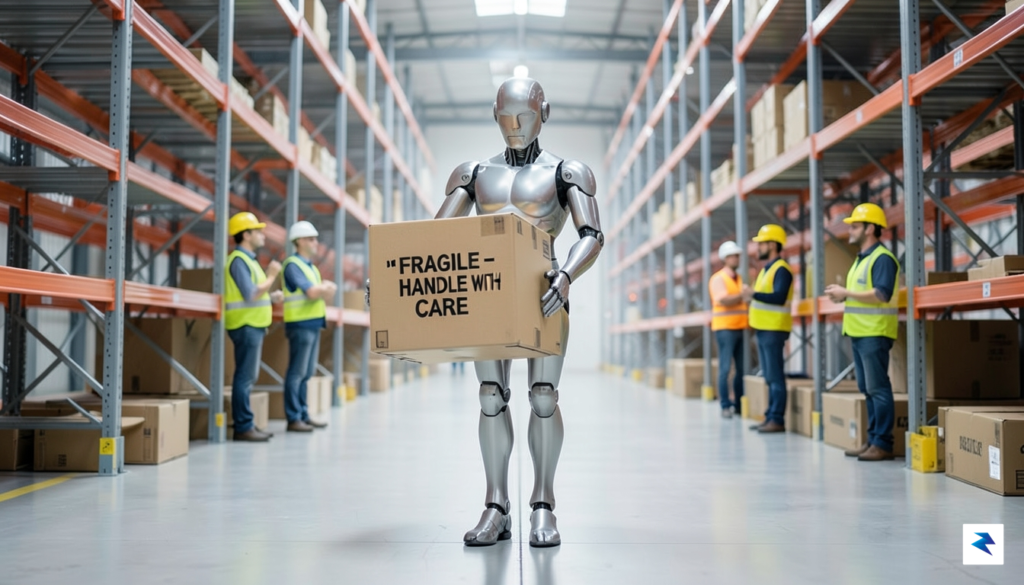
The strategic shift toward industrial settings is rooted in the “dull, dirty, and dangerous” framework that has defined successful automation for decades. Warehouses and logistics centers offer a structured environment where the robot’s operating space is predictable and the tasks—such as palletizing, sorting, or moving heavy inventory—are repetitive by design. Unlike the chaotic sprawl of a home, a warehouse environment allows engineers to optimize the robot’s pathing and interaction models within a confined, repetitive system. This stability is critical; it reduces the likelihood of catastrophic errors and allows the hardware to perform tasks with a level of reliability that businesses require before they are willing to invest millions in fleet deployments.
Beyond the technical ease of deployment, the business case for humanoid robotics in the supply chain is exceptionally compelling. Industrial facilities are currently grappling with severe labor shortages, high turnover rates, and the physical toll that repetitive lifting takes on human employees. Companies are not looking for a “general purpose” companion; they are looking for a scalable solution to fill gaps in their workforce that are too dangerous or physically taxing for humans to perform consistently. By deploying robots into these specialized roles, businesses can achieve a measurable return on investment through improved throughput and reduced workplace injuries, creating a direct financial incentive for adoption that the consumer market currently lacks.
The true value of a humanoid robot lies not in its ability to mimic human domestic life, but in its ability to navigate a human-designed workspace that was never meant for traditional wheeled machines.
Ultimately, the industrial sector acts as the perfect proving ground for the next generation of robotics. By focusing on logistics, companies can generate the necessary revenue to refine their hardware and software at scale, rather than burning through capital trying to solve the intractable problems of a domestic living room. This B2B focus ensures that the technology matures in a high-stakes, high-reward environment where reliability is prioritized over novelty. As these robots become more autonomous and adept at handling complex industrial logistics, the lessons learned in the warehouse will inevitably form the backbone of whatever consumer-facing technology eventually enters the home, but for now, the factory floor remains the only place where the math truly adds up.
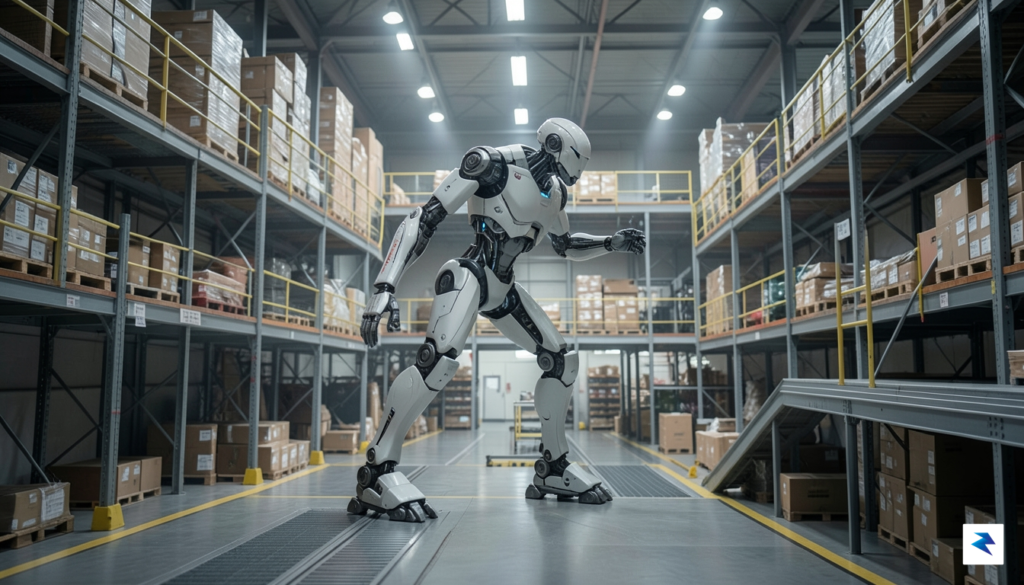
At the heart of Agility Robotics’ strategy lies a fundamental design philosophy: build a robot that fits the world, rather than forcing the world to fit the robot. Digit, the company’s flagship humanoid, is engineered specifically to navigate environments originally constructed for human anatomy. Unlike traditional industrial automation that requires rigid safety cages, custom conveyor belts, or floor-anchored machinery, Digit utilizes a bipedal form factor that allows it to traverse stairs, navigate tight corridors, and interact with existing shelving units. This approach drastically lowers the barrier to entry for corporations, as it eliminates the need for expensive, facility-wide overhauls before a single robot can be deployed.
The technical ingenuity of Digit centers on its mobility and endurance, which are calibrated for the grueling demands of logistics and high-volume manufacturing. By mimicking human gait and reaching capabilities, the robot acts as a force multiplier for existing human teams, handling the repetitive, physically taxing “dull and dirty” tasks that often lead to worker burnout or injury. Safety serves as the cornerstone of this operational model; the robot is equipped with advanced sensor suites and perception algorithms that allow it to operate in shared workspaces alongside human colleagues without posing the risks associated with heavy, non-adaptive automation. This seamless integration ensures that businesses can scale their output during peak seasons or labor shortages without disrupting the established flow of their warehouse operations.
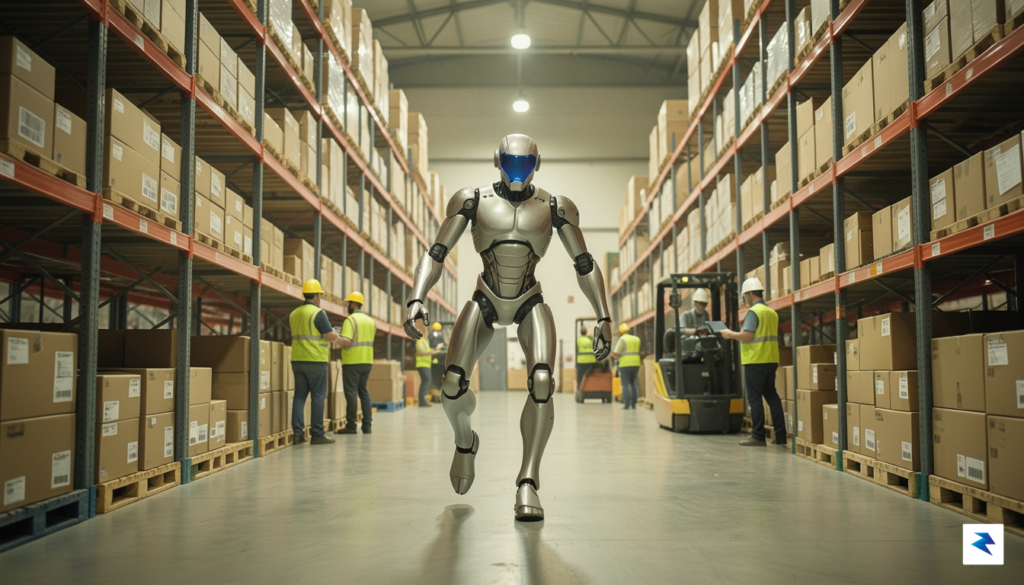
By prioritizing modularity and environmental adaptability, Agility Robotics is transforming the humanoid from a laboratory curiosity into a pragmatic, high-utility tool for the modern supply chain.
To transition from prototype to widespread industrial adoption, Agility Robotics has invested heavily in scaling its manufacturing capabilities. The company is currently shifting its focus toward high-volume production lines capable of churning out Digit units at a pace that matches the growing demand from global logistics leaders. Success in this sector is measured by rigorous operational metrics, including uptime, battery longevity, and the robot’s ability to handle diverse payloads with precision. As these metrics improve, the company aims to prove that humanoids are not merely a futuristic concept, but a reliable, cost-effective solution for long-term industrial efficiency. By focusing on these concrete outcomes, Agility is effectively building a bridge between theoretical robotics and the practical, day-to-day realities of global commerce.

Transitioning from a private startup to a publicly traded entity via a Special Purpose Acquisition Company (SPAC) represents a pivotal shift for Agility Robotics, marking a transition from venture-capital dependence to the rigorous demands of the open market. While this route provides an accelerated injection of capital—a necessity for the capital-intensive nature of robotics hardware development—it also subjects the company to the unforgiving scrutiny of quarterly earnings reports and public shareholder expectations. Unlike software firms that can iterate quickly with minimal overhead, building humanoid hardware requires sustained, massive investment in research, supply chain infrastructure, and safety testing. Investors should be acutely aware that this financial model demands a long-term perspective; the volatility inherent in SPACs often creates a disconnect between the immediate stock price fluctuations and the decade-long timelines required to achieve true commercial viability in industrial automation.
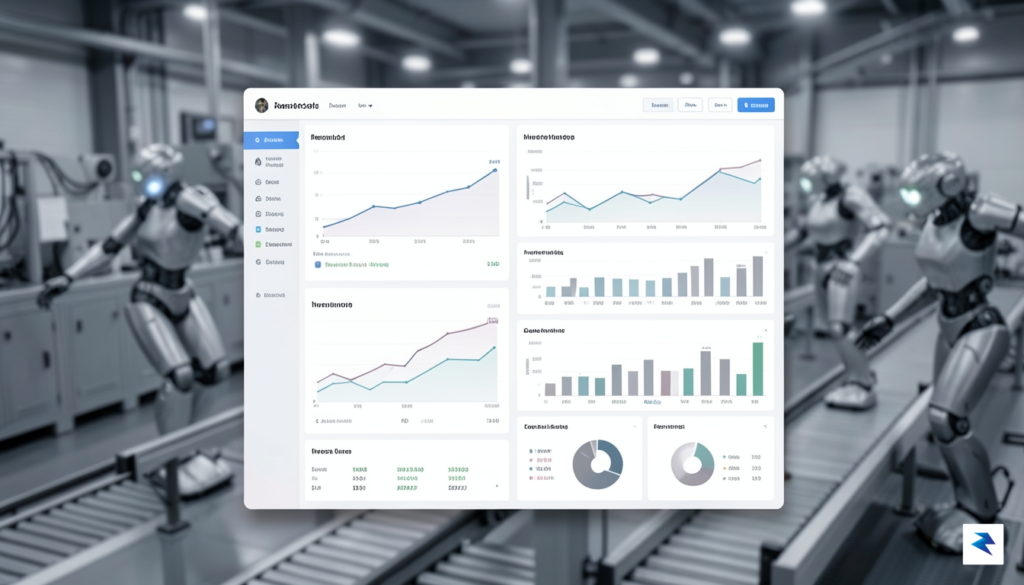
The primary risk for potential shareholders lies in the “hype cycle” that frequently surrounds emerging robotics sectors. When a company enters the public eye, there is an immense pressure to demonstrate rapid, scalable growth, yet the reality of hardware manufacturing is often messy, iterative, and slow. Agility Robotics faces the delicate challenge of maintaining transparency regarding its technological roadmap while satisfying investors who are accustomed to the exponential growth curves typical of tech-sector unicorns. By prioritizing industrial applications—where the return on investment is clearer and the deployment environments are more controlled—the company is attempting to mitigate the operational risks that have historically plagued consumer-facing robotics ventures. However, this strategy requires shareholders to accept that the “humanoid in every home” narrative is a distant dream, replaced by a more pragmatic, profit-oriented focus on logistics and warehouse efficiency.
Success in the public markets for a hardware-heavy firm is not measured by the speed of viral adoption, but by the reliability and scalability of the product in demanding, real-world industrial settings.
To navigate these financial waters successfully, Agility must bridge the gap between its engineering milestones and its fiduciary responsibilities. This involves clear communication about the technical hurdles of bipedal locomotion and the complexities of integrating AI into physical workflows. For the savvy investor, the opportunity lies in distinguishing between companies that are merely chasing valuation spikes and those that are building the foundational infrastructure for the next generation of labor. While the public markets will undoubtedly test the company’s resolve, the shift toward a more transparent, shareholder-accountable structure could provide the stable capital base necessary to move beyond the prototype phase. Ultimately, investors should weigh the transformative potential of humanoid labor against the reality that hardware maturity is a game of patience, not immediate market disruption.
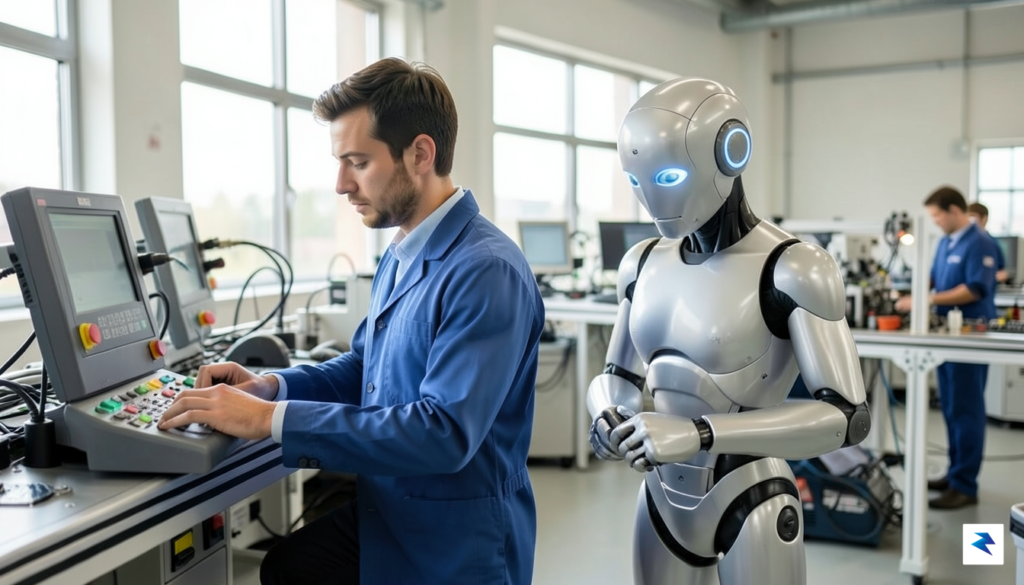
The narrative surrounding advanced robotics often conjures images of fully autonomous systems rendering human labor obsolete. However, a closer look at the long-term vision guiding companies like Agility Robotics reveals a fundamentally different philosophy. Instead of a wholesale replacement of human workers, the modern robotics movement, particularly in the humanoid space, is centered on redefining our roles within the economy. This paradigm shift, often referred to as ‘cobotics’ or collaborative robotics, posits a future where human intelligence and robotic stamina work in tandem, creating a symbiotic relationship that elevates productivity and addresses some of the most pressing challenges in global commerce.
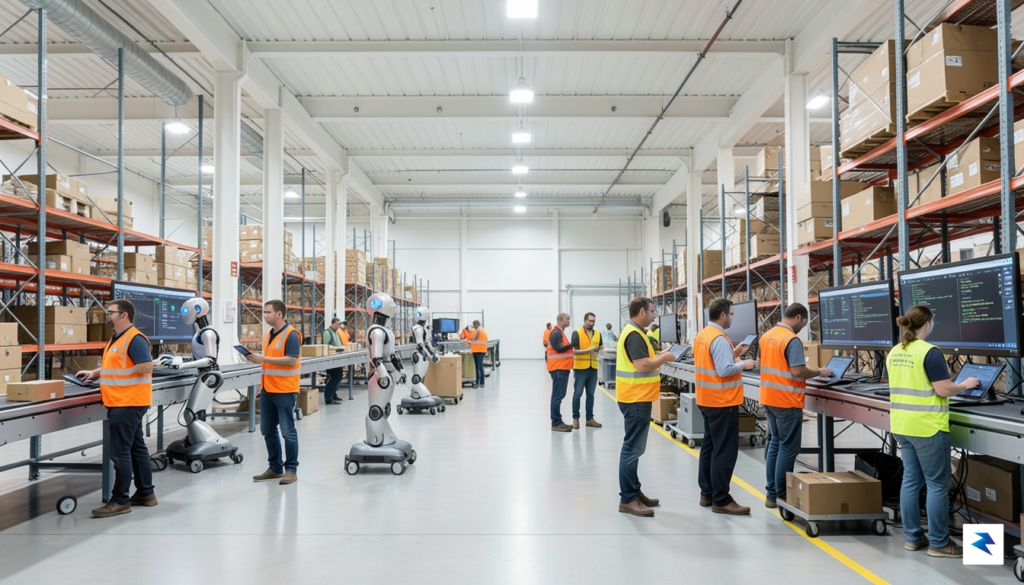
The evolution of labor has always been influenced by technological advancement, from the agricultural revolution to the industrial age and the digital era. Each wave has shifted the nature of work, creating new opportunities while transforming existing ones. In this next phase, humanoid robots are not designed to be isolated entities performing tasks in a vacuum, but rather integral components of a hybrid workforce. Imagine human supervisors overseeing fleets of agile robots handling repetitive, strenuous, or hazardous tasks in warehouses, manufacturing plants, and logistics hubs. This collaboration frees human employees to focus on complex problem-solving, decision-making, creative tasks, and direct customer interaction, leveraging their unique cognitive abilities that robots cannot yet replicate.
Agility Robotics is explicitly betting on this integrated future, recognizing that the immediate and most impactful application for humanoid robots lies within industrial environments, not domestic ones. The complexities of adapting a general-purpose robot to the infinitely varied and unpredictable environment of a human home are immense, requiring breakthroughs in AI and dexterity that are still years, if not decades, away. In contrast, the structured, though dynamic, environments of supply chains offer a tangible and immediate opportunity. Here, robots can address critical labor shortages, improve safety by taking on dangerous jobs, and enhance efficiency by working tirelessly and precisely, augmenting human teams in a way that directly impacts operational bottom lines. This realistic timeline for workplace integration focuses on solving concrete business problems today, rather than chasing a distant consumer dream.
The societal impact of this technology, therefore, leans not towards mass displacement but towards a re-skilling and re-focusing of the human workforce. As robots take on the physically demanding or monotonous aspects of work, humans can transition into roles that require higher-level thinking, creativity, and interpersonal skills. This shift necessitates investment in education and training programs to prepare the workforce for these new collaborative environments, fostering a richer, more engaging work experience. The aim is to create jobs that are safer, more productive, and more intellectually stimulating, ultimately leading to a more resilient and adaptable economic landscape.
For a company like Agility Robotics, entering the public market in such a capital-intensive space demands a clear, executable strategy for sustainable growth. Their focus on the industrial sector, particularly global supply chains, provides a distinct advantage. By targeting specific, high-value applications where their Digit robot can demonstrate immediate return on investment—such as parcel sorting, material handling, and trailer unloading—they can build market traction and generate revenue. This pragmatic approach, prioritizing tangible industrial integration over speculative domestic deployment, positions them to grow steadily in a competitive market, proving the value of human-robot collaboration one warehouse at a time and driving the evolution of labor for decades to come.
You must be logged in to post a comment.