The Evolution of the American Homeowner
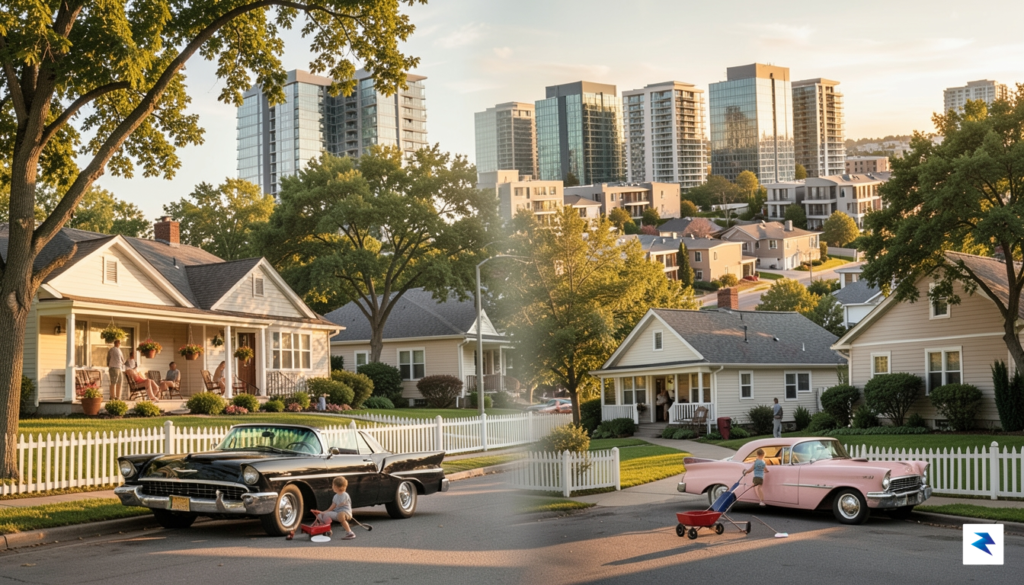
For the better part of the twentieth century, the American Dream was anchored firmly in the concept of homeownership. Following the conclusion of World War II, a massive federal push for suburbanization and the widespread availability of low-interest mortgages transformed the single-family home from a luxury into a standard expectation for the working class. In the 1970s, it was entirely feasible for an average family to secure a comfortable residence on a single income, with home prices remaining tethered to a reasonable multiple of the median salary. During this era, a house was primarily viewed as a place of refuge—a stable foundation for family life that required a modest portion of a household’s monthly budget.
However, the economic landscape has undergone a seismic shift in the decades since, decoupling wages from the skyrocketing cost of real estate. While the median income has experienced relatively stagnant growth when adjusted for inflation, home prices have surged to unprecedented levels, creating a widening chasm that locks many prospective buyers out of the market entirely. Where a house once represented an accessible milestone of adulthood, it has increasingly become a complex financial instrument. This evolution has fundamentally altered our relationship with property; we no longer just buy homes to live in them, but rather to extract equity and secure a hedge against inflation in an volatile economy.
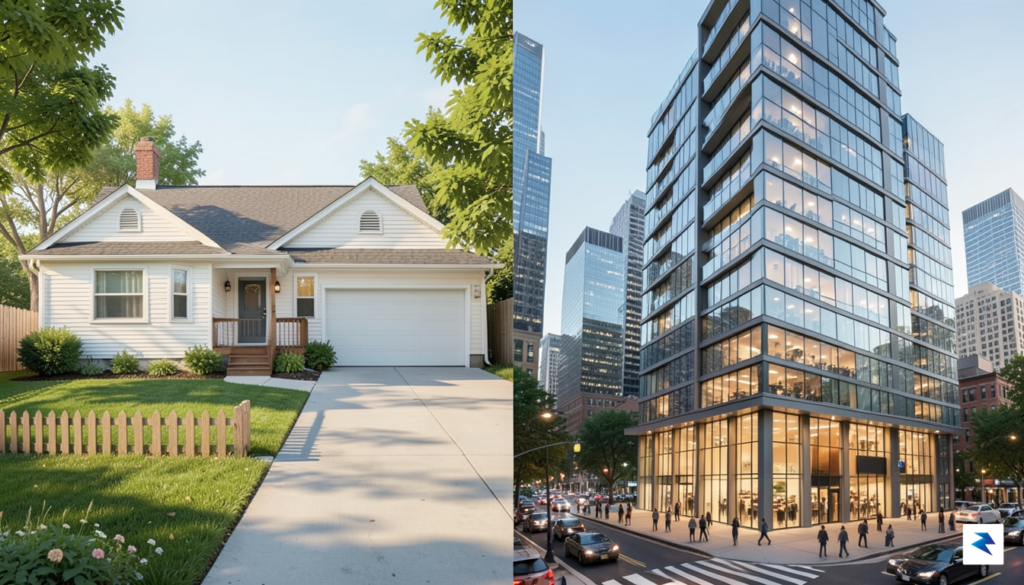
The shift from viewing housing as essential shelter to a high-stakes investment vehicle has transformed the domestic landscape from a source of stability into a primary driver of socioeconomic inequality.
This transition has introduced a profound tension between the concepts of availability and affordability. Even as developers break ground on new projects, the focus has shifted toward high-margin luxury units, leaving the middle-class market starved for starter homes. As a result, the dream of homeownership is no longer a rite of passage but a gated privilege, often requiring dual incomes, significant familial wealth, or decades of aggressive saving. By commodifying the very roof over our heads, we have inadvertently created a system where the pursuit of the American Dream often necessitates a level of financial risk that threatens the very stability it was originally intended to provide.
The Anatomy of Rising Mortgage Costs

To understand the current housing crisis, one must first recognize that the mortgage market does not operate in a vacuum; it is tethered directly to the broader economic strategies of the Federal Reserve. When the Fed raises the federal funds rate to combat persistent inflation, it creates a ripple effect that forces lenders to increase the yields on mortgage-backed securities to remain attractive to investors. This process effectively tightens the money supply, pushing mortgage interest rates upward. Consequently, a homebuyer today is not merely paying for the physical structure of a house, but is also paying a significant premium for the privilege of borrowing money in a high-interest environment, a reality that has fundamentally altered the math of homeownership.
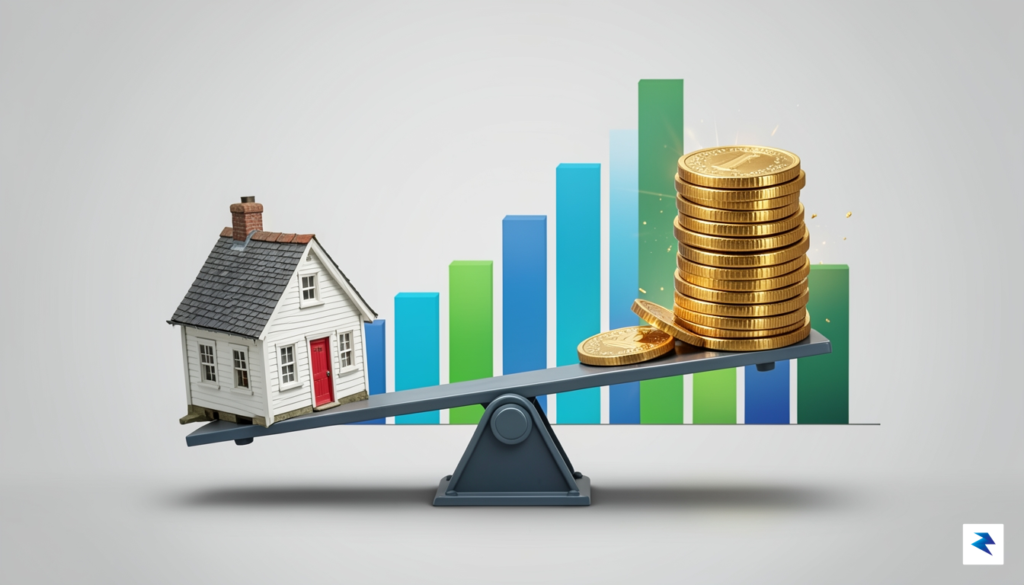
The mathematical reality of this shift is best illustrated by a comparative analysis of the same property over a four-year span. Consider a home priced at $400,000. In 2020, when interest rates hovered near 3%, a buyer securing a 30-year fixed mortgage would face a principal and interest payment of approximately $1,686 per month. Fast forward to 2024, where rates have frequently oscillated around 7%. On that same $400,000 home, the monthly payment jumps to roughly $2,661. This represents a nearly 60% increase in monthly housing costs for the exact same asset, an increase that far outpaces wage growth and forces many middle-class families to either abandon their home-buying plans or settle for significantly less space in less desirable locations.
The compounding effect of interest rates over the life of a 30-year mortgage is staggering; a few percentage points can mean the difference between paying the original purchase price in interest or paying nearly double that amount to the lender over three decades.
When we examine the total cost of a 30-year loan, the compounding nature of interest rates becomes even more sobering. At a 3% rate, a borrower pays roughly $206,000 in total interest over the life of the loan. At a 7% rate, that interest total balloons to over $557,000 for the same principal amount. This means that at current rates, the borrower is essentially paying for two houses—one for themselves and one for the financial institution—without gaining any additional equity. This structural barrier has effectively turned the American Dream into a luxury good, as the threshold for entry now requires not only a substantial down payment but also a monthly income that can absorb interest costs that were virtually nonexistent just a few years ago. By understanding these mechanics, it becomes clear that the “ballooning cost” of housing is less about the appreciation of the land itself and more about the rising price of the capital required to own it.
Beyond the Mortgage: The Hidden Costs of Ownership
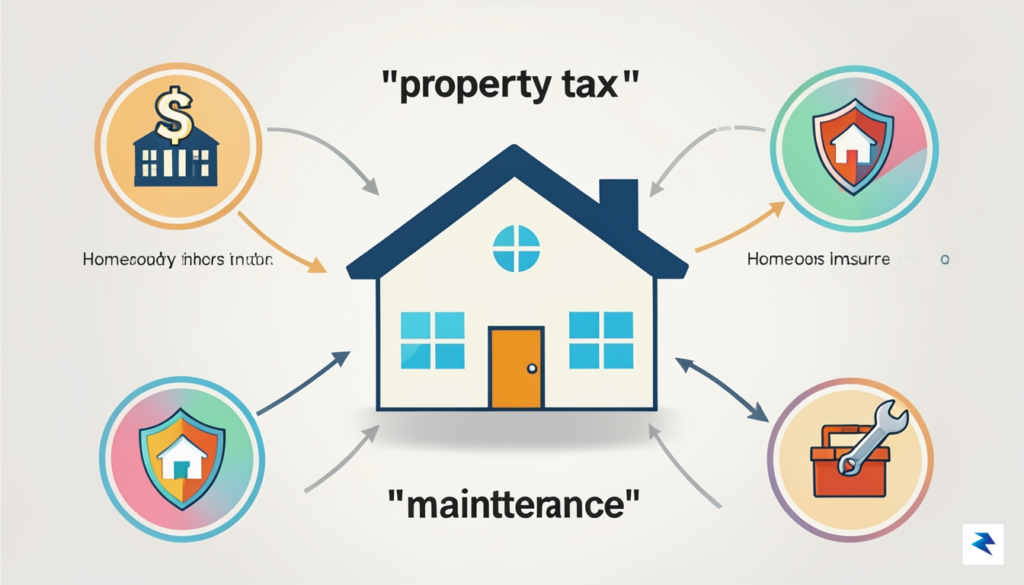
For many aspiring homeowners, the financial mental math stops at the monthly mortgage payment. However, viewing a home solely through the lens of principal and interest is a dangerous oversight that often leads to severe budgetary strain. Today’s housing market is defined by a silent, upward creep in the “all-in” cost of ownership, transforming what was once a wealth-building asset into a significant monthly liability. When you account for the ancillary expenses that accompany the deed, the reality of the American dream looks far less like a fixed payment and more like a volatile variable expense.
One of the most aggressive drivers of these rising costs is the surge in homeowners insurance premiums, which are no longer merely a standard line item. As climate volatility increases, insurers are responding to heightened environmental risks—such as wildfires, hurricanes, and floods—by dramatically hiking premiums or, in some cases, withdrawing coverage entirely from high-risk regions. Homeowners are frequently blindsided by annual increases that can reach hundreds, or even thousands, of dollars, turning a predictable expense into a source of constant financial anxiety. This shift effectively raises the barrier to entry, as lenders now demand higher escrow cushions to protect their interests against these mounting risks.
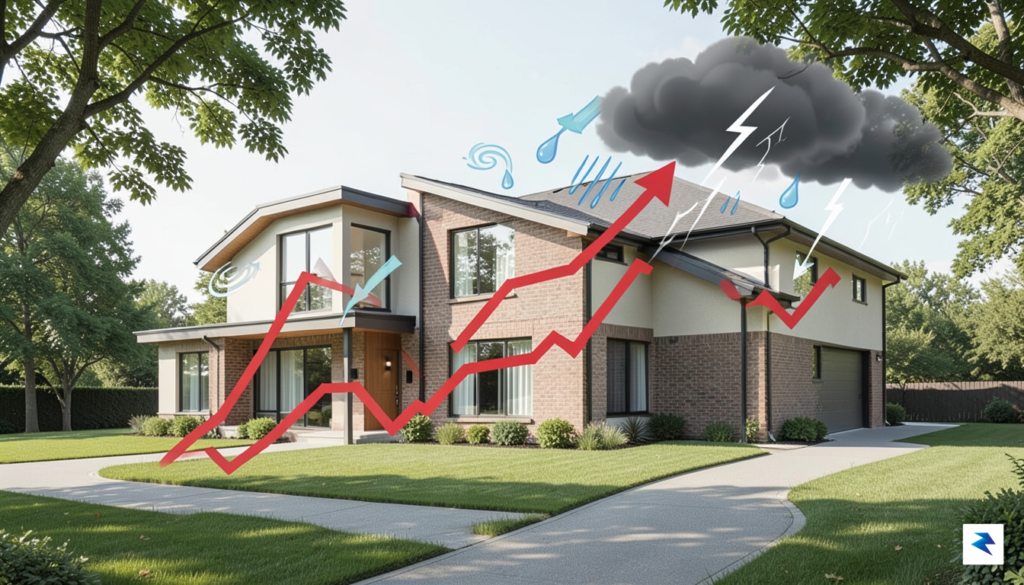
Simultaneously, property taxes have become an increasingly heavy burden, particularly in high-growth areas where local governments are scrambling to fund infrastructure for expanding populations. When home values skyrocket, tax assessments often follow suit, yet these taxes rarely retreat when the market eventually cools. For families living on fixed incomes or those who have stretched their budgets to afford a home, a sudden reassessment can lead to a drastic reduction in disposable income. This phenomenon creates a “tax trap” where the homeowner is technically “wealthier” on paper due to home equity, yet functionally poorer because their cash flow is being siphoned off by municipal levies.
The true cost of homeownership is not a static number; it is a dynamic equation where maintenance, insurance, and taxes act as multipliers that can quickly outpace wage growth.
Beyond these recurring bureaucratic and environmental costs, the physical reality of maintaining a structure has become significantly more expensive. The post-pandemic era saw a permanent shift in the cost of construction materials and skilled labor, both of which remain elevated due to supply chain complexities and a shortage of trade professionals. Homeowners who defer maintenance—hoping to save money in the short term—often find themselves facing a “repair debt” that compounds over time. When a roof finally needs replacing or a foundation requires stabilization, the price tag often reflects current inflated market rates, which can be double or triple what a buyer might have anticipated when they first signed the closing documents.
The Shift in Market Dynamics: Ownership vs. Institutional Investment
The traditional narrative of the American dream—buying a modest starter home to build generational wealth—is increasingly clashing with a new, aggressive reality in the real estate market. In recent years, massive institutional investors, including private equity firms and hedge funds, have pivoted toward single-family homes as a core asset class. Armed with vast capital reserves and sophisticated algorithmic bidding tools, these entities are able to make all-cash offers that individual families simply cannot match. This influx of corporate capital effectively turns residential neighborhoods into high-yield rental portfolios, fundamentally altering the competitive landscape for anyone looking to put down roots.
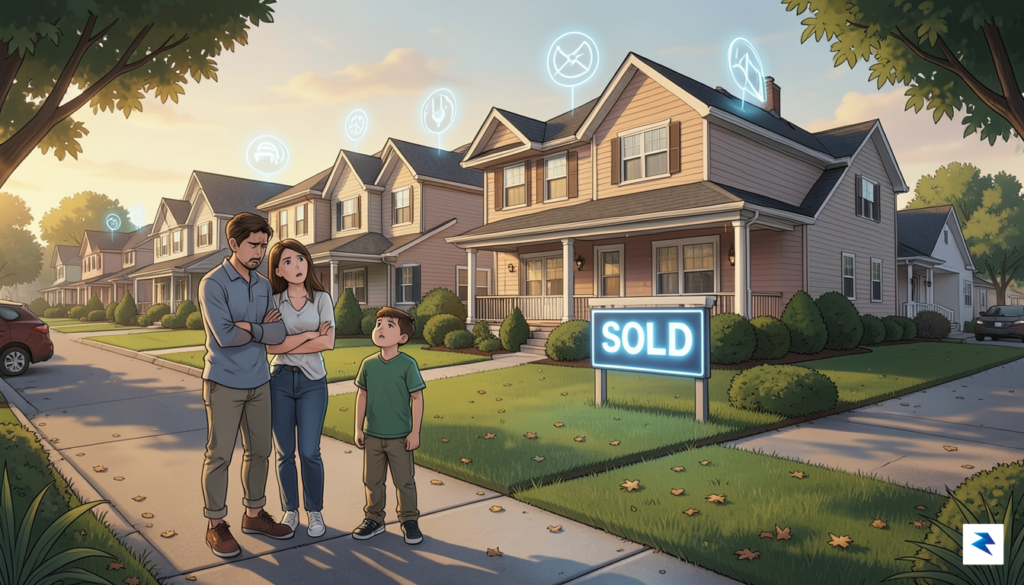
When institutional buyers swoop in to purchase dozens, or sometimes hundreds, of homes in a single zip code, they create a permanent inventory shortage for first-time buyers. As these houses are converted into long-term rentals, they are essentially removed from the owner-occupant market for decades, if not permanently. This scarcity drives up home prices even further, as the remaining supply becomes the subject of desperate bidding wars among regular families. Consequently, the dream of homeownership is being replaced by a cycle of perpetual renting, where families end up paying off the mortgage of a distant corporation rather than building equity in their own property.
The transformation of the housing market from a ladder of individual wealth into an institutional commodity creates a feedback loop: lower supply pushes prices higher, which in turn makes corporate rental yields even more attractive, further incentivizing institutional buy-ups.
Beyond the rise of corporate landlords, the proliferation of short-term rental platforms has introduced a different, yet equally disruptive, pressure on local housing stocks. In many desirable urban and suburban corridors, property owners have realized that converting a long-term family residence into a nightly vacation rental can generate significantly higher revenue. This trend depletes the available housing supply for local workers and families, effectively prioritizing tourists over community members. As homes are stripped from the residential pool and transformed into transient lodging, the local cost of living escalates, often pricing out the very residents who provide essential services to the neighborhood. This shift suggests that the market is no longer functioning primarily to house citizens, but rather to maximize the extractable value of real estate for transient or corporate gain.
Strategies for Navigating Today’s Housing Landscape

In an era where the traditional path to homeownership feels increasingly obstructed by soaring interest rates and stagnant wage growth, the modern buyer must adopt a more sophisticated financial toolkit. The first step toward securing a foothold in this market is an aggressive optimization of your debt-to-income (DTI) ratio. Lenders today are scrutinizing every line item, meaning that even modest consumer debts—such as high-interest credit card balances or lingering auto loans—can significantly diminish your purchasing power. By prioritizing the aggressive repayment of high-interest debt well before you begin the pre-approval process, you not only improve your credit profile but also free up monthly cash flow, which can then be redirected toward a larger down payment or a contingency fund for home maintenance.
Beyond traditional solo purchasing, many individuals are finding success by exploring collaborative models of ownership. Co-buying with a partner, family member, or even a trusted friend has transitioned from a niche strategy to a pragmatic necessity for many. This approach allows multiple parties to pool their down payments and share the burden of monthly mortgage obligations, making it possible to enter the market years earlier than would have been feasible alone. However, this strategy requires a foundation of legal clarity; it is essential to draft a formal co-ownership agreement that outlines exit strategies, maintenance responsibilities, and how equity should be handled if one party wishes to sell. Furthermore, first-time buyers should meticulously research local and state-level down payment assistance programs, as these often-overlooked resources can provide the critical gap funding needed to bypass private mortgage insurance requirements.
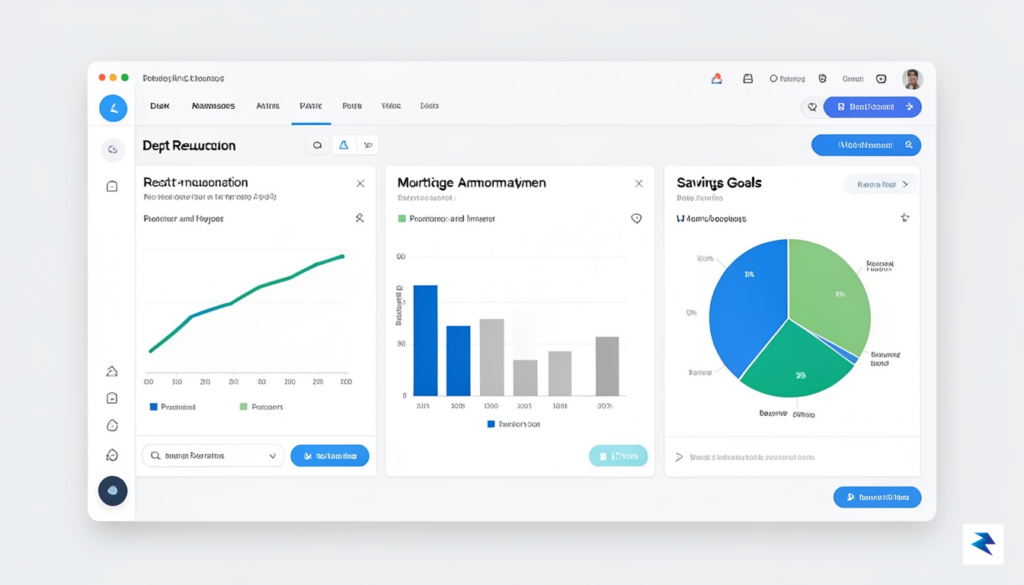
To insulate yourself from the volatility of interest rate cycles, long-term financial planning must shift toward a defensive posture. If you are already a homeowner, consider the viability of refinancing when rates trend downward, but remain disciplined about not tapping into your home equity for non-essential consumption. For those looking to enter the market, it is vital to stress-test your household budget against a variety of interest rate scenarios. Rather than buying at the absolute limit of your pre-approval amount, aim for a purchase price that leaves a comfortable buffer for unexpected repairs and fluctuating utility costs. By viewing your home as a long-term shelter rather than a speculative asset, you can make decisions that prioritize stability over short-term market trends.
Success in today’s housing market is rarely about finding the perfect deal; it is about building a financial structure resilient enough to withstand the inevitable pressures of a shifting economic landscape.
Finally, do not underestimate the power of lifestyle adjustments during the acquisition phase. Many prospective buyers find that by temporarily lowering their discretionary spending, they can significantly shorten the time needed to amass a substantial down payment. Whether this means opting for a more modest starter home that allows for “sweat equity” improvements or delaying a major purchase to capitalize on seasonal market dips, patience and preparation remain your greatest assets. By treating your housing search with the same rigor as a professional investment strategy, you can turn the dream of ownership into a manageable, sustainable reality.