
Why Inflation Stays High: The Economic Reality Behind Geopolitical Shifts
The Persistent Grip of Inflation While geopolitical breakthroughs often trigger immediate, optimistic reactions on global trading floors, the…
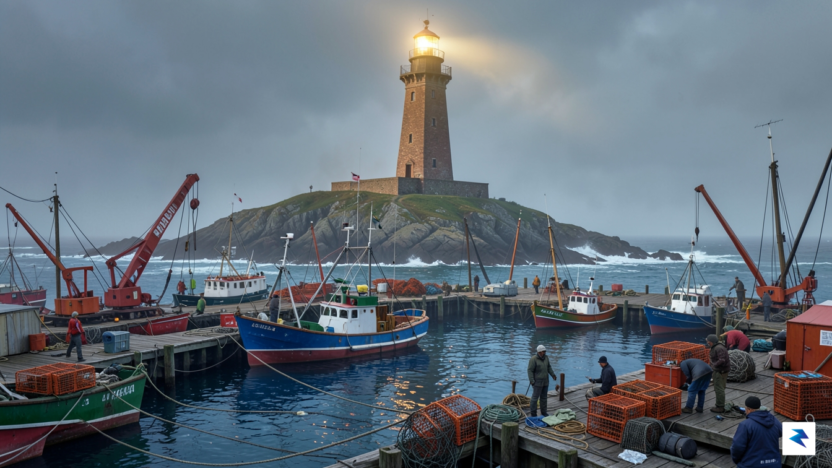

Maine’s iconic coastline, a patchwork of rugged cliffs, serene coves, and bustling harbors, has always been more than just a scenic backdrop; it is the beating heart of the state’s identity and economy. For centuries, these working waterfronts have sustained generations, providing livelihoods through fishing, lobstering, boatbuilding, and maritime trade. They are the tangible links to a rich heritage, embodying a spirit of resilience and self-reliance that defines the Pine Tree State. However, beneath the postcard-perfect facade, these vital coastal communities are grappling with an existential threat, as traditional industries face a confluence of pressures pushing them ever closer to the brink.
The economic landscape of these small fishing villages has become increasingly treacherous. Fishermen and lobstermen contend with soaring operational costs, from astronomical fuel prices to the prohibitive expense of maintaining aging fleets and purchasing new gear. Simultaneously, the value of their catch often fluctuates wildly, leaving many struggling to turn a consistent profit. Adding to this burden are escalating property taxes, driven by a growing demand for coastal real estate from seasonal residents and absentee owners, which makes it increasingly difficult for working families and maritime businesses to afford to live and operate in their ancestral towns. This financial squeeze isn’t just about individual livelihoods; it threatens the very infrastructure that supports an entire way of life.
Beyond the immediate economic pressures, a creeping gentrification is fundamentally altering the character of these historic communities. As waterfront properties are converted into luxury homes or vacation rentals, vital working spaces—docks, wharves, bait shops, and processing facilities—are either lost or become prohibitively expensive. Environmental pressures, too, play a significant role; warming ocean temperatures are shifting fish stocks, impacting traditional fishing grounds and requiring adaptations that come with their own costs and uncertainties. Compounding these challenges is a critical labor shortage, as younger generations find it harder to enter the industry and skilled tradespeople become scarcer, further straining an already fragile system.
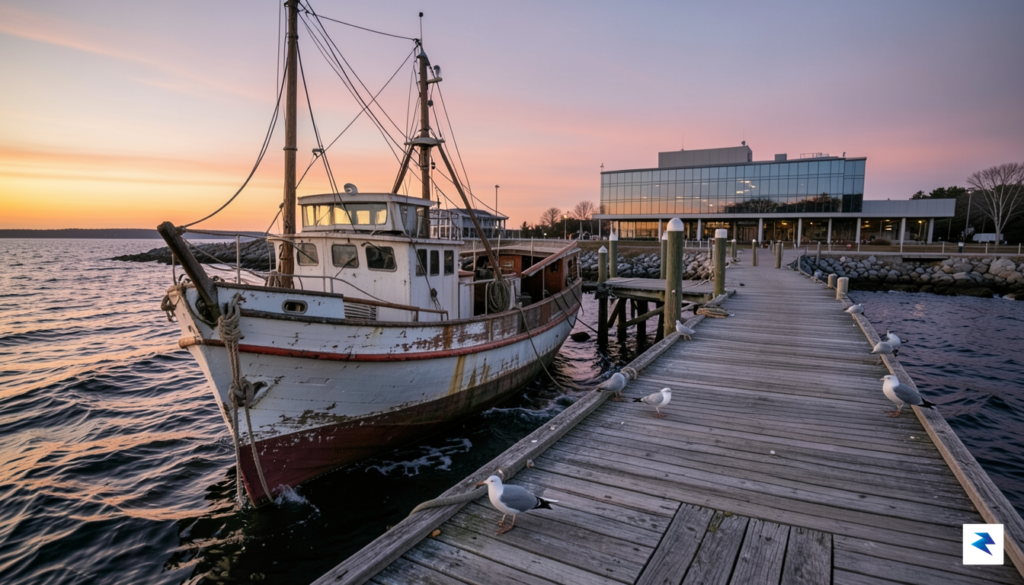
In this broader regional crisis, Port Clyde emerges as a poignant microcosm, a community teetering on the edge. Nestled on the St. George Peninsula, Port Clyde is a quintessential working harbor, historically vibrant with the comings and goings of lobster boats and ferries to Monhegan Island. But like many of its counterparts, it is now witnessing the slow erosion of its core infrastructure. The potential loss of crucial docks, wharves, and fish houses isn’t merely an inconvenience; it represents the unraveling of the entire maritime ecosystem. Without these essential facilities, boats have no place to land their catch, process it, or even tie up safely, severing the lifeline that connects the fishermen to the market and, ultimately, to their ability to earn a living.
The fate of Port Clyde, therefore, transcends local concerns; it serves as a critical case study for the entire region, illustrating what ‘community collapse’ truly means for Maine’s working coast. It’s not just about a few businesses closing; it’s about the loss of generational knowledge, the dissolution of a unique cultural identity, and the permanent alteration of a historic way of life. When the infrastructure supporting a maritime community disappears, the ripple effect is profound, impacting schools, local businesses, and the social fabric itself. The struggle in Port Clyde highlights the urgent need for innovative solutions to safeguard these irreplaceable assets before they are lost forever, taking with them a piece of Maine’s soul.
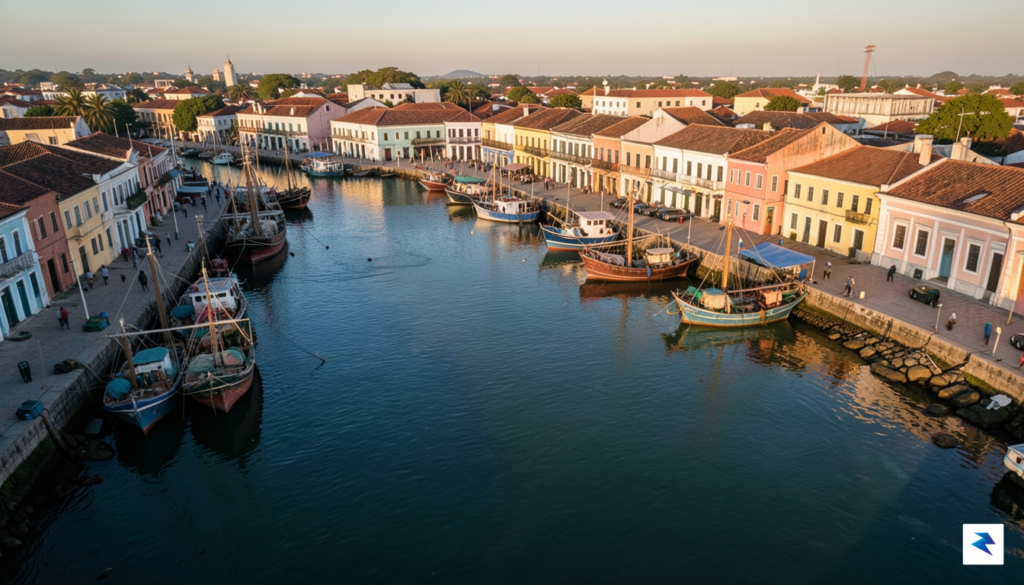
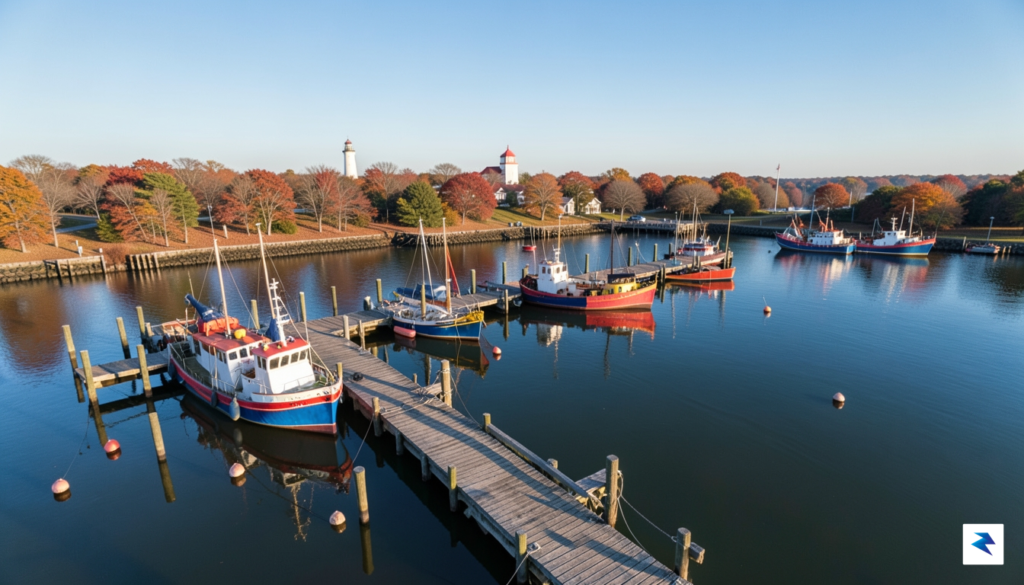
The revitalization effort currently unfolding in Port Clyde is far from a standard philanthropic donation; it is a sophisticated, multi-layered economic partnership designed to stabilize the town’s fragile commercial foundation. Led by Colby College in close coordination with a prominent construction magnate and private benefactors, the initiative functions as a strategic pivot to prevent the total collapse of the local fishing industry. Rather than simply subsidizing businesses, this coalition is acting as a primary stakeholder, acquiring key waterfront properties and critical infrastructure that had fallen into disrepair. By injecting significant private capital into the local landscape, the project aims to secure the physical assets necessary for the town’s survival while simultaneously laying the groundwork for a sustainable, long-term economic model.
The goal here is not to transform Port Clyde into something it isn’t, but to ensure that the heritage of this working harbor remains viable for the next generation of Maine residents.
The logistical scope of this intervention is as ambitious as it is comprehensive. The partnership has focused heavily on the modernization of the town’s maritime infrastructure, including the urgent rehabilitation of rotting docks and the stabilization of essential commercial real estate. By renovating the local general store, acquiring fuel docks, and securing housing for essential workers, the college and its partners are effectively removing the volatility that has plagued small-scale operations in recent years. This structural overhaul ensures that the core businesses that drive the local economy are no longer at the mercy of shifting real estate markets or absentee landlords, providing a layer of permanence that was previously absent.
Furthermore, the delicate balance between preservation and modernization remains the cornerstone of this venture. Colby College is leveraging its institutional expertise to ensure that the infrastructure upgrades comply with rigorous environmental and historical preservation standards, protecting the town’s aesthetic and cultural identity. The strategy is to integrate modern engineering and efficient management practices into the existing social fabric of the town without sacrificing the rustic, authentic charm that defines the Maine coast. By fostering a collaborative environment between private stakeholders, local laborers, and institutional planners, the initiative seeks to create an economic ecosystem that is resilient enough to withstand future downturns while honoring the maritime traditions that have sustained Port Clyde for centuries.
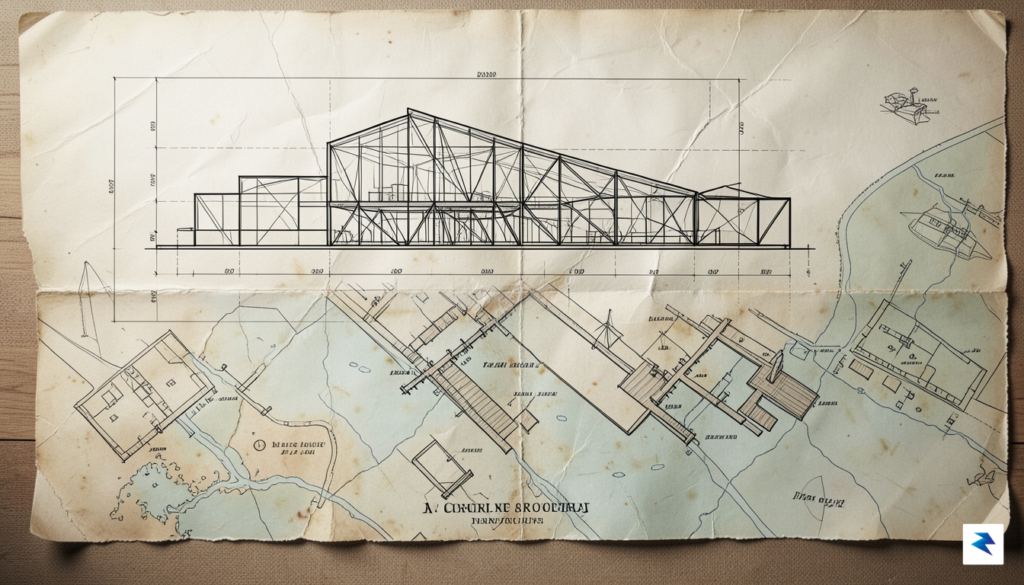
For decades, the traditional role of a liberal arts college was largely confined to the ivory tower: a sanctuary for intellectual pursuit, detached from the gritty, day-to-day realities of local commerce. However, the decision by Colby College to intervene in the economic trajectory of a struggling Maine fishing village represents a profound philosophical pivot. This shift suggests that elite academic institutions are no longer content to observe societal change from a distance; instead, they are redefining their mission statements to include the active stewardship of their regional ecosystems. By positioning themselves as “anchor institutions,” colleges like Colby are acknowledging that their own long-term health is inextricably linked to the vibrancy of the rural communities that surround them.
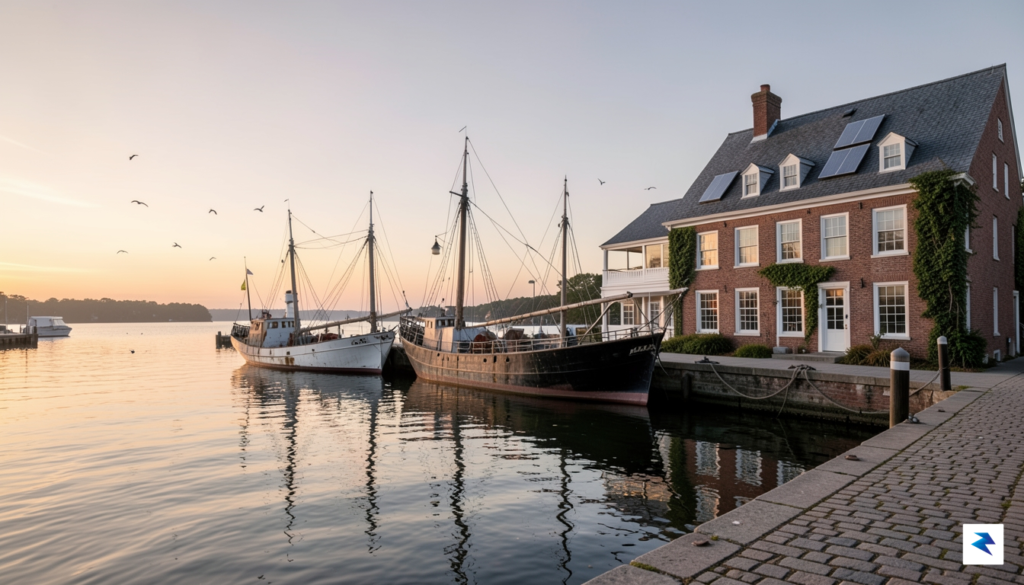
This radical evolution into the role of a developer and economic stabilizer brings both significant promise and notable complexity. When an institution of higher learning infuses capital and professional management expertise into a town, it can catalyze growth, modernize aging infrastructure, and create jobs that might otherwise vanish into the ether of globalization. This marriage of academic resources and grassroots necessity can turn a shrinking village into a hub for sustainable industry and cultural preservation. It transforms the college from a mere neighbor into a primary stakeholder, effectively leveraging its endowment and reputation to ensure that local heritage does not succumb to the pressures of economic isolation.
The true test of the anchor institution model lies in whether it serves as a catalyst for local empowerment or inadvertently leads to a form of institutional gentrification that stifles the very culture it aims to preserve.
Despite the benefits, this new paradigm necessitates a careful balancing act to avoid the pitfalls of institutional “capture.” There is an inherent risk that the values and priorities of the college may eventually supersede the authentic, rugged identity of a fishing community, potentially alienating the residents who define the town’s character. For this model to serve as a viable national blueprint, the relationship must be one of mutual respect rather than paternalistic intervention. If colleges can successfully integrate their intellectual capital with local wisdom—fostering community-led development rather than top-down directives—they may well discover a sustainable formula for revitalizing rural America, ensuring that small-town life survives the modern era’s relentless economic tides.
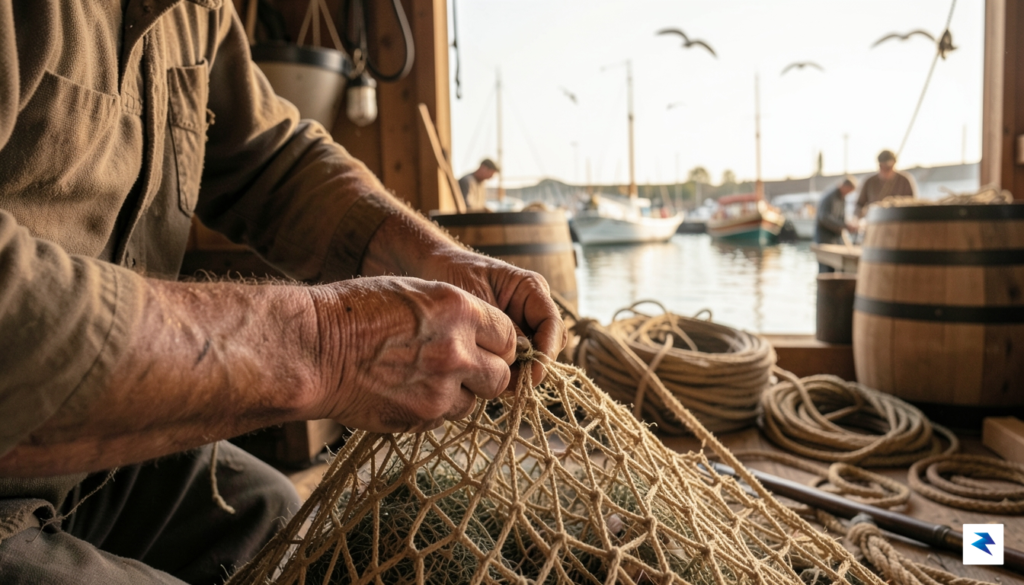
The intervention by Colby College into the local economy brings a profound tension to the surface: the struggle to secure a future without sacrificing the very soul of a working-class maritime hub. For generations, this community has been defined by the rhythmic, often grueling cadence of the fishing industry, where identity is forged on the docks and in the cold, gray waters of the Atlantic. While the infusion of academic and private capital serves as a necessary bulwark against the creeping decay of infrastructure, there is an inherent risk that the town might be transformed into a polished, curated version of itself. This process, often described as “museum-ification,” threatens to replace the salt-of-the-earth authenticity of a working harbor with a sanitized aesthetic designed to satisfy the sensibilities of seasonal visitors and academic researchers rather than the year-round residents who keep the town alive.
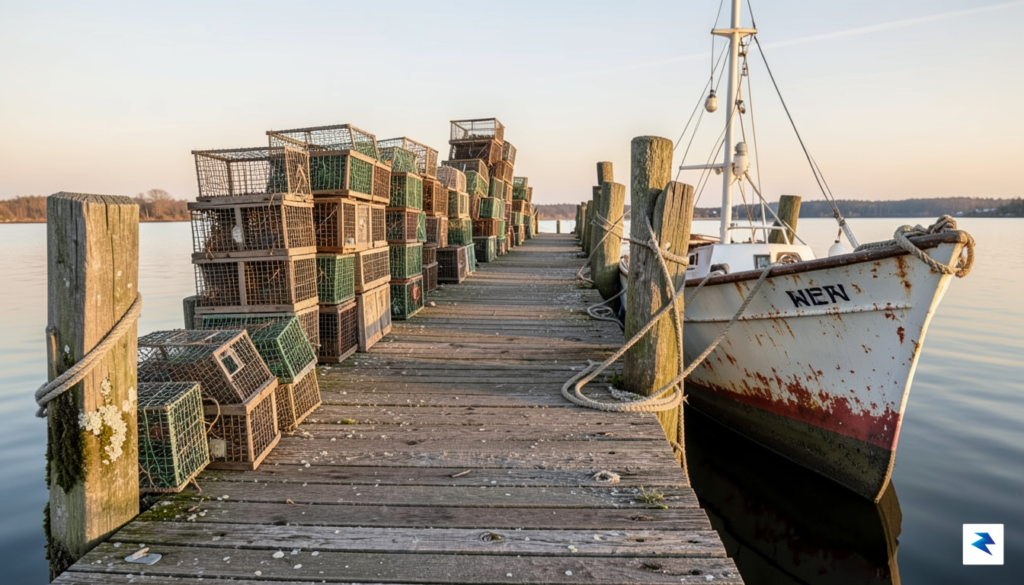
Economic revitalization is, of course, the primary objective, yet it brings with it the difficult reality of residential displacement and rising costs. As investment dollars flow into the area, property values often decouple from the wages earned by local tradespeople and fishers, creating a landscape where those who have anchored the town for decades can no longer afford to live there. The challenge lies in ensuring that development projects do not merely pave the way for gentrification, but instead foster an environment where local employment can evolve alongside new industry. If the influx of funding only serves to attract high-end boutiques and seasonal rentals, the town risks losing its essential labor force, which is the backbone of its maritime heritage.
True revitalization must be measured not just by the health of the balance sheet, but by the ability of the generational workforce to remain rooted in the soil—and the sea—that defined them.
Ultimately, the goal is to create a sustainable symbiosis between progress and tradition, a feat that requires more than just capital; it demands a deep respect for the community’s existing social fabric. Developers and academic partners must engage in a transparent, ongoing dialogue with locals to ensure that new initiatives prioritize the preservation of working waterfronts over ornamental development. By integrating the town’s history into the new economic model, Colby College could potentially demonstrate that academic and private investment does not have to be a harbinger of cultural erasure. However, this success hinges on whether the stakeholders value the gritty, unpolished reality of a living fishing town as much as they value the prestige of a revitalized development project.
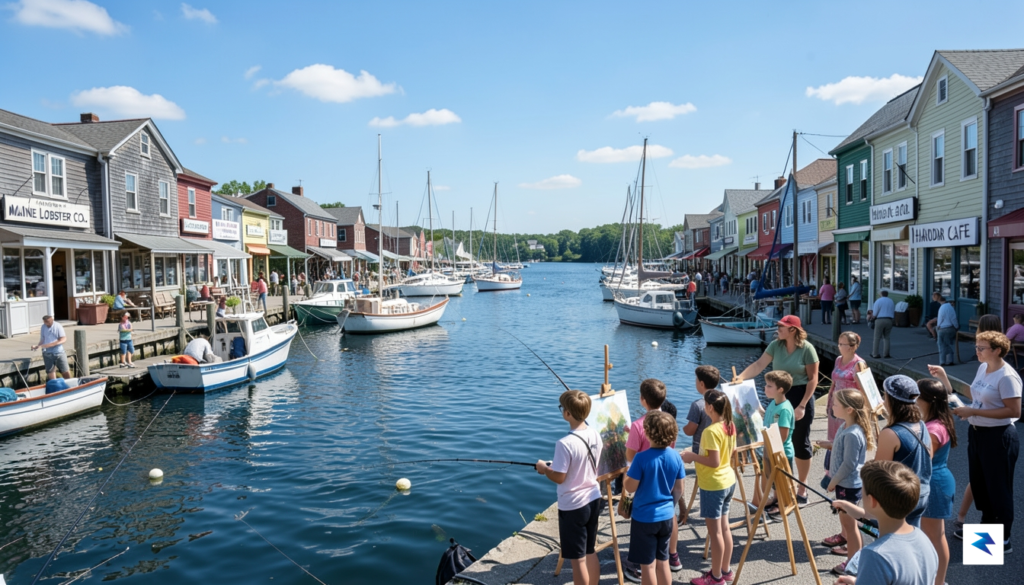
The intervention in Port Clyde represents far more than a localized philanthropic gesture; it serves as a high-stakes laboratory for rural revitalization in the 21st century. By bridging the gap between institutional resources and grassroots necessity, this partnership attempts to solve the perennial problem of the “brain drain” and economic stagnation that has plagued coastal communities for decades. The project’s long-term viability hinges not just on immediate capital injection, but on whether these entities can foster a self-sustaining ecosystem where the local fishing industry exists in tandem with modern educational and research infrastructure. If this model succeeds, it provides a blueprint for academic institutions across North America to act as anchor tenants, providing the stability that small towns desperately need to weather global economic shifts.
For this experiment to be considered a scalable success, stakeholders must look beyond short-term economic metrics like property values or job creation numbers. True success will be measured by the retention of the next generation of residents and the ability of the town to diversify its workforce without diluting its cultural heritage. The challenge lies in creating a symbiotic relationship: the college gains a living classroom for marine studies and climate research, while the town receives the infrastructure and investment required to modernize its operations. This balance of private philanthropy and institutional stability creates a buffer against the volatility of the seafood market, which has historically left coastal towns vulnerable to collapse when environmental or logistical conditions change.
The true test of the Colby model is not whether it can replace the fishing industry, but whether it can provide the economic ballast necessary for that industry to survive and evolve in a changing climate.
Replicating this model in other regions will require a profound shift in how universities view their role within their surrounding geography. Many rural areas possess unique cultural and ecological assets, yet they lack the administrative and financial weight to protect them from external shocks. If the Port Clyde project proves that academic partnerships can stabilize these vulnerable zones, we may see a surge in similar initiatives where private interests and public-good institutions align. However, this evolution necessitates a departure from traditional industrial reliance. Communities must be willing to integrate new technological and research-based sectors into their local identity, ensuring that they are not merely “museums” of the past, but active participants in the new, knowledge-driven coastal economy. The future of Maine’s small towns, and perhaps those globally, depends on this capacity to weave legacy industries into the fabric of modern innovation.
You must be logged in to post a comment.