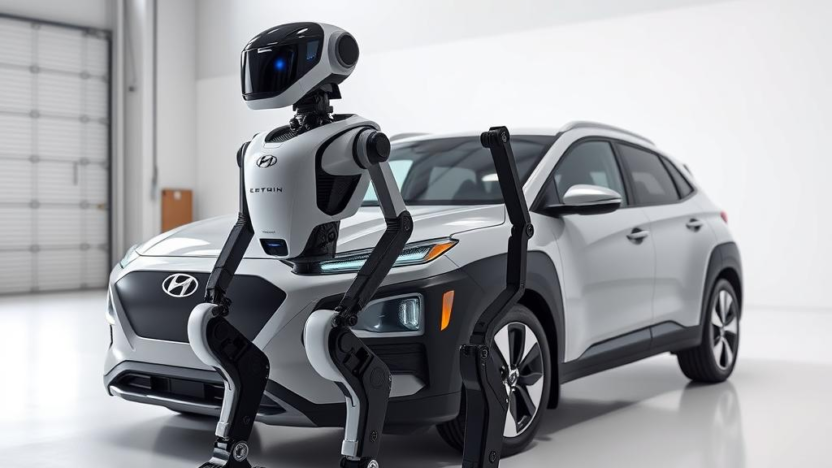
The Evolution of Boston Dynamics Under Hyundai
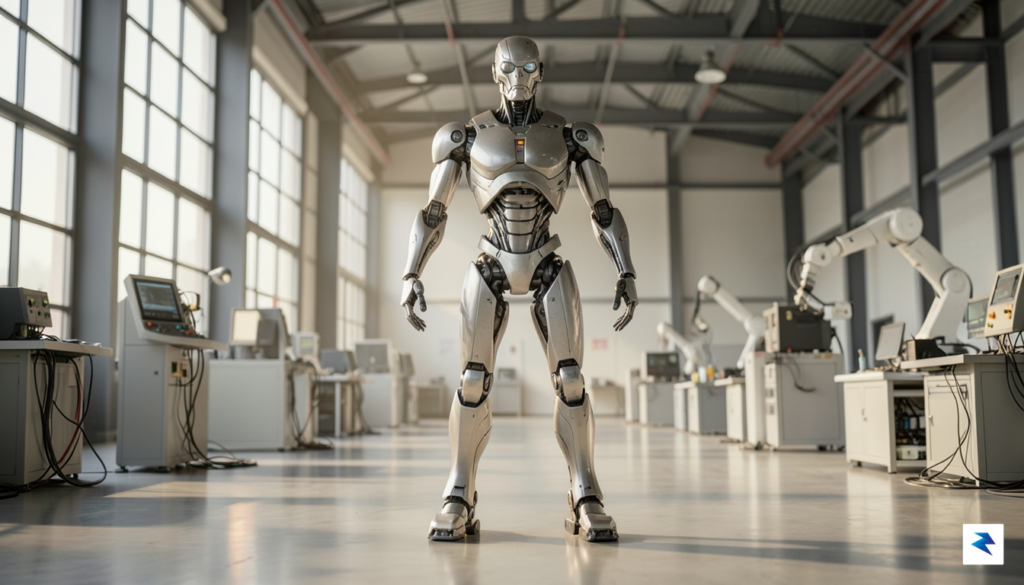
For over three decades, Boston Dynamics has served as the undisputed gold standard for robotic mobility, evolving from its origins as an ambitious MIT spin-off into a global icon of engineering prowess. In its early years, the firm captured the public imagination through viral demonstrations of balance, agility, and rugged durability, proving that machines could navigate the chaotic, uneven terrain of the real world. However, despite this technical brilliance, the company spent much of its history as a nomadic innovator, moving through a series of high-profile acquisitions. From its tenure under the corporate umbrella of Google—and later Alphabet—to its eventual stint with SoftBank, Boston Dynamics was often treated as a moonshot project, a brilliant experiment that pushed the boundaries of physics without always finding a clear, immediate path to mass-market industrial adoption.
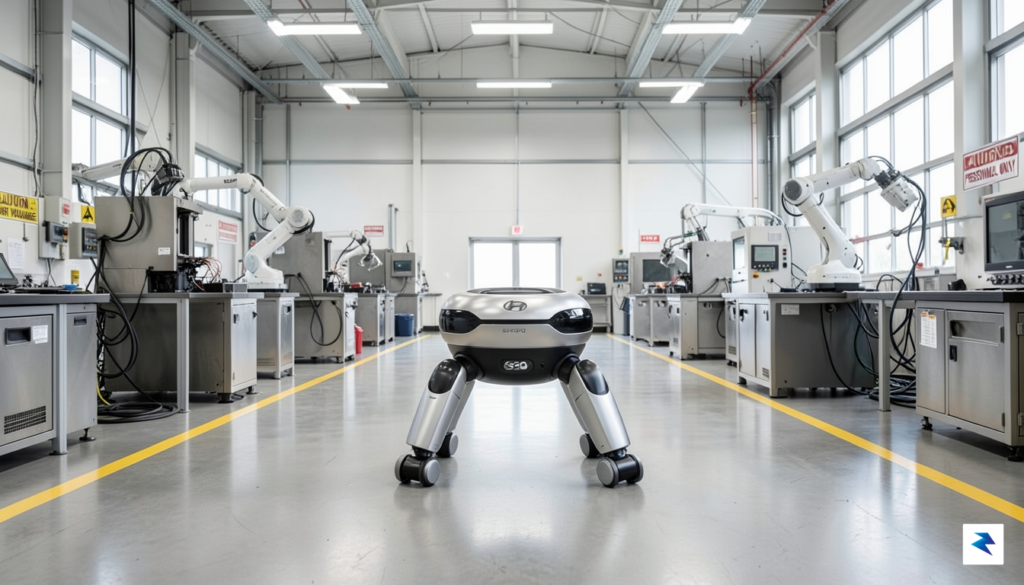
The acquisition by Hyundai Motor Group in 2021 signaled a fundamental shift in the company’s trajectory, marking the end of its era as a venture-backed research powerhouse. While previous owners were largely interested in the theoretical potential of humanoids and quadruped robots, Hyundai brought a pragmatic, manufacturing-first perspective to the table. By integrating Boston Dynamics into a global automotive giant, the relationship moved beyond the realm of speculative R&D and into the practical world of logistics, automated assembly, and safety surveillance. This change in ownership provided the financial stability and structural support necessary to transition from building prototypes that dazzled crowds on YouTube to deploying functional, reliable robots that solve tangible problems on factory floors and in hazardous work environments.
The integration with Hyundai represents a transition from “proof of concept” to “proof of value,” ensuring that the next generation of robotics is built with the rigor and scalability of the automotive industry.
This consolidation of ownership is a pivotal moment for the industry, as it finally aligns Boston Dynamics’ unparalleled R&D capabilities with the robust supply chain and operational expertise of one of the world’s leading automakers. Under Hyundai’s stewardship, the product roadmap has become significantly more focused, prioritizing the commercial viability of platforms like Spot and Stretch. By shedding the uncertainty that often accompanies venture-backed experimentation, the company can now pursue long-term engineering goals with the confidence that they have a permanent home within a parent organization that views robotics not as a side project, but as a core pillar of its future mobility strategy. This move effectively clears the path for the widespread industrial integration of bipedal and quadrupedal systems, turning decades of academic innovation into the backbone of modern automated infrastructure.
Why SoftBank Exited: Understanding the Robotics Market Shift

For years, Boston Dynamics served as the crown jewel of viral robotics, consistently pushing the boundaries of what machines could achieve through breathtaking displays of mobility and agility. However, the transition from laboratory marvel to industrial workhorse proved to be a grueling financial marathon. SoftBank, which acquired the company from Alphabet in 2017, operated under a venture-driven model that prioritizes rapid growth and aggressive scaling. As the Vision Fund began to reconcile its portfolio against the realities of hardware development, the immense capital expenditure required to bring advanced robots into the commercial sphere became increasingly difficult to justify in the face of long-term, non-linear profitability timelines.
The robotics industry is notoriously capital-intensive, characterized by high research and development costs and the logistical complexities of physical manufacturing. Unlike software-based startups that can scale globally with minimal incremental cost, Boston Dynamics required massive sustained investment to refine its hardware, ensure safety standards, and develop viable use cases in unstructured environments. SoftBank’s departure signals a fundamental pivot in how global investors view the sector; the market has moved away from funding pure R&D-led breakthroughs in favor of entities that offer immediate integration with existing infrastructure. For a financial powerhouse like SoftBank, the exit was not necessarily a reflection of the technology’s quality, but rather a recognition that the company had outgrown its venture capital lifecycle.
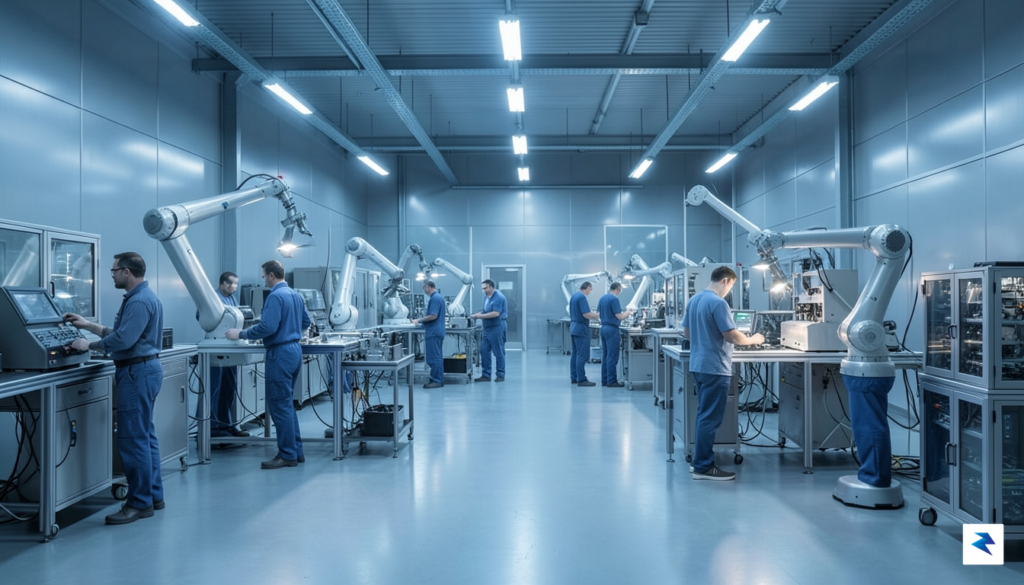
The move from a financial backer to a strategic partner marks a transition from a “growth-at-all-costs” mentality to a “production-ready” philosophy.
By selling a controlling stake for approximately $325 million, SoftBank opted to divest from a project that required a different kind of long-term commitment than a traditional equity firm is designed to provide. A purely financial investor often looks for an exit strategy within a fixed window, yet robotics requires a partner capable of absorbing losses for years while building out supply chains and specialized service ecosystems. Hyundai, by contrast, brings the manufacturing muscle and operational footprint that Boston Dynamics lacked. For Hyundai, the investment is not just about the intellectual property; it is about embedding these robots into their automotive assembly lines and logistics networks, turning a high-cost research project into a tangible asset that drives operational efficiency.
Ultimately, this shift underscores a broader trend in the robotics market where the focus is moving toward vertical integration. The era of “robotics for the sake of science” is slowly giving way to “robotics for the sake of utility.” While SoftBank provided the essential breathing room for Boston Dynamics to innovate, it was always destined to land in the hands of a strategic giant. By offloading the burden to a partner that builds physical goods at scale, both parties have acknowledged that the future of robotics lies not in the lab, but on the factory floor and in the supply chain.
The Strategic Synergy: Robotics Meets Automotive Manufacturing
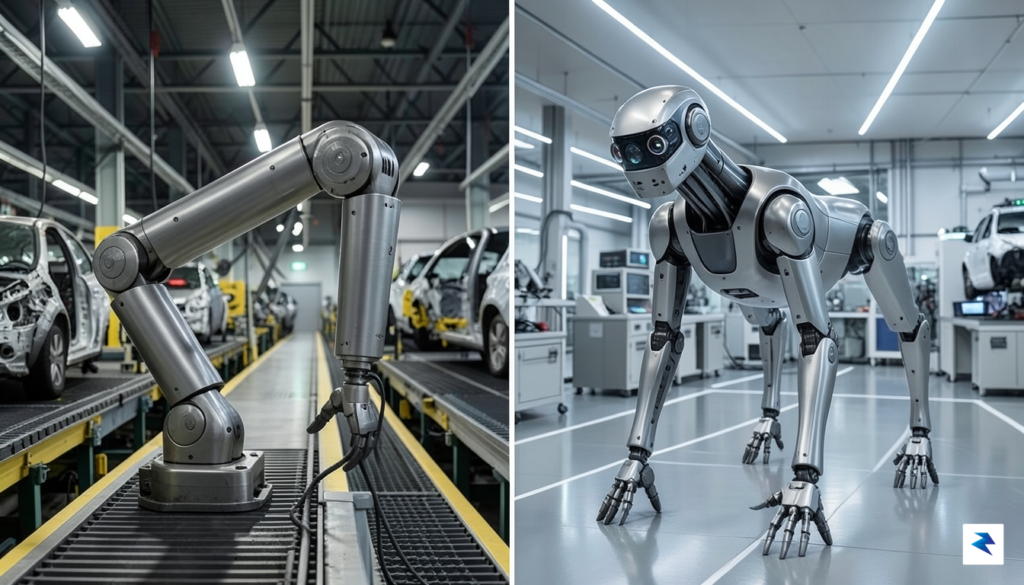
Hyundai’s acquisition of Boston Dynamics is far more than a high-profile corporate merger; it represents a fundamental shift in how the modern automotive giant envisions the future of production. By embedding advanced robotics directly into the heart of their manufacturing ecosystem, Hyundai is effectively transitioning toward the “Smart Factory” model, where the physical assembly line and the digital intelligence layer become indistinguishable. This integration allows Hyundai to leverage Boston Dynamics’ world-class hardware, such as the agile Atlas and the versatile Spot, to handle tasks that were previously too complex or hazardous for traditional, rigid industrial robots.
The manufacturing floor of the future will rely on these sophisticated machines to optimize logistics, material handling, and quality control with unprecedented precision. Instead of relying on static conveyor belts or human-operated forklifts, Hyundai’s factories are being reimagined as dynamic spaces where mobile robots navigate around obstacles, pick components with machine-vision accuracy, and communicate in real-time with centralized AI systems. This transition is not merely about replacing human labor, but rather about creating a symbiotic environment where robotics manage repetitive, heavy-lifting, and dangerous tasks, thereby elevating the safety standards for the entire workforce while minimizing human error in the assembly process.
Scaling Innovation Through Real-World Application
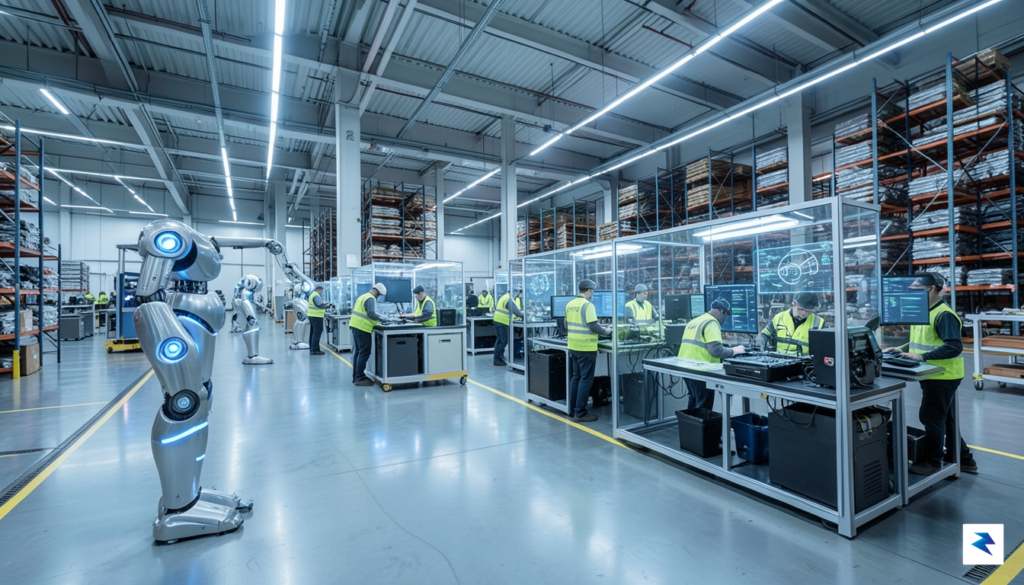
One of the most compelling aspects of this partnership is the sheer scale that Hyundai provides as a testing ground for Boston Dynamics’ technology. While robotics research often occurs in controlled laboratory settings, the automotive industry presents a high-stakes, high-volume environment that demands absolute reliability and efficiency. By deploying robotics across massive, global manufacturing facilities, Hyundai can iterate on software algorithms and hardware durability at a speed that standalone robotics companies simply cannot match. This feedback loop ensures that the robots are constantly learning from the chaotic, fast-paced reality of an active assembly plant, effectively turning the factory floor into a living laboratory for Industry 4.0 advancements.
The integration of robotics into automotive manufacturing is the cornerstone of the next industrial revolution, transforming how vehicles are designed, assembled, and delivered to the consumer.
Ultimately, this strategic synergy aims to revolutionize the entire lifecycle of car production. From the initial automated sourcing of raw materials to the final autonomous inspection of a completed vehicle, Hyundai is building a blueprint for a fully integrated, intelligent supply chain. As artificial intelligence continues to evolve, the data captured by these robots will provide Hyundai with granular insights into every stage of the manufacturing process, allowing for predictive maintenance and real-time process optimization. Through this union, Hyundai is positioning itself not just as a carmaker, but as a leader in the global robotics landscape, setting a new standard for how technology and manufacturing can harmonize to define the next century of industrial progress.
What This Means for the Future of Humanoid and Industrial Robotics
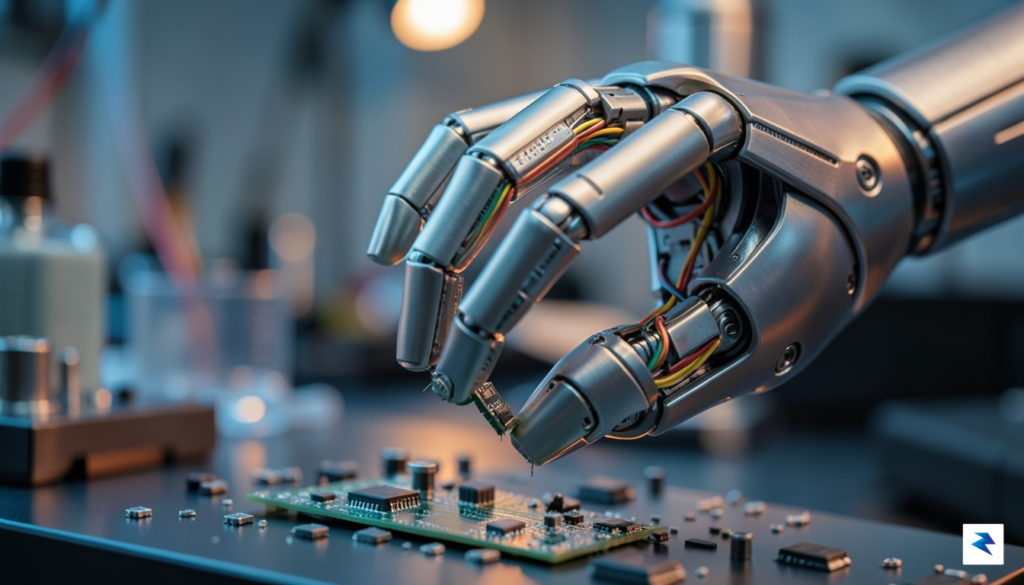
The acquisition of Boston Dynamics by Hyundai marks a definitive turning point where robotics transitions from experimental research projects into the backbone of global industrial infrastructure. For years, the awe-inspiring mobility of robots like Spot and the acrobatic prowess of Atlas were viewed primarily as technical marvels confined to controlled environments. However, by integrating these platforms with Hyundai’s massive manufacturing ecosystem, we are entering an era where agile, AI-driven machines will soon navigate the complexities of real-world warehouses and factory floors with unprecedented autonomy. This partnership provides the essential capital and scale needed to move beyond the prototype phase, forcing the broader robotics industry to pivot toward practical, high-volume deployment models.
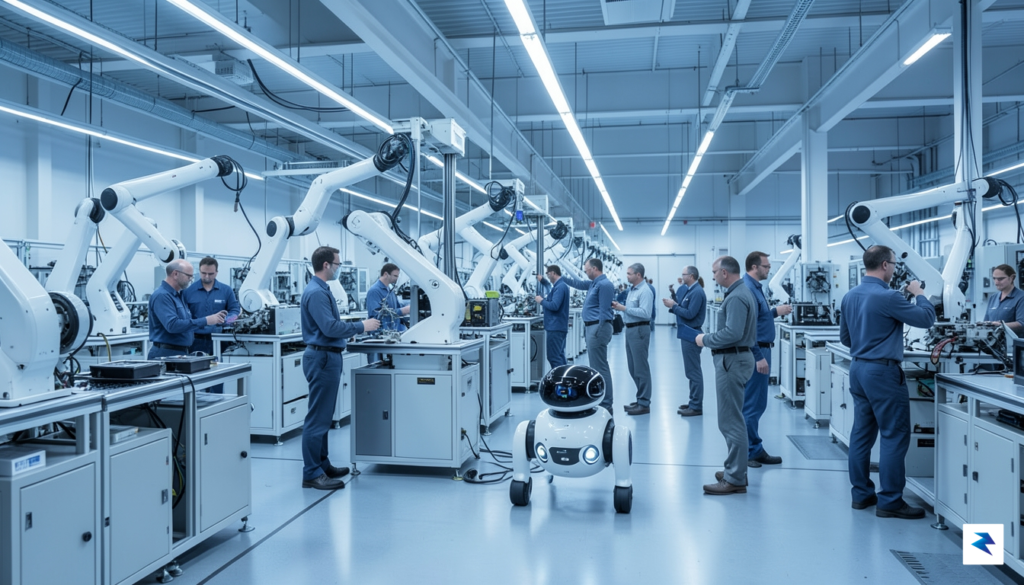
A primary driver of this evolution is the synergy between automotive manufacturing expertise and advanced robotics engineering. Hyundai brings a deep understanding of hardware durability, supply chain optimization, and mass production, which are the very elements Boston Dynamics needs to transform high-end research units into standardized commercial products. By applying rigorous automotive testing standards to robotic design, the collaboration will likely accelerate the transition toward more affordable, scalable units that can withstand the rigors of 24/7 industrial operations. This shift suggests that the days of prohibitively expensive, one-off robotic units are numbered; instead, we are approaching a market where “robots-as-a-service” becomes a standard operational expenditure for logistics companies and manufacturing firms alike.
The integration of Hyundai’s industrial scale with Boston Dynamics’ mobility software creates a blueprint for the next decade of automation, effectively bridging the gap between sophisticated laboratory concepts and utilitarian workplace reality.
Advancing AI-Driven Navigation and Humanoid Utility
Beyond simple hardware improvements, the integration of Hyundai’s vast data resources will act as a catalyst for refining AI-driven navigation systems. As robots move out of the lab and into bustling, unpredictable human-centric spaces, their ability to process sensory input and make real-time decisions becomes paramount. We can expect to see significant breakthroughs in how these machines interpret dynamic environments, allowing them to work safely alongside human teams without the need for complex, caged-off zones. This push toward higher intelligence ensures that humanoid and quadrupedal robots will become more than just mobile platforms; they will evolve into highly capable assistants capable of complex task execution, from inventory management in hazardous storage facilities to remote inspections in infrastructure sectors that are traditionally difficult for humans to access.
Ultimately, this acquisition signals to the entire robotics sector that the goalpost has moved from technical demonstration to operational reliability. Competitors and startups alike are now under increased pressure to demonstrate not just how their robots move, but how they contribute to the bottom line through efficiency, safety, and scalability. As Hyundai pushes to refine these technologies, the industry will undoubtedly see a ripple effect, with faster iteration cycles becoming the standard requirement rather than the exception. By fostering this culture of rapid development, the partnership is setting a new benchmark for what is possible, effectively signaling the beginning of a future where intelligent robotics are as ubiquitous in the workplace as the forklift or the conveyor belt.
Challenges and Opportunities in Scaling Advanced Robotics
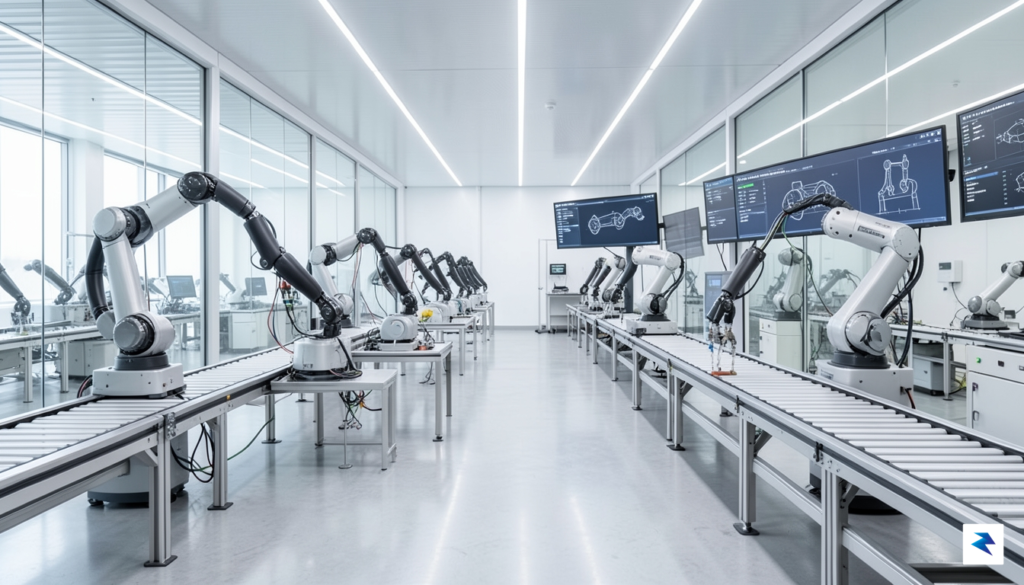
The transition from a specialized laboratory environment to the assembly line represents the infamous “valley of death” for many robotics startups. While Boston Dynamics has long been the gold standard for high-end, agile locomotion, moving from bespoke engineering prototypes to mass-produced units requires an entirely different set of industrial competencies. Hyundai’s manufacturing prowess is expected to bridge this gap, yet the challenges remain significant. Specifically, the production of high-torque actuators, specialized sensors, and complex articulated joints at scale demands a level of supply chain precision and cost-efficiency that has historically been the primary barrier to widespread robotics adoption.
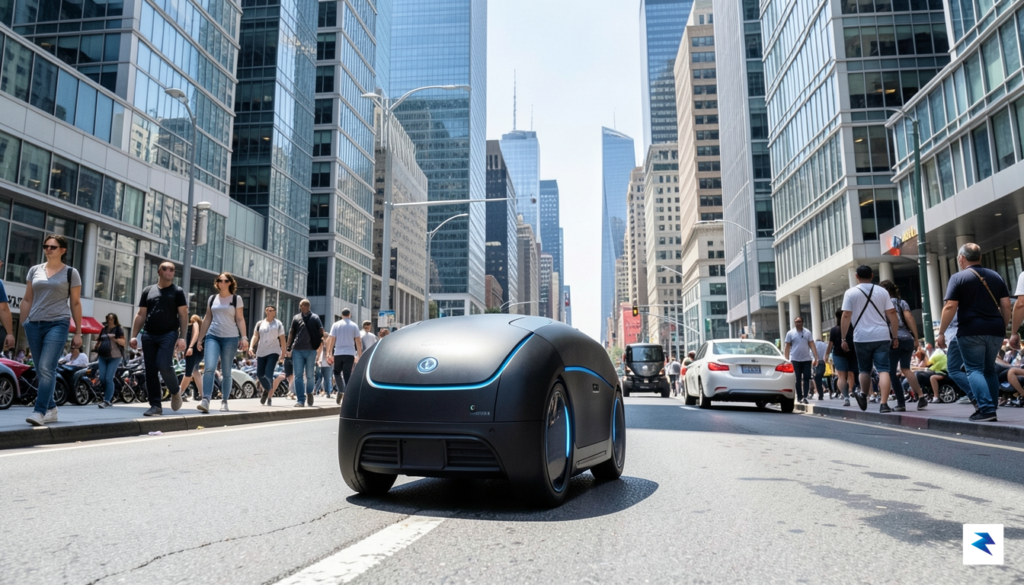
Beyond the logistical hurdles of manufacturing, the integration of robots into human-centric environments introduces complex safety and regulatory considerations. As machines like Spot or Atlas move out of controlled research facilities and into hospitals, warehouses, or public construction sites, the necessity for robust safety protocols becomes paramount. Engineers must now account for unpredictable human behavior and environmental variables that cannot be fully simulated in a lab. Consequently, Hyundai must prioritize the development of sophisticated collision-avoidance systems and intuitive human-robot interaction frameworks to ensure that these autonomous agents can coexist safely alongside workers and the general public without causing harm or disruption.
The true measure of robotics success will not be found in the complexity of a backflip, but in the reliability and safety of a robot performing mundane, repetitive tasks in the presence of humans.
Furthermore, the long-term societal impact of scaling advanced robotics cannot be ignored, particularly regarding labor dynamics and ethical decision-making. The automation of tasks once reserved for humans invites critical questions about workforce displacement and the evolving nature of skill requirements in the modern economy. Hyundai faces the dual challenge of navigating these ethical waters while simultaneously pushing the envelope of machine autonomy. By fostering transparent development practices and engaging with regulatory bodies, the company has an opportunity to set the standard for how autonomous machines are deployed in society. Ultimately, if managed responsibly, this shift has the potential to alleviate dangerous labor conditions and augment human capabilities, provided that the focus remains on collaboration rather than simple replacement.
Navigating the Path Forward
- Industrial Scalability: Transitioning from custom-built components to standardized, cost-effective hardware manufacturing.
- Safety Paradigms: Implementing fail-safe mechanisms that prioritize human wellbeing in dynamic, unscripted environments.
- Ethical Governance: Addressing the social implications of autonomous systems in the workforce through proactive policy and transparent design.