
The Persistent Grip of Inflation
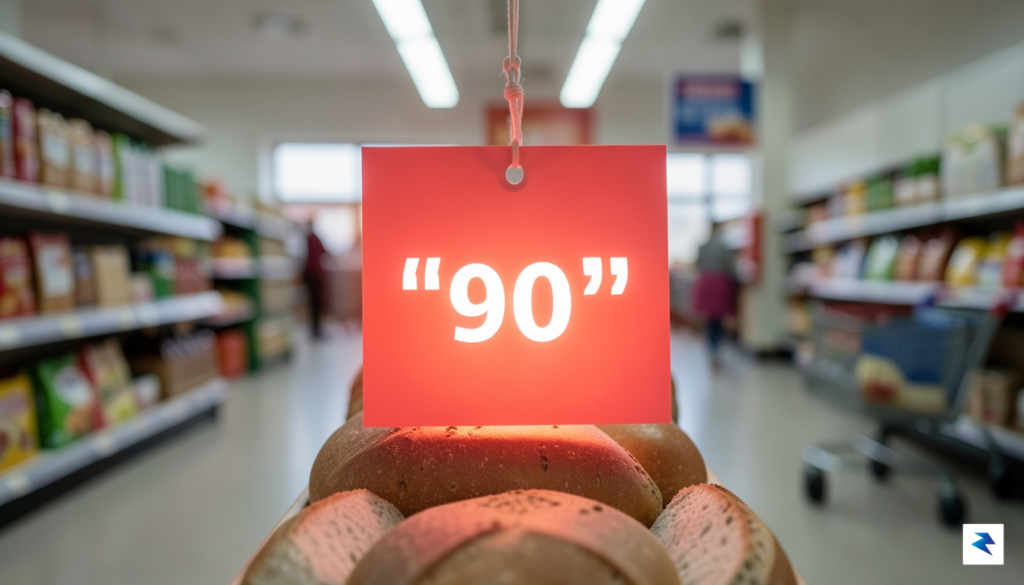

While geopolitical breakthroughs often trigger immediate, optimistic reactions on global trading floors, the transition from diplomatic progress to consumer relief is rarely instantaneous. Inflation has proven remarkably “sticky” because it is driven by complex, structural foundations that do not shift simply because international tensions subside. Even when a deal is signed or trade routes begin to stabilize, the underlying costs of labor, logistics, and supply chain management remain elevated. These factors act as a floor for prices, preventing the rapid deflationary trend that many hope to see following positive diplomatic developments.
A primary driver of this stubbornness is the nature of services inflation, which is fundamentally different from the volatile price fluctuations seen in energy or raw commodities. Unlike the price of a barrel of oil, which can drop overnight due to a new trade agreement, the cost of services—such as healthcare, education, and hospitality—is deeply linked to wage growth and long-term contracts. Businesses are often hesitant to lower their prices until they are certain that their own operational costs, particularly payroll, have stabilized for the long term. Consequently, even if fuel costs dip, firms are likely to retain higher price points to offset the increased labor expenses they have absorbed over the previous two years.
“The lag between a geopolitical thaw and the checkout counter is measured in months, not days. Inflation is not a light switch that flips off; it is a heavy machine that requires significant inertia to change direction.”
Furthermore, there is an inherent lag between the easing of global commodity pressures and the actual adjustment of retail prices. The goods currently sitting on store shelves were manufactured and transported during a period of peak cost, meaning that retailers must recoup those expenses before they can pass any savings on to the consumer. Supply chains are notoriously slow to reset, and the administrative overhead required to recalibrate pricing models means that any relief from a diplomatic breakthrough will take several quarters to permeate the economy.
Ultimately, macroeconomic indicators such as consumer price indices are influenced by more than just international treaties; they reflect deep-seated monetary policies and domestic demand levels that operate independently of foreign policy. While the easing of tensions between the U.S. and Iran provides a welcome buffer against further energy shocks, it does not solve the fundamental supply-demand imbalances that persist in the post-pandemic era. Consumers should therefore prepare for a period where the cost of living remains high, as the “sticky” nature of the current economic environment requires a sustained, multi-layered approach to fully unwind.
Geopolitical Instability and Global Supply Chains

The persistent volatility in the Middle East functions as a primary engine for global economic instability, acting as a constant undercurrent that prevents inflationary pressures from subsiding. At the heart of this tension is the region’s role as a critical artery for global energy markets. When geopolitical friction escalates near the Strait of Hormuz or other vital chokepoints, the immediate reaction is a spike in crude oil and natural gas prices. Because these energy commodities serve as the fundamental inputs for virtually every sector of the modern economy—from manufacturing and agriculture to transportation—even minor fluctuations in regional security translate into direct cost increases for businesses and consumers alike. Investors and market analysts remain perpetually wary, as the threat of localized conflict spilling into broader regional confrontation keeps a “risk premium” attached to the price of every barrel of oil.

Beyond the direct impact on energy prices, the ongoing instability has forced a fundamental rethink of global logistics and maritime trade routes. Shipping companies are increasingly compelled to navigate around high-risk zones, a decision that necessitates longer transit times and significantly higher operational expenses. These logistical detours require more fuel, additional crew hours, and complex insurance premiums that have skyrocketed in response to the heightened threat environment. As these costs mount, they are inevitably passed down the supply chain, culminating in higher prices on the retail shelves. The efficiency that once defined global trade is being systematically dismantled by the necessity of security-driven rerouting, creating a permanent drag on the speed and affordability of global commerce.
The uncertainty surrounding Middle Eastern trade routes acts as a persistent ‘inflationary tax,’ forcing businesses to maintain higher price buffers to survive the next potential supply chain shock.
Perhaps the most insidious effect of this geopolitical uncertainty is the psychological and strategic impact on corporate planning. Businesses today operate under the assumption that the global trade landscape is no longer predictable, leading them to abandon the “just-in-time” inventory models that once kept inflation low. Instead, companies are holding larger safety stocks and diversifying their suppliers at great expense, effectively baking higher costs into their long-term operational strategies. As long as the threat of sudden supply chain disruptions remains a daily reality, firms are unlikely to lower these price buffers. Consequently, even as central banks attempt to cool the economy through monetary policy, the structural costs imposed by regional instability ensure that inflation remains stubbornly elevated, resisting traditional efforts to bring it back to target levels.
The Bank of England’s Dilemma

The Bank of England currently finds itself navigating a treacherous economic tightrope, forced to balance the persistent heat of domestic inflation against the cooling embers of national growth. By opting for a cautious “wait-and-see” approach, policymakers are signaling that they are not yet convinced the battle against rising prices has been won. This strategy is rooted in a fundamental fear: that premature interest rate cuts could inadvertently reignite consumer spending and wage growth, thereby anchoring inflation at an uncomfortably high level for years to come. Consequently, officials have chosen to maintain higher borrowing costs, effectively prioritizing price stability over the immediate relief of households and businesses grappling with expensive credit.
This deliberate hesitation is underscored by a deep-seated apprehension regarding the risks of acting too hastily. If the central bank were to lower rates before inflation is firmly on a downward trajectory toward its two-percent target, they risk damaging their hard-won credibility and necessitating even more drastic, painful interventions later. Conversely, keeping rates elevated for an extended period creates its own set of dangers. By tightening the financial screws too firmly, the Bank of England inadvertently risks stifling economic momentum, potentially pushing the United Kingdom into a self-inflicted recession. This tension between curbing runaway prices and preventing a contraction in output has paralyzed traditional forecasting models, as geopolitical volatility—including fluctuating energy prices—threatens to undo progress made through monetary tightening.
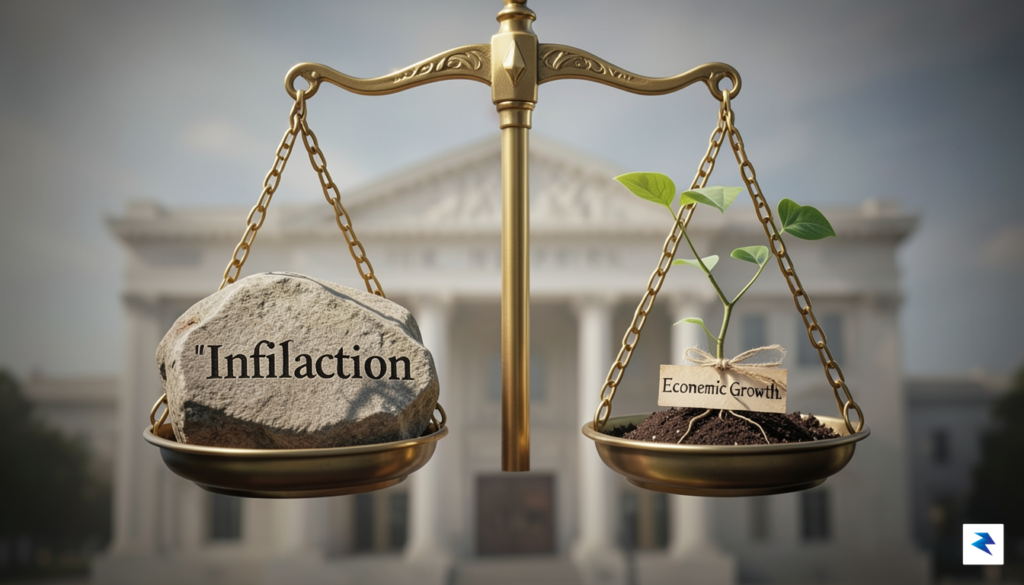
The core of the Bank’s challenge lies in distinguishing between transient spikes in costs caused by global trade disruptions and the structural, sticky inflation embedded within the domestic labor market.
Ultimately, the central bank’s decision to hold is less about complacency and more about the lack of clear data. Policymakers are watching wage settlements and services inflation with eagle eyes, looking for definitive proof that the economy is cooling sufficiently to allow for a pivot. While the general public may feel the strain of high mortgage rates and expensive loans, the Bank of England remains tethered to a restrictive policy framework, betting that a period of stagnant growth is a smaller price to pay than a future defined by uncontrolled, hyper-persistent inflation. As external pressures from energy markets and geopolitical instability continue to loom, this high-stakes game of economic patience shows no sign of ending in the immediate future.
What This Means for Households and Borrowers

For the average household, the prospect of interest rates remaining “higher for longer” is a signal that the era of cheap credit has firmly come to an end. When central banks choose to hold rates steady rather than slash them, mortgage holders—particularly those on variable-rate deals or those nearing the end of fixed-term contracts—should prepare for sustained pressure on their monthly budgets. The days of refinancing into significantly lower monthly payments are likely on hold, meaning that household liquidity will remain tight as a larger share of income continues to be diverted toward debt servicing. For savers, this environment offers a silver lining, as high-yield savings accounts and money market funds finally provide a meaningful return; however, this must be weighed against the persistent erosion of purchasing power caused by inflation that refuses to return to target levels.
Navigating this economic landscape requires a shift in mindset from growth-at-all-costs to a strategy of disciplined preservation. First, households should conduct a thorough audit of their debt, prioritizing the retirement of high-interest consumer debt like credit cards, which are particularly punitive in a high-rate environment. By shifting focus toward aggressive debt reduction, you mitigate the risk of rising interest costs impacting your financial autonomy. Furthermore, building a robust emergency fund has never been more critical; aim to cover at least six months of essential living expenses in a high-yield vehicle that keeps pace with current interest rates, ensuring that your capital remains accessible yet productive.
The primary goal in a persistent inflation cycle is not necessarily to seek out high-risk gains, but to protect the real value of your assets while maintaining the flexibility to cover rising living costs.
Looking toward the long term, purchasing power will likely remain under pressure until global supply chains fully stabilize and energy markets find a consistent equilibrium. Households should assume that the prices of essential goods—groceries, fuel, and utilities—will not see a dramatic “reset” downward, but rather a slow stabilization at this elevated plateau. To manage this reality, consider the following actionable steps:
- Budget for “Sticky” Inflation: Plan your annual budget assuming that discretionary costs will remain high, and prioritize essential spending categories to avoid dipping into long-term savings.
- Maximize Interest Income: Do not let cash sit in a traditional checking account earning near-zero interest; move excess liquidity into accounts that capitalize on the current rate environment.
- Review Fixed Contracts: Take a proactive approach to recurring expenses like insurance premiums, internet services, and subscriptions, as renegotiating these contracts is the fastest way to claw back lost purchasing power.

Ultimately, the economic reality behind these geopolitical shifts suggests that patience is the most valuable asset in your financial toolkit. While it is tempting to look for short-term relief, the current environment rewards those who maintain a long-term outlook and avoid over-leveraging their personal finances. By adjusting your expectations to account for higher costs and focusing on compounding interest rather than debt accumulation, you can build the resilience necessary to withstand the fluctuations of the global economy.