
The Psychology of Mindful Digital Consumption

In our current digital landscape, the act of picking up a smartphone has largely transitioned from a conscious decision to a reflexive impulse. We live in the heart of the “attention economy,” where platforms are meticulously engineered to bypass our rational decision-making processes and tap directly into our reward centers. Every notification, infinite scroll feature, and algorithmically curated suggestion is designed to foster a state of “autopilot” consumption. In this state, we are not truly choosing to engage with content; rather, we are reacting to a series of psychological triggers that keep us tethered to our screens long after our initial utility-based tasks are complete.
This cycle of compulsion is rooted in the architecture of modern apps, which leverage intermittent variable rewards—much like a slot machine—to keep us perpetually curious about what might appear next. When we scroll mindlessly, we aren’t necessarily seeking information or connection; we are seeking the next dopamine hit, a fleeting sensation that evaporates the moment the screen goes dark. This passive consumption creates a profound disconnect between our intentions and our actions, leading to that common, sinking feeling of having “lost” hours of our day to a digital void. It is a subtle but pervasive form of cognitive depletion that leaves us feeling drained rather than informed or inspired.

To break this cycle, we must distinguish between passive consumption and active engagement. Passive consumption is the byproduct of mindless scrolling, where the brain enters a low-energy, hypnotic state that prioritizes immediate gratification over meaningful interaction. Conversely, active engagement requires a deliberate, intentional choice to use technology as a tool to achieve a specific goal or to derive genuine value. The transition between these two states is the essence of digital mindfulness; it is the act of reasserting agency over our own attention span.
True digital wellness is not found in the total abandonment of our devices, but in the conscious cultivation of a deliberate relationship with them.
Ultimately, a paradigm shift is required. Rather than relying solely on restrictive measures or harsh time limits—which often breed frustration and eventual rebellion—we must foster a sense of conscious awareness. This means learning to recognize the internal cues that signal when we are drifting into autopilot mode. By pausing to ask ourselves why we are opening an app and what we hope to gain from the interaction, we transform our digital habits from an unconscious compulsion into a thoughtful, curated experience. This internal pivot is the foundation of a healthier, more sustainable connection to the digital world, allowing us to reclaim the time and mental clarity that once slipped away in the haze of an infinite feed.
How Mivo Redefines Screen Time Management
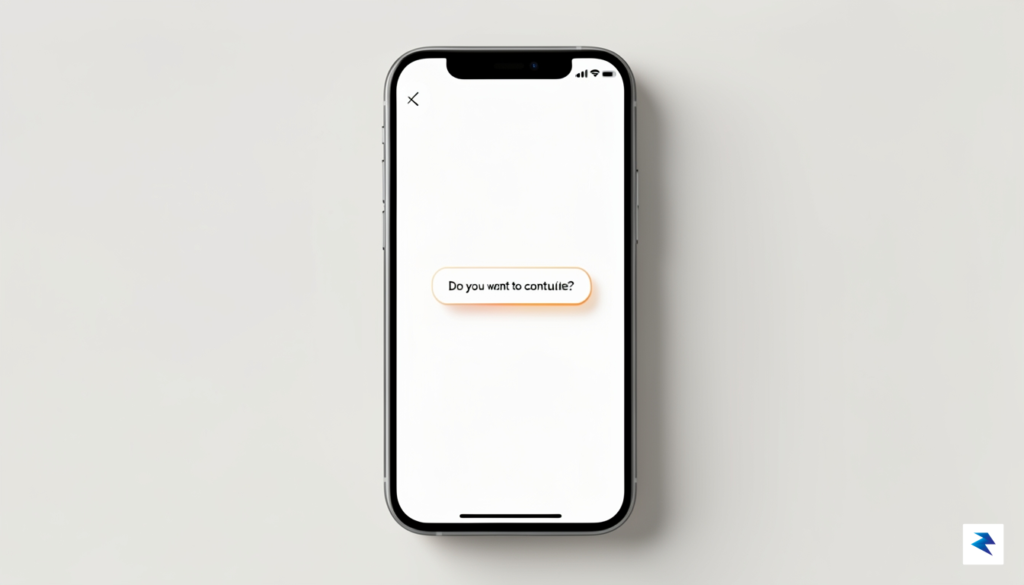
In a digital landscape often characterized by restrictive screen time solutions, Mivo emerges with a refreshingly empowering philosophy. Rather than acting as a digital bouncer, locking you out of your favorite applications once a limit is reached, Mivo embraces a unique approach centered on user autonomy and informed decision-making. Its core design principle shifts the focus from punitive blocking to gentle nudges, restoring a sense of agency to individuals navigating their digital lives. This subtle yet profound distinction transforms screen time management from a struggle against a system into a mindful collaboration with a tool designed to support personal wellbeing, fostering a healthier relationship with technology without feeling censored or controlled.
The ingenious mechanism behind Mivo’s intervention lies in its non-intrusive approach to app limits. When you approach or exceed a pre-set usage threshold for an application, Mivo doesn’t immediately shut it down. Instead, it introduces a momentary pause, a deliberate interruption that serves as a gentle reminder rather than an abrupt halt. This critical pause is designed to break the often unconscious flow of digital engagement, giving you a chance to reflect on your current activity. It’s a sophisticated method of fostering self-awareness, ensuring that while you remain in full control, you also gain a clearer perspective on your usage patterns and the choices you are making in real-time.
When an app timeout occurs, the user experience is thoughtfully crafted to be supportive and insightful. Instead of a blank wall or a forceful exit, Mivo presents a clear, customizable overlay on your screen. This overlay typically displays your current usage for that specific app, along with a personalized message or insight, and most importantly, a set of explicit options. You might be prompted to acknowledge that you’ve reached your limit, offered the choice to gracefully close the app, or given the option to consciously extend your session for a predefined period. This isn’t about guilt or shame; it’s about providing transparency and the power to choose your next action deliberately, rather than succumbing to an unthinking impulse.
This pivotal ‘choice’ moment is where Mivo truly shines in its ability to disrupt impulsive behavior loops. Many of us find ourselves mindlessly scrolling or clicking, moving from one digital task to the next without a conscious decision. Mivo’s intervention creates a crucial pause in this automatic chain, forcing a moment of mindfulness. It prompts a fundamental question: “Do I genuinely wish to continue this activity right now, or am I merely acting out of habit?” By presenting this explicit decision point, Mivo empowers users to step back, evaluate their intentions, and consciously decide whether to proceed or pivot to another activity, effectively breaking the cycle of unintentional over-engagement and fostering a more intentional interaction with their devices.
Ultimately, Mivo redefines screen time management not as an external force imposing restrictions, but as an internal dialogue facilitated by intelligent software. It transforms a potentially frustrating limitation into an opportunity for growth and self-awareness. By consistently returning the power of decision to the user, Mivo cultivates a deeper understanding of one’s own digital habits and preferences. This unique blend of gentle guidance and unwavering user agency ensures that managing screen time becomes an empowering act of self-care, leading to a more balanced, intentional, and ultimately more fulfilling digital life.
The Science Behind Intentional Usage
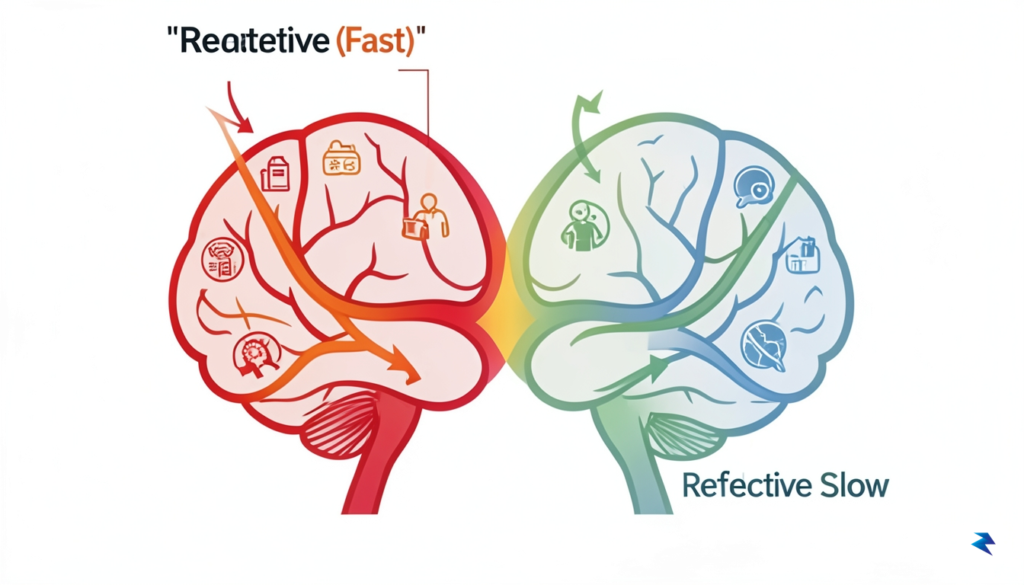
To understand why we often find ourselves mindlessly scrolling for hours, we must first look at the duality of the human mind. Behavioral psychologists often categorize our thought processes into two distinct systems: System 1 and System 2. System 1 is our fast, intuitive, and emotional brain—the part that reacts instantly to the dopamine hit of a notification or the infinite scroll of a social media feed. In contrast, System 2 is the slow, analytical, and deliberate part of our cognition, responsible for complex decision-making and rational self-control. When we reach for our phones, we are almost exclusively operating within the confines of System 1, bypassing the very faculty that allows us to weigh our long-term goals against short-term impulses.
Mivo is designed to bridge this gap by introducing what researchers call a “micro-pause.” By forcing a brief, gentle interruption before you dive into a high-distraction application, the app creates a necessary window of time for your prefrontal cortex to wake up. This small delay acts as a circuit breaker for your habitual impulses, effectively shifting your brain from the reactive, automated state of System 1 into the conscious, evaluative state of System 2. Instead of simply being blocked from your apps, you are invited to acknowledge your intent, which fundamentally changes your relationship with the device from one of passive consumption to active participation.
The power of a micro-pause lies not in restriction, but in the restoration of choice. By creating a deliberate gap between impulse and action, we regain the executive control necessary to live intentionally in a digital-first world.
Many traditional screen-time solutions rely on aggressive habit-blocking, which often triggers a psychological phenomenon known as “reactance”—a defensive response where we feel our freedom is threatened, leading us to crave the restricted activity even more. Mindfulness-based tools take a different, more sustainable approach. Rather than imposing an external limitation that encourages rebellion, Mivo encourages internal awareness. Research suggests that mindfulness training is far more effective for long-term behavioral change because it strengthens the neural pathways associated with self-regulation. By practicing this momentary pause regularly, you aren’t just limiting your screen time; you are training your brain to pause, reflect, and decide before acting, a skill that translates far beyond the confines of your smartphone screen.

Strategies for Building a Healthier Relationship with Technology

While digital tools like Mivo serve as excellent catalysts for change, achieving genuine digital wellness requires a holistic shift in how we inhabit our physical and virtual spaces. Relying solely on software guardrails can sometimes lead to a “set it and forget it” mentality, which often fails to address the underlying psychological impulses that drive mindless scrolling. To foster a sustainable lifestyle, you must complement your digital boundaries with intentional offline habits that prioritize presence and mental clarity over constant connectivity.
Curating Your Digital Environment
The first step toward reclaiming your time is to perform a rigorous digital decluttering. Start by auditing your home screen; remove any app that triggers feelings of inadequacy, anxiety, or mindless consumption. If an application does not serve a specific, functional purpose in your daily life, it is likely cluttering your mental bandwidth. Furthermore, consider turning off all non-essential notifications. By restricting alerts to only those from actual people—rather than automated marketing or engagement bait—you transition from a reactive state of constant interruption to a proactive state where you choose when to engage with your device.

Creating Boundaries with Intentionality
Establishing “tech-free zones” within your home is one of the most effective ways to preserve your cognitive health. Designate areas such as the dining table or the bedroom as strictly analog spaces. By keeping your phone in another room during meals or while you sleep, you naturally replace the habit of passive consumption with meaningful conversation or restorative rest. When you do sit down to use your devices, practice the art of purposeful browsing. Before unlocking your screen, ask yourself: What is my intent? If you cannot articulate a specific reason for being online, it is likely that you are slipping into escapism, which is a clear sign that it is time to put the device away.
True digital wellness is not about avoiding technology entirely, but about ensuring that your tools serve your goals rather than dictating your attention.
Finally, perform a regular audit of your relationship with specific apps by assessing how you feel immediately after closing them. Do you feel invigorated, informed, and connected, or do you feel drained and scattered? If a particular platform consistently leaves you feeling depleted, it may be time to uninstall it or replace it with a hobby that engages your senses in the physical world. Building a healthier relationship with technology is an ongoing process of refinement, requiring you to be as mindful of your offline environment as you are of your screen time metrics.
What Sets Mivo Apart from Traditional App Blockers
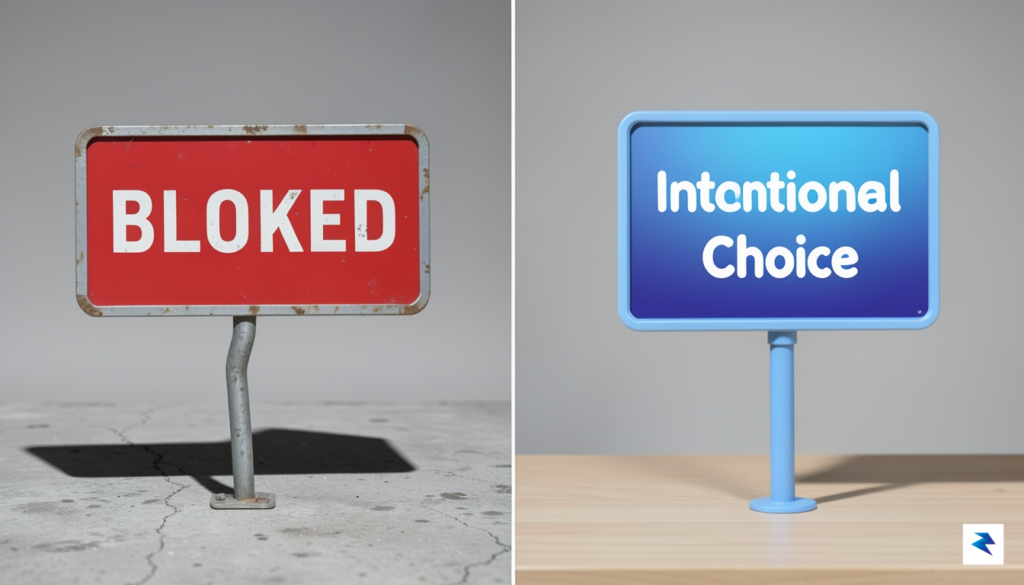
For years, the digital wellbeing market has relied on a somewhat punitive philosophy: if you cannot control your usage, the system will do it for you. Traditional app blockers often operate like digital jailers, slamming the door shut once a user hits a predefined time limit. While this “nuclear option” provides a temporary sense of control, it frequently triggers a psychological phenomenon known as reactance. When a person is suddenly cut off from an app they enjoy or rely on, they often experience frustration and a subconscious desire to “reclaim” that time later, leading to intense bouts of rebound usage that completely undermine the initial goal of restriction.
Mivo approaches the challenge of screen time through an entirely different lens, moving away from restrictive barriers and toward the principles of cognitive recalibration. Instead of treating the user like a child who needs to be punished, Mivo acts as a gentle, conscious nudge during moments of potential mindless scrolling. By prioritizing self-awareness over sheer prohibition, the app helps users understand the “why” behind their habits. This educational framework ensures that the user is not just following a set of arbitrary rules, but is actively learning how to recognize their own impulses, ultimately fostering a more intentional relationship with their devices that persists even when they are offline.
The primary flaw in traditional blocking software is that it addresses the symptom—excessive screen time—without ever treating the underlying cause of habitual engagement. When an app is blocked, the user is left with a void, often resulting in “digital hopping,” where they simply switch from one distracting platform to another just to satisfy the same craving for stimulation. Mivo differentiates itself by focusing on the transition between intention and action. By inviting the user to pause and reflect on their goals before they fully immerse themselves in a session, the app creates a necessary gap for conscious choice.
Empowering the user through mindfulness creates a sustainable feedback loop, transforming passive consumption into deliberate action.
Ultimately, this strategy is vastly superior for long-term digital health because it builds internal resilience rather than relying on external constraints. By empowering users to maintain autonomy, Mivo respects the nuance of daily life; there are times when using an app for an extended period is genuinely productive or rewarding, and times when it is simply a byproduct of boredom. By helping users distinguish between these states, Mivo provides the tools for lasting behavior change that punitive blockers simply cannot replicate. Instead of training users to fight against an invisible wall, Mivo trains them to become the architects of their own attention.