
The New Frontier of Educational Policy

Norway’s recent decision to implement a near-total ban on artificial intelligence tools within its elementary school system marks a dramatic shift in how developed nations approach the integration of technology in the classroom. While many countries have rushed to adopt generative AI, treating it as an inevitable and essential upgrade to the modern curriculum, Norwegian authorities have chosen to hit the pause button. By strictly limiting these tools, the government is signaling that the fundamental development of a child—specifically their cognitive, social, and critical thinking skills—should take precedence over the efficiency gains promised by algorithmic software. This policy is not merely a temporary restriction; it is a profound statement on the value of human-centric pedagogy in an increasingly automated world.
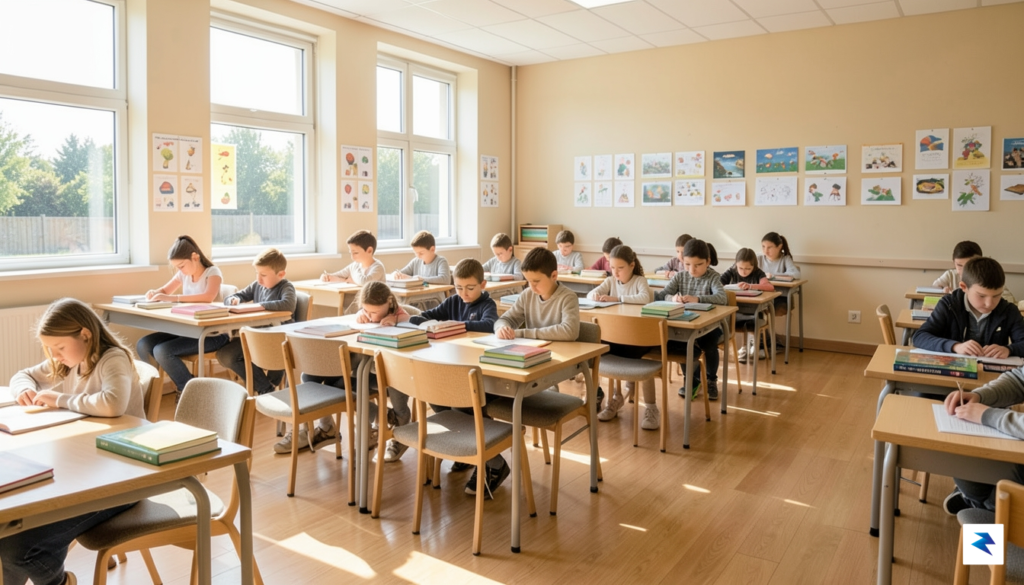
At the heart of this policy is a rigorous concern for student privacy and the security of sensitive data. In the eyes of Norwegian regulators, the risks associated with feeding information into massive, opaque AI models far outweigh the benefits for young learners. When children engage with these platforms, they often inadvertently hand over personal data, behavioral patterns, and academic progress metrics to corporations that operate with minimal transparency. By distancing elementary education from these digital systems, Norway is effectively creating a “data-protected” zone, ensuring that the formative years of a child’s life are not recorded, analyzed, or monetized by third-party tech giants.
The decision reflects a fundamental belief that education must prioritize the development of the human mind through direct, analog engagement, rather than delegating the cognitive burden to a machine during the earliest stages of intellectual growth.
This approach stands in stark contrast to the “tech-first” philosophies prevalent in other parts of the world, where the rapid integration of AI is often viewed as a competitive necessity for future workforce preparation. While nations like the United States or Singapore often pilot new software with the goal of scaling it as quickly as possible, Norway’s stance is rooted in a precautionary principle. The core philosophy here is that early childhood education should remain fundamentally analog-focused to foster deep concentration and authentic interpersonal communication. By preserving the traditional classroom dynamic, Norwegian educators aim to protect students from the potential atrophy of critical thinking skills—a phenomenon that many fear occurs when students rely on AI to summarize texts or generate foundational knowledge before they have fully mastered the subjects themselves.
Ultimately, this policy shift suggests that the future of education may not be defined by who uses the most advanced tools, but by who best protects the integrity of the learning process. By prioritizing traditional teaching methods, Norway is betting that students who develop their intellects without the crutch of algorithmic assistance will be better equipped to handle the complexities of the digital age later in life. Whether this bold, analog-first strategy will be adopted by other nations remains to be seen, but it has undoubtedly set a new benchmark for global educational policy in the era of artificial intelligence.
The Risks Behind the Ban: Privacy and Cognitive Development
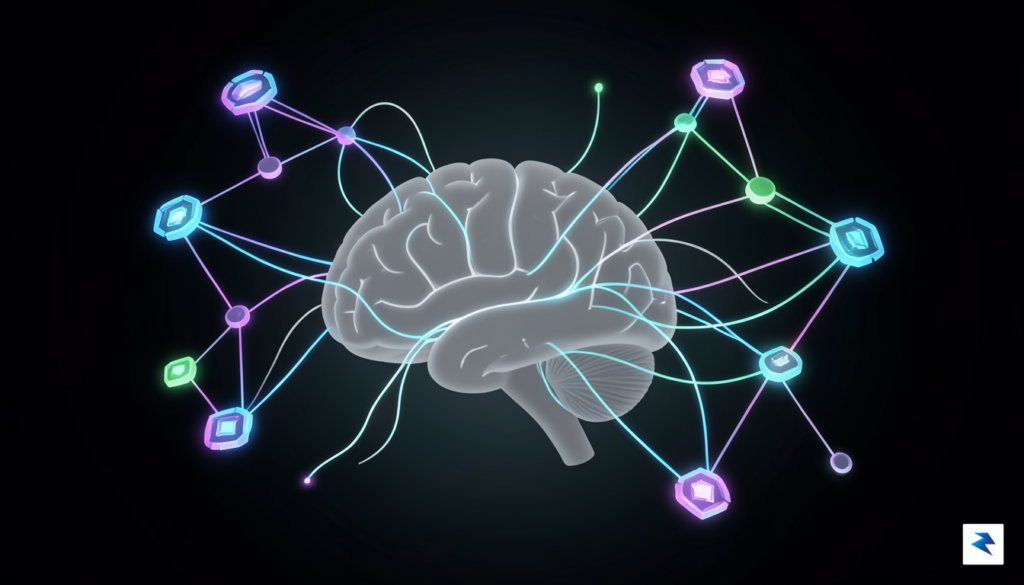
Norway’s decision to nearly ban artificial intelligence in elementary schools isn’t merely a precautionary measure against novel technology; it stems from a profound apprehension about its fundamental impact on young, developing minds and the sanctity of personal data. Behind the legislative move lie deeper concerns about how AI interacts with sensitive personal data and the potential for these powerful tools to inadvertently displace the very skills children need to thrive in a complex world. This proactive stance reflects a growing global dialogue about responsible AI deployment, particularly when it involves the most vulnerable members of society.
At the forefront of these concerns is the pervasive issue of data privacy. AI systems, by their very nature, thrive on data, constantly collecting and analyzing information to personalize experiences or improve algorithms. In an educational setting, this means potentially harvesting sensitive details about students’ learning patterns, academic performance, behavioral tendencies, and even biometric data, often without clear consent or transparent mechanisms for how this data is stored, shared, or protected. For young children, who lack the capacity to fully understand or consent to such data collection, the risks are amplified. Their digital footprints, established during formative years, could follow them indefinitely, raising significant questions about long-term privacy, potential commercial exploitation, and vulnerability to security breaches.
Furthermore, the inherent risk of algorithmic bias looms large. AI models are trained on vast datasets, and if these datasets reflect existing societal biases—whether racial, gender, socioeconomic, or otherwise—the AI will inevitably perpetuate and even amplify those biases. In a classroom context, this could manifest in AI systems making unfair assessments of students, recommending inappropriate learning paths, or inadvertently reinforcing stereotypes. Such biased outputs could disproportionately affect certain student groups, hindering their educational progress and reinforcing inequalities, rather than fostering an equitable learning environment. Ensuring fairness and equity in AI is a monumental challenge, especially when applied to diverse student populations.
Beyond data and bias, educators and developmental psychologists alike express significant apprehension regarding AI’s potential to inadvertently stunt the growth of essential cognitive abilities. When AI tools offer instant answers, automate tasks, or guide students step-by-step through problems, they risk short-circuiting the vital process of critical thinking, independent analysis, and trial-and-error learning. These are the very “deep work” exercises that build resilience, foster problem-solving skills, and encourage genuine intellectual curiosity during formative years. Over-reliance on AI could lead to a generation less adept at grappling with complex problems, synthesizing information from disparate sources, or formulating original thoughts.
The psychological and social impacts are equally compelling. Learning is not solely an individual endeavor; it is deeply intertwined with social interaction, peer-to-peer collaboration, and the nuanced feedback from human teachers. Replacing these invaluable interactions with machine-generated feedback or AI-driven companions could diminish opportunities for developing crucial social skills, empathy, and emotional intelligence. Children learn by negotiating, debating, sharing, and understanding diverse perspectives—experiences that are difficult, if not impossible, to replicate through solely AI-mediated interactions. Stripping away these human elements could lead to children who are academically proficient but socially underdeveloped, impacting their overall well-being and future success.
Balancing Innovation with Classroom Integrity

The rapid integration of artificial intelligence across various sectors has undeniably reshaped how industries operate, from healthcare diagnostics to financial modeling. Yet, the elementary classroom presents a fundamentally different landscape, one where the very definition of progress must be carefully weighed against the core mission of education itself. Unlike a factory floor optimized for efficiency, the learning environment is a complex ecosystem designed not just to transmit information, but to cultivate critical thinking, creativity, and the resilience that comes from genuine intellectual effort. This distinction lies at the heart of the pedagogical arguments for maintaining a ‘human-in-the-loop’ environment, particularly during the formative years.
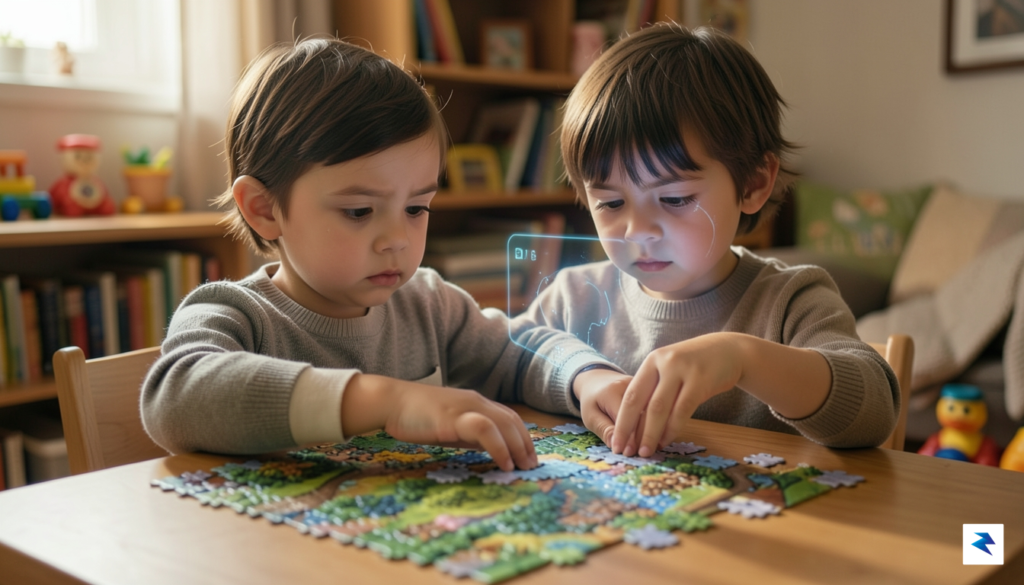
One of the most compelling arguments for limiting AI in early education revolves around the pedagogical value of struggle. When a student grapples with a challenging math problem, crafts a narrative from scratch, or researches a historical event without instant answers, they engage in a process that builds far more than just correct solutions. This struggle fosters problem-solving skills, deepens comprehension, and strengthens neural pathways. It’s in the wrestling with concepts, the trial-and-error, and the eventual breakthrough that true understanding takes root, rather than simply accepting an answer generated by an algorithm. Removing AI shortcuts ensures that children experience the vital, albeit sometimes frustrating, journey of discovery.
Indeed, bypassing these crucial steps can inadvertently hinder the development of foundational knowledge across key subjects. In writing, for instance, relying on AI for grammar correction or even idea generation can prevent students from developing their own voice, understanding sentence structure, or mastering the nuanced art of argumentation. Similarly, in mathematics, having an AI instantly solve complex equations denies students the opportunity to understand the underlying principles, sequential logic, and various problem-solving strategies. For history, AI might quickly summarize facts, but it cannot replicate the critical thinking required to analyze primary sources, understand different perspectives, or synthesize information into a cohesive narrative, skills essential for robust intellectual development.

This shift also profoundly redefines the role of the teacher. In a classroom heavily reliant on AI, the educator risks becoming less of a mentor guiding intellectual exploration and more of a proctor overseeing technological interactions. However, when AI is removed from the immediate problem-solving loop, teachers are freed to focus on their invaluable role: inspiring curiosity, facilitating collaborative learning, providing personalized feedback that goes beyond mere correctness, and helping students navigate the complexities of abstract thought. This human connection and individualized guidance are irreplaceable, fostering not just academic growth but also emotional and social development.
Ultimately, a return to more traditional, human-centered methods in elementary education is not a rejection of progress, but a strategic investment in long-term cognitive development. The sustained effort required to learn without constant digital assistance builds resilience, an essential life skill that extends far beyond academics. Furthermore, the active recall and processing involved in traditional learning methods are known to enhance long-term memory formation significantly more than passively consuming AI-generated content. By intentionally creating an environment where children must engage deeply with their learning, schools are ensuring that foundational knowledge is robust, critical thinking is ingrained, and students develop the capacity for independent thought necessary to thrive in an increasingly complex world, regardless of future technological advancements.
The Global Precedent: How Norway Is Shaping the AI Conversation

Norway’s recent decision to implement a near ban on artificial intelligence tools in elementary schools is far from an isolated policy choice; it represents a profound signal to the global educational community and a pivotal moment in the burgeoning international conversation around AI regulation. By deliberately prioritizing the fundamental well-being and developmental needs of its youngest students over the rapid adoption of emerging technologies, Norway is effectively challenging the prevailing narrative that technological advancement in education is an unqualified good. This bold stance forces a necessary re-evaluation of the necessity and ethical implications of AI integration within the ed-tech sector, prompting nations worldwide to scrutinize their own approaches.
When contrasted with the models often seen in countries like the United States and the United Kingdom, Norway’s cautious approach stands out starkly. In the U.S., the landscape is largely characterized by a patchwork of state-level policies and a general inclination towards integrating new technologies, often driven by market forces and the promise of personalized learning, albeit with growing concerns about data privacy, algorithmic bias, and equitable access. Similarly, while the UK has frameworks and guidelines for technology use in schools, it has generally maintained a more open-door policy towards ed-tech innovation, focusing on responsible implementation rather than outright prohibition. Norway, however, has drawn a clear line, suggesting that for formative years, the risks associated with AI — from data security to potential impacts on critical thinking and human interaction — outweigh the perceived benefits, thereby advocating for a more protective and human-centric educational environment.
The reaction from the international educational community has been a mixture of both strong support and critical debate. Many educators, child development specialists, and advocacy groups globally have lauded Norway’s foresight, viewing it as a crucial step towards safeguarding childhood and preserving essential pedagogical practices. They argue that foundational learning stages require direct human interaction, critical thinking unmediated by algorithms, and a focus on socio-emotional development that could be undermined by over-reliance on AI. Conversely, some tech evangelists and certain segments of the ed-tech industry express concern that such bans could stifle innovation and deny students valuable skills for a future increasingly shaped by AI. This divergence of opinion underscores the urgent need for a more comprehensive and globally coordinated dialogue on AI’s role in early education.
This proactive policy from a respected, high-achieving nation like Norway is poised to significantly influence future UNESCO and broader international education guidelines. Organizations like UNESCO, which have been developing ethical frameworks for AI in education, may find their recommendations gaining new urgency and perhaps even shifting towards more stringent age-appropriate restrictions or comprehensive impact assessments. Norway’s move serves as a powerful case study, demonstrating that a nation can choose to slow down and consider the long-term human implications before widespread technological deployment. It could catalyze a movement towards more internationally agreed-upon standards for AI in schools, pushing for greater scrutiny of vendor claims, robust privacy protections, and clear pedagogical justifications for any AI tool introduced to children.
Ultimately, Norway’s decision could be a harbinger of a broader ‘slow-tech’ movement in education. Much like the ‘slow food’ movement advocates for thoughtful, sustainable consumption, ‘slow-tech’ in education would champion a deliberate, reflective, and human-centered approach to technology integration. This philosophy would prioritize deep learning, genuine engagement, and the holistic development of students, rather than simply adopting the latest technological trends. It emphasizes that technology should serve education, not dictate it, prompting schools and policymakers to ask not just “Can we use AI?” but “Should we use AI, and at what age, and under what conditions, to truly benefit our children?” This paradigm shift could redefine how the world approaches educational technology, placing student well-being and foundational learning firmly at the forefront.
Preparing Educators and Students for a Post-AI Classroom
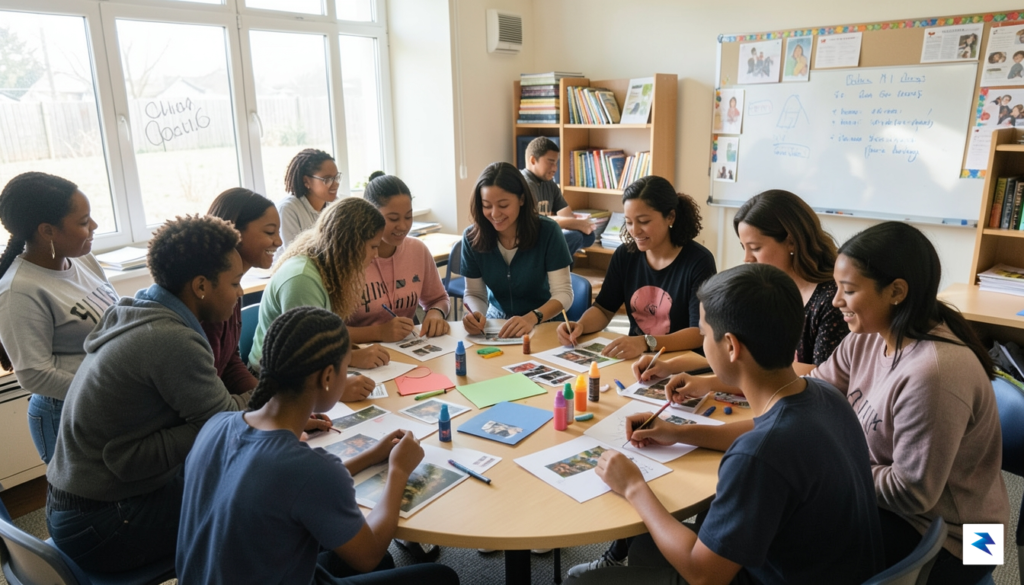
As Norway shifts toward a model that restricts generative AI in primary education, the focus inevitably turns to how we cultivate intellectual resilience in an age of automated convenience. Without the crutch of large language models, schools have a unique opportunity to return to the fundamentals of high-quality curriculum design, where the process of inquiry is valued more than the final output. By emphasizing teacher-led instruction, educators can reclaim their roles as facilitators of deep thought rather than mere managers of digital tools. This approach encourages students to grapple with complex concepts through active struggle, fostering a level of cognitive endurance that is often eroded by the immediate, frictionless answers provided by artificial intelligence.
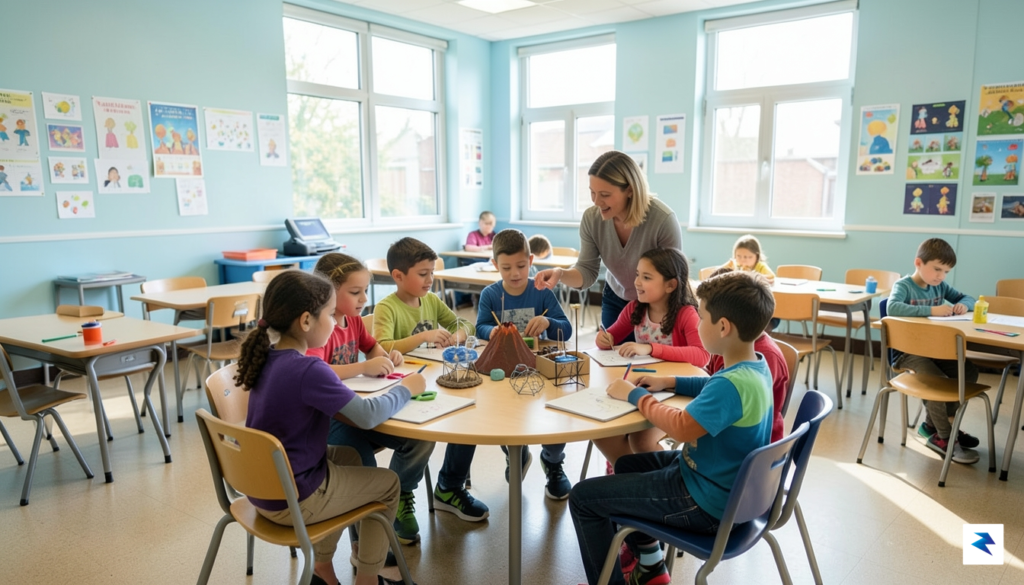
To remain competitive in a future defined by technology, students must build digital literacy through critical analysis rather than passive consumption. Instead of asking a bot to write an essay, students can engage in human-led creative projects that require synthesis, debate, and original expression. These projects might include oral presentations, hand-drawn diagrams, or peer-reviewed writing workshops that force students to articulate their own perspectives. This pedagogical shift effectively transforms the classroom into a laboratory for human cognition, where the ability to verify facts, structure logical arguments, and empathize with diverse viewpoints becomes the primary measure of success.
True digital literacy in a restricted environment means understanding the mechanics of information rather than simply delegating the task of thinking to an algorithm.
For parents, supporting this transition at home requires a pivot toward curiosity-driven learning. Rather than relying on AI tutors to explain homework, families can encourage children to utilize traditional resources like libraries, encyclopedias, and historical archives to conduct independent research. Discussing the “why” and “how” behind a lesson at the dinner table can reinforce the classroom experience, helping children develop the patience required to work through difficult problems. By prioritizing these human-centric interactions, parents help children build the foundational skills—such as perseverance and lateral thinking—that no machine can truly replicate.
Ultimately, the long-term vision of a human-centric educational framework is not about rejecting technology, but about mastering our own intellectual faculties first. When we remove the artificial shortcuts, we reveal the inherent potential of the student to create, analyze, and innovate from a place of genuine understanding. By fostering an environment where students are the architects of their own knowledge, we ensure they are not just consumers of a digital world, but the thoughtful, capable leaders who will define its next chapter.