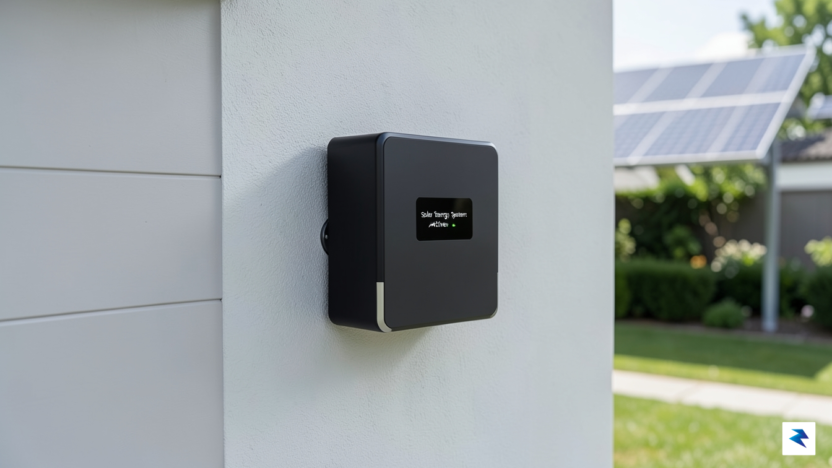
Understanding the Role of Home Energy Storage

For many homeowners, the initial interest in residential energy storage begins with the desire for security during grid interruptions. However, viewing a home battery solely as a glorified generator is a significant underestimation of its modern capabilities. Today, these systems have transitioned into the central nervous system of a smart home, fundamentally shifting the relationship between the consumer and the utility provider. By acting as a sophisticated buffer, home batteries allow users to move away from total grid dependency and toward a model of energy self-sufficiency that prioritizes efficiency and long-term financial stability.
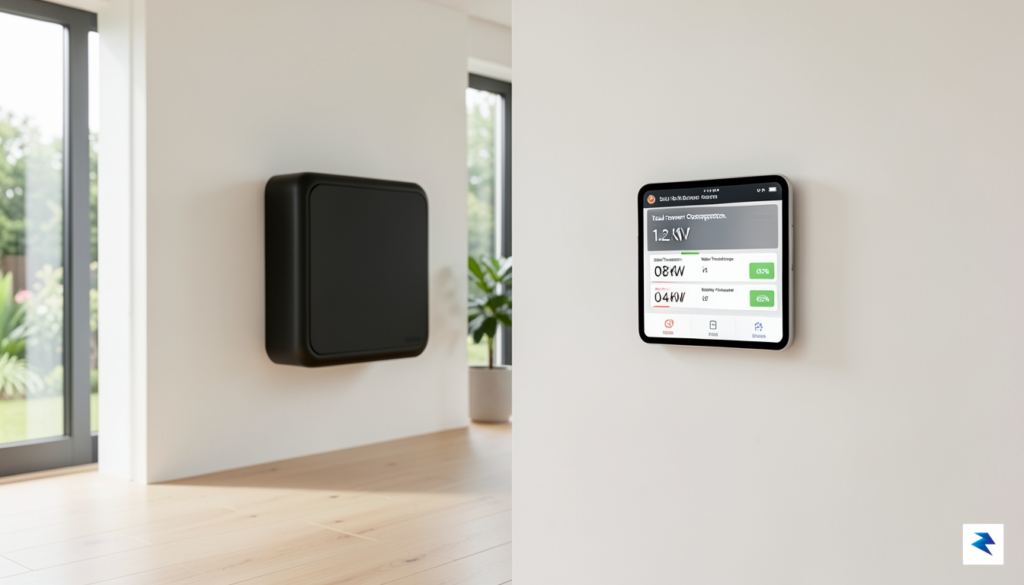
One of the most impactful ways these systems optimize energy usage is through a strategy known as load shifting. In many regions, utility companies implement time-of-use (TOU) rates, where electricity is significantly more expensive during peak evening hours when demand is highest. A home battery allows you to draw power from the grid when rates are low—often during the middle of the night—and store it for use during those expensive peak periods. Furthermore, for households equipped with solar arrays, batteries solve the problem of timing; they capture excess energy generated during the sunny daylight hours that would otherwise be sent back to the grid for minimal credit. Instead, that stored energy becomes available to power your appliances long after the sun has set, effectively maximizing the return on your solar investment.
Home energy storage serves as a personal hedge against the volatility of the retail energy market, transforming your household into a proactive participant in the power ecosystem rather than a passive consumer.
Beyond the financial incentives of peak shaving and solar optimization, there is a profound sense of operational stability gained by integrating storage into your home. When you rely on a battery system, you are essentially insulating your household from the minor frequency fluctuations and micro-outages that frequently plague the aging electrical grid. This consistent power delivery protects sensitive electronics and ensures that your smart home devices remain operational without interruption. Ultimately, the integration of home batteries is about gaining control over your energy future, providing a seamless transition between stored and grid-supplied power that enhances both your environmental footprint and your household’s operational resilience.
How Home Battery Systems Actually Work
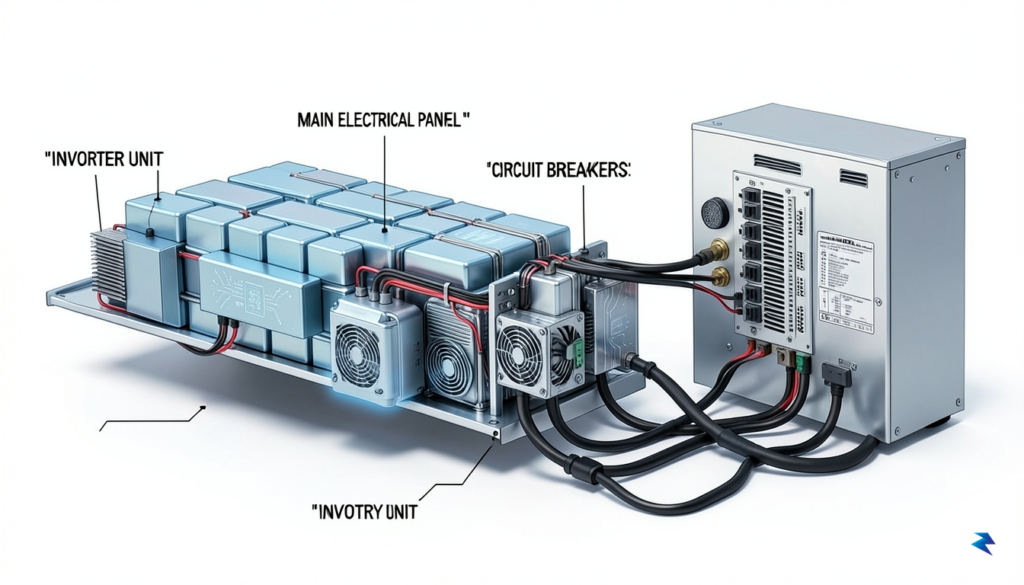
At its core, a home battery system is far more than a oversized power bank for your household appliances; it is a sophisticated energy management ecosystem. When solar panels generate electricity, they produce direct current (DC) power, while your home’s outlets operate on alternating current (AC). To bridge this gap, every battery setup requires a bi-directional inverter. This critical component acts as the system’s brain, constantly converting power back and forth between AC and DC. It determines when to pull energy from your panels to charge the battery, when to draw from the grid, and—most importantly—when to discharge stored power to keep your lights on during an outage.
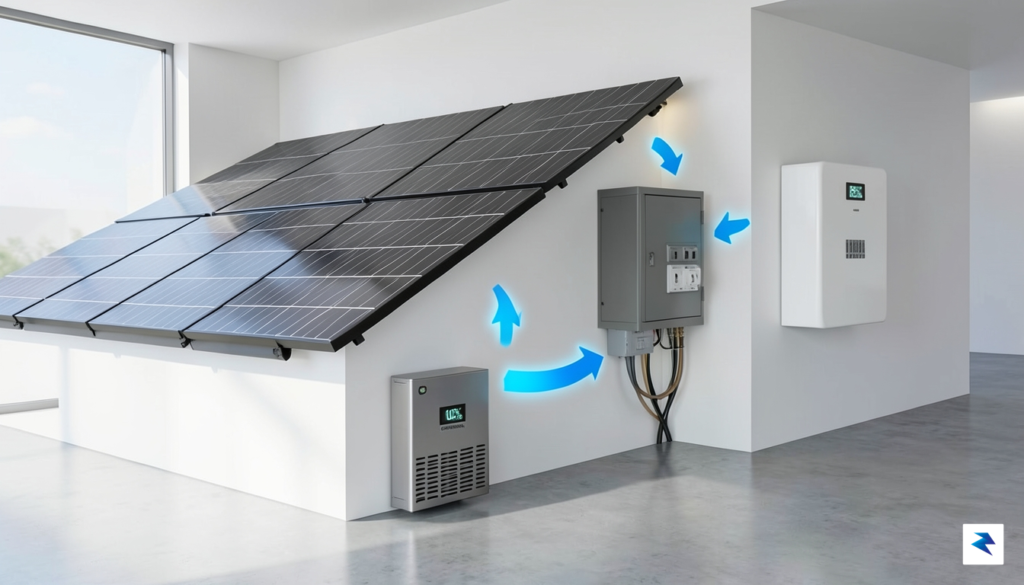
The architecture of this system generally falls into two primary categories: DC-coupled and AC-coupled. In a DC-coupled system, the solar panels and the battery share a single inverter, which minimizes conversion losses because the electricity doesn’t have to switch formats as frequently. This is often the most efficient choice for new solar installations. Conversely, AC-coupled systems add a battery to an existing solar array. Because the solar panels already have their own inverter, the battery requires its own dedicated inverter to convert the grid’s AC power back into DC for storage. While this method involves slightly more energy loss due to extra conversions, it offers unparalleled flexibility for homeowners retrofitting systems onto older setups.
Understanding Longevity and Performance
Beyond the hardware, the long-term health of your battery is dictated by its “depth of discharge” (DoD). This metric refers to the percentage of the battery’s total capacity that can be safely used without causing premature degradation to the internal chemical cells. For instance, if a battery has a 90% DoD, you can use 90% of its stored energy before the system automatically cuts off or pulls from the grid to protect the battery’s integrity. Pushing a battery past its recommended DoD regularly is akin to constantly draining a smartphone to zero percent; it stresses the chemistry and significantly shortens the hardware’s lifespan.
To maximize your investment, look for batteries with a high cycle life and a deep DoD, as these units are designed to withstand years of daily charging and discharging cycles without losing significant storage capacity.
Ultimately, these systems are managed by intelligent software that balances energy flow in real-time. This software tracks everything from local utility rates to weather forecasts, ensuring the battery is charged when electricity is cheapest or most abundant. By orchestrating these complex interactions, the system transforms your home into a self-regulating microgrid, providing not just backup power, but a dynamic tool for energy independence.
Evaluating Your Energy Needs and Capacity

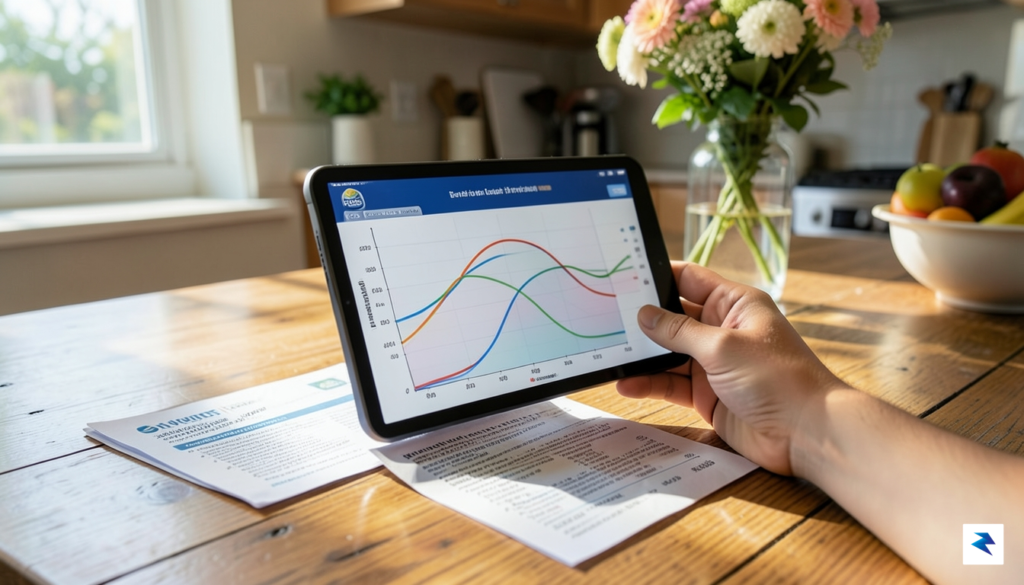
Determining the right size for your home battery system is a delicate balancing act between your budget and your peace of mind. If you invest in a system that is too small, you risk losing power to vital appliances during an extended outage; conversely, oversizing your system means paying a premium for capacity that sits idle and will likely never be fully utilized. The most effective starting point for this assessment is your monthly utility bill. By examining your average daily kilowatt-hour (kWh) usage, you can establish a baseline for how much energy your household consumes over a 24-hour period. This data helps you decide whether you are looking to shave peak usage costs, achieve total energy independence, or simply keep the lights on during an emergency.
When planning your storage setup, you must first choose between two primary strategies: whole-home backup or critical load backup. A whole-home backup system aims to power your entire residence, including energy-intensive appliances like central air conditioning and electric ovens, which typically requires a much larger, more expensive battery array. In contrast, a critical load backup focuses exclusively on the essentials. This approach involves isolating specific circuits in your electrical panel—such as those powering your refrigerator, medical equipment, internet router, and a few lighting circuits—to ensure they remain operational when the grid goes down.
Properly sizing your battery isn’t just about total capacity; it is about identifying which appliances are non-negotiable during a power disruption and how long you need them to run.
To prioritize effectively, create a list of the devices that are absolutely vital to your daily life. Start with life-safety items, such as home medical equipment or security systems, and then move to functional necessities like your refrigerator, which keeps your food from spoiling, and your home office setup, which keeps you connected. Once you have identified these high-priority items, calculate their wattage requirements to determine the total load they place on your system. By focusing your battery capacity on these specific circuits, you can significantly reduce the size of the unit you need to purchase, making the transition to home energy storage both more affordable and more technically efficient. This targeted approach allows you to build a resilient energy strategy that provides maximum value without the unnecessary expense of excessive, unused storage.
The Financial Reality: Costs, Incentives, and ROI

Investing in a residential energy storage system is rarely an impulse purchase; rather, it is a significant capital expenditure that requires a clear-eyed assessment of your household’s unique financial landscape. On average, homeowners can expect to pay between $10,000 and $20,000 for a fully installed battery system. This total price tag is not merely the cost of the lithium-ion hardware itself, but a composite of several moving parts: the battery unit, the integrated inverter, the balance of system components like electrical panels and wiring, and the skilled labor required for specialized installation. Furthermore, local permitting and inspection fees can add several hundred to over a thousand dollars to the final invoice, depending on your municipality’s building codes and administrative requirements.
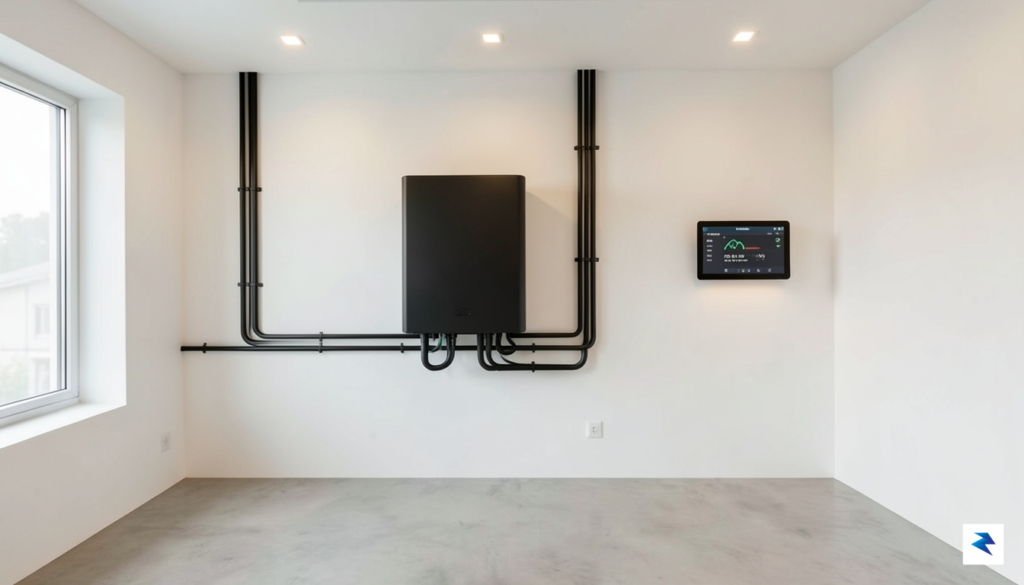
Fortunately, the financial burden is significantly lightened by federal and state-level incentives. Under the current federal framework, the 30% Investment Tax Credit (ITC) is a cornerstone of the modern solar and storage economy. This credit allows you to deduct 30% of the total installation costs—including labor and materials—directly from your federal income tax liability. Because this is a credit rather than a deduction, it provides a dollar-for-dollar reduction, which drastically lowers the effective purchase price. When you layer this federal benefit on top of localized state rebates, utility-sponsored performance incentives, or community storage programs, the initial “sticker shock” often recedes, transforming a high-cost luxury into a manageable, long-term asset.
The true value of a home battery often lies in how it interacts with your utility’s billing structure, particularly if you are subject to Time-of-Use (TOU) rates that punish peak-hour consumption.
Beyond tax credits, the most compelling argument for the return on investment (ROI) is the ability to leverage Time-of-Use (TOU) utility rates. Many utility providers charge significantly higher prices for electricity during peak evening hours when demand is high and solar production is low. By programming your battery to discharge during these expensive windows and recharge during off-peak hours or via your solar array, you effectively “arbitrage” the grid, avoiding the highest utility charges entirely. Over the ten-to-fifteen-year lifespan of a modern battery, these monthly savings can accumulate into a substantial offset of the original investment. When you combine these operational savings with the peace of mind provided by energy independence during grid outages, the math shifts from a simple cost analysis to a strategic hedge against future utility rate hikes.
The Installation Process and Technical Requirements
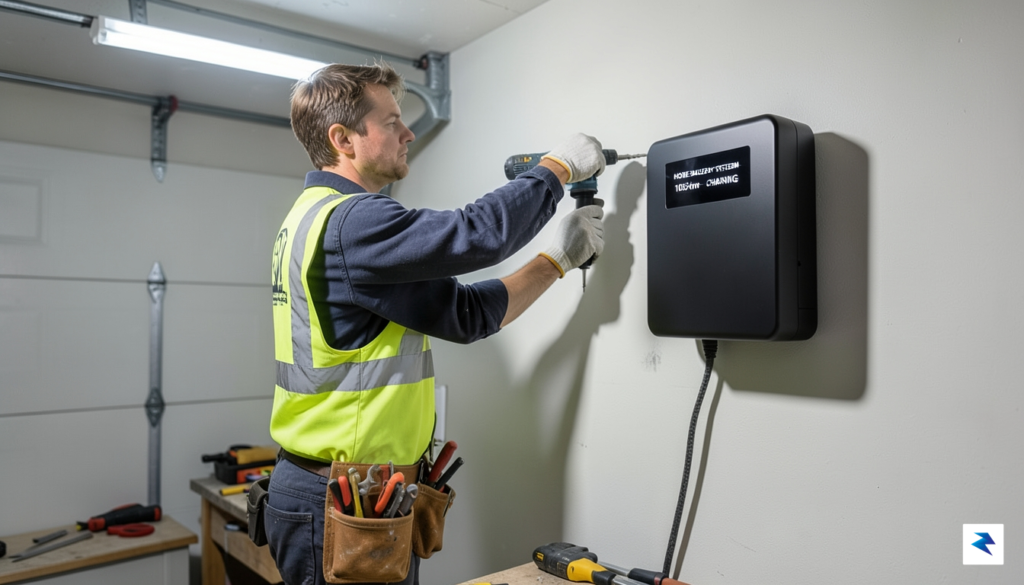
Embarking on the journey to install a home battery system is a significant infrastructure project that necessitates professional oversight from start to finish. Because these systems integrate directly into your home’s electrical panel and interact with the local power grid, this is strictly not a DIY project. The installation process typically begins with a comprehensive site assessment, during which a certified technician evaluates your existing electrical infrastructure to ensure it can support the additional load of a battery. They will examine your service panel, current wiring, and the physical space available, as batteries require a stable, climate-controlled environment to maintain optimal health and longevity. Placing a battery in an uninsulated garage with extreme temperature fluctuations can significantly degrade the lithium-ion cells over time, so finding an ideal location—typically a basement, a climate-regulated utility room, or a shaded outdoor area—is a foundational technical requirement.
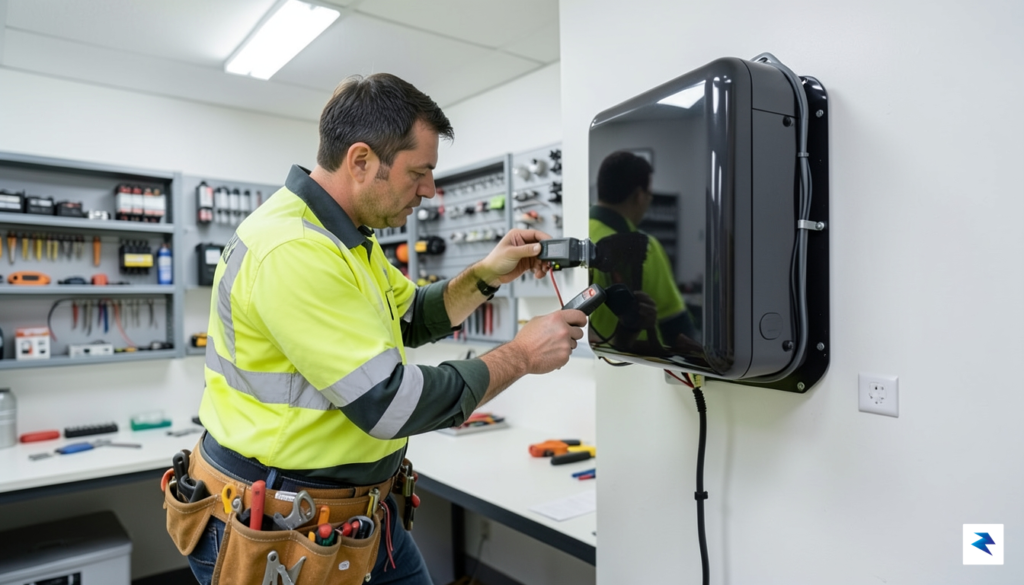
Beyond the physical installation, there is a complex administrative layer that homeowners must navigate. The permitting process is rarely instantaneous; it requires submitting detailed electrical schematics to your local building department to ensure the installation meets all regional safety codes. Furthermore, because your battery will often communicate with the utility grid, you will likely need to coordinate with your power company for interconnection approval. This ensures that the system can safely discharge energy back to the grid or draw power during off-peak hours without causing safety hazards for utility workers. These bureaucratic hurdles are why selecting a certified, experienced installer is infinitely more important than simply choosing the contractor with the lowest bid. An amateur installer may overlook critical safety protocols or fail to secure the necessary permits, which can lead to voided warranties, insurance complications, or even safety risks like electrical fires.
Key Takeaway: A high-quality installation is the most important factor in your battery’s lifespan. Prioritize contractors with specific certification from the battery manufacturer, as they are trained to navigate the nuances of the hardware and the complex local regulatory landscape.
When you choose to work with a reputable, licensed installer, you are paying for more than just labor; you are investing in peace of mind. Experienced professionals bring a deep understanding of the National Electrical Code (NEC) and local utility ordinances, which streamlines the timeline and minimizes the potential for project delays. They will handle the inspections, manage the grid interconnection paperwork, and conduct final testing to ensure the system communicates seamlessly with your smart home devices. By setting realistic expectations regarding this process—understanding that it involves scheduling, inspections, and professional coordination—you can navigate the installation phase with confidence and avoid the frustration of unforeseen disruptions.
Maintenance and Longevity Considerations
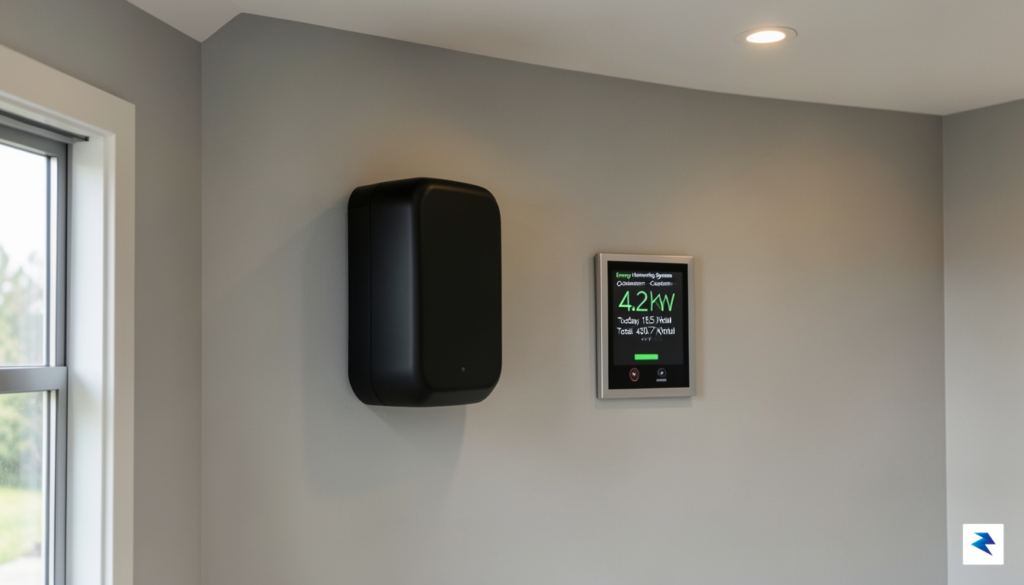
Modern home battery systems are engineered to be remarkably low-maintenance, functioning as “set it and forget it” appliances that integrate seamlessly into your daily energy routine. However, viewing them as immortal assets is a mistake; they are sophisticated electrochemical devices that function best when treated with a degree of environmental care. While you won’t find yourself performing manual tune-ups or oil changes, the longevity of your system—typically rated for 10 to 15 years—depends heavily on where the unit is installed. Placing your battery in a garage that experiences extreme temperature swings, such as freezing winters or scorching summers, can significantly accelerate chemical degradation. Most manufacturers specify an ideal operating range, and adhering to these guidelines is the single most effective way to ensure the battery retains its capacity for the duration of its expected lifecycle.
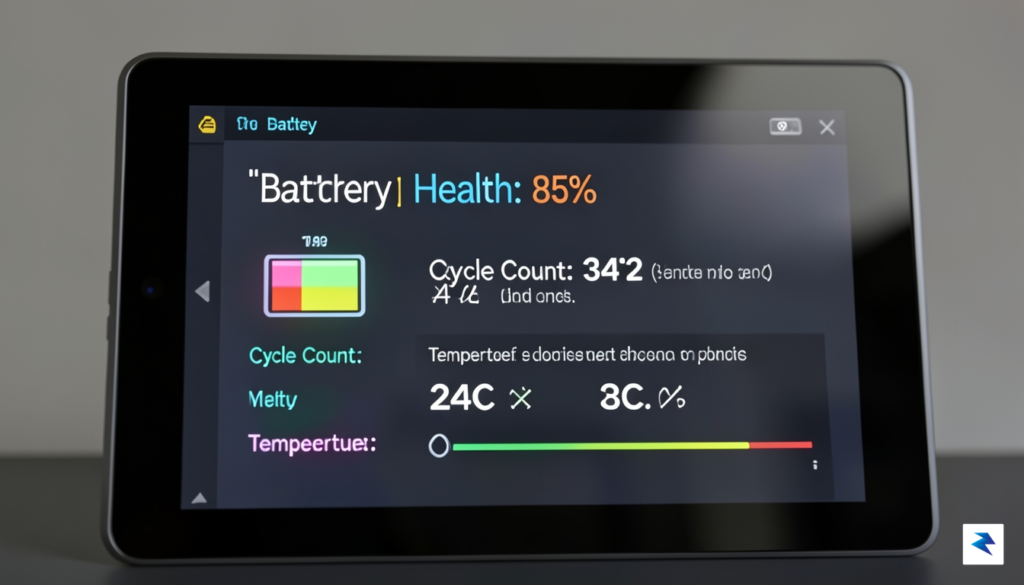
Beyond physical placement, modern battery management is increasingly digital. Your system will likely receive periodic over-the-air firmware updates that optimize how the battery charges, discharges, and balances its internal cells. It is essential to ensure your home Wi-Fi signal reaches the installation site consistently, as these software patches are vital for maintaining system efficiency and security. By regularly checking the associated mobile application, you can keep an eye on your battery’s “state of health.” These dashboards often provide granular data on cycle counts and energy throughput, allowing you to catch minor anomalies before they transform into performance issues that might require a professional service call.
While lithium-ion batteries are durable, they suffer from natural chemical aging. Expect to see a gradual decline in the total amount of energy the unit can store over its 10-to-15-year life, which is a normal consequence of repeated use rather than a mechanical defect.
When considering the long-term viability of your investment, it is crucial to understand the nuances of manufacturer warranties. Most warranties provide coverage for mechanical failures or significant manufacturing defects, but they distinguish clearly between total failure and expected chemical degradation. For example, a warranty might guarantee that the battery will maintain at least 70% of its original capacity after a decade of use. If the battery falls below this threshold due to normal wear, it may be covered, but if you have neglected the environmental requirements—such as installing the unit in an unconditioned shed where it was exposed to excessive heat—you may find your warranty claim denied. Therefore, protecting your investment is as much about understanding the limitations of the chemistry inside the box as it is about relying on the legal protections provided at the time of purchase.