
Suno Data Leak: Did AI Music Generators Scrape Your YouTube Content?
The Allegations: Decoding the Suno Data Breach The controversy began when unauthorized actors successfully bypassed internal security…


For most of its early existence, generative AI functioned primarily as an external curiosity—a standalone chatbot used for one-off creative tasks, drafting emails, or answering basic inquiries. However, the paradigm has shifted rapidly as organizations move away from these isolated interactions toward deeply integrated AI ecosystems. Today, “ChatGPT Work” represents a fundamental transformation in enterprise productivity, where large language models are no longer peripheral tools but are woven directly into the fabric of internal business workflows. This transition allows employees to access proprietary data, automate complex administrative processes, and synthesize enterprise-level insights in real-time, effectively turning an AI model into a collaborative digital coworker rather than a simple search interface.
The impetus for this move toward integrated AI is the promise of unprecedented efficiency. By embedding intelligence into existing software stacks, companies can reduce the cognitive load on staff, allowing them to focus on high-value creative and strategic work while the AI handles the heavy lifting of data processing and document generation. This evolution has redefined productivity expectations; leaders now view AI integration as a critical competitive advantage that dictates the speed of decision-making. As these workflows become more sophisticated, the boundary between the user, the data, and the model begins to blur, creating a seamless environment where information flows effortlessly between secure internal repositories and generative outputs.

The transition toward integrated AI is not merely a technological upgrade but a fundamental shift in the enterprise operational model, turning intelligence into a persistent, embedded service rather than a one-time utility.
However, this transition is a double-edged sword that demands a more rigorous approach to governance. While the increased efficiency is palpable, the expansion of AI into the core of the business simultaneously creates a significantly expanded attack surface. Every integration point—whether it is a plugin, an API call, or an internal data feed—introduces new vectors through which sensitive information might be exposed or manipulated. Consequently, IT teams are finding that the old playbooks for managing standalone software are no longer sufficient. As generative AI becomes an essential component of the digital workspace, the focus of the enterprise must pivot from simply enabling access to establishing robust, multi-layered security frameworks that can protect data integrity without stifling the innovation that AI integration provides.
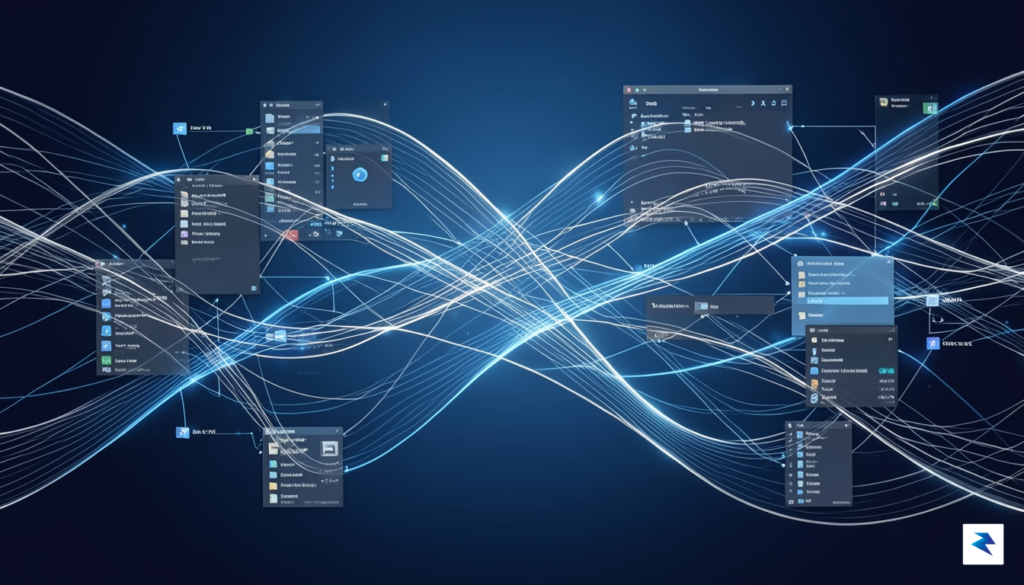
The introduction of ChatGPT Work marks a fundamental shift in how generative AI interacts with the enterprise environment. Unlike the standard browser-based interface that relies on manual copy-pasting, this iteration is designed to function as an active participant within your digital ecosystem. It possesses the technical capability to bridge gaps between disparate software platforms, allowing for cross-application workflows that were previously manual. By integrating directly with internal file repositories, cloud-based productivity suites, and local desktop environments, the AI can ingest, analyze, and synthesize data across a breadth of sources simultaneously. This transition from a passive chatbot to an active operational assistant means the tool is no longer just reading text; it is effectively navigating the fabric of your organization’s digital operations.
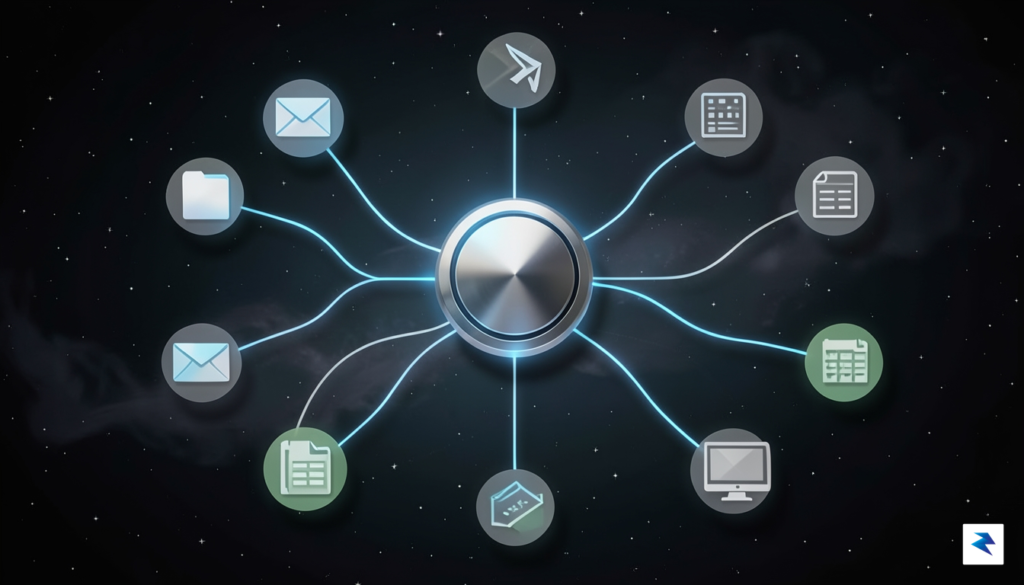
At the heart of this functionality is the concept of permission scope, which determines the exact reach of the AI’s influence. When an IT team enables ChatGPT Work, they are essentially granting a digital agent the ability to “see” and “act” upon specific data sets, ranging from raw internal documentation to live third-party application data. Because the tool can execute tasks like summarizing meeting transcripts stored in private drives or drafting responses based on CRM data, its operational footprint is significantly wider than traditional SaaS tools. Understanding these boundaries is critical because the AI is essentially operating as a privileged user. If IT teams do not strictly define these boundaries, they risk creating a scenario where the AI might access sensitive metadata or proprietary information that should remain siloed from automated processing engines.
The primary challenge for modern IT departments is not the AI itself, but the visibility of the digital “hands” the AI uses to touch internal company infrastructure.
Furthermore, the capability for desktop automation introduces a new layer of complexity that requires careful oversight. ChatGPT Work can interface with local operating system functions, which means it can potentially manipulate files, trigger scripts, or interact with desktop-based software that lacks modern cloud-native security controls. This is why IT departments must conduct a thorough audit of what the AI is permitted to execute. It is no longer sufficient to simply protect the network perimeter; teams must now manage the functional perimeter of the AI. By establishing clear “read-only” versus “write-access” policies, IT leaders can leverage the productivity gains of these new features while ensuring that the AI’s reach remains restricted to authorized domains, preventing accidental data exposure or unauthorized automation of sensitive business processes.
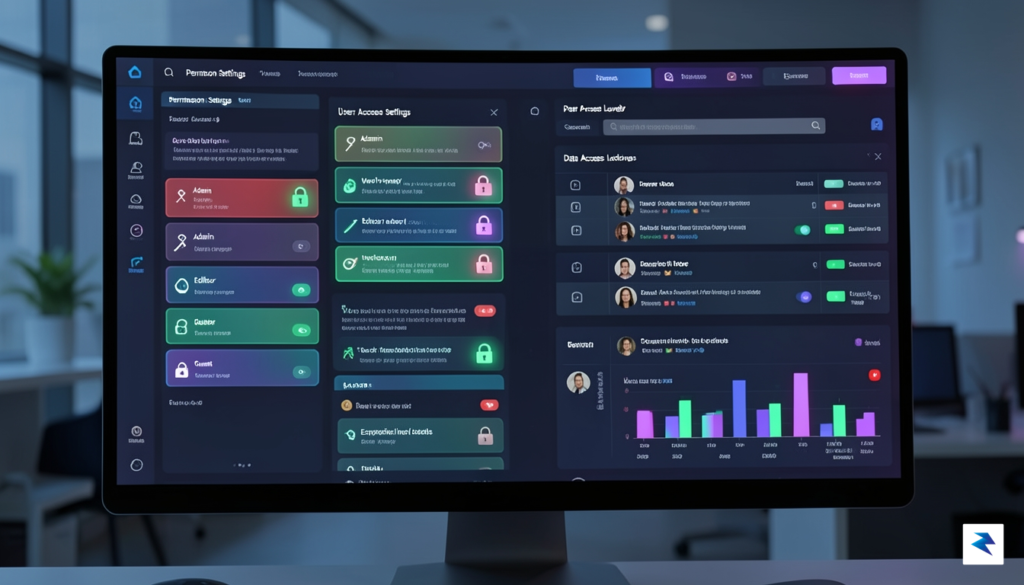
The core philosophy of modern cybersecurity—the principle of least privilege—must become the cornerstone of your AI deployment strategy. When integrating generative AI tools into the enterprise, many organizations fall into the trap of granting broad, blanket permissions to ensure the tool “just works.” However, this approach creates an enormous attack surface, as an AI agent with unnecessary access to company-wide databases can inadvertently expose sensitive intellectual property or personally identifiable information (PII) to unauthorized users. By restricting access to only the specific data sets required for a tool’s intended function, IT teams can effectively contain potential data leakage and ensure that AI interactions remain compartmentalized.
To begin auditing your current permission structures, IT administrators should adopt a systematic, four-phase approach. First, conduct a comprehensive discovery scan to map exactly which data repositories, such as SharePoint, Google Drive, or CRM systems, are currently linked to your AI environment. Second, categorize these data assets based on sensitivity levels, separating public-facing documentation from restricted financial or HR records. Third, implement user-role mapping to ensure that employees can only query information that they are already authorized to view in their day-to-day work. Finally, establish a recurring audit cadence—ideally on a quarterly basis—to review these access logs and revoke permissions for any users or agents that no longer require them.
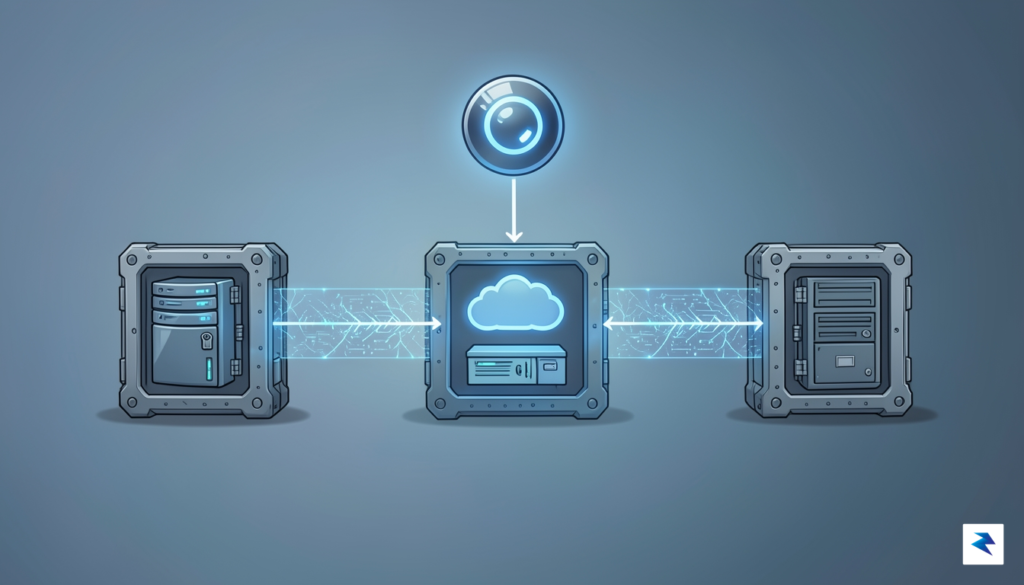
The goal of granular permissioning is not to stifle AI productivity, but to create a secure environment where innovation can flourish without compromising the integrity of sensitive corporate data.
The dangers of “over-permissioning” cannot be overstated, as they often lead to “prompt injection” vulnerabilities or unintended data exposure during casual chatbot interactions. If an AI agent has permission to crawl your entire internal wiki, a simple, non-malicious query from an intern could surface confidential executive salary data or proprietary product roadmaps. To mitigate these risks, IT teams must proactively restrict access to sensitive departments, such as Legal and Human Resources, by creating isolated data enclaves. By leveraging API-based controls or document-level security settings, you can ensure that the AI only “sees” the context necessary to solve a specific problem, rather than giving it an all-access pass to your organization’s digital library.
Ultimately, securing AI access is an ongoing process of refinement rather than a one-time configuration task. As your team introduces new plugins and specialized agents, treat each integration as a distinct security endpoint that requires its own set of unique permissions. By maintaining a strict, “need-to-know” architecture, you foster a culture of security-first AI adoption, where employees feel empowered to use powerful tools while the IT department maintains total visibility and control over the company’s most valuable information assets.

While the allure of generative AI lies in its ability to automate repetitive tasks at lightning speed, the integration of ChatGPT into enterprise environments requires a fundamental shift in how we view operational autonomy. Automation is a powerful engine for productivity, yet it can quickly become a liability if left entirely unchecked. By mandating a human-in-the-loop (HITL) framework, IT teams ensure that AI acts as an empowered assistant rather than an autonomous actor with the potential to execute unauthorized or irreversible actions. This layer of oversight acts as a critical safety net, particularly when AI is tasked with interacting with sensitive customer databases, deploying code to production environments, or generating external-facing communications that could impact brand reputation.

To implement this effectively, IT leaders must define specific high-stakes scenarios that strictly prohibit automated execution. These “red-line” tasks should include any activity involving the deletion of records, the modification of financial data, or the dissemination of sensitive PII (Personally Identifiable Information). By categorizing workflows based on risk level, organizations can apply granular controls: low-risk tasks like summarizing internal meeting notes can proceed with minimal interference, while high-risk tasks trigger an immediate notification to a supervisor or designated stakeholder. This creates a balanced ecosystem where the speed of AI is harnessed without compromising the integrity of corporate data or internal governance.
The goal of a robust approval workflow is not to introduce friction for the sake of bureaucracy, but to build a bridge of trust between AI capability and organizational accountability.
Implementing these approval gates does not necessarily mean sacrificing team velocity. Instead of manual, email-heavy request chains, IT teams should leverage modern orchestration platforms that integrate AI outputs directly into existing collaboration tools like Slack or Microsoft Teams. When an AI agent prepares a sensitive action, it should present a clear, summary-level preview of the intended outcome to the human approver, complete with a “Confirm” or “Reject” interface. By embedding these checkpoints into the tools employees already use, the approval process becomes a seamless part of the workflow rather than a disruptive hurdle. This approach preserves the agility of the team while maintaining a verifiable audit trail, ensuring that every significant action is backed by an informed, human decision.

In the rapidly evolving landscape of enterprise artificial intelligence, transparency is the bedrock of a sound security strategy. You cannot effectively secure what you cannot observe, nor can you respond to a breach if you lack the granular data necessary to reconstruct the event. For IT teams, the implementation of ChatGPT in a corporate environment necessitates a robust logging and monitoring framework. Without a comprehensive audit trail, the AI becomes a “black box” where sensitive intellectual property or proprietary data could be exfiltrated without leaving a trace, leaving the organization vulnerable to compliance violations and insider threats.
To establish true visibility, IT departments must move beyond basic connection logs and focus on the specific interactions occurring within the AI interface. Effective monitoring requires tracking a sophisticated set of data points, including the specific natural language queries submitted by employees, the identity of the user performing the action, and any metadata associated with uploaded documents or code snippets. Furthermore, tracking the AI’s output is just as critical as monitoring the input. By capturing the context of these exchanges, security teams can develop baselines for “normal” AI usage, making it significantly easier to identify anomalies or potential data leakage in real time.
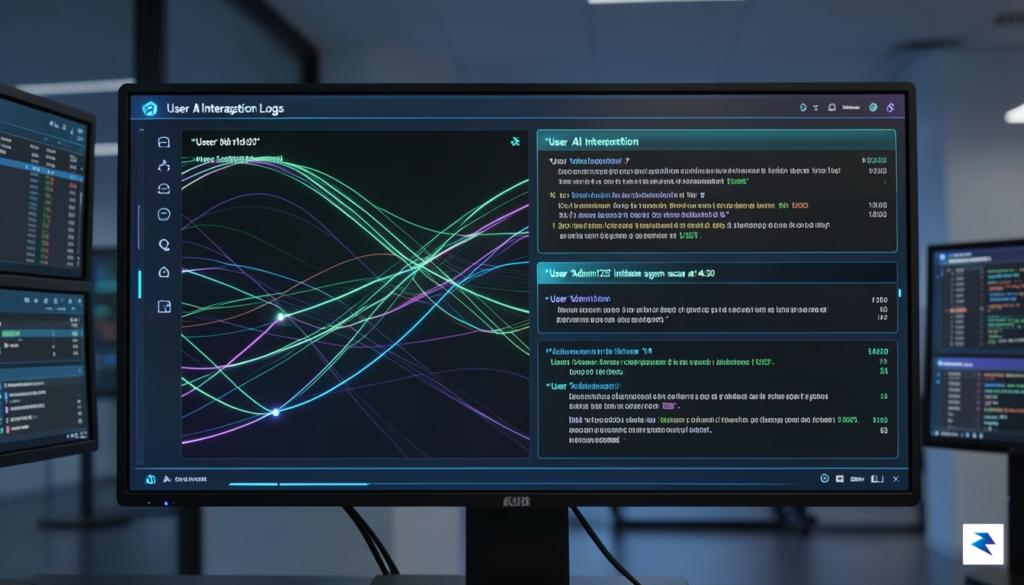
The true value of these audit logs is only realized when they are centralized within your existing Security Information and Event Management (SIEM) tools. Treating AI logs as a siloed data set is a recipe for missed warnings; instead, these logs should be ingested into your broader corporate security monitoring stack. By normalizing ChatGPT activity alongside logs from your firewall, endpoint detection systems, and cloud access security brokers (CASBs), IT teams can leverage correlation rules to spot complex attack patterns. For example, a SIEM can flag a user who suddenly uploads a large volume of sensitive internal documentation to an AI model shortly before initiating a large external data transfer—a classic indicator of potential data exfiltration.
Transparency is not merely a compliance requirement; it is the fundamental mechanism that allows IT teams to move from a reactive security posture to a proactive, threat-hunting mindset.
Ultimately, the goal of maintaining a detailed audit trail is to ensure accountability and provide a forensic map should an incident occur. When employees understand that their interactions with AI tools are logged and subject to the same oversight as email or cloud storage, the culture of data stewardship naturally improves. By prioritizing visibility today, organizations can confidently embrace the productivity gains of generative AI while maintaining the rigorous governance standards required to protect the enterprise’s digital perimeter.

The integration of advanced artificial intelligence into the workplace often creates an immediate tension between the desire for rapid innovation and the mandate for organizational security. However, this friction is not a sign that technology adoption should be stifled; rather, it indicates that the current framework for corporate governance must evolve. By viewing security as an enabler rather than an obstacle, IT teams can create a controlled sandbox where employees are free to experiment with tools like ChatGPT without jeopardizing sensitive intellectual property or customer data. This strategic alignment requires a shift in mindset: moving away from a rigid, “no-access” posture toward a model of “secure-by-design” enablement.
To successfully navigate this transition, organizations must implement robust governance frameworks that clearly define acceptable use cases while simultaneously providing the necessary infrastructure for secure AI interaction. This involves more than just setting up firewalls or disabling features; it requires establishing a culture of digital literacy where employees understand the nuances of data privacy and the potential risks of prompt engineering. When IT departments provide clear, actionable guidelines, they empower their workforce to become effective partners in security, reducing the likelihood of “shadow AI” usage and ensuring that the tools being deployed are fully aligned with the company’s broader risk appetite.

The most successful enterprises are those that treat security as a competitive advantage. By establishing clear guardrails, IT leaders transform from being the “department of no” into the architects of an agile, AI-driven workplace.
Looking ahead, the role of the IT department is fundamentally shifting from a traditional gatekeeper to a strategic enabler of technological transformation. As AI capabilities continue to accelerate, the ability to manage and secure these tools will become a core competency for any modern business. Forward-thinking IT leaders should focus on building flexible, scalable systems that can adapt to the rapid pace of AI development while maintaining consistent visibility across all endpoints. By prioritizing transparency and ongoing education, organizations can foster an environment where employees feel confident using powerful AI assistants, knowing that the structural integrity of the business remains protected. Ultimately, the goal is to create a seamless synergy between human creativity and machine intelligence, grounded in a foundation of trust and rigorous oversight.
You must be logged in to post a comment.