
Lucid Motors and the Bankruptcy Rumors: Examining the EV Industry’s Financial Stability
The Anatomy of an EV Rumor: Why Lucid’s Market Struggle Matters The electric vehicle industry is currently navigating a period of intense…


The landscape of livestream commerce has evolved rapidly from its early days as a niche experiment to a cornerstone of modern digital retail. For platforms like Whatnot, which has experienced explosive growth by bridging the gap between social entertainment and transactional utility, the challenge is no longer just attracting users, but keeping them engaged in an ocean of infinite content. As the user base expands, the traditional “feed-based” discovery model—where consumers manually scroll through endless streams—becomes increasingly inefficient. By acquiring Shaped, Whatnot is effectively signaling that the future of live shopping lies in hyper-personalized, algorithmic curation that anticipates consumer desire before the user even knows what they are looking for.
Shaped brings to the table a sophisticated infrastructure specifically engineered for machine learning-driven recommendations, a capability that often proves difficult and time-consuming to build entirely in-house. While many companies attempt to scale their discovery engines internally, they frequently encounter bottlenecks related to data processing, latency, and the integration of nuanced behavioral signals. Developing a bespoke recommendation system that can handle the dynamic, high-velocity nature of live auctions—where inventory turns over in seconds and bidding sentiment shifts in real-time—requires a level of technical maturity that is rarely achieved overnight. By choosing to integrate Shaped’s existing framework, Whatnot is prioritizing speed to market, allowing their engineering teams to bypass years of R&D and immediately deploy robust, AI-powered discovery features.
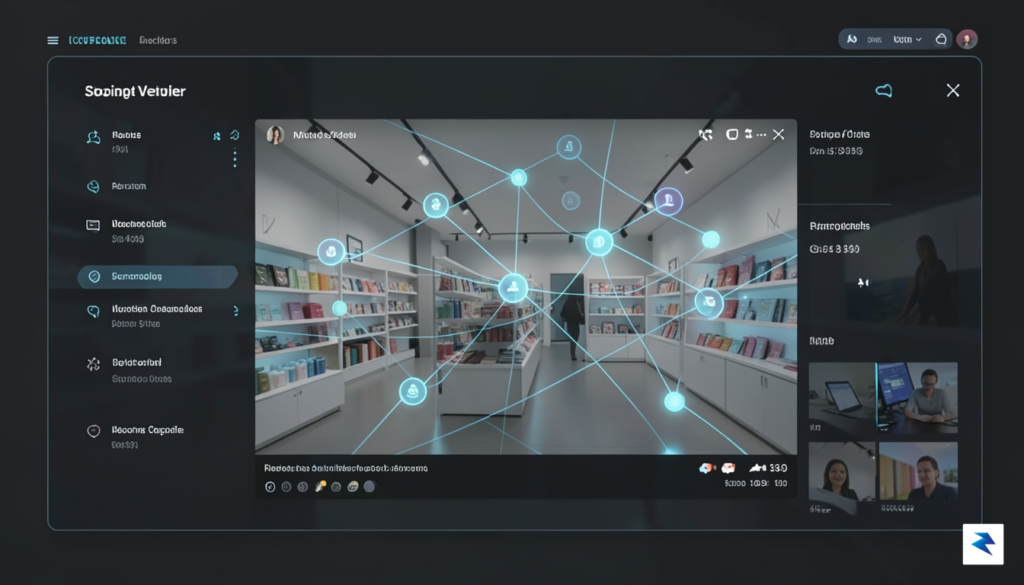
This strategic investment highlights a maturation point for the entire industry. Livestream shopping is moving past the “novelty phase,” where mere interactivity was enough to capture attention. Today, the competitive advantage is defined by how effectively a platform can curate a bespoke experience for every individual user. If a collector interested in vintage trading cards is constantly served streams about luxury handbags, the platform risks losing that user to churn. Shaped’s infrastructure solves this by refining the relevance of content delivery, ensuring that the right product meets the right buyer at the precise moment of their highest purchase intent.
The integration of Shaped signals that Whatnot is no longer just a marketplace for live auctions; it is transforming into an intelligent recommendation engine where the user experience is defined by precision and foresight.
Ultimately, this acquisition is an acknowledgment that scale brings complexity. As Whatnot continues to diversify its categories—from high-end sneakers to rare comics and designer toys—the ability to map user behavior across disparate niches is paramount. By embedding Shaped’s machine learning expertise directly into their core architecture, Whatnot is building a moat around its business. They are moving away from a passive browsing experience toward a proactive, AI-guided ecosystem that treats every stream as a data point, perpetually learning and evolving to ensure that the thrill of the hunt is always personalized.
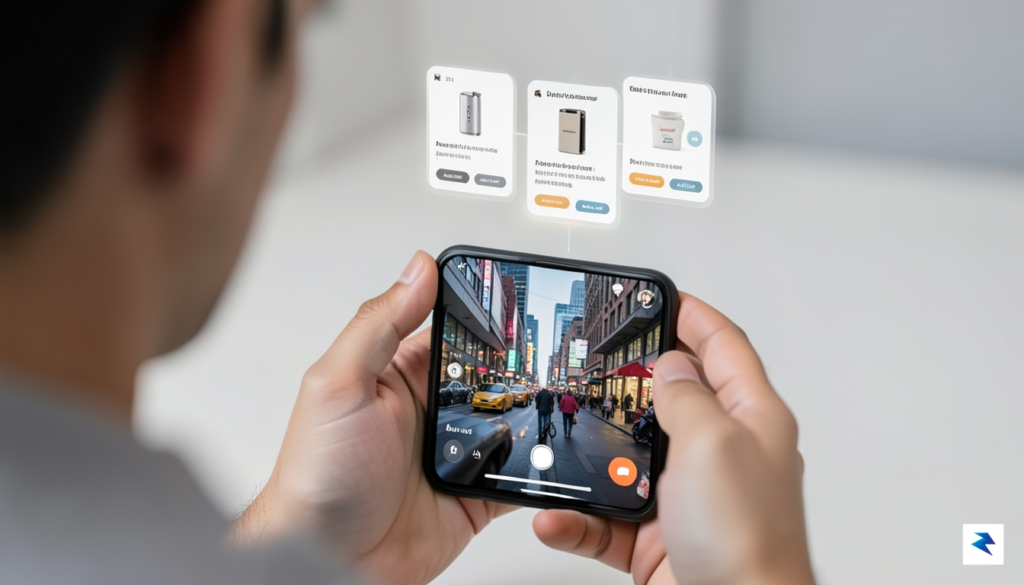
In the digital marketplace, there is a fundamental divide between the act of searching and the act of discovery. Traditional e-commerce relies heavily on search, where a user arrives with a specific intent, types a keyword into a bar, and waits for a static list of results. Conversely, livestream shopping thrives on discovery—a fluid, high-energy environment where the goal is to captivate a browser who may not yet know exactly what they want to buy. By integrating Shaped’s sophisticated recommendation technology, Whatnot is shifting away from the traditional, rigid categorization of products toward a dynamic, intent-based ecosystem that mirrors the intuition of an expert shopkeeper.
This transition is critical because, in a live video environment, the window for engagement is razor-thin. When a viewer is watching a host showcase a product, their attention is fleeting; if the algorithm suggests irrelevant items, the viewer is likely to drop off. With real-time data processing, the platform can now analyze behavioral signals—such as viewing duration, past bidding patterns, and category affinity—to serve hyper-personalized product carousels that evolve as the stream progresses. This predictive capability transforms the interface from a static gallery into a living recommendation engine that anticipates a buyer’s needs before they even articulate them.
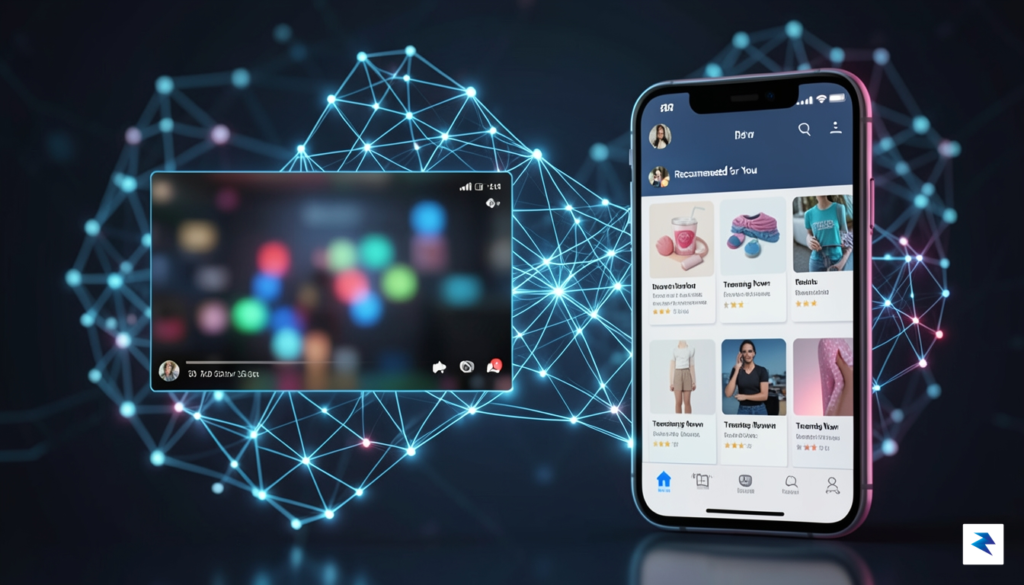
Furthermore, personalization addresses the primary friction points that have long hindered the growth of the livestream shopping industry. In many existing platforms, viewers often feel overwhelmed by the sheer volume of content, leading to “choice paralysis” and a subsequent decline in conversion rates. By surfacing the right items at the precise moment a user is most primed to purchase, Whatnot reduces the cognitive load on the consumer. This seamless alignment between what is being broadcast and what is being suggested creates a cohesive user journey, effectively turning passive observers into active participants.
The true power of AI-driven personalization lies in its ability to shorten the path from initial interest to checkout, turning real-time engagement into measurable retail success.
Ultimately, the marriage of live video and machine learning represents the next evolution of retail. Instead of forcing consumers to navigate through clunky menus or irrelevant search results, platforms can now curate a bespoke shopping experience for every single user. This shift doesn’t just increase the likelihood of a sale; it fosters deeper community loyalty. When a viewer feels that a platform understands their specific tastes and interests, the shopping experience ceases to be a chore and becomes a personalized, interactive event that keeps them coming back for the next drop.
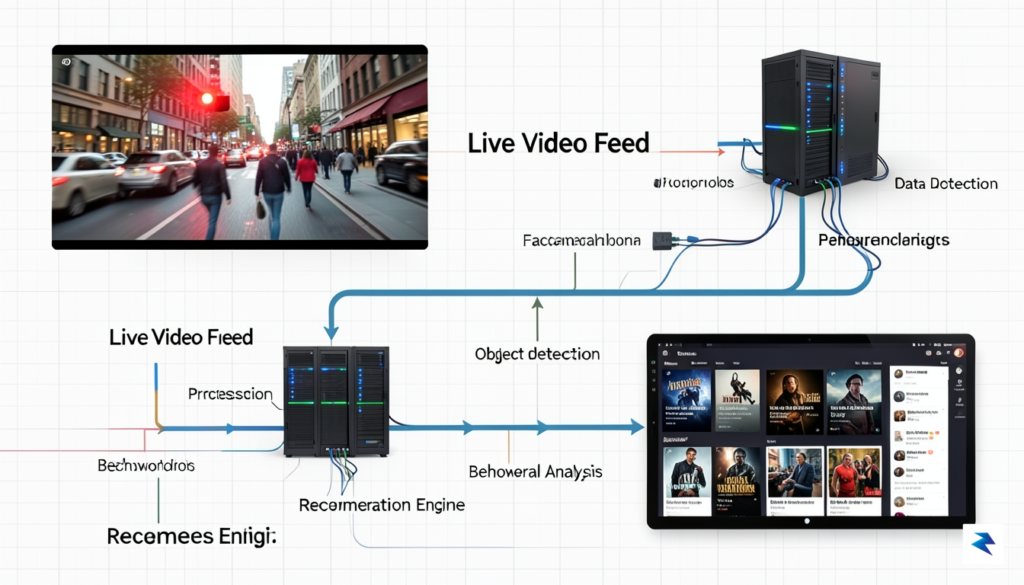
In the high-stakes world of live commerce, the difference between a casual viewer and a loyal buyer often comes down to milliseconds. Traditional e-commerce platforms have long relied on batch processing—a method where user data is collected, stored, and analyzed in large chunks every few hours or days. While this approach is sufficient for static storefronts, it fails the “live” test. By the time a batch-processed recommendation engine suggests a product, the user has likely already swiped away, their attention captured by a different stream or app. Real-time machine learning changes this dynamic by processing interaction signals—such as likes, clicks, and chat engagement—the instant they occur, transforming the user experience from a passive observation into a personalized discovery journey.
The technical shift from batch to real-time architecture is a monumental leap in how marketplaces handle intent. When a user enters a live show, their behavior provides an immediate, evolving signal of what they value in that specific moment. If the recommendation system can ingest these signals and update the curated suggestions on the screen within a fraction of a second, the platform effectively “learns” the user’s current mood in real-time. This eliminates the lag that typically plagues discovery, ensuring that the marketplace feels less like a catalog and more like a concierge service that anticipates the shopper’s next move before they even vocalize it.

The implications for platform stickiness are profound, as this technical agility directly influences user lifetime value (LTV). By keeping the content feed hyper-relevant, the platform reduces the friction of decision fatigue, making the “next best action” obvious and compelling. When users consistently find items that resonate with their niche interests during a live broadcast, they are far more likely to return to the app daily, fostering a habit-forming loop that is difficult for competitors to disrupt. Consequently, the platform moves beyond simple transaction facilitation to become a central hub for a user’s recreational time.
Real-time personalization acts as a retention engine, turning the fleeting volatility of a live auction into a consistent, tailored experience that keeps shoppers locked in, satisfied, and ready for the next purchase.
Ultimately, investing in low-latency machine learning is not just about upgrading technical infrastructure; it is a strategic maneuver to own the user’s attention span. In a marketplace where attention is the primary currency, the ability to serve the right product at the exact moment of peak interest creates a competitive moat. By prioritizing real-time data flow, platforms can sustain higher engagement metrics, drive more efficient conversion rates, and build a more resilient, loyal user base that views the app as a primary destination for their shopping needs.

As Whatnot transitions from its roots as a specialized hub for trading cards and vintage collectibles into a sprawling, multi-category retail ecosystem, the platform faces a classic marketplace paradox: how to grow in volume without losing the intimate, community-driven “treasure hunt” experience that defined its early success. In the niche era, manual curation and human-led discovery were sufficient, as the user base shared a common language of rarity and value. However, as the platform expands into broader retail sectors like apparel, luxury goods, and electronics, the sheer diversity of inventory makes traditional discovery methods obsolete. Without a sophisticated layer of intelligence, the platform risks becoming a fragmented sea of irrelevant streams, where the magic of stumbling upon a hidden gem is buried under an insurmountable volume of mismatched content.
The acquisition of Shaped is a strategic maneuver designed to solve this existential hurdle by shifting the burden of curation from the user to the algorithm. By integrating Shaped’s infrastructure, Whatnot is moving toward a highly personalized recommendation engine that understands the nuances of user behavior in real-time. Instead of requiring users to hunt through static categories, the platform can now dynamically surface live streams that align with individual preferences, past interactions, and granular interests. This transition from manual searching to proactive algorithmic discovery is essential for scale; it ensures that even as the inventory grows exponentially, the user experience remains focused, highly relevant, and curated to the individual.

By automating the discovery process, Whatnot isn’t just optimizing for efficiency; it is preserving the serendipity of the live shopping experience by ensuring the right content finds the right eyes at the exact moment of demand.
Maintaining the platform’s community-driven ethos during this period of rapid expansion requires a delicate balance between automation and authenticity. The goal is not to replace the human element of live selling, but to provide the structural support that allows that human element to thrive at scale. Through Shaped’s machine learning tools, Whatnot can better connect niche sellers with their ideal audiences, effectively mirroring the high-touch community feel of a boutique store within a massive global marketplace. By streamlining the path to discovery, the platform ensures that the “treasure hunt” feel is not only preserved but enhanced, allowing users to navigate a vast, diverse retail landscape as if it were a curated, personal collection tailored specifically to their tastes.

The strategic move by Whatnot to acquire Shaped marks a significant inflection point, not just for the live shopping platform itself, but for the broader landscape of digital commerce. This isn’t merely a business transaction; it’s a profound statement about the future, signaling a powerful convergence where real-time interactive selling meets sophisticated machine learning. The integration of advanced AI for recommendations is poised to redefine user experience, setting a new, elevated standard for personalization and engagement within the social commerce sphere that competitors will be compelled to match.
Consequently, we can anticipate a swift and decisive response from other major players in the market. Established e-commerce giants with live streaming capabilities, like Amazon Live, alongside burgeoning social commerce platforms such as TikTok Shop, will undoubtedly accelerate their investment in AI-driven personalization and recommendation engines. The pressure to innovate will intensify, creating an AI arms race where the ability to predict user preferences and deliver hyper-relevant content in real-time becomes a critical differentiator. Platforms that fail to adapt quickly and integrate intelligent systems risk falling behind in the increasingly competitive battle for consumer attention and loyalty.
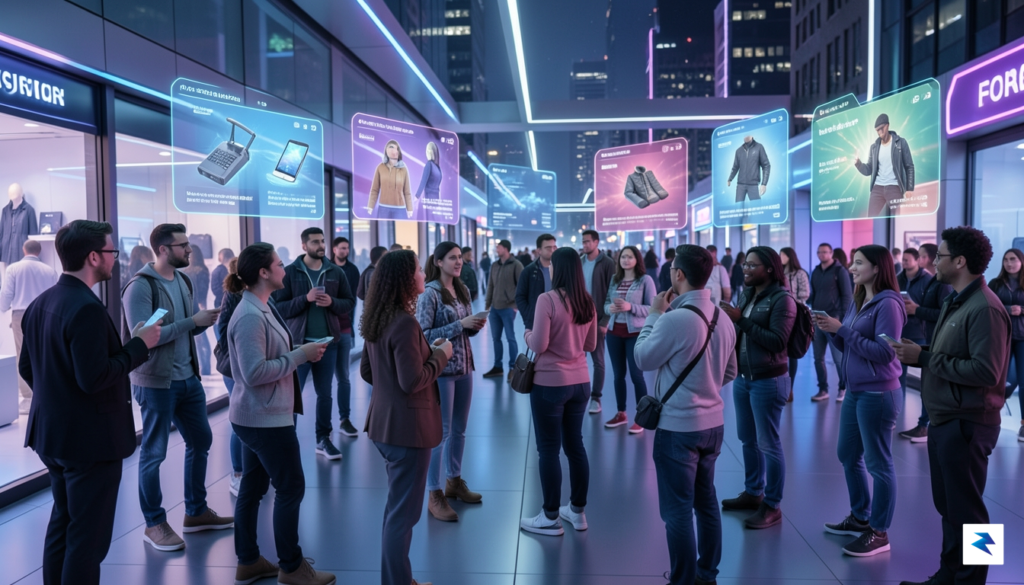
This acquisition further underscores an undeniable trend: the ongoing convergence of social media, entertainment, and e-commerce into a seamless, integrated experience. Live shopping already blurs these lines, but with AI at its core, the distinction becomes almost imperceptible. Imagine a shopping journey where product discovery feels as organic and entertaining as scrolling through a social feed, with every recommendation perfectly tailored to your evolving tastes, even across different categories and communities. The goal is to transform passive browsing into an active, immersive form of “shoppertainment,” keeping users engaged within the platform’s ecosystem for longer periods by making buying an integral, enjoyable part of their social and entertainment consumption.
Ultimately, the success and survival of modern marketplaces will hinge on their embrace of a robust, data-first strategy. The Whatnot-Shaped deal highlights that intelligent data utilization is no longer a luxury but a fundamental necessity. Platforms must prioritize the collection, analysis, and application of vast amounts of user behavior data to fuel their AI models. These models, in turn, will be responsible for everything from curating personalized live streams and product suggestions to optimizing pricing and inventory. Without a sophisticated data infrastructure and the AI capabilities to leverage it effectively, marketplaces will struggle to offer the dynamic, responsive, and deeply personalized experiences that today’s consumers not only expect but demand.
In essence, this acquisition is a powerful preview of the next generation of online retail. It signals a future where the most successful commerce platforms will be those that master the art of intelligent personalization at scale, transforming casual browsing into compelling, data-driven purchasing journeys. The race is unequivocally on, and sophisticated artificial intelligence, driven by comprehensive data strategies, is proving to be the ultimate differentiator for cultivating user engagement and securing marketplace relevance in the years to come.
You must be logged in to post a comment.