
Whatnot Bets on AI: Why the Shaped Acquisition Changes Live Shopping
The Strategic Importance of Whatnot’s Acquisition of Shaped The landscape of livestream commerce has evolved rapidly from its early days as a…
The controversy began when unauthorized actors successfully bypassed internal security protocols, gaining access to privileged employee credentials at the AI music startup Suno. This security breach, while alarming from a corporate cybersecurity perspective, served as the catalyst for a much broader investigation into the company’s internal operations. By navigating through the platform’s compromised internal source code and proprietary documentation, the intruders reportedly unearthed a trail of digital breadcrumbs that shed light on the company’s opaque training methodologies. Rather than relying solely on licensed or public-domain audio, the evidence points toward a more aggressive approach to data acquisition that has long been suspected by industry watchdogs and independent creators alike.
The leaked internal data suggests that Suno’s generative models were refined using vast, systematic ingestions of audio scraped directly from YouTube. For months, critics have argued that the high-fidelity output produced by AI music generators could only be achieved through the unauthorized consumption of copyrighted material. The uncovered source code appears to confirm these suspicions, revealing automated pipelines designed to harvest audio data at scale. This revelation transforms the narrative from mere industry speculation into a concrete matter of intellectual property rights, as the code purportedly outlines how the platform processed, indexed, and integrated these scraped files into its neural network training sets without explicit consent from the original artists.

The scale of the alleged scraping suggests that the foundation of modern AI music generation may be built upon the collective creative output of millions of YouTube users, potentially violating terms of service and copyright protections on a massive scale.
From a cybersecurity standpoint, this incident highlights the immense vulnerability of AI startups that prioritize rapid model development over robust data governance. When sensitive proprietary code is exposed through compromised credentials, the resulting fallout extends far beyond the immediate loss of data; it invites intense scrutiny into the ethical and legal foundations of the product itself. The breach serves as a stark reminder that in the race to achieve human-like musical composition, the methods employed during the training phase are subject to the same level of accountability as the final commercial product. As legal teams and regulatory bodies begin to digest the implications of these findings, the industry is forced to reckon with the reality that the “black box” of AI training is no longer as impenetrable as developers once claimed.
At its core, the machine learning process for generative audio is a massive exercise in pattern recognition. To teach an AI to compose a symphony or a catchy pop hook, developers must feed these neural networks millions of hours of audio data. By analyzing the mathematical relationships between frequencies, rhythms, and timbres, the model learns to predict the next logical sequence of sound, effectively “learning” the structures of music rather than simply copying them. However, the sheer scale of information required to achieve high-fidelity output creates an insatiable appetite for data, leading developers to look toward the most expansive library on the planet: the open web.

The controversy stems from a fundamental divide between two methods of data acquisition: licensed datasets and web-scraped content. Licensed data involves curated libraries where artists and labels have granted explicit permission for their work to be used, often in exchange for royalties or upfront fees. In contrast, web-scraping involves automated bots that crawl the internet, harvesting audio files and their associated metadata without a formal agreement. When companies rely on the latter, they are essentially vacuuming up the creative output of millions of independent musicians, podcasters, and amateur creators. Because these models are trained on the public internet, they often ingest content that was never intended for industrial machine learning, leaving creators feeling that their intellectual property has been leveraged to build a product that may eventually compete with them.
The core of the issue is not just that AI models use data, but that they do so at a scale that ignores the traditional boundaries of copyright, consent, and compensation for original creators.
YouTube represents a uniquely valuable, yet highly contentious, target for this practice. Unlike static web pages, YouTube acts as a massive, categorized repository of human expression, complete with descriptive text, genre tags, and high-quality audio streams. For an AI company, this is the “holy grail” of training data because it provides the model with both the raw sound and the context required to understand what makes a track “jazz” or “electronic.” Yet, YouTube’s terms of service and the copyright protections inherently attached to its content make this a legal and ethical minefield. By bypassing these protections to “train” their systems, AI developers are effectively treating the global creative output of the internet as a free utility, sparking an ongoing conflict between the rapid advancement of technology and the rights of the individuals whose work sustains that progress.
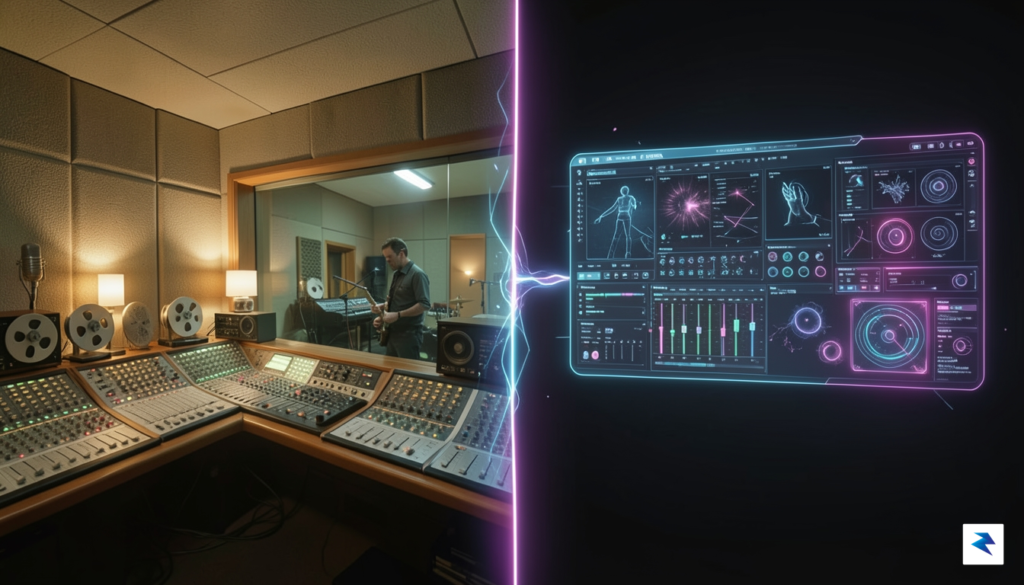
The rapid rise of generative AI platforms has thrust the music industry into an unprecedented moral crisis, forcing a confrontation between the relentless pace of technological innovation and the fundamental rights of human artists. At the heart of this conflict lies the practice of large-scale data scraping, where platforms ingest vast troves of copyrighted audio to train their models. When algorithms synthesize these millions of human-made inspirations into new tracks, they effectively commodify the life’s work of songwriters and performers without their consent or compensation. This creates a deeply troubling power imbalance, where the very creators whose artistic legacies are used to “teach” these systems are simultaneously being pushed to the margins of their own industry.
The distinction between human “learning” and machine “scraping” is where the most volatile ethical debate resides. Proponents of AI often argue that their models are simply emulating the natural way a human musician studies their predecessors to develop a unique sound. However, this comparison ignores the sheer scale and speed at which AI operates; while a human might spend a lifetime mastering an instrument or internalizing a genre, an AI model can replicate a specific artistic “style” in mere seconds. This form of digital mimicry feels less like artistic evolution and more like systematic style theft, potentially stripping human musicians of their unique competitive advantage—their individual creative identity.
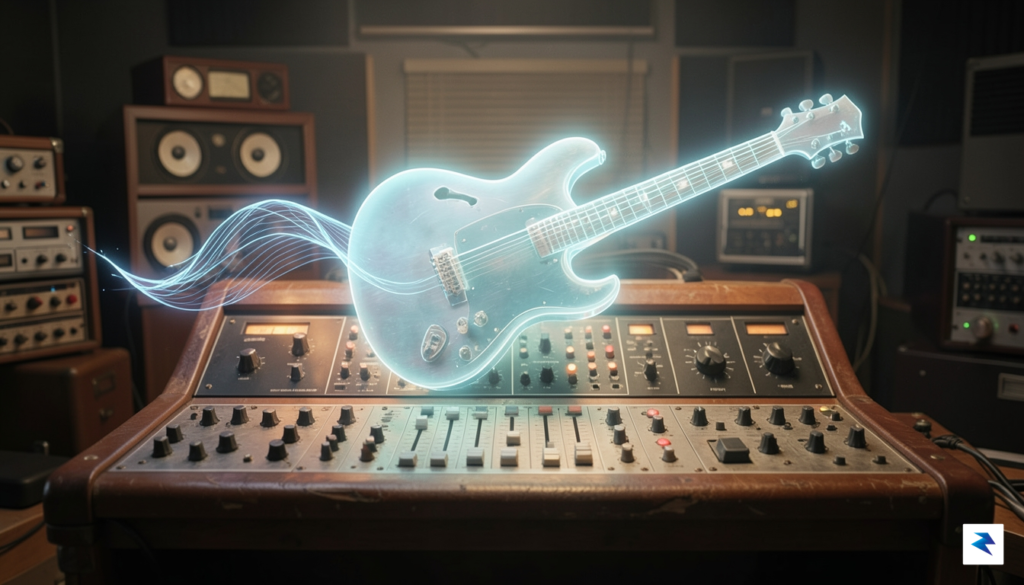
Beyond the philosophical arguments, there is a very real, tangible threat to the livelihoods of those who have dedicated their lives to music. If AI-generated content can flood the market with high-quality, royalty-free background music or genre-specific tracks, the economic viability of professional musicianship is severely compromised. Many artists rely on sync licensing and commercial work to sustain their careers; if these opportunities are cannibalized by software trained on their own work, the industry risks an erosion of human creativity. The broader sentiment among many industry professionals is one of profound betrayal—a sense that the tools meant to assist human expression are being repurposed to make the human contributor obsolete.
The true cost of generative AI in music is not measured in processing power, but in the potential devaluation of the human experience that defines art.
Ultimately, the challenge for the future lies in establishing a framework of fair compensation and transparency. If AI platforms are to exist alongside human creators, they must move away from the “move fast and break things” mentality that has characterized their initial growth. Without meaningful regulation, licensing agreements, and an opt-out mechanism for artists, the music industry risks a future where the “soul” of a song is nothing more than a statistical probability, leaving the original architects of our sonic culture behind in the wake of algorithmic efficiency.

The revelation that platforms like Suno may have relied on massive data scraping from YouTube serves as a high-stakes catalyst for ongoing judicial battles. For years, AI developers have operated under the assumption that scraping publicly accessible data falls under the legal umbrella of “fair use,” arguing that their models transform information into something entirely new. However, the music industry—and individual creators—are increasingly challenging this interpretation. They argue that when an AI ingests millions of copyrighted songs to replicate style, timbre, and composition, it isn’t “transformative” but rather a sophisticated form of unauthorized derivative work that threatens the economic viability of human artistry.
Current litigation, including high-profile cases involving major record labels and tech giants, is currently stalled at the foundational question of whether training data constitutes an infringement. If courts eventually rule that the ingestion of copyrighted material without explicit licensing is a violation of intellectual property rights, the business models of nearly every generative AI company could be rendered obsolete overnight. This legal uncertainty has created a precarious environment where innovation is clashing head-on with established property laws, forcing judges to decide whether the “fair use” doctrine was ever intended to cover the industrial-scale harvesting of global creative output.
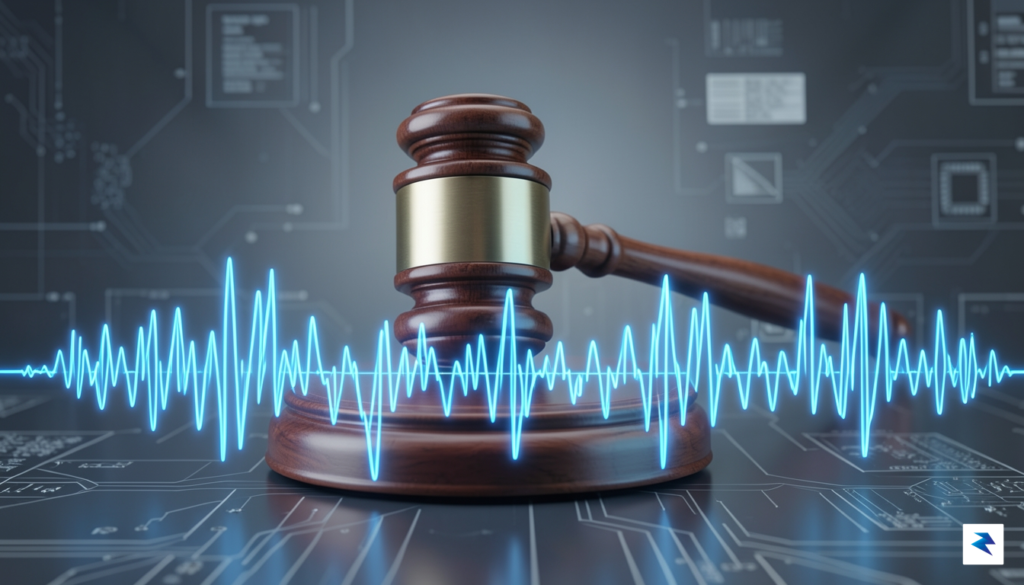
As these lawsuits wind through the court system, there is a growing consensus that the status quo is unsustainable. We are likely approaching a regulatory tipping point where “wild west” data scraping will be replaced by formal, industry-wide licensing agreements. Similar to how streaming services negotiated complex royalty structures with publishers and labels decades ago, AI developers will likely need to move toward a model where they pay for the right to train on curated, licensed datasets. This transition would not only provide legal protection for the companies but also ensure that the original creators whose work fuels these algorithms receive some form of compensation or attribution for their contributions.
The future of generative AI hinges on a delicate balance: how do we incentivize technological breakthroughs while ensuring that the humans whose creativity built the foundation of these models are not left behind?
Ultimately, the role of policy will be to create a sustainable middle ground. If legislation moves too aggressively to restrict data access, it risks stifling the next generation of creative tools; however, a failure to protect intellectual property could devastate the music industry by devaluing human labor. Legislators are now under immense pressure to draft new frameworks that account for the nuances of generative media, potentially requiring transparency reports that disclose what data was used to train specific models. By establishing clear guardrails, policy can transform AI from a disruptive force that ignores copyright into a collaborative tool that respects the rights of artists while still pushing the boundaries of what is technologically possible.

The recent revelations surrounding data acquisition practices have brought the music industry to a critical crossroads, one where the urgency for a new ethical framework cannot be overstated. If generative AI companies wish to remain viable in the long term, they must pivot from a “scrape first, ask questions later” philosophy to a model built on radical transparency and mutual benefit. Relying on opaque data harvesting is not just a legal liability; it is a fundamental breach of trust that alienates the very creative community these tools claim to support. For AI music generation to reach its full potential, it must evolve into an ecosystem where the provenance of training data is verifiable, allowing creators to track how their work influences the models that eventually shape the future of sound.

A sustainable path forward requires the implementation of robust, standardized mechanisms that empower artists rather than exploit them. First and foremost, developers should prioritize the creation of comprehensive opt-out systems that are easy to access and globally respected, ensuring that artists have absolute agency over whether their recordings are used for model training. Beyond mere exclusion, the industry should embrace the development of centralized licensing marketplaces. These platforms could act as intermediaries, allowing AI companies to purchase high-quality, ethically sourced datasets directly from rightsholders. By shifting toward a licensing-first approach, companies can ensure they are building their technology on a foundation of legal certainty while simultaneously providing a new revenue stream for musicians who have seen their traditional royalties dwindle.
True innovation in artificial intelligence should not come at the expense of the creators who provide the raw materials for progress; instead, it should foster a symbiotic environment where technology enhances human expression and compensates it fairly.
Ultimately, the long-term viability of any generative platform depends on its ability to demonstrate that its training data was acquired through ethical and fair-use practices. Platforms that continue to rely on controversial, hidden scraping strategies face the inevitable risk of being sidelined by restrictive legislation and debilitating copyright litigation. Conversely, firms that adopt verifiable data provenance—using blockchain or cryptographic watermarking to document the source of their training sets—will likely emerge as the trusted industry leaders. By choosing to prioritize consent and compensation, the AI music sector can move past the current atmosphere of skepticism and toward a future where human creativity and machine learning coexist in a genuinely constructive and equitable partnership.
You must be logged in to post a comment.