How Lionel Messi and Sports Science are Ending the Era of Early Retirement
The New Era of Athletic Longevity For generations, the thirtieth birthday in professional soccer served as an ominous, unofficial expiration…
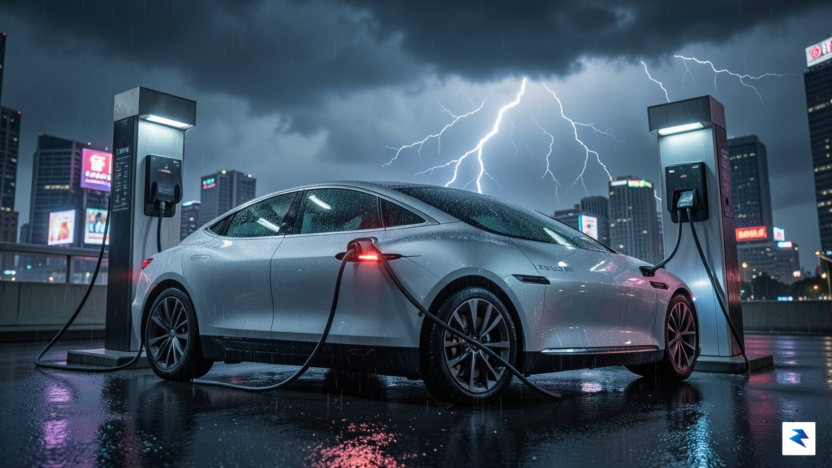
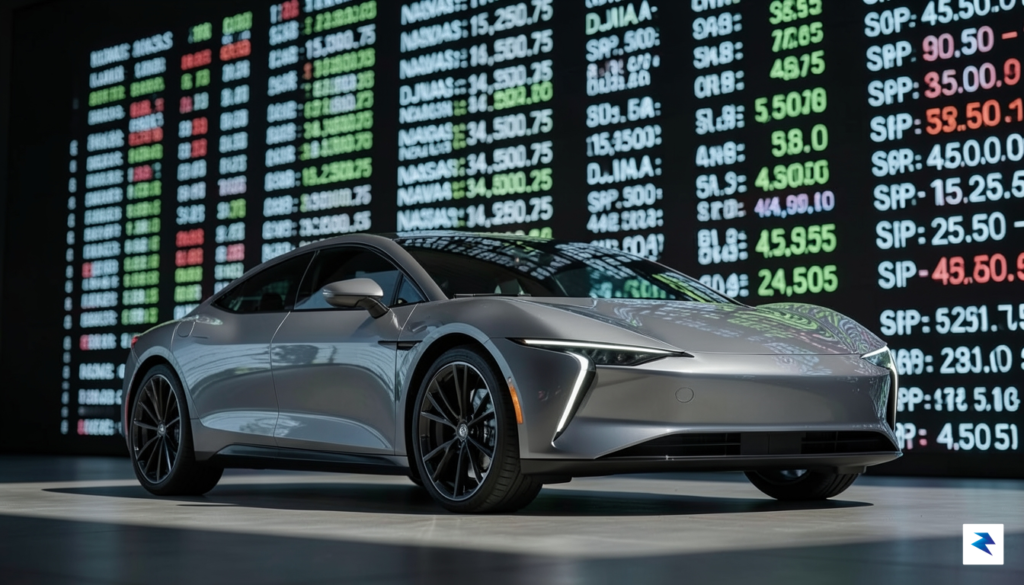
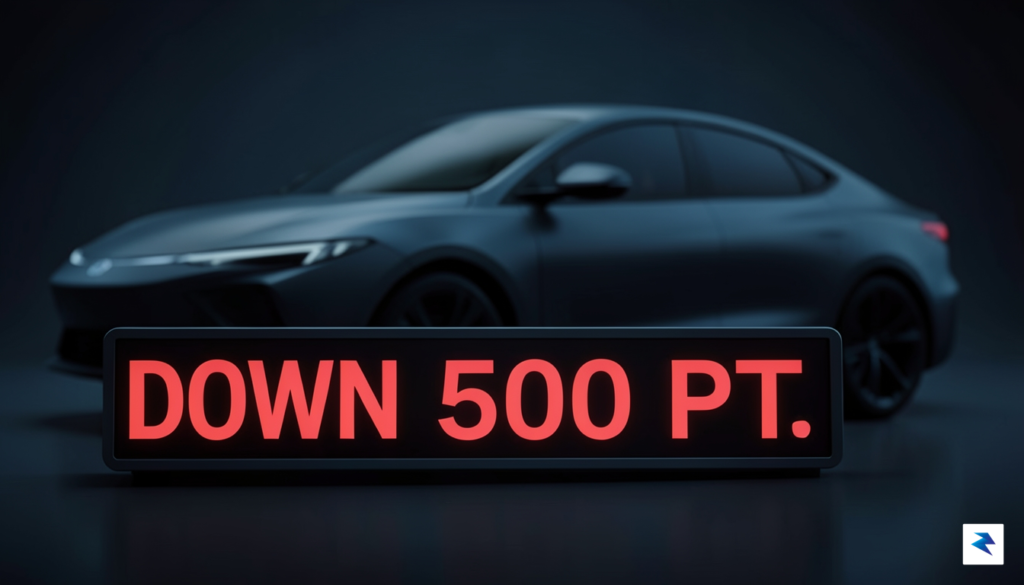
The electric vehicle industry is currently navigating a period of intense volatility, where the line between technical innovation and financial survival is increasingly blurred. For companies like Lucid Motors, which occupy the premium, high-tech segment of the market, the cost of entry is staggering, requiring massive capital expenditures to scale production and refine proprietary battery technology. When whispers of financial distress or bankruptcy circulate, they do more than just rattle shareholders; they create a psychological feedback loop that can stifle consumer confidence. Investors, perpetually wary of the “burn rate” inherent in EV startups, often react to rumors with rapid sell-offs, which in turn fuels further speculation about the company’s long-term viability. This creates a volatile environment where the perceived health of a firm is just as critical as its quarterly delivery numbers.
Market perception in the EV space is uniquely sensitive to negative news cycles, primarily because the industry is still in a transitional phase where legacy automakers and nimble startups are competing for dominance. Unlike established manufacturers with diversified revenue streams, pure-play EV companies are often viewed through a lens of binary success: they are either scaling toward profitability or trending toward collapse. When a rumor gains traction, it forces even potential customers to pause, wondering if their high-end vehicle will have the necessary support infrastructure and software updates years down the line. Consequently, a single speculative headline can damage a brand’s reputation, making it more expensive for the company to raise capital, which ironically brings the feared financial instability one step closer to reality.
Transparency is the only effective antidote to the toxic spread of market speculation. When a company fails to provide a clear, consistent narrative regarding its financial runway and production milestones, it leaves a vacuum that rumors are all too eager to fill.
To combat these pressures, public-facing automotive companies must prioritize unwavering transparency. By providing clear insights into cash reserves, production efficiencies, and strategic partnerships, firms like Lucid can ground investor expectations in facts rather than hearsay. In an era where social media can amplify unverified claims within minutes, the responsibility falls on leadership to maintain a direct line of communication with the public. Failure to do so not only harms the individual company but also casts a shadow over the entire EV sector, fostering a narrative of instability that discourages the transition to sustainable transportation. Ultimately, the stability of the future of electric mobility depends on a market environment built on tangible data, not the fragile whispers of the stock exchange.

In the high-stakes arena of electric vehicle manufacturing, success is rarely defined by the sophistication of the technology alone; rather, it is dictated by the cold, hard mathematics of liquidity. For startups like Lucid Motors, the financial journey is a delicate balancing act between “burn rate”—the speed at which a company consumes its cash reserves to fund operations—and “runway,” the projected amount of time the business can operate before needing additional capital. Unlike software companies that can pivot with minimal overhead, automotive manufacturing requires a staggering upfront investment in gigafactories, supply chain logistics, and specialized labor. Consequently, these companies are effectively racing against a clock that ticks faster with every passing quarter of negative free cash flow.
Lucid’s current financial standing provides a sobering case study in this industry-wide struggle. While the company produces engineering marvels, the costs associated with scaling production from a niche boutique operation to a mass-market player are immense. When a company’s burn rate remains high while vehicle delivery numbers trail behind optimistic projections, investors inevitably grow skittish, leading to rumors of insolvency. This “financial tightrope” is exacerbated by the fact that every vehicle produced often costs significantly more to build than it brings in during the initial stages of assembly, creating a structural deficit that can only be bridged through frequent capital raises or deep-pocketed backing.
The true measure of an EV startup’s longevity is not its stock price or its horsepower figures, but its ability to achieve positive free cash flow before the runway runs dry.
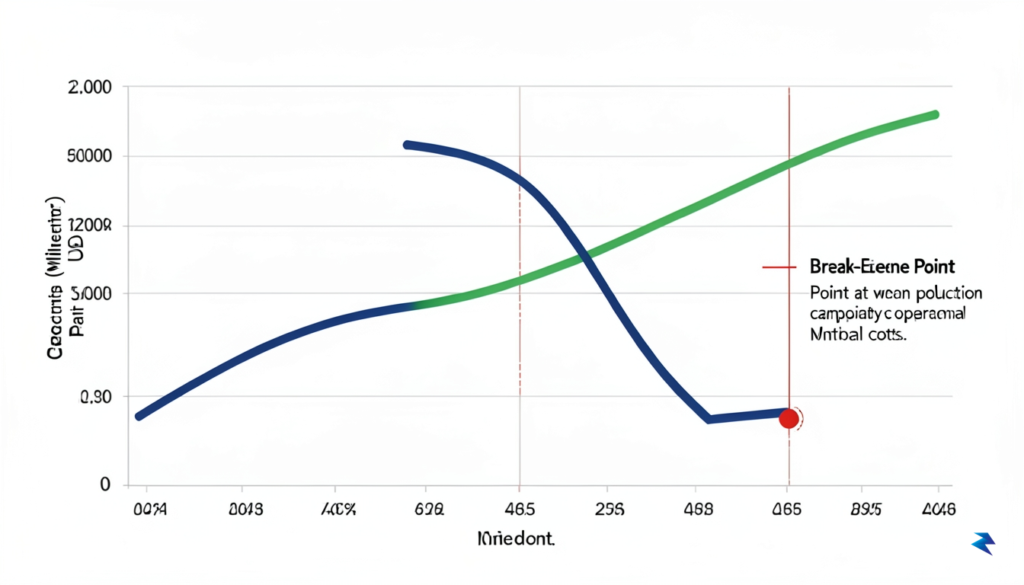
The discrepancy between legacy automakers and new market entrants is stark. Established giants like Ford or Toyota benefit from existing infrastructure, decades of manufacturing expertise, and the consistent cash flow generated by internal combustion engine vehicles, which effectively subsidizes their transition to electrification. New EV entrants, by contrast, lack these legacy cushions and must fund every aspect of their evolution from scratch. This is why free cash flow has become the most scrutinized metric for analysts evaluating the long-term viability of the sector. Without a clear path to profitability, even the most innovative vehicle design risks becoming a footnote in automotive history, proving that in the electric vehicle revolution, capital is the most essential component of all.
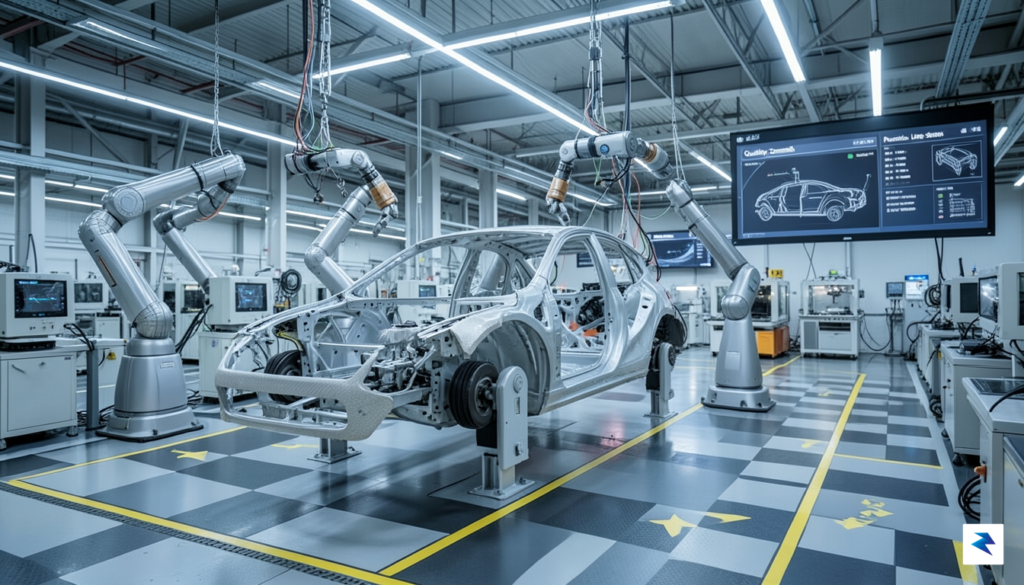
Moving from a visionary prototype to the rigorous, high-volume environment of an active automotive assembly line is arguably the most dangerous “valley of death” for any emerging automaker. For Lucid Motors, the engineering complexity of the Air sedan—boasting industry-leading powertrain efficiency and a sophisticated software architecture—creates an exponentially difficult manufacturing hurdle. Unlike legacy automakers that have spent decades refining their supply chains, Lucid must orchestrate a delicate dance between hundreds of specialized tier-one suppliers while simultaneously maintaining the extreme tolerances required for its high-end luxury aesthetic. When a single component is delayed or arrives out of specification, the entire production flow can grind to a halt, turning a promising manufacturing schedule into a series of costly bottlenecks.
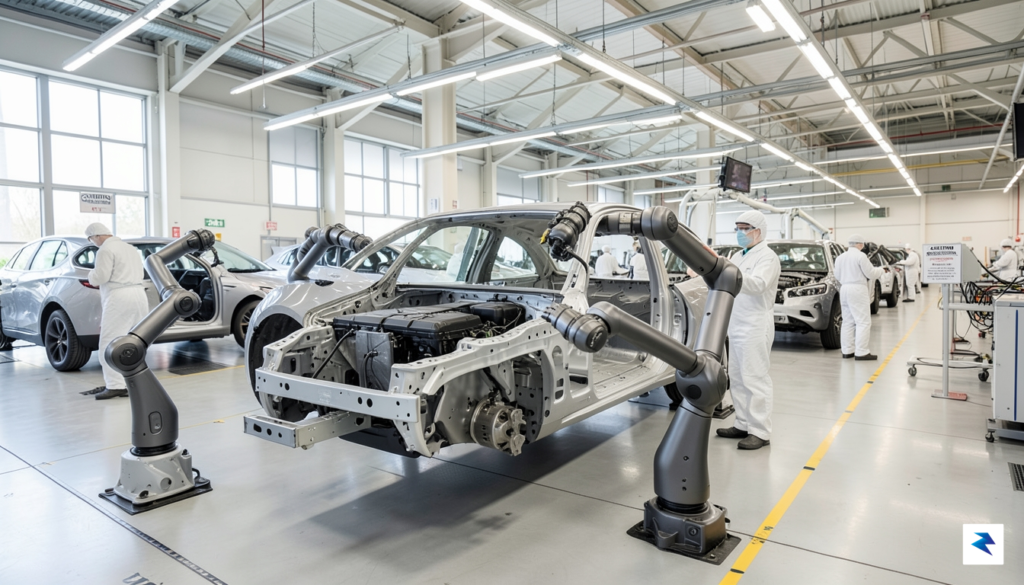
Quality control represents another significant barrier that differentiates the boutique builder from a true mass-market manufacturer. In the luxury segment, customers expect nothing short of perfection; every panel gap, interior stitch, and software interface must be flawless. Achieving this level of fit-and-finish at scale requires an intricate level of labor force management and automated precision that is notoriously difficult to master during the early stages of a product lifecycle. As Lucid attempts to ramp up its output, it faces the constant pressure of balancing the speed of production with the uncompromising quality standards that justify the vehicle’s premium price tag. Any lapse in this delicate equilibrium risks damaging the brand’s reputation, which is a luxury it cannot afford in such a competitive market.
The transition from a prototype to a vehicle that rolls off the line by the thousands is not merely a logistical shift; it is a fundamental transformation of a company’s DNA, requiring mastery over every granular detail of the production process.
These persistent production delays, while ostensibly operational issues, inevitably spill over into the financial realm, feeding the negative market sentiment that currently plagues the company. Investors and analysts often view consistent failure to hit production targets as a proxy for operational instability, regardless of the technological brilliance of the car itself. When milestones are missed, it creates a feedback loop: lower production numbers lead to higher per-unit costs, which squeezes margins and necessitates more capital, thereby fueling speculation about the company’s long-term financial health. Ultimately, Lucid’s ability to survive will depend less on the audacity of its engineering designs and more on its ability to execute the unglamorous, repetitive, and incredibly difficult work of scaling industrial production in a world that shows very little patience for growing pains.
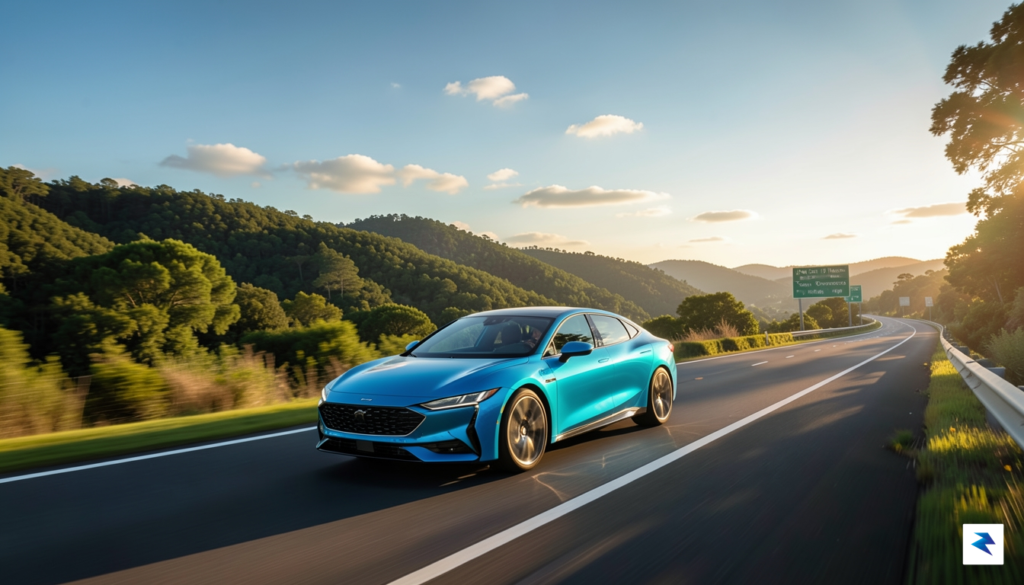
The narrative surrounding Lucid Motors extends far beyond the fate of a single luxury automaker; it serves as a litmus test for the viability of high-tech, premium EV startups in a market increasingly dominated by legacy giants and the established hegemony of Tesla. When a company that prides itself on industry-leading powertrain efficiency and cutting-edge software engineering faces questions about its financial solvency, it ripples through the entire ecosystem of sustainable transportation. These niche manufacturers are not merely selling cars; they are the primary engines of innovation, forced to push the boundaries of battery density and aerodynamic design to justify their existence against cheaper, mass-market alternatives. If a company with Lucid’s technical pedigree struggles to maintain stability, it raises uncomfortable questions about the economic reality of the “EV revolution” and whether the industry is entering a period of painful, necessary consolidation.
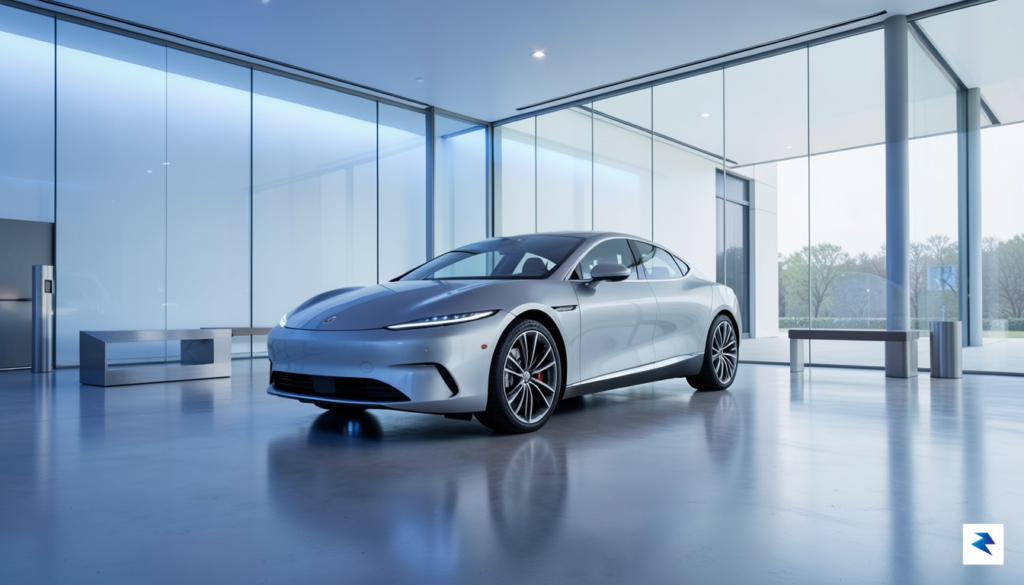
Currently, the automotive landscape is experiencing a brutal transition where the initial enthusiasm for electrification is meeting the cold, hard realities of high interest rates and slowing consumer adoption. While legacy OEMs have the deep pockets required to absorb years of losses while they pivot their massive factories, startups like Lucid and Rivian are essentially running a race against their own cash burn rates. The success of these newer players is essential for industry progress because they often operate with a level of agility that traditional manufacturers simply cannot replicate. They are the ones taking the risks on novel cooling systems, unique battery architectures, and proprietary software stacks that eventually filter down to the rest of the market. If these pioneers are forced to shutter or are bought out by larger conglomerates, the pace of technological iteration could decelerate significantly, leaving the industry to rely on the more conservative, incremental updates typical of established car companies.
The survival of independent, technology-first EV manufacturers is not just a financial concern for investors; it is a critical variable in the speed and quality of our collective transition to sustainable energy.
Ultimately, the threat of market consolidation is a double-edged sword for the average driver. On one hand, a winnowing of the field might lead to a more stable, predictable market where fewer, stronger companies provide better support and infrastructure. On the other hand, a market dominated by a handful of entities rarely fosters the kind of breakthrough innovation that disrupts the status quo. If the financial rumors surrounding Lucid translate into a failure to scale, it may signal to the broader automotive world that the “tech-first” approach is unsustainable, potentially deterring future investment in high-end electric mobility. The coming months will be a defining period not just for Lucid’s balance sheet, but for the competitive diversity of the entire electric vehicle sector as it matures from a frontier of venture-backed dreams into a stable, yet more restrained, pillar of the global economy.

For investors eyeing the electric vehicle sector, market rumors should be viewed as speculative bets on a distant horizon rather than reflections of current operational reality. When whispers of financial distress circulate regarding niche manufacturers like Lucid, they often act as a litmus test for the broader industry’s volatility. Potential investors must learn to distinguish between the noise of short-term market sentiment and the tangible progress of production milestones. Ultimately, the future of these companies will not be determined by speculative headlines or social media chatter, but by the cold, hard metrics of vehicle delivery, gross margins, and the ability to scale manufacturing in a capital-intensive environment.
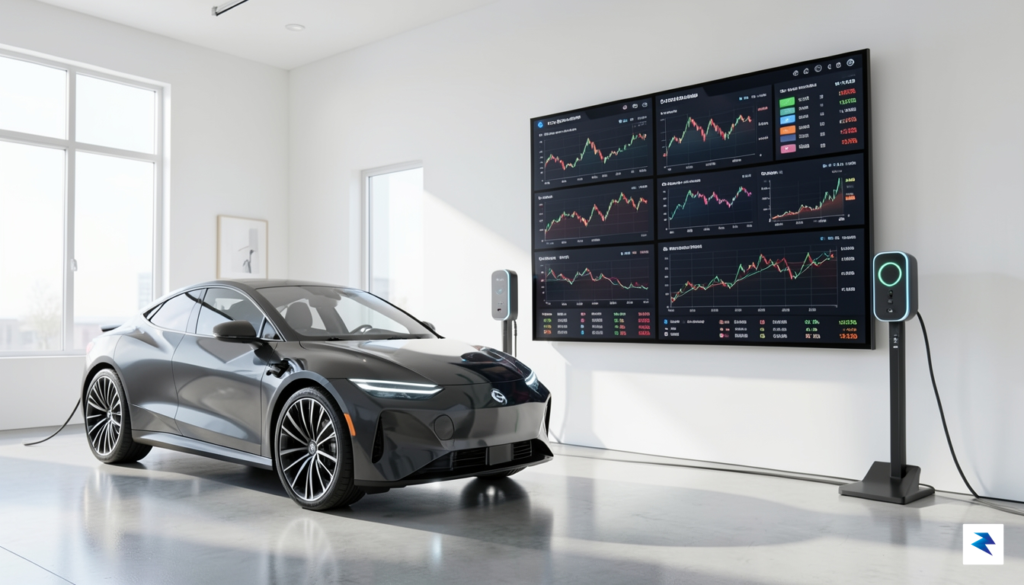
Filtering through industry rumors requires a disciplined approach to due diligence. Instead of reacting to fleeting price fluctuations or unverified reports, savvy investors should prioritize official filings, production capacity reports, and delivery numbers. It is easy to be swayed by the fear of bankruptcy, but a company’s survival is usually tethered to its balance sheet health and its ability to secure liquidity long before a crisis point is reached. By focusing on the fundamentals—such as technological differentiation and partnership stability—investors can maintain a clearer perspective, avoiding the traps of emotional trading that often plague the EV sector.
The transition to electric mobility is a marathon, not a sprint; for niche manufacturers, the primary challenge remains the bridge between engineering prowess and mass-market profitability.
Looking at the long-term outlook for the EV sector, the industry is entering a phase of inevitable consolidation. As legacy automakers ramp up their own electrification efforts, smaller players must prove they offer something unique—whether through proprietary battery efficiency, software integration, or brand prestige—to remain viable. This maturity phase means that not every startup will survive, but those that successfully convert their vision into reliable, mass-produced vehicles will likely define the next generation of transportation. Consumers and investors alike should anticipate a landscape where only the most operationally efficient firms thrive, separating the innovators from the casualties of a rapidly evolving market.
Ultimately, separating financial noise from product reality is the most vital skill for anyone interested in the future of electric vehicles. While bankruptcy rumors may provide a snapshot of current fears, they rarely predict the long-term trajectory of a company that is consistently delivering world-class products. If a firm like Lucid can maintain its focus on technological excellence and continue to satisfy its growing customer base, the market’s current skepticism will eventually yield to the reality of their performance. In the end, the companies that build the best machines and manage their capital with surgical precision are the ones that will reshape how the world moves, regardless of the speculation that attempts to forecast their demise.
You must be logged in to post a comment.