
Why Global Conflict Means Higher Prices for Everyone
The Hidden Cost of Global Instability For decades, the global economy thrived on the assumption of a stable, predictable geopolitical…

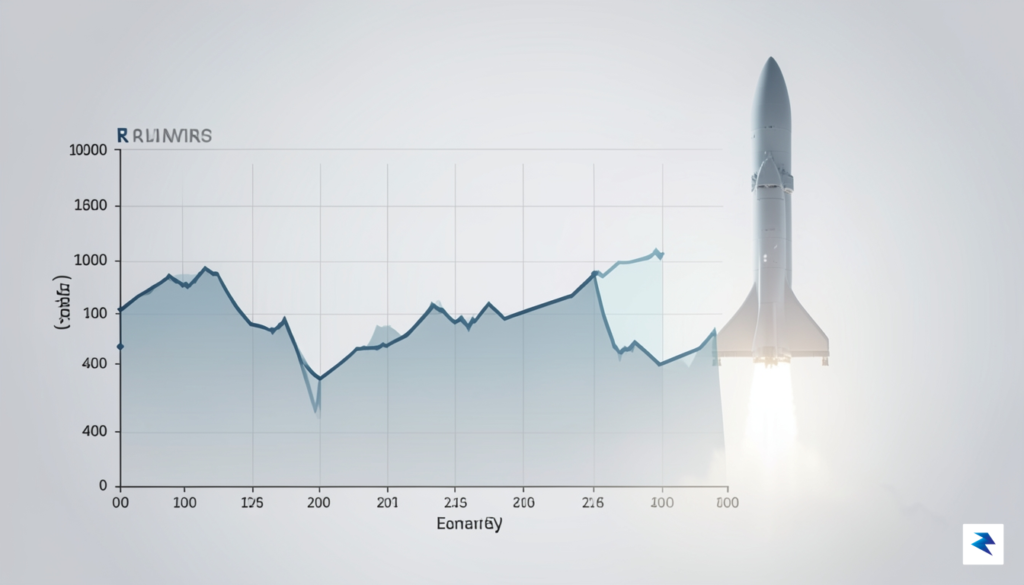
For months, the market narrative surrounding SpaceX was defined by an almost singular focus on hyper-growth and the promise of a multi-planetary future. Investors initially flocked to the stock with a fervor that pushed valuations to impressive heights, viewing the company as an untouchable titan of the emerging space economy. However, the recent slide of the share price below the initial public offering baseline of $135 serves as a sobering reminder that even the most ambitious aerospace ventures are not immune to the gravitational pull of market gravity. This dip represents a fundamental shift in sentiment, signaling that the era of speculative, hype-driven trading is giving way to a more disciplined, value-oriented assessment of the company’s long-term financial health.
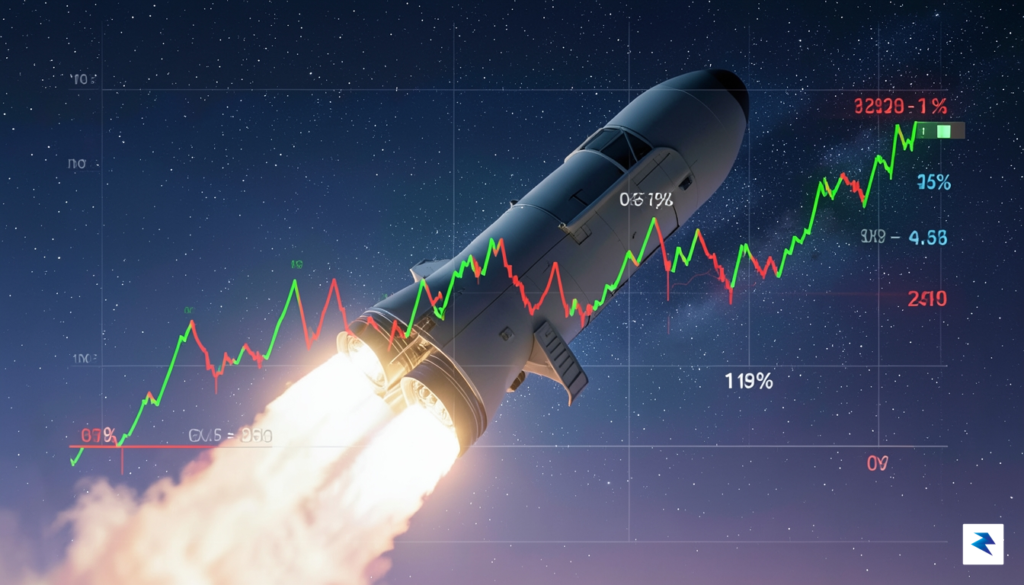
The $135 threshold has long functioned as a psychological anchor for institutional and retail investors alike. When a stock consistently trades above its IPO price, it reinforces a narrative of unchecked success and perceived invulnerability. Conversely, falling below this mark often triggers a re-evaluation of risk, forcing stakeholders to move past the allure of launch day headlines and examine the gritty realities of capital-intensive operations. For a company that demands massive, consistent injections of liquidity to fund R&D and mission infrastructure, this recalibration is not necessarily a reflection of failure, but rather a maturation of the investor base. Investors are now increasingly asking how SpaceX plans to convert its formidable technological prowess into sustained, predictable profitability in an increasingly crowded private space sector.
The transition from a high-growth “moonshot” darling to a stable public entity requires a fundamental shift in how the market values operational efficiency over pure technological ambition.
Volatility is, by its very nature, an inherent characteristic of the aerospace industry, a sector defined by high barriers to entry and extremely long investment horizons. Unlike consumer tech or software companies that can scale rapidly with minimal physical infrastructure, SpaceX operates in a realm where failure carries immense financial and reputational weight. Consequently, market fluctuations are often amplified by the cyclical nature of launch schedules and the inherent risks associated with experimental technology. As the market digests the current performance, it is vital for observers to understand that this downward trend reflects a broader economic environment where interest rates and capital costs are demanding more rigor from high-growth firms. While the dip below $135 may cause short-term anxiety, it provides a clearer, more grounded lens through which to view the company’s potential for long-term value creation.

Valuing a private entity as complex as SpaceX requires a departure from traditional metrics used for retail-facing companies. At its core, the company operates as a hybrid entity, balancing the high-volume, predictable revenue of its launch services against the speculative, capital-intensive future of projects like Starlink and the Starship development program. When the share price dips below historical benchmarks, it is rarely a reflection of operational failure; rather, it signals a market-wide reassessment of the timeline for realizing returns on massive research and development expenditures. Investors are currently recalibrating their expectations, moving away from a “growth at all costs” mentality toward a more disciplined focus on sustainable cash flow and the efficiency of capital deployment in an era of higher interest rates.

The current price movement is heavily influenced by the distinct pressures facing each of SpaceX’s primary business pillars. On the launch side, the company maintains an industry-leading cadence, providing a reliable foundation for revenue. However, the real valuation delta is tied to Starlink’s profitability trajectory and the massive R&D burn rates associated with the Starship launch vehicle. As the company pushes toward deeper space exploration and global high-speed satellite internet, the capital requirements grow exponentially. For institutional investors, the question is no longer just about technological success, but about the specific date these ventures move from being cash-negative innovation centers to self-sustaining profit engines.
The valuation of SpaceX is a tug-of-war between the tangible success of current launch contracts and the long-term, high-stakes bets on the commercialization of low-Earth orbit.
Furthermore, there is a visible disconnect between the expectations of retail investors and the long-term horizons held by institutional backers. Retail market participants often react to short-term news cycles or broader tech-sector volatility, whereas the venture capital and private equity firms backing SpaceX are accustomed to ten-year investment cycles. Macroeconomic conditions—specifically the shifting cost of debt and the cooling of the tech-heavy private market—have forced a tighter scrutiny on valuation multiples. When capital becomes more expensive, the market naturally discounts companies that require heavy upfront funding for projects that may not reach full maturity for years. Consequently, the dip below the $135 threshold serves as a reminder that even the most visionary companies are not immune to the gravitational pull of global fiscal policy and the fundamental requirement for demonstrable, long-term fiscal efficiency.
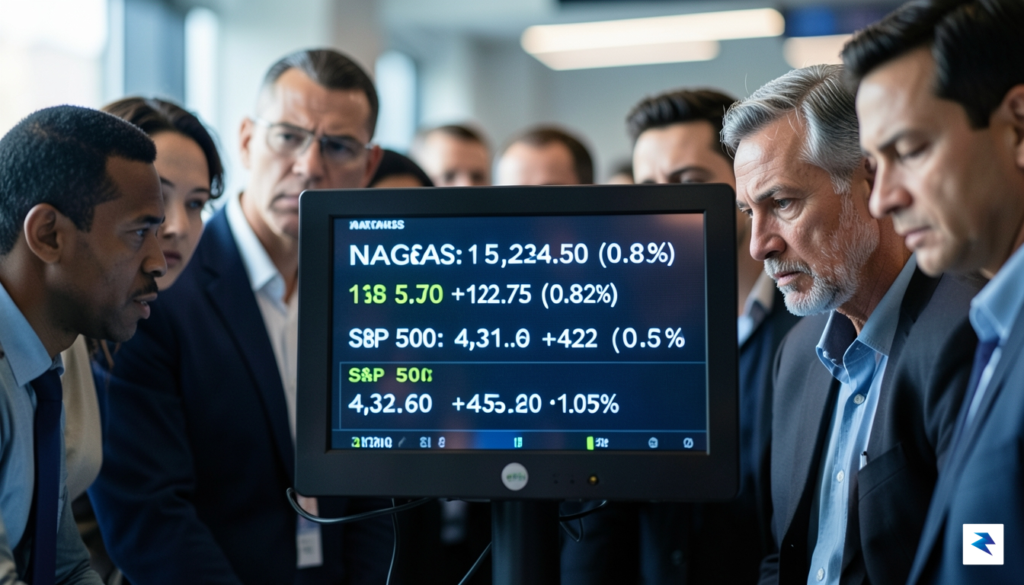
For those watching the ticker tape, a dip below the $135 mark can feel like a signal to panic, yet this reaction often conflates short-term market noise with the actual operational health of a company that is fundamentally reshaping the aerospace industry. Speculative trading is driven by immediate liquidity needs, macroeconomic shifts, and retail sentiment, all of which are ephemeral by nature. In contrast, fundamental investing looks past the current share price to evaluate the intrinsic value of SpaceX’s assets: its launch cadence, its reusable rocket fleet, and its growing dominance in low-Earth orbit connectivity. While the market may obsess over price volatility, the underlying engineering milestones and revenue-generating capabilities of the firm remain on an upward, accelerating trajectory.
SpaceX occupies a unique position as the undisputed market leader in reusable rocket technology, a competitive moat that is difficult for legacy providers or new entrants to bridge. By successfully mastering the art of landing and relaunching the Falcon 9, the company has effectively slashed the cost of access to space, turning what was once a prohibitively expensive endeavor into a routine logistical operation. This technological edge is not merely an engineering feat; it is a profound economic advantage that translates directly into sustained contract wins for both commercial satellite deployment and critical government missions. While the stock price may fluctuate due to broader capital market conditions, the operational reality is one of consistent execution, with each launch further cementing the company’s status as an essential utility for the modern space economy.
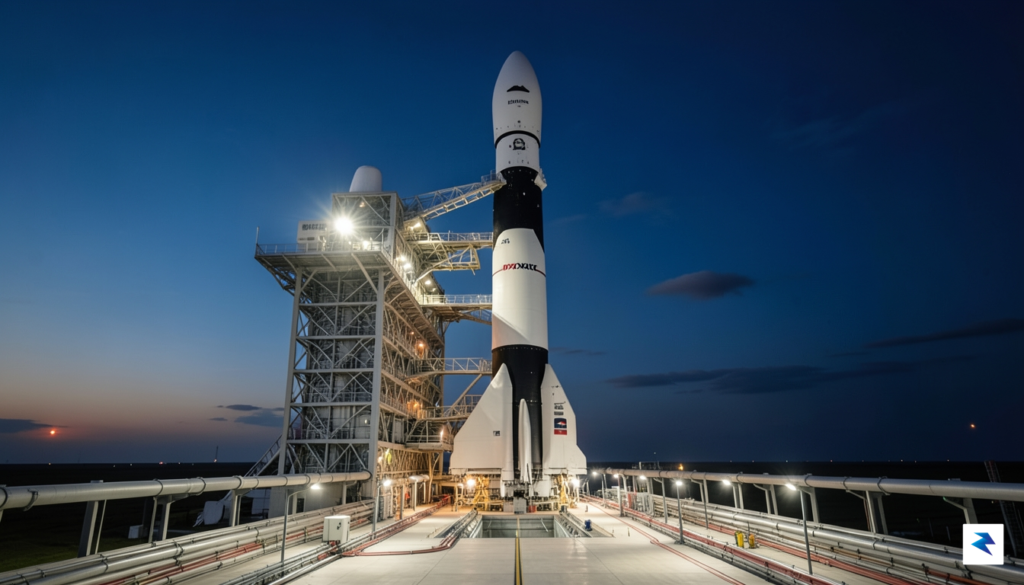
Institutional investors, who often hold the largest stakes in private space ventures, generally view the company’s trajectory through a lens that differs significantly from that of the day-trader. These long-term stakeholders are less concerned with the daily fluctuations in secondary market pricing and more focused on the long-term viability of the Starlink constellation. By providing high-speed, low-latency internet to underserved regions across the globe, Starlink represents a recurring revenue stream that is largely decoupled from the traditional “one-off” launch contract model. This diversification provides a hedge against the cyclical nature of launch services, ensuring that even if one segment of the business faces headwinds, the overall enterprise maintains a robust foundation.
The true measure of a company’s worth is not found in the daily ticker, but in the sustained execution of its core mission and the scalability of its underlying technology.
Ultimately, the disconnect between market pricing and operational progress is a common phenomenon in high-growth industries. When investors prioritize the noise of the secondary market over the signal of manufacturing output and satellite deployment rates, they risk missing the broader picture. SpaceX’s mission is measured in decades, not quarters, and its ability to maintain a dominant market share in an era of renewed space exploration suggests that the current price levels may represent a disconnect rather than a decline in the company’s structural health. For those who understand the mechanics of the industry, the current volatility is simply a feature of the market, not a reflection of the firm’s future potential.

The current market valuation, dipping below the $135 threshold, serves as a significant signal for SpaceX leadership to recalibrate its internal focus toward operational rigor and fiscal discipline. When equity value softens, the pressure on management to demonstrate a clear, tangible path to sustained profitability intensifies, moving the company away from the era of “growth at any cost” and toward a model of demonstrated efficiency. For SpaceX, this transition is not about abandoning ambition, but rather about refining the execution of its primary revenue drivers: the high-cadence launch business and the global scaling of the Starlink satellite internet constellation. By doubling down on these pillars, leadership can reassure stakeholders that the company’s massive capital expenditures are yielding predictable, scalable returns.
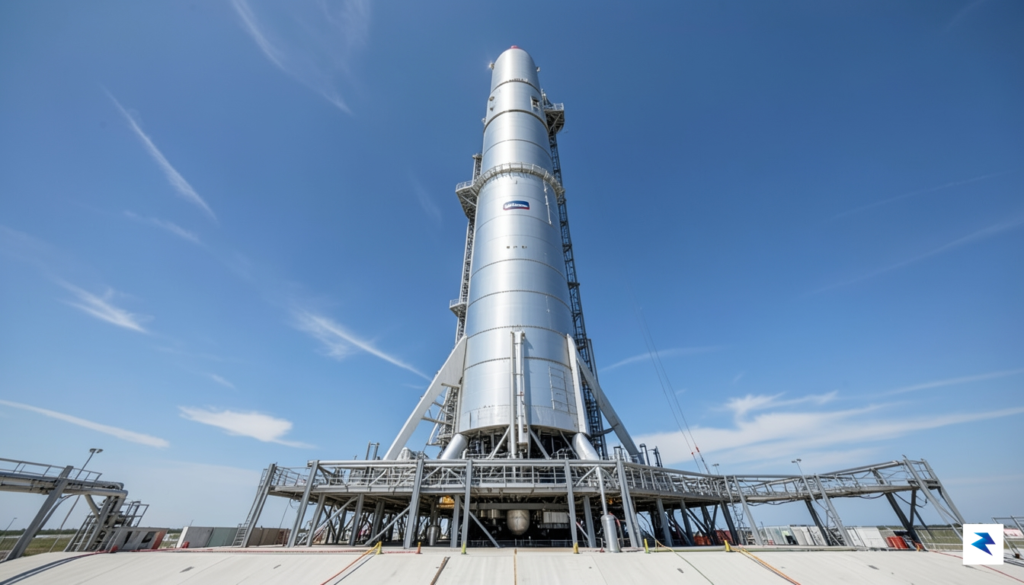
Meeting upcoming launch milestones has transitioned from a technical goal to a critical financial imperative. Every successful flight of the Falcon 9 and the accelerated development of the Starship architecture directly impact the company’s bottom line by reducing the cost per kilogram to orbit. Investors are looking for evidence that SpaceX can maintain its industry-leading launch cadence while simultaneously managing the overhead associated with deep-space exploration projects. Consequently, we can expect management to prioritize initiatives that streamline manufacturing processes and shorten turnaround times between launches, as these improvements are the most direct levers available to expand profit margins in a capital-intensive industry.
The path to long-term valuation recovery lies in the relentless pursuit of reusability and the scaling of recurring revenue streams, proving that SpaceX is not just a pioneer of space, but a sustainable engine for global connectivity.
Furthermore, the company faces the delicate task of balancing aggressive, R&D-heavy innovation with the need to show a path to consistent positive cash flow. While the allure of Martian colonization remains central to the company’s identity, the next few quarters will likely see an increased emphasis on Starlink’s subscriber growth and enterprise-level service adoption. By proving that Starlink can generate reliable, recurring revenue at scale, SpaceX can effectively hedge against the inherent volatility of launch contracts. This dual-track strategy—leveraging launch dominance to fund satellite expansion—remains the most robust defense against market skepticism. Ultimately, the company’s success in the coming years will be measured by its ability to turn its technological monopoly into a predictable, high-margin financial machine that justifies its premium valuation to both public and private investors.
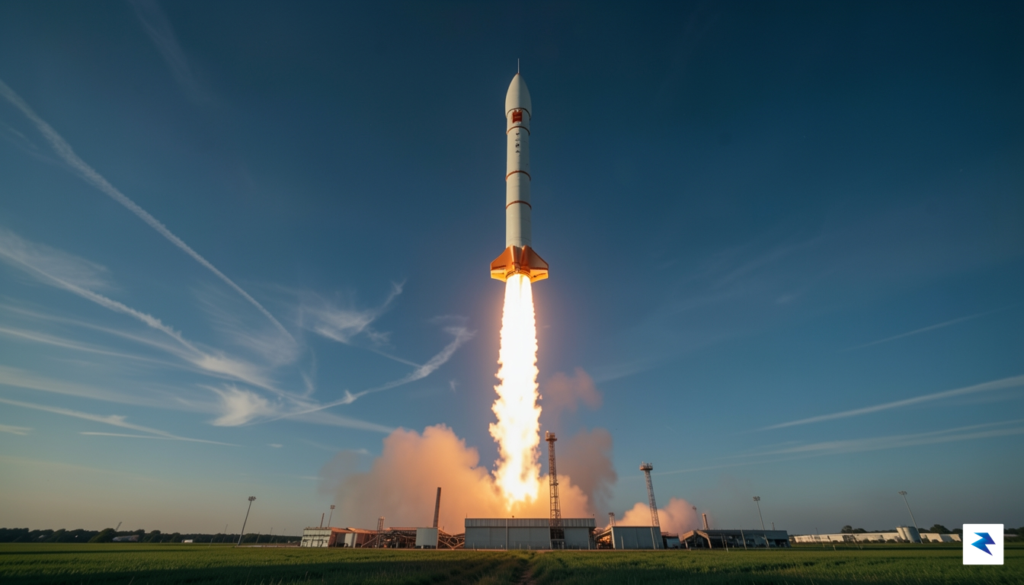
As the undisputed heavyweight of the commercial aerospace sector, SpaceX serves as the primary bellwether for the entire “NewSpace” economy. When the company’s valuation experiences volatility, it inevitably sends shockwaves through the venture capital landscape, forcing institutional investors to recalibrate their expectations for the industry at large. For years, SpaceX’s meteoric rise provided a rising tide that lifted all boats, encouraging an influx of speculative capital into smaller, high-risk aerospace startups. Now, as the market cools, investors are shifting their focus away from the “growth at any cost” mentality that defined the previous decade, favoring instead companies that can demonstrate tangible operational revenue and clear paths to profitability.

This cooling effect is fundamentally changing the criteria for success in the private spaceflight sector. Where investors once poured funding into theoretical technologies and ambitious, long-term moonshots, the current climate demands proof of sustainable space-based infrastructure. Capital is increasingly being diverted toward ventures that provide essential services—such as orbital logistics, satellite manufacturing, and deep-space communications—rather than companies relying on unproven business models. Consequently, smaller aerospace ventures that cannot articulate a concrete value proposition are finding it significantly harder to secure follow-on funding, leading to a natural consolidation within the market.
The transition from speculative hype to infrastructure-driven value marks a critical maturation phase for the private space industry, separating sustainable business models from transient technological experiments.
Ultimately, these market movements suggest that the space economy is graduating from its experimental infancy into a more rigorous, performance-driven phase of development. While a dip in valuation for an industry giant might cause short-term apprehension, it also serves as a necessary reality check that encourages fiscal discipline across the board. By forcing startups to prioritize efficiency and revenue generation, the current investment environment is likely to produce a more resilient and capable ecosystem in the long run. As the sector matures, the focus will remain on which companies can effectively bridge the gap between orbital potential and terrestrial economic utility, ensuring that the next generation of spaceflight is built on a foundation of solid financial performance rather than just raw ambition.
You must be logged in to post a comment.