
SpaceX Stock Falls Below $135: What Investors Need to Know
The Reality of the SpaceX Market Debut For months, the market narrative surrounding SpaceX was defined by an almost singular focus on…
For years, the dream of playing triple-A PC titles while lounging on a couch or commuting on a train felt like an elusive fantasy, usually tethered to bulky laptops or underpowered emulation devices. However, the release of the Steam Deck shattered those limitations, effectively democratizing the portable gaming experience and sparking a massive industry pivot. When the ASUS ROG Ally followed, it signaled that the market was no longer just a niche playground for enthusiasts, but a competitive battlefield for mainstream tech giants. This sudden explosion of interest transformed handheld PCs from curiosity-driven prototypes into legitimate, high-performance ecosystems that challenge the dominance of traditional desktop setups and dedicated consoles alike.
MSI, a brand synonymous with high-end gaming laptops and professional-grade performance, could not afford to sit on the sidelines as this portable revolution gathered steam. Entering the fray with the original Claw was a bold, albeit rocky, attempt to bring the company’s signature design philosophy into a smaller chassis. Yet, the rapid iteration we see today with the Claw 8 AI+ suggests that MSI has been listening intently to community feedback. By shifting toward an 8-inch form factor, the company is making a calculated move to solve the primary complaint of its predecessors: screen real estate. In a landscape now crowded with 7-inch displays, the bump to a larger, more immersive screen feels less like a design choice and more like a necessary evolution to compete with the latest hardware refreshes from rivals.
The handheld market has moved past the “proof of concept” phase; today’s consumers demand desktop-level power, refined ergonomics, and a seamless software experience that doesn’t feel like a compromise.
This iteration of the Claw is fundamentally a critical pivot for MSI, representing a transition from simply participating in the market to actively seeking to lead it. The company is betting that users are willing to trade the compact nature of smaller devices for the enhanced visibility and processing overhead of an 8-inch, AI-integrated powerhouse. As the industry moves toward more efficient silicon and smarter hardware optimization, the Claw 8 AI+ stands at a pivotal crossroads. It must prove that MSI’s pedigree in cooling, durability, and raw performance can successfully translate into a premium portable package that justifies its ambitious price point in an increasingly value-conscious market.
The most immediate change upon picking up the new MSI Claw 8 AI+ is the expansion to a larger 8-inch display, a transition that fundamentally shifts the handheld’s presence in your hands. While the original model felt somewhat cramped by modern standards, this increased screen real estate provides a significantly more immersive canvas for demanding titles. The colors appear punchier, and the added resolution density helps mitigate the “pixelated” feel often associated with smaller screens, effectively pulling you deeper into the game world. It is clear that MSI prioritized visual impact here, ensuring that the device feels less like a portable toy and more like a high-end, dedicated gaming machine.
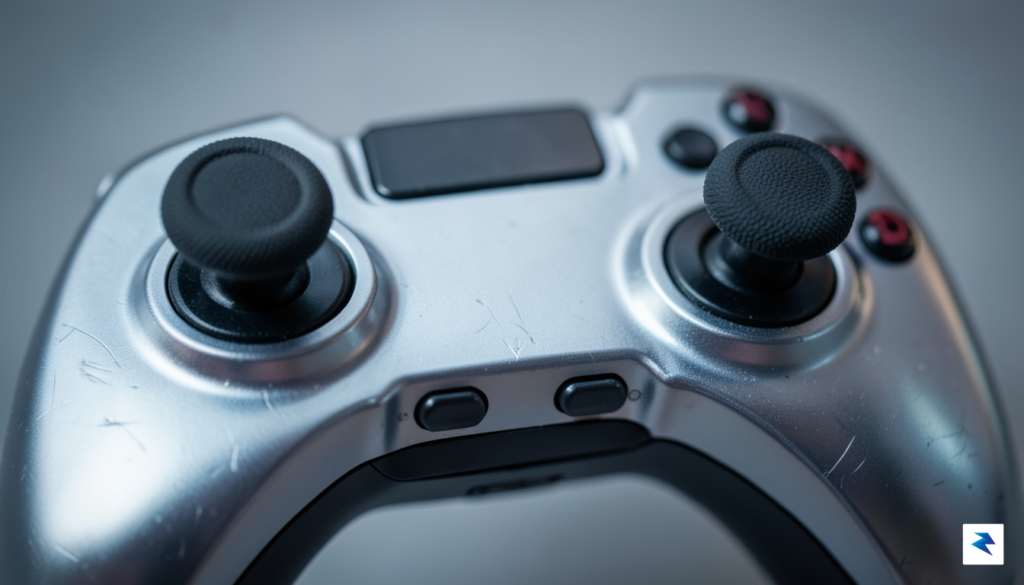
Beyond the visuals, the ergonomics have seen a refined overhaul that directly addresses the criticisms leveled at the first-generation unit. MSI has clearly gone back to the drawing board to optimize weight distribution, making the device feel more balanced during extended play sessions. The grips have been subtly contoured to fit the natural curve of your palms, reducing the strain on your wrists that typically occurs after an hour or two of intense action. This improvement is bolstered by the introduction of Hall effect joysticks, which not only offer superior durability against stick drift but also provide a much smoother, more precise tension that enhances tactile feedback during competitive gameplay.
The combination of improved weight distribution and the refined grip texture makes the Claw 8 AI+ feel significantly more premium than its predecessor, effectively turning long-haul gaming sessions from a chore into a comfortable experience.
The button layout also reflects a more thoughtful approach to accessibility and speed. Every trigger, bumper, and face button is positioned to minimize finger travel, allowing for quicker reactions in fast-paced shooters or complex RPG menus. The build quality feels more robust, shedding the “plasticky” aesthetic of the original for a chassis that feels dense and resilient. By focusing on these nuanced physical refinements, MSI has successfully transformed the ergonomics from a potential dealbreaker into one of the device’s strongest selling points. Whether you are playing for twenty minutes on a commute or settling in for a long evening of gaming, the hardware now feels like a natural extension of your hands rather than a bulky piece of tech you have to wrestle with to enjoy.
At the heart of the MSI Claw 8 AI+ lies the architectural marvel that is Intel’s Lunar Lake. Unlike the previous Meteor Lake iteration, which struggled to find its footing in the highly competitive handheld space, Lunar Lake has been engineered from the ground up with a focus on power efficiency and low-wattage performance. By integrating the memory directly onto the processor package and utilizing a sophisticated new tile architecture, Intel has managed to drastically reduce latency and power leakage. This shift results in a more responsive system that doesn’t just promise higher frame rates; it delivers a much more stable experience when navigating the Windows environment or swapping between demanding background applications and foreground gaming sessions.
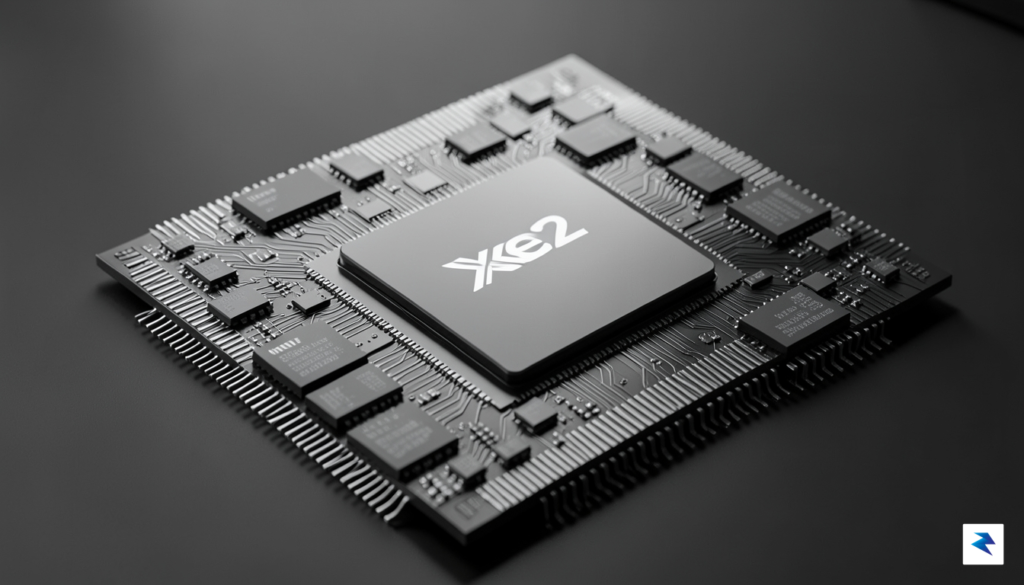
When it comes to real-world gaming, the transition from Meteor Lake to this new silicon is nothing short of transformative. In AAA titles, the Claw 8 AI+ demonstrates a level of graphical fidelity that finally rivals the long-standing dominance of AMD’s Z1 Extreme chipset. Players can expect significantly higher frame stability in titles like Cyberpunk 2077 or Shadow of the Tomb Raider at medium settings, largely thanks to the enhanced Xe2 graphics architecture. While indie games and retro-emulation were never an issue for previous versions, the Lunar Lake advantage shines brightest here by allowing the device to run these less demanding titles at a fraction of the power consumption, effectively extending your unplugged playtime by nearly an hour compared to the original Claw.
The Lunar Lake architecture isn’t just a iterative update; it is a fundamental redesign that prioritizes efficiency-per-watt, finally allowing Intel-based handhelds to compete on equal footing with the most popular chips in the market.
Thermal management is another area where the new architecture provides a distinct advantage. Because the Lunar Lake chip is vastly more efficient at lower power profiles, the internal fans do not need to ramp up to jet-engine speeds to keep the device cool during sustained gaming sessions. This results in a quieter, more comfortable handheld experience, as the chassis remains noticeably cooler to the touch during long play sessions. By intelligently balancing background tasks—such as Windows updates, cloud syncing, or launcher management—without starving the GPU of resources, the system maintains a consistent performance floor that prevents the stuttering often seen in competing handhelds. Ultimately, this technical leap ensures that the Claw 8 AI+ feels like a premium, polished piece of hardware rather than a prototype, marking a significant milestone for Intel in the portable gaming sector.
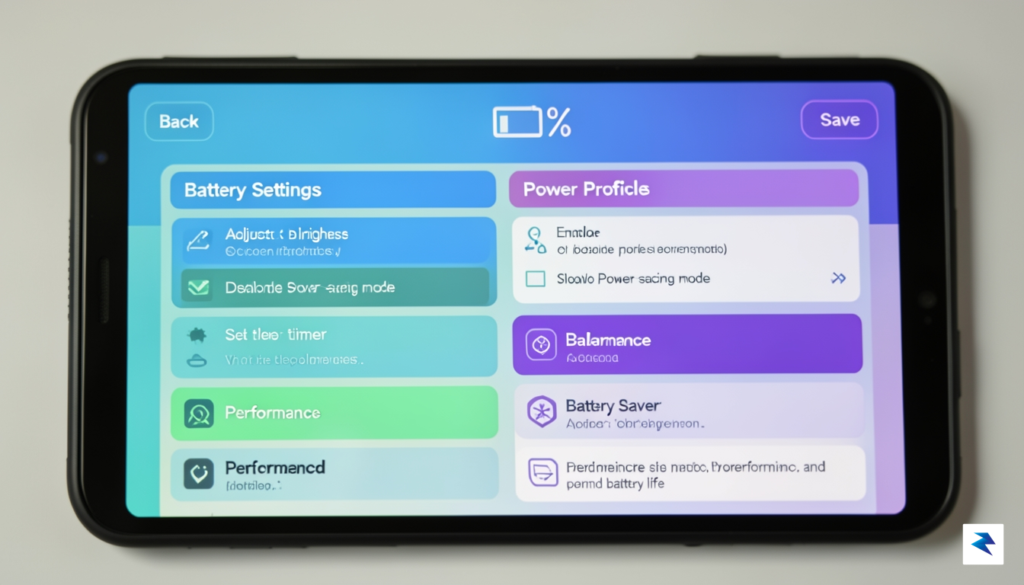
Navigating the MSI Claw 8 AI+ feels like a constant tug-of-war between the ambition of high-end silicon and the inherent friction of running a desktop operating system on a portable device. At the heart of this experience is the MSI Center M interface, a custom overlay designed to bridge the gap between Windows 11 and a console-like feel. While the launcher provides quick access to your library and essential system toggles, it occasionally feels like a thin veneer over a complex OS that still demands mouse-like precision. When you inevitably drop back to the standard Windows desktop to manage game updates or file installations, the experience becomes jarring, requiring the occasional use of the touchscreen or virtual keyboard that rarely feels as intuitive as a native console interface.
The true test for any handheld, however, remains the delicate balance between raw performance and power endurance. Under heavy gaming loads, the MSI Claw 8 AI+ pushes its TDP (Thermal Design Power) to extract every frame possible, but this comes at a significant cost to longevity. In our stress tests, running demanding AAA titles at the highest performance profile consistently drained the battery in under 90 minutes. While the device offers multiple power presets—ranging from a conservative “Super Battery” mode to the high-octane “Extreme Performance” setting—there is a noticeable drop in frame stability when you try to prioritize longevity over throughput.
The reality of modern handheld gaming is that battery life is rarely a marathon; it is a series of sprints that requires careful management of your hardware profiles.
To maximize your time away from a wall outlet, we found that capping the refresh rate and utilizing the lower-wattage balanced profile often yields the best results. By slightly throttling the processor, you can extend your play session by nearly thirty percent without sacrificing the fluidity of less demanding indie titles. It is a necessary compromise, as the power-hungry nature of the latest integrated graphics means you are frequently tethered to a power bank if you intend to travel. Ultimately, while the MSI Center M software tries to streamline these adjustments, the underlying Windows 11 architecture remains a power-intensive foundation that requires users to be proactive with their settings if they want to get through a long-haul flight or an extended commute.
When distilling the experience of the MSI Claw 8 AI+ into a single takeaway, it becomes clear that we are looking at a device caught in a difficult identity crisis. On one hand, the engineering leaps made by MSI—particularly regarding thermal efficiency and the integration of the Lunar Lake architecture—are undeniably impressive. The device feels more refined, more responsive, and significantly more capable than its predecessor. However, in the high-stakes world of handheld gaming, performance rarely exists in a vacuum; it is inextricably linked to the price tag. By positioning this unit at a premium MSRP, MSI has placed itself in direct, uncomfortable competition with established titans like the ROG Ally X and the Steam Deck OLED, both of which have mastered the art of value-driven hardware.
The core issue lies in the diminishing returns of the “premium tax” that MSI has applied here. While the Claw 8 AI+ delivers a polished software experience and superior battery longevity compared to the original model, it struggles to justify a significant price hike over the ROG Ally X, which currently offers a more mature ecosystem and arguably better ergonomic handling for long sessions. For the casual gamer, the Steam Deck OLED remains the gold standard for value, offering a best-in-class display and a seamless UI that makes the Windows-based frustrations of the MSI feel burdensome. Unless a user is specifically married to the MSI brand or requires the niche benefits of the latest Intel silicon, the math simply doesn’t favor the Claw 8 AI+ in a head-to-head comparison.
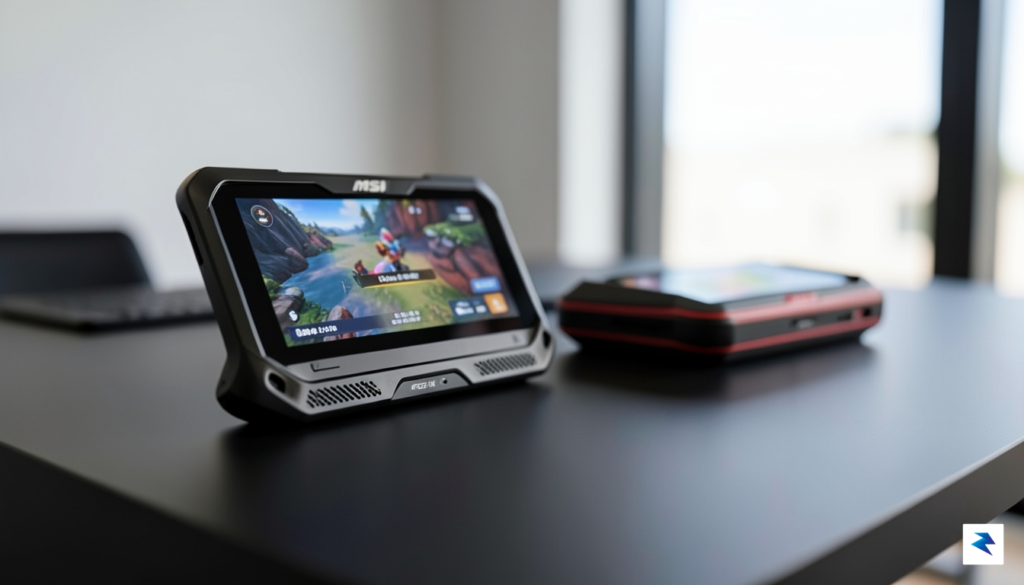
The MSI Claw 8 AI+ is a triumph of iterative hardware design, but it remains a luxury purchase that forces the consumer to pay a premium for incremental gains in a market defined by aggressive pricing.
Ultimately, this device is best suited for the power user who prioritizes cutting-edge architecture and specifically needs an Intel-based handheld for productivity or software compatibility reasons. It is a fantastic piece of tech for the enthusiast who wants to experiment with the latest chips, but it fails to be the “everyman” console that the handheld market currently craves. If MSI intends to capture a larger share of the handheld gaming community, they will need to reconsider their pricing strategy or provide a level of software optimization that truly sets them apart from the competition. Until that happens, the Claw 8 AI+ remains an alluring, albeit overpriced, alternative to the dominant choices currently sitting on store shelves.
You must be logged in to post a comment.