
4 Best Personal Safety Alarms to Stay Secure in 2026
Understanding the Role of Personal Safety Alarms In our increasingly mobile society, the concept of personal security has undergone a…
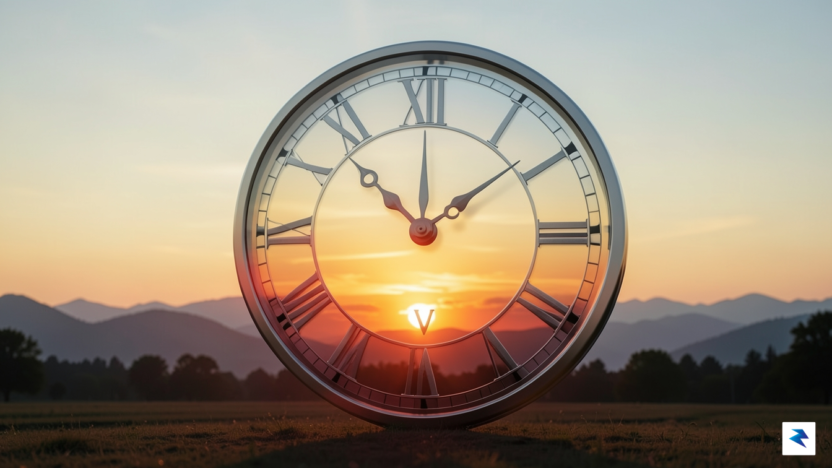

For over a century, the American ritual of adjusting clocks twice a year has been treated as a simple fact of life, a brief inconvenience accepted in the name of energy efficiency. Originally championed during the First World War to reduce coal consumption and extend daylight hours for industrial production, the practice was designed to align human activity with the sun. However, the world has changed drastically since the implementation of the Uniform Time Act of 1966. In our modern, interconnected society, the artificial manipulation of time has increasingly drawn criticism from medical experts, sleep scientists, and the general public alike, who argue that the biannual transition causes more harm than good to our collective health and productivity.
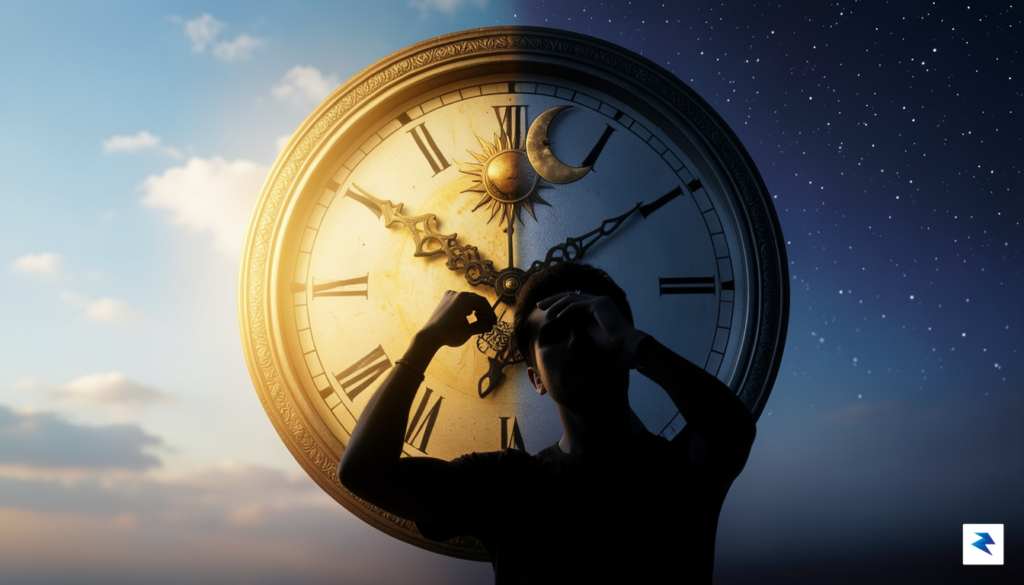
The growing movement to end this practice stems from a profound exhaustion with the disruption it causes. Every spring, the loss of a single hour of sleep triggers a well-documented increase in heart attacks, strokes, and workplace accidents as the population struggles to adapt to the sudden shift in their circadian rhythms. Beyond these acute health risks, the biannual switch creates a persistent sense of “social jetlag” that can linger for weeks, impacting school performance and mental well-being. This widespread fatigue has transitioned from a common seasonal complaint into a mainstream political issue, with a growing chorus of citizens demanding a standard, predictable schedule that does not require constant recalibration.
Legislative efforts to address this frustration have coalesced around the Sunshine Protection Act, a bipartisan proposal that seeks to make daylight saving time the permanent standard for the entire country. If enacted, this change would mean that the clocks would no longer “fall back” in November, effectively granting the nation more evening sunlight during the winter months. For the average citizen, this would translate to later sunsets year-round, potentially boosting retail activity and increasing opportunities for outdoor recreation after the workday ends.
The move toward permanent daylight saving time represents a fundamental shift in how we prioritize public health and economic consistency over outdated energy-saving models that no longer apply to our modern digital economy.
Supporters of the legislation argue that by eliminating the biannual disruption, the government can help stabilize the nation’s sleep patterns and improve overall public safety. While critics point out that permanent daylight saving would result in darker winter mornings—a trade-off that necessitates careful consideration—the overwhelming public sentiment suggests that most Americans are ready to trade those early morning rays for more usable, illuminated time in the evening. As the debate continues to gain momentum in the halls of Congress, the prospect of permanently ending the “spring forward, fall back” cycle appears closer to reality than it has at any point in the last hundred years.
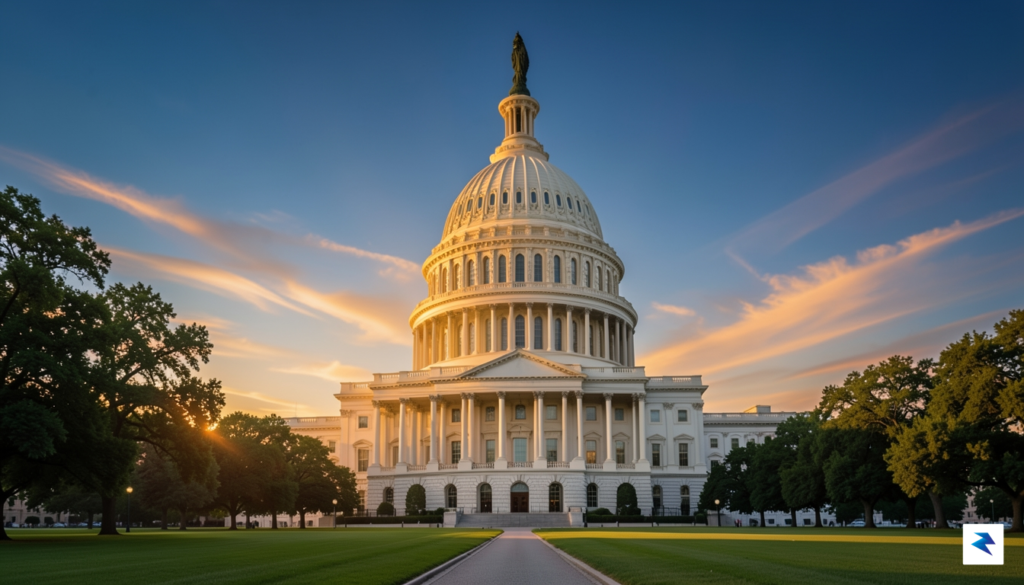
The legislative transition toward permanent daylight saving time represents a profound shift in how Congress views the traditional, biannual ritual of adjusting our clocks. What was once considered a fringe policy proposal or a niche topic of debate has rapidly evolved into a serious, bipartisan legislative objective. This change in momentum culminated in a decisive House vote, where the measure passed with a significant 308 to 117 margin. Such a lopsided outcome demonstrates that lawmakers from both sides of the aisle are increasingly sensitive to the collective frustration of their constituents, who have long argued that the disruption of the “spring forward” and “fall back” cycle negatively impacts public health, safety, and general economic productivity.
During the intense floor debate leading up to this milestone, proponents of the Sunshine Protection Act articulated a variety of compelling arguments that resonated with representatives across the political spectrum. Advocates emphasized that the current system is outdated, citing research that links the sudden shift in sleep patterns to spikes in heart attacks, strokes, and traffic accidents immediately following the time change. Furthermore, supporters highlighted the potential economic benefits of extending evening daylight throughout the year, suggesting that more sunlight during afternoon hours would encourage consumer activity and support industries such as retail, sports, and tourism. By framing the issue as a matter of modernizing American life rather than a partisan power play, proponents successfully built a broad coalition of support that effectively moved the legislation forward.
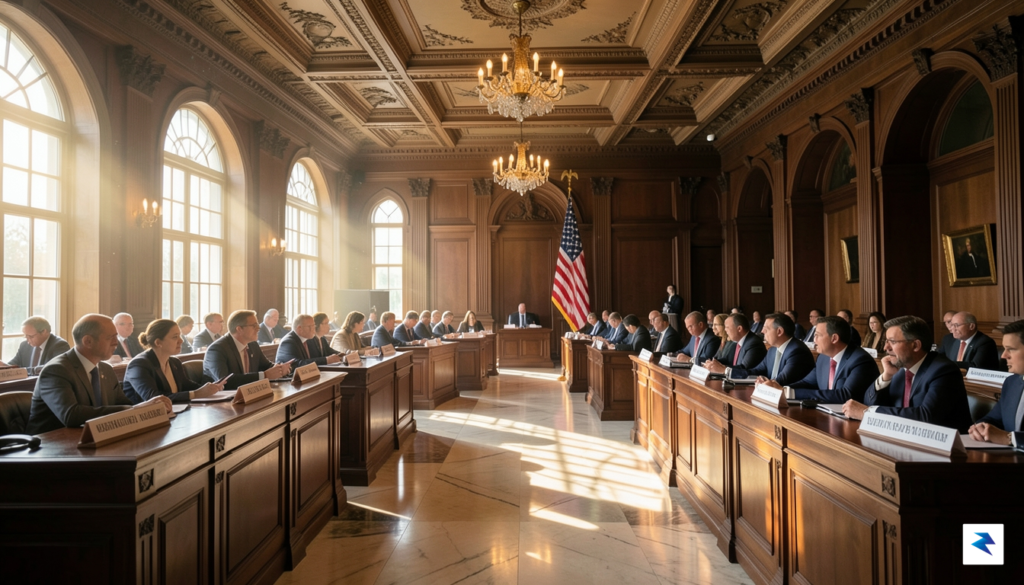
“The biannual clock change is a relic of a bygone era that no longer serves the needs of a modern, fast-paced society,” argued several key sponsors, noting that the legislative momentum reflects a growing national consensus on the matter.
This legislative success was not achieved in a vacuum, as it was fueled by a unique alignment of executive support and clear public sentiment. For years, the American public has consistently expressed a desire to stop the cycle of changing clocks, with various surveys and polls indicating widespread support for a uniform, permanent standard. When executive leadership signaled a willingness to sign such a bill into law, it provided the necessary political cover for hesitant members of Congress to reconsider their positions. Consequently, the recent vote in the House stands as a testament to the power of public pressure and the ability of the legislative process to respond to widespread societal fatigue. By clearing this significant hurdle, the movement to end the clock switch has moved significantly closer to becoming a reality, setting the stage for final implementation debates that will determine the future of how we measure our days.
For decades, the biannual ritual of adjusting our clocks has been accepted as a necessary inconvenience, yet mounting research suggests that this transition imposes a significant, measurable toll on our collective well-being. The phenomenon often described as “social jetlag”—the misalignment between our internal biological clocks and the demands of our external schedules—is exacerbated by the abrupt shift in light exposure. During the “spring forward” period, the sudden loss of an hour of sleep is linked to a documented spike in adverse cardiovascular events, including heart attacks and strokes, in the days immediately following the change. By establishing permanent daylight saving time, we could effectively eliminate this artificial disruption, allowing the human circadian rhythm to maintain a more consistent, healthy baseline that aligns better with our natural physiological needs.

Beyond the immediate physiological benefits, the economic implications of a permanent shift are equally compelling. Proponents argue that the current system of switching clocks leads to significant losses in workplace productivity as employees struggle to adjust to the sudden shift in their rest cycles. Furthermore, extended evening daylight hours are consistently associated with increased consumer activity. When the sun stays up later, people are more inclined to visit local businesses, dine out, and participate in outdoor commerce, which provides a reliable boost to the retail and hospitality sectors. While historical debates regarding energy savings have been mixed, the modern economic consensus leans toward the idea that a stable, predictable schedule fosters a more vibrant and active marketplace, reducing the “dead time” that often accompanies the sluggish adjustment periods of the current system.
The consistency of permanent daylight saving time could serve as a powerful public health intervention, reducing the acute stress on our healthcare systems while simultaneously stimulating local economies through extended evening activity.
The societal benefits extend well into the lives of families and youth as well. With more daylight in the evening hours, children gain the opportunity for safer outdoor play, improved access to organized after-school sports, and reduced exposure to the risks associated with commuting home in the dark. Enhanced visibility in the late afternoon is a proven deterrent for traffic accidents, particularly those involving pedestrians and student athletes. By locking in these brighter evenings, we are not just adjusting a clock; we are potentially creating a safer, more active environment for the next generation, proving that a small shift in policy can lead to profound, long-term improvements in our overall quality of life.

While the prospect of lingering sunlight on summer evenings feels like a welcome respite, the medical and scientific communities remain deeply skeptical of making Daylight Saving Time (DST) permanent. Sleep scientists and chronobiologists argue that our internal biology is fundamentally tethered to the natural solar cycle, and forcibly shifting our clocks away from that alignment carries significant health risks. According to these experts, the ideal solution for public health is actually the adoption of Permanent Standard Time, which keeps the sun at its highest point near noon, rather than the extended evening light offered by DST.
The core of the concern lies in a phenomenon known as circadian misalignment. Our bodies rely on the rising and setting of the sun to regulate essential processes, including hormone release, core body temperature, and digestion. When we artificially move the clock forward, we create a chronic mismatch between our social obligations—like school and work start times—and our biological clocks. This misalignment can lead to “social jetlag,” a state where individuals are chronically sleep-deprived and out of sync with their natural rhythms. Over time, this disruption is linked to an increased risk of obesity, cardiovascular disease, and impaired cognitive function.

Beyond the internal biological toll, there are immediate, practical safety concerns regarding the darker winter mornings that would inevitably follow a permanent shift. If the United States were to remain on Daylight Saving Time year-round, the sun would not rise until quite late in many parts of the country during the winter months. This poses a significant danger for commuters navigating icy roads in total darkness and for children walking or waiting at bus stops before the first light of day. Critics argue that the trade-off—a brighter afternoon in exchange for a hazardous, pitch-black commute—is a dangerous bargain that could lead to a spike in traffic accidents and pedestrian injuries.
The scientific consensus among sleep experts is that permanent standard time is the most effective way to align human biology with the sun, thereby reducing the chronic sleep debt that plagues the modern workforce.
Ultimately, while the public often rallies behind the convenience of “more sunshine,” the scientific community urges policymakers to look beyond the immediate aesthetic appeal of long summer nights. The long-term wellness of the population, they contend, depends on honoring the sun’s natural position rather than forcing our biological systems to adapt to a permanent, man-made time shift. By prioritizing internal health over external convenience, these experts suggest that we could avoid the widespread, long-term consequences of forcing our bodies to live in a state of constant, low-level biological chaos.

While the momentum behind the Sunshine Protection Act has sparked significant public interest, the road to permanently ending the biannual clock shift remains fraught with legislative hurdles. For the bill to move from its current status into law, it must first navigate the complex procedural machinery of the House of Representatives. Even if the bill garners enough support to reach the floor for a full vote, it faces intense scrutiny from lawmakers who are wary of the long-term economic and public health implications. The legislative process is rarely a straight line; it often involves rounds of committee reviews, public testimony, and the inevitable introduction of amendments that could fundamentally alter the bill’s original intent.
One of the primary roadblocks involves reconciling the diverse needs of different geographical regions across the United States. While many proponents argue that permanent daylight saving time would boost consumer spending and improve evening safety, critics point out that late sunrises during winter months could pose significant risks for children heading to school in the dark. Furthermore, industries that rely heavily on coordination with international markets have expressed concern about the potential for logistical friction if the United States diverges significantly from the time-keeping standards observed by its global trading partners. These competing interests mean that the Senate and the House must engage in rigorous negotiation to ensure that any final version of the bill is both practical and widely supported by stakeholders across different time zones.

Beyond the immediate political negotiations, there is the question of implementation timing. Even if the bill manages to pass both chambers of Congress and receives the President’s signature, federal agencies would require a significant transition period to update software, adjust transportation schedules, and synchronize broadcasting standards. Legislators are likely to build in a grace period—possibly lasting several months or even a year—to allow businesses and government entities to prepare for the end of the shift. This lead time is crucial to avoid the chaos of sudden, uncoordinated changes in everything from airline departure times to global financial market opening hours.
Ultimately, the journey to ending the biannual switch is as much about consensus-building as it is about policy. The path forward requires a delicate balance between public desire for more evening daylight and the logistical realities of a nation spanning multiple time zones.
Ultimately, the future of the Sunshine Protection Act depends on whether proponents can maintain the current political appetite for change amidst a busy legislative calendar. As the bill progresses, voters should expect to see various compromises, such as potential carve-outs for specific states or adjustments to the starting date of the permanent transition. While the dream of never having to touch a clock again feels within reach, the reality of federal lawmaking suggests that the transition will be deliberate, calculated, and subject to intense debate until the very last moment.
You must be logged in to post a comment.