
Top 10 Fun Discord Bots
Are you looking to spice up your Discord server with some fun and engaging bots? Do you want to create an environment that keeps your members…
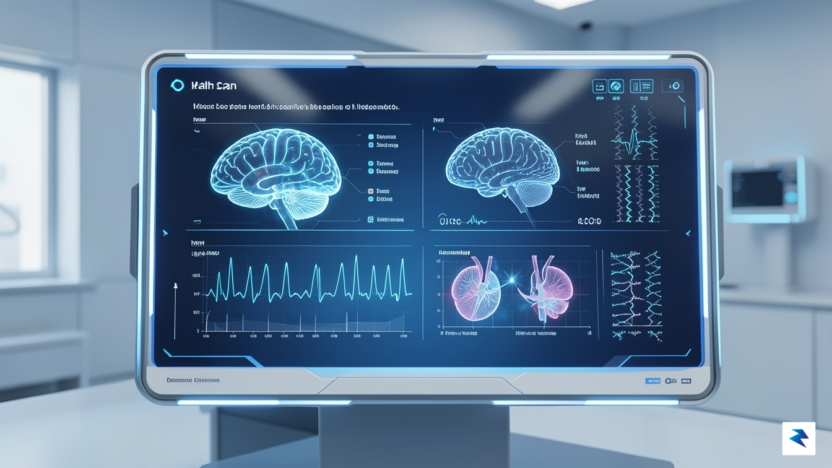
For decades, the global healthcare landscape has been defined by a reactive model—a “sick-care” system that waits for the emergence of debilitating symptoms before intervening. This traditional approach is inherently flawed, as it forces medical professionals to play a constant game of catch-up, focusing on damage control rather than the root causes of disease. By the time a patient feels unwell enough to seek care, the underlying biological damage may already be advanced, significantly complicating treatment pathways and increasing the likelihood of chronic complications. This systemic delay not only compromises individual health outcomes but also places an unsustainable financial burden on medical infrastructure worldwide.
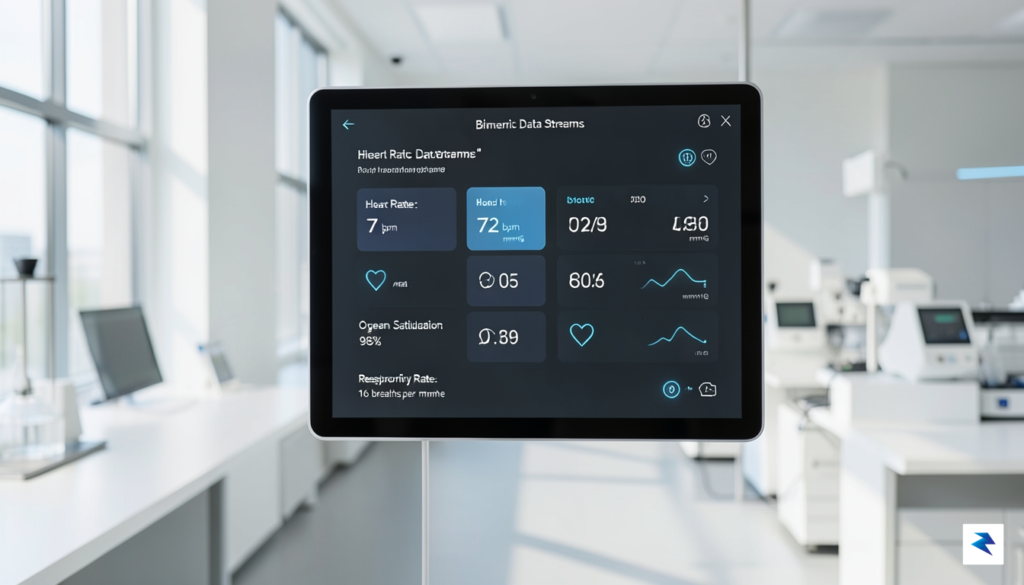
A profound paradigm shift is now underway, driven by the emergence of proactive health monitoring. Instead of waiting for a crisis, this new frontier prioritizes continuous data collection and early detection, effectively shifting the focus toward wellness maintenance and disease prevention. By leveraging sophisticated diagnostic technologies and high-fidelity biosensors, individuals can now track their physiological baselines in real time. This transition empowers patients to act as active participants in their own longevity, transforming health management from an episodic event into a seamless, ongoing practice of optimization.
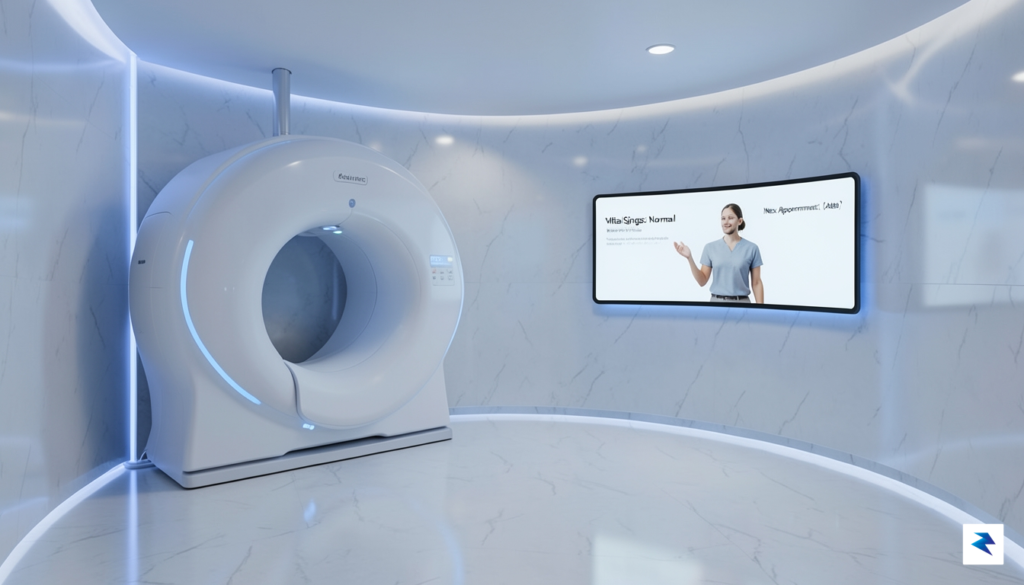
The technological backbone of this shift lies in the integration of wearable devices and advanced, non-invasive imaging. Modern diagnostics can now identify subtle molecular or structural deviations long before they manifest as clinical symptoms. For instance, sophisticated sensors can monitor heart rate variability, blood oxygen levels, and glucose fluctuations, while next-generation scanning technology allows for deep-tissue mapping that spots anomalies that traditional screenings might overlook. This granular level of detail allows for highly personalized health interventions, where lifestyle adjustments or preventative therapies are applied precisely when they are most effective.
The most effective way to manage a disease is to ensure it never crosses the threshold from a manageable risk factor into a life-altering condition.
Beyond the obvious health advantages, the economic argument for proactive monitoring is increasingly compelling. Identifying health risks during their nascent stages drastically reduces the need for invasive surgeries, prolonged hospitalizations, and expensive long-term pharmaceutical regimens. When we invest in early detection, we aren’t just extending the human lifespan; we are expanding the “healthspan”—the period of life spent in peak physical and mental condition. Ultimately, this movement toward proactive oversight promises to revolutionize the longevity sector, turning the elusive goal of preventative medicine into a tangible, data-driven reality for millions of people.
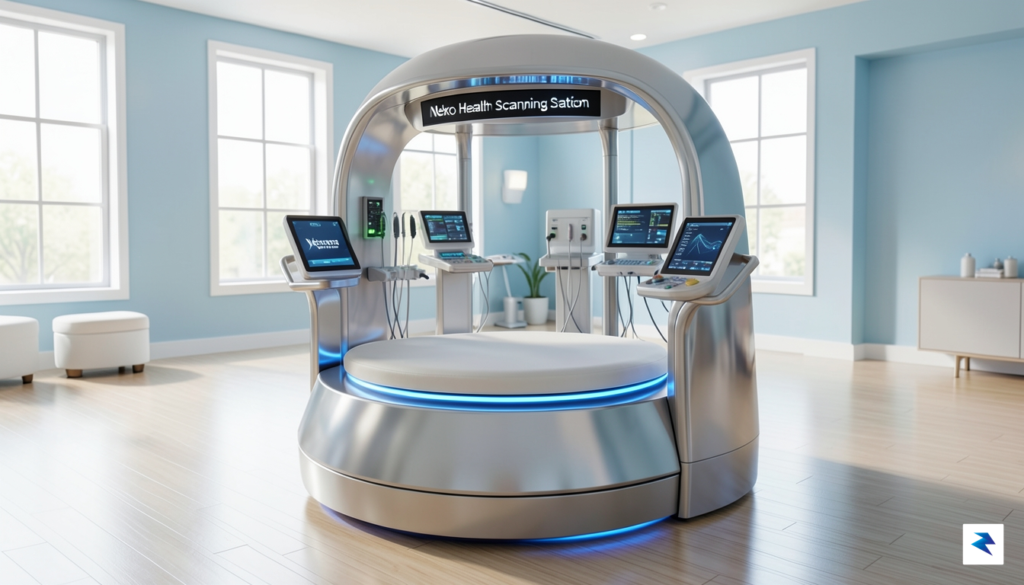
At the heart of Neko Health’s vision is a radical departure from the traditional, reactive model of medicine, which typically waits for symptoms to manifest before intervention occurs. Co-founded by Spotify’s Daniel Ek, the company employs a suite of high-fidelity, non-invasive sensors that perform a comprehensive physical examination in a matter of minutes. By utilizing advanced medical imaging and skin-surface sensors, the Neko Body Scan captures millions of data points, ranging from heart health and circulation to metabolic markers and subtle changes in skin lesions. This process effectively turns the abstract concept of a “wellness check” into a quantifiable, data-driven experience that provides a granular map of the user’s internal biology.
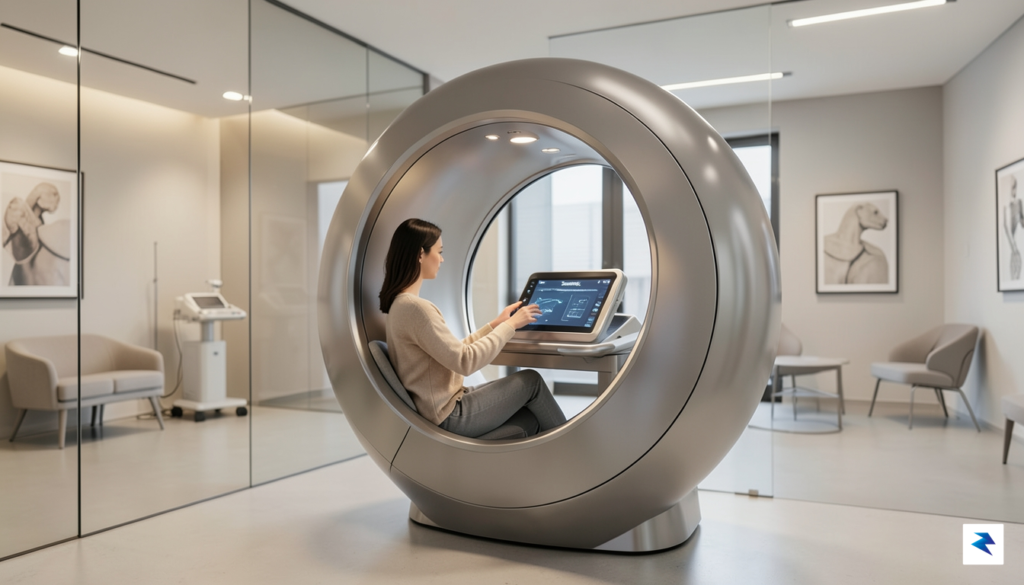
The true innovation, however, lies in how the company synthesizes this immense influx of data. Artificial intelligence serves as the analytical backbone of the platform, processing these massive datasets to identify patterns and anomalies that might elude the human eye during a standard consultation. By comparing individual results against vast historical and population-level health data, the system can flag potential risks—such as cardiovascular irregularities or early-stage dermatological concerns—long before they become clinical emergencies. This computational approach does not replace the physician; rather, it empowers them with a level of objective, longitudinal data that has historically been impossible to collect in a routine physical.
“The goal is not just to detect illness, but to shift the entire paradigm toward preventative, personalized health management that is both accessible and deeply informative.”
The user experience is designed to be frictionless and transparent, stripping away the anxiety often associated with medical testing. Patients walk into a specialized clinic where the technology performs a full-body assessment, and the results are delivered through an intuitive interface that simplifies complex metrics into actionable insights. This methodology represents a significant pillar in the broader ecosystem of personalized medicine, moving the industry away from “one-size-fits-all” diagnostic guidelines. As Neko Health continues to scale, its integration of AI-driven diagnostics aims to make long-term health monitoring a proactive lifestyle choice rather than a burdensome necessity, ultimately fostering a world where medical data serves as a roadmap for longevity.

The recent $700 million capital infusion into Neko Health marks a definitive turning point in how global markets perceive the intersection of biological science and high-end technology. Rather than viewing healthcare as a reactive industry—one that primarily intervenes only after symptoms appear—investors are now pivoting toward the lucrative promise of preventative longevity. This massive influx of capital is not merely a speculative gamble; it represents a calculated bet that the future of human health lies in predictive, data-driven diagnostics. By harnessing sophisticated sensors and rapid data processing, companies like Neko Health are positioning themselves as the foundational infrastructure for a new era of proactive wellness.
The investor roster behind this round reads like a “who’s who” of the tech and longevity ecosystems, signaling that the industry has moved well beyond the fringe interests of biohackers. Prominent venture capital firms and influential figures in the longevity space are coalescing around the idea that human lifespan extension is the ultimate technical challenge. Their involvement suggests a belief that software engineering, when applied to biological data, can unlock efficiencies that traditional medicine has struggled to capture for decades. When elite tech titans commit such substantial resources, it validates the shift toward a model where high-fidelity scanning and AI-powered health monitoring become standard, accessible consumer utilities.

The broader market potential for this preventative tech is staggering, as it addresses the unsustainable costs of global healthcare systems. Currently, the vast majority of medical spending is dedicated to treating chronic diseases that could have been mitigated or identified years earlier. By shifting the focus to early detection—using machine learning to spot patterns that the human eye might miss—investors anticipate a massive disruption in the healthcare value chain. This strategy effectively turns the human body into a platform for continuous monitoring, allowing for personalized interventions that are far more effective and less expensive than traditional late-stage treatments.
The core of this investment thesis is simple: by transforming health data into actionable insights, we move from a reactive model of disease management to a proactive model of longevity optimization.
Ultimately, the convergence of software engineering and biological data is unlocking a level of precision that was previously impossible. As developers and medical researchers align their efforts, the integration of real-time diagnostics into daily life will likely become as seamless as the smartphone revolution. Investors understand that the first movers in this space aren’t just selling scans or services; they are building the operating system for the next generation of human health. As this capital flows into R&D and scaling infrastructure, we are witnessing the birth of an industry that views aging not as an inevitable decline, but as a manageable, data-informed process.


The integration of high-fidelity biological scanning into the consumer wellness market creates an unprecedented vault of sensitive information, transforming the human body into a collection of actionable data points. As companies like Neko Health aggregate deep biological metrics—ranging from skin imaging and heart function to metabolic markers—the potential for data exploitation becomes a primary concern for both users and regulators. Entrusting a private entity with the blueprint of one’s internal health requires a new paradigm of digital security, where encryption is not merely an optional feature but the foundational architecture of the service. Without rigorous, end-to-end encryption and decentralized storage models, this granular health data could become a high-value target for malicious actors, necessitating a level of transparency and patient control that current health platforms rarely achieve.
Beyond the technical hurdles of data storage, the rise of artificial intelligence as a diagnostic tool introduces complex ethical dilemmas that the medical community must address proactively. When an algorithm processes thousands of data points to suggest a potential health risk, it removes the human element of clinical intuition and bedside manner. This reliance on black-box AI models risks creating “diagnostic anxiety,” where patients receive automated warnings without the nuanced context that a physician provides during a face-to-face consultation. Furthermore, there is the persistent risk of algorithmic bias, where the software may fail to accurately interpret biological data across diverse populations, leading to skewed health outcomes. It is essential that these diagnostic suggestions serve as a supplement to, rather than a replacement for, professional medical oversight.
The true test of preventative health technology lies not in the precision of its sensors, but in the integrity of its data stewardship and the transparency of its decision-making algorithms.
Regulatory bodies are currently playing a high-stakes game of catch-up as they attempt to define the boundaries for companies operating at the intersection of consumer technology and clinical diagnostics. Navigating the stringent requirements of frameworks like GDPR in Europe or HIPAA in the United States requires these firms to adopt an “ethics-by-design” approach to their product development. Moving forward, Neko Health and its contemporaries will need to prove that they can handle this sensitive influx of biometric data with the same rigor as a hospital system, all while maintaining the seamless user experience that attracts consumers in the first place. Achieving this balance will determine whether these longevity-focused initiatives become pillars of modern healthcare or cautionary tales in the history of digital privacy.

The recent infusion of capital into companies like Neko Health signals a profound shift from a reactive “sick care” model to a proactive, data-driven approach that prioritizes longevity and early intervention. As these diagnostic technologies continue to scale, we are witnessing the democratization of high-end clinical insights that were once reserved for the ultra-wealthy or those already suffering from acute conditions. By leveraging advanced sensors, AI-driven imaging, and real-time biometric monitoring, the average patient may soon have access to a comprehensive “health baseline” that alerts them to minute physiological changes long before symptoms manifest. This transition not only empowers individuals to take agency over their wellbeing but also promises to alleviate the immense financial and social burden currently placed on global healthcare systems by chronic, late-stage diseases.
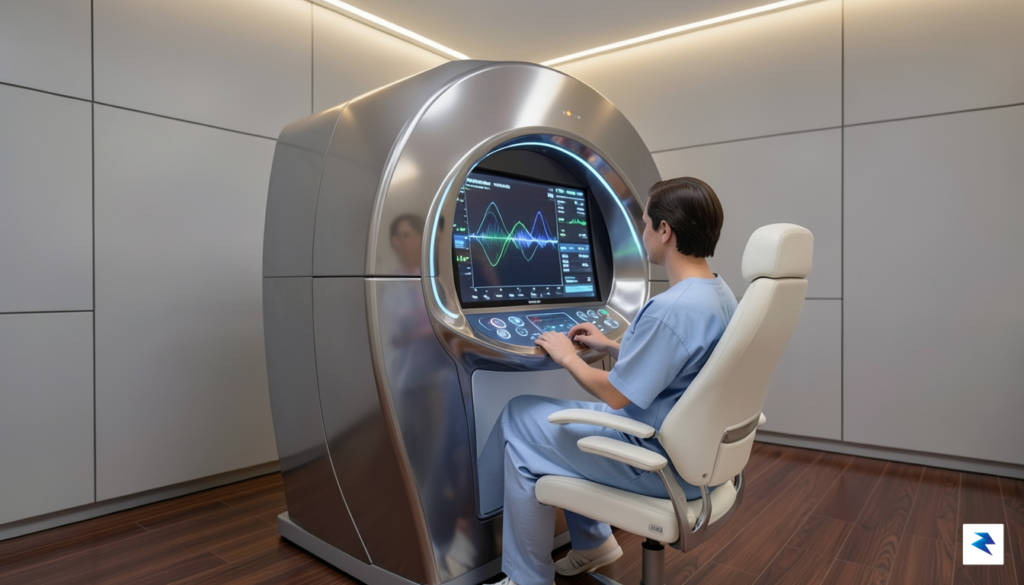
Looking further ahead, the successful integration of these systems into national health infrastructures could redefine the standard of care for entire populations. If diagnostic screening becomes as routine as a yearly dental check-up, medical professionals will be able to shift their focus from managing complex comorbidities to optimizing metabolic health and preventing systemic degradation. This paradigm shift relies on the “quantified self”—a future where our biological data acts as a constant, silent guardian, providing actionable intelligence on everything from cardiovascular efficiency to cellular aging. As deep-learning algorithms become more adept at identifying early markers for cancer, Alzheimer’s, and heart disease, the long-term impact on global life expectancy could be nothing short of revolutionary.
The true promise of this technological wave lies in the ability to catch disease at its most treatable stage, effectively turning the battle against chronic illness into a manageable routine of data-backed lifestyle adjustments.
Ultimately, the objective of this movement is to decouple biological age from chronological age, allowing humanity to remain vital and productive for decades longer than previously thought possible. While challenges regarding data privacy and equitable access remain, the momentum behind this investment round suggests that the industry is committed to building a scalable, human-centric future. For the average person, this means the future of medicine will not be defined by the hospital walls or the waiting room, but by a seamless, personalized digital health profile that evolves alongside them. By bridging the gap between cutting-edge diagnostics and everyday life, we are moving toward a world where health is no longer a mystery to be solved, but a measurable metric to be optimized.
You must be logged in to post a comment.