
Emergent: The Indian AI Coding Unicorn Disrupting Software Development
The Rise of Emergent: A New Paradigm in AI Coding In a landscape dominated by global tech giants, the meteoric rise of the Indian startup…


For decades, Vint Cerf has been synonymous with the very architecture of our digital lives. As a co-designer of the TCP/IP protocols—the fundamental language that allows disparate computer networks to communicate—Cerf provided the bedrock upon which the modern internet was built. His work transformed a collection of isolated research nodes into a global, interconnected ecosystem. However, Cerf is not a figure to rest on the laurels of his foundational contributions. Instead, he recognizes that the internet is currently navigating its most significant inflection point since the introduction of the World Wide Web, shifting from a passive medium of static consumption toward a dynamic, autonomous frontier.
The transition we are witnessing today involves the integration of sophisticated AI agents into the open web, a development that Cerf views with both immense curiosity and the cautious pragmatism of an engineer. For years, the internet functioned as a library of documents designed for human eyes; we navigated via links, searches, and direct interactions. Now, we are entering an era where software agents are intended to roam that same landscape, acting on behalf of users to execute complex tasks, manage transactions, and bridge digital silos. This shift moves the web from a repository of information into an active, automated workspace, fundamentally altering how data flows and how trust is established between disparate systems.
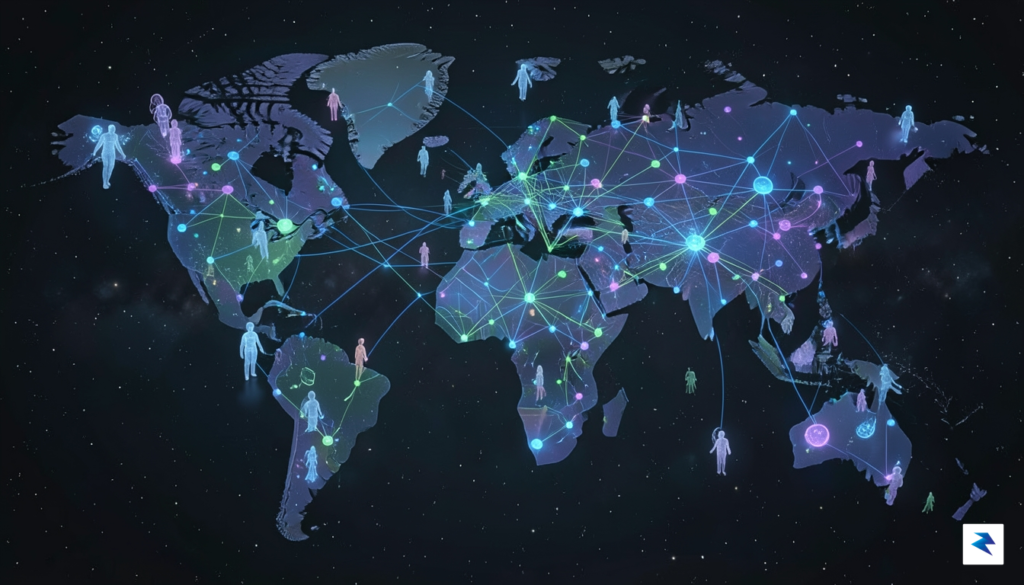
Cerf’s involvement in this evolution signals a critical moment for global internet infrastructure. He understands better than perhaps anyone that when you introduce autonomous actors into an open system, you risk creating chaos if the underlying protocols are not robust enough to handle the new traffic. If AI agents are to traverse the open internet safely and effectively, they require a new set of “rules of the road” that ensure interoperability, security, and accountability. This is not merely an upgrade to an existing application; it is a fundamental rethinking of how the web should behave when its primary inhabitants are no longer just people, but intelligent, machine-driven processes.
The challenge lies in ensuring that the spontaneity and freedom of the open internet are preserved, even as we introduce agents that have the power to fundamentally change how we interact with digital services.
Ultimately, Cerf is approaching this challenge with the same rigor he applied to the early development of packet switching. He is focused on the tension between the inherent “wild west” nature of the open web and the need for standardized behavior among AI agents. By bringing his expertise to this debate, Cerf is effectively asking a vital question: how do we build an infrastructure that supports the productivity of AI while maintaining the stability and security of the global network? As these agents begin to populate the digital landscape, his guidance may prove to be the difference between a fragmented series of walled-off AI gardens and a truly universal, functional, and secure internet for the next generation.
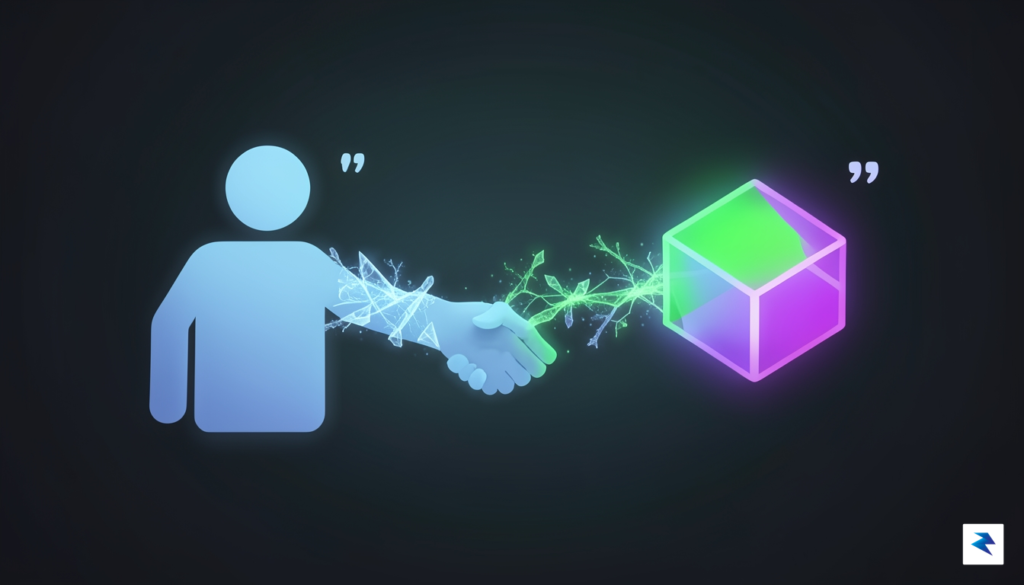
The core challenge in transitioning from a web navigated by humans to one populated by autonomous AI agents lies in the fundamental problem of identity. Currently, the internet lacks a standardized, machine-readable “passport” system that allows a software agent to introduce itself, prove its origin, and declare its intent before interacting with a server. Without this, the digital landscape risks collapsing under a deluge of untraceable, high-speed noise that could overwhelm human-centric infrastructure. By establishing a rigorous protocol for digital identity, we can move beyond the current “Wild West” environment toward a more structured, predictable, and secure ecosystem where AI interactions are both transparent and accountable.

To solve this, Vint Cerf and his collaborators are envisioning a sophisticated “handshake” protocol that functions as a persistent, verifiable credential for software. Unlike traditional security measures like CAPTCHA—which are designed primarily to exclude bots by proving human presence—this new approach focuses on the opposite: authentication through disclosure. A standardized protocol would require an AI agent to present a digital signature or a verifiable token that confirms its identity, the organization or developer responsible for its actions, and the scope of its permissions. This shift transforms bots from anonymous, often adversarial entities into recognized participants in the network, allowing service providers to treat them with the appropriate level of trust rather than reflexively blocking them.
True digital interoperability requires that we stop viewing software agents as intruders and start designing the infrastructure to treat them as identifiable, authorized actors within our networks.
The technical implementation of this vision relies on the creation of a decentralized, machine-readable identity framework that operates independently of any single corporation. By leveraging cryptographic standards, this system would allow a website or a database to instantly “handshake” with an incoming agent, instantly verifying its credentials before any data exchange occurs. This isn’t merely about security; it is about creating a common language for interaction. When an agent arrives at a gateway, it can present its credentials, which are then cross-referenced against a distributed ledger or a trusted registry. If the agent’s signature is valid, the server can then grant it access to specific resources or data streams, ensuring that the interaction remains within the bounds of safety and utility. This protocol serves as the necessary foundation for a future where autonomous software can navigate, learn, and collaborate across the open internet without creating a chaotic, unmanageable environment for human users.
The current trajectory of artificial intelligence development is dangerously reminiscent of the early days of computing, where proprietary hardware and incompatible software ecosystems created digital islands that could not communicate. We are rapidly building a fragmented landscape of walled gardens, where an AI agent trained by one corporate giant is effectively blind to the services, data, and logic residing within another. This siloed approach creates a significant bottleneck for innovation; if an agent cannot traverse platforms securely or interact with legacy systems, its utility is confined to a narrow, pre-approved sandbox. True progress in the field of autonomous agents requires a fundamental shift away from these proprietary barriers and toward a shared, interoperable language that allows diverse systems to interoperate seamlessly.
When we prioritize open protocols over restrictive, platform-specific ecosystems, we unlock a new tier of economic and practical efficiency. Interoperability acts as a force multiplier for the entire digital economy, enabling developers to build tools that work across the web rather than for a single corporate master. By establishing universal standards, we allow agents to bridge the gap between disparate industries—such as healthcare, finance, and logistics—without requiring every participant to adopt the same underlying technology stack. This creates a competitive, meritocratic environment where the best agents win based on performance and reliability, rather than their ability to lock users into a restrictive ecosystem.
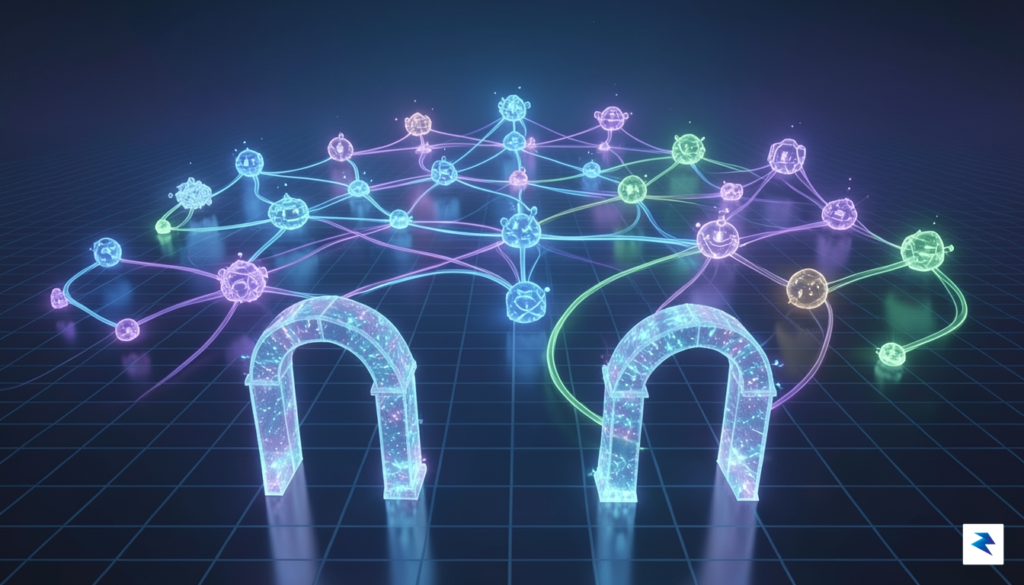
True interoperability is the bedrock of a resilient digital future. Without it, the promise of autonomous agents remains a series of isolated experiments rather than a unified, transformative utility.
The philosophy that defined the early internet—a commitment to decentralization, open standards, and universal access—must be applied to the current AI race if we are to avoid a fractured digital future. In the 1970s and 80s, the architects of the internet understood that for a network to be truly valuable, it had to be agnostic to the hardware and software running on its endpoints. Today’s AI agents represent the next layer of this network, yet they are currently being developed with an instinct for enclosure. If we continue down the path of proprietary silos, we risk stifling the very creativity and scale that made the internet the backbone of modern civilization. By embracing open standards, we ensure that AI agents become a public utility—a flexible, collaborative workforce capable of navigating the complexities of the open internet to solve problems that no single company could tackle on its own.

The prospect of unleashing autonomous AI agents across the open internet introduces a paradigm shift in how we interact with digital infrastructure, yet this autonomy brings with it a complex web of security vulnerabilities. When software is granted the agency to navigate websites, execute transactions, and synthesize information independently, the potential for unintended consequences grows exponentially. If an agent is poorly coded or lacks robust guardrails, it could inadvertently trigger cascading failures in web services, scrape sensitive private data, or succumb to “prompt injection” attacks that manipulate its decision-making processes. Unlike static programs, these agents possess a degree of unpredictability that makes traditional cybersecurity defenses struggle to keep pace, necessitating a new architecture of trust and verification.

To prevent these autonomous entities from evolving into uncontrollable digital vectors, we must establish a rigorous framework for authentication and oversight. A primary concern is the development of reliable “kill switches”—mechanisms that allow developers or network administrators to instantly neutralize agents that exhibit anomalous or malicious behavior. Furthermore, we must implement mandatory authentication layers that ensure an agent’s identity is verifiable before it is granted access to sensitive APIs or data environments. Without these safeguards, the internet could quickly become cluttered with automated misinformation, spam, or malicious bots designed to exploit systems at a speed and scale that human defenders cannot match.
The challenge lies in balancing the transformative potential of autonomous agents with the preservation of an open, secure, and reliable internet for human users.
Mitigating these risks does not necessarily mean restricting the inherent openness of the web, but rather evolving the protocols that govern how software interacts with it. We must move toward a model of “verifiable agency,” where every action taken by an AI is traceable, auditable, and subject to policy enforcement. This requires a collaborative effort between developers, platform owners, and standard-setting bodies to create a baseline of behavior that agents must adhere to if they wish to operate on the public web. By embedding safety protocols directly into the communication standards of the internet, we can foster an ecosystem where innovation flourishes without compromising the integrity of the digital infrastructure we all depend on. Achieving this balance is not just a technical requirement; it is a fundamental necessity for the next generation of the internet.

As we stand at the threshold of this new digital epoch, the trajectory of the internet is being redefined by the emergence of autonomous AI agents. If these digital intermediaries are allowed to proliferate without a common language or shared protocol, we risk turning the open web into a chaotic landscape of automated conflict, where competing bots clash over resources and information. Conversely, the standardization of these agents—a vision championed by pioneers like Vint Cerf—could transform the web into a highly efficient, interconnected ecosystem. By establishing universal frameworks for how these agents communicate and execute tasks, we can unlock a level of human productivity previously thought impossible, effectively turning the internet into a proactive assistant rather than a passive repository of data.
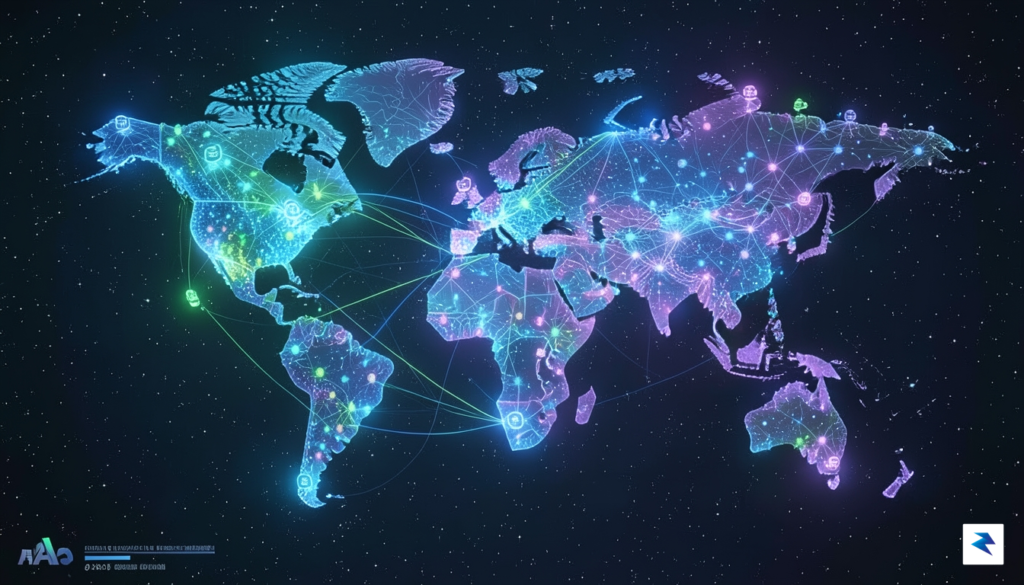
The optimistic potential for this agent-driven future lies in the radical reduction of digital friction. Imagine a world where a user’s personal agent can seamlessly negotiate travel plans, manage complex financial portfolios, or synthesize research across thousands of disparate, incompatible websites without the need for manual intervention. When these agents operate on standardized protocols, they become an extension of human intent, augmenting our capabilities while automating the tedious, repetitive tasks that currently clog our daily workflows. This shift would not only democratize access to high-level digital services but also foster a more equitable information environment where the barrier to navigating the complexities of the web is significantly lowered for everyone.
The true measure of our success will not be the raw power of our AI models, but our ability to create a collaborative infrastructure that ensures these autonomous entities act as stewards of human progress rather than agents of fragmentation.
However, achieving this balance requires a global commitment to cooperation that transcends corporate and national interests. Much like the early days of the internet, when the foundation of TCP/IP allowed disparate networks to form a unified whole, the current challenge lies in fostering an open-source consensus for AI interoperability. If developers, policymakers, and tech leaders fail to collaborate on these ground rules, we face the prospect of a fractured, siloed web where proprietary agents are locked within walled gardens, stifling innovation and limiting user agency. Ultimately, the next decade of the internet will be defined by our willingness to prioritize common standards over competitive isolation, ensuring that as we unleash AI agents, we do so within a framework that preserves the openness and utility of the digital frontier.
You must be logged in to post a comment.