Inside Kevin Warsh’s New Fed: The Strategy Behind the Five Task Forces
A New Era at the Federal Reserve: Warsh’s Strategic Shift Kevin M. Warsh’s appointment marks a definitive departure from the traditional,…


The Drug Enforcement Administration (DEA) derives its authority to place substances under strict regulatory control through the Controlled Substances Act (CSA). Specifically, 21 U.S.C. § 811(h) grants the Attorney General the power to place a substance into Schedule I on a temporary basis to avoid an imminent hazard to public safety. This mechanism is designed to bypass the traditional, lengthy administrative rulemaking process when federal regulators determine that a substance poses an immediate risk of abuse, overdose, or lack of accepted safety protocols in medical practice. By invoking this authority, the DEA effectively treats these compounds as if they were already formally scheduled, forcing a rapid cessation of legal distribution chains and manufacturing processes.
To justify the invocation of this emergency scheduling power, the DEA must satisfy a specific legal threshold. The agency must demonstrate that the substance has no currently accepted medical use in the United States and lacks accepted safety for use under medical supervision. The “imminent hazard” standard requires the DEA to provide evidence that the substance is being abused in a way that risks the health of the public, which often includes data on emergency room visits, reports of poison control center interactions, and forensic laboratory findings. Once this evidentiary threshold is met, the temporary scheduling order takes effect immediately upon publication in the Federal Register, leaving little room for businesses or consumers to adjust their operations before legal penalties for possession or distribution apply.
The temporary scheduling order functions as a precautionary measure, designed to freeze the distribution of substances while the Department of Health and Human Services and the DEA conduct a more thorough, permanent evaluation of the drug’s safety profile and potential for addiction.
The duration of this scheduling action is intentionally limited to allow for a formal review. Under the current legal framework, a temporary scheduling order remains in effect for two years, with a potential extension of up to one additional year if formal rulemaking proceedings are already underway. During this window, manufacturers, retailers, and consumers face significant legal ramifications. For businesses, this means that any inventory containing the affected substances becomes contraband, subject to seizure and forfeiture. For consumers, the legal implications shift from a landscape of unregulated or gray-market access to one where possession without a valid prescription—or in the case of Schedule I, any legal possession at all—can lead to criminal prosecution. Consequently, entities operating within the supply chain must treat these regulatory shifts with extreme caution, as the transition to controlled status effectively criminalizes previously permissible commercial activities overnight.


7-Hydroxymitragynine, commonly referred to as 7-OH, is a specialized alkaloid derived from Mitragyna speciosa, the tropical evergreen tree native to Southeast Asia known as Kratom. While Kratom leaves contain a diverse profile of over 40 distinct alkaloids, 7-OH is frequently singled out due to its unique pharmacological potency. In its natural, unprocessed state, this compound exists only in trace amounts, often representing a negligible fraction of the total alkaloid content within a standard raw leaf. Because of this naturally low concentration, traditional use of the plant material typically provides a vastly different physiological experience than that of refined or isolated versions of the substance.
The recent regulatory focus from federal agencies is rooted in the dramatic evolution of how this compound is now manufactured and marketed. Modern extraction techniques allow laboratories to isolate 7-OH or synthesize it in concentrated forms that bear little resemblance to the original botanical product. By stripping away the plant’s natural chemical balance, manufacturers can produce powders, tablets, and extracts that contain levels of 7-OH exponentially higher than what could ever be achieved through the consumption of raw leaf material. This shift from botanical consumption to concentrated chemical intake has raised significant alarms regarding user safety, as these high-potency products can lead to more intense, unpredictable, and potentially hazardous biological effects.
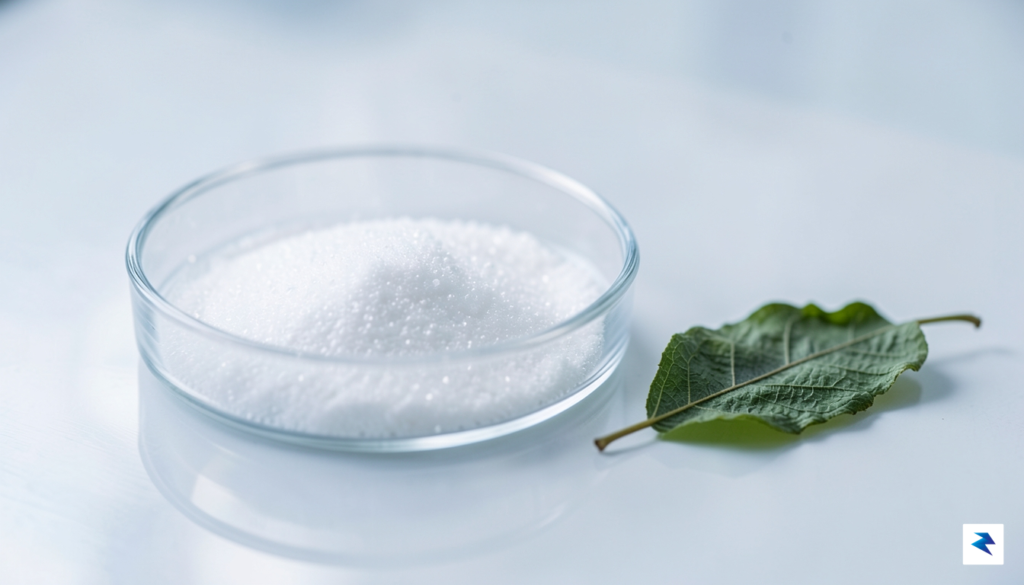
From a pharmacological perspective, 7-OH acts as a potent agonist at the mu-opioid receptors within the human nervous system. While its structural cousin, mitragynine, is the most abundant alkaloid in the plant, 7-OH is significantly more active at these receptor sites, contributing to a much higher binding affinity. When individuals ingest these concentrated, lab-enhanced products, they are bypassing the natural botanical buffering that typically limits the rate of absorption and total intensity. Consequently, the regulatory bodies are specifically targeting these high-potency formulations to mitigate the risk of adverse health events, including dependency, respiratory depression, and other systemic physiological complications that are less common with traditional, whole-leaf consumption.
The core of the regulatory debate is not the plant itself, but the emergence of highly potent, isolated chemical forms that deviate significantly from the traditional botanical profile.
Understanding this distinction is vital for both consumers and industry stakeholders as the legal landscape shifts. By isolating specific alkaloids, the industry has moved into a grey area of drug development that lacks the long-term clinical safety data required for pharmaceutical substances. Federal authorities are increasingly viewing these concentrated 7-OH products as distinct, synthetic-like entities rather than simple herbal supplements, necessitating a more rigorous approach to public health oversight to prevent accidental misuse and ensure consumer safety in an increasingly complex marketplace.
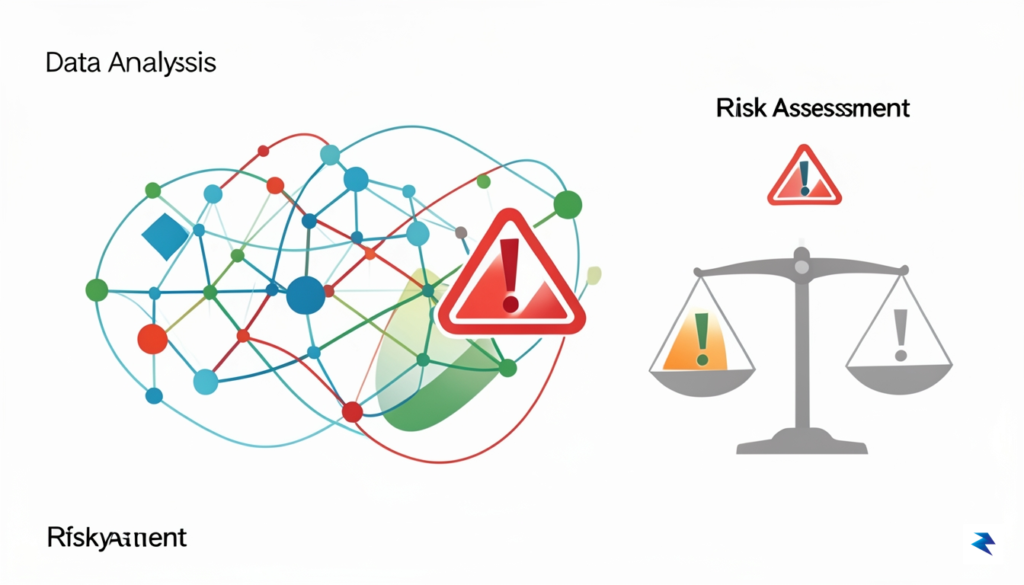
The regulatory intervention by the Drug Enforcement Administration (DEA) regarding 7-hydroxymitragynine (7-OH) is fundamentally driven by a growing body of evidence suggesting that the substance poses a significant risk to public health. While 7-OH is a naturally occurring alkaloid found in the kratom plant, its concentrated, isolated, and semi-synthetic forms have demonstrated a potency profile that significantly exceeds that of traditional botanical preparations. Regulators are particularly concerned about the compound’s high affinity for opioid receptors, which clinical data suggests can lead to profound sedative effects, respiratory depression, and a heightened potential for physical dependence. As these isolated products become more accessible, the agency has observed a marked increase in reported adverse events, ranging from severe nausea and cognitive impairment to more dangerous physiological complications that require emergency medical intervention.
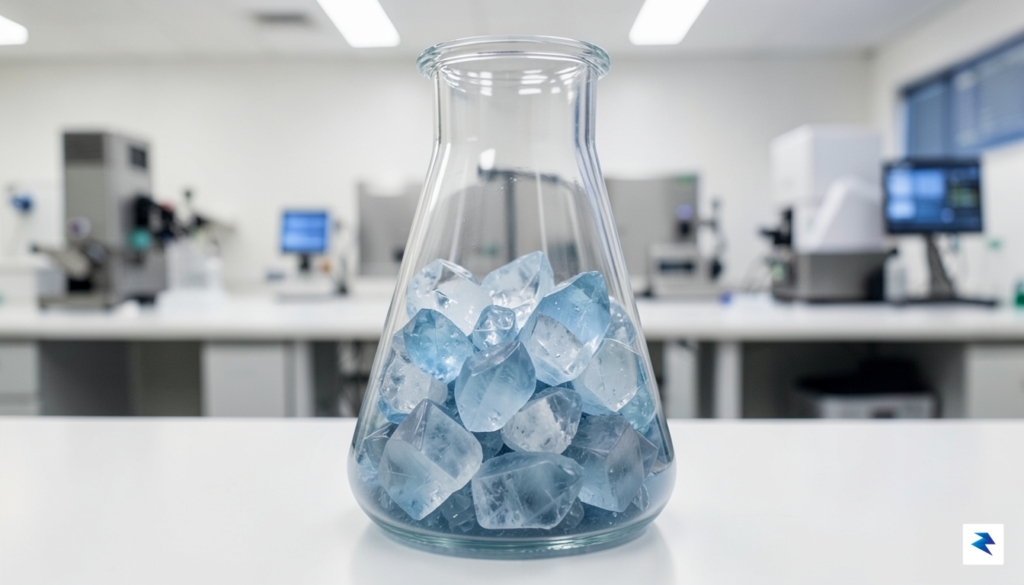
Beyond the clinical toxicity profile, the DEA has pointed to the increasingly chaotic nature of the current supplement market as a primary driver for immediate regulatory action. Investigations have revealed that 7-OH is frequently marketed in ways that obscure its potency, often appearing in gas stations and smoke shops alongside unregulated, adulterated, or mislabeled products. This lack of standardization means that consumers are often unaware of the actual dosage they are consuming, which drastically increases the risk of accidental overdose. The prevalence of these substances in the illicit and grey-market supplement sectors has created an environment where the lack of quality control poses an imminent threat to consumers who may believe they are purchasing a benign herbal supplement, rather than a substance with powerful, drug-like effects.
The DEA’s primary mandate is to prevent an imminent hazard to public safety, and when a substance demonstrates a clear risk of abuse and toxicity without established therapeutic benefits, temporary scheduling becomes a necessary instrument for harm reduction.
Striking the balance between personal access to herbal products and the government’s obligation to mitigate public health crises remains a complex and contentious issue. Proponents of these substances often argue for the benefits of natural alternatives, yet the DEA maintains that when a compound undergoes chemical isolation to achieve a synthetic-like potency, it crosses the threshold from a traditional botanical into a controlled substance. By moving to temporarily schedule 7-OH, the agency aims to halt the rapid proliferation of these products while it conducts a more exhaustive evaluation of their safety and medical utility. This pause is designed to allow researchers and health officials to better understand the long-term impacts of the substance, ensuring that future regulations are grounded in scientific consensus rather than the unchecked growth of a dangerous market.
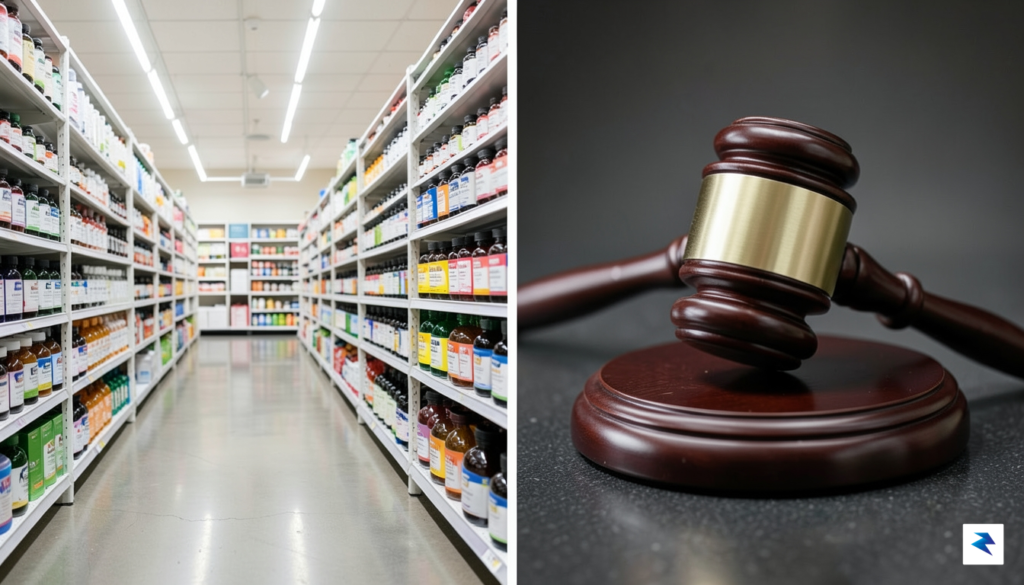
The temporary scheduling of 7-hydroxymitragynine (7-OH) introduces a profound shift in the legal landscape for the botanical supplement sector. For retailers and distributors, this transition necessitates an immediate and comprehensive audit of existing inventories to ensure full compliance with federal law. Possession, distribution, or manufacturing of a Schedule I substance carries severe criminal penalties, and businesses that continue to stock products containing these compounds risk not only the seizure of their assets but also potential prosecution. The operational burden is immense, as companies must navigate the complexities of federal oversight, which often moves faster than internal supply chain logistics can adjust. Consequently, many vendors are currently forced to halt sales or pull products from shelves entirely to avoid the significant legal liability associated with handling controlled substances.
Beyond the immediate legal threats, the legitimate kratom industry faces a period of intense uncertainty regarding market stability and consumer trust. While many businesses have operated in good faith to provide high-quality, unadulterated botanical products, the inclusion of 7-OH in federal scheduling creates a “guilt by association” effect that may impact the broader kratom market. Stakeholders are now tasked with the difficult challenge of distinguishing traditional kratom leaves from concentrated or semi-synthetic derivatives that have drawn the scrutiny of regulatory agencies. This regulatory pressure could lead to increased costs for compliance, testing, and legal counsel, potentially forcing smaller, boutique retailers out of the market while favoring larger entities with the resources to navigate rigorous federal scrutiny.
Key Takeaway for Businesses: Proactive compliance is the only viable strategy in the current climate. Retailers should consult with legal counsel specializing in controlled substances to determine the precise status of their current inventory and avoid any potential involvement with prohibited compounds.

For the average consumer, this regulatory development underscores the critical importance of vigilance and caution when purchasing botanical supplements. The classification of 7-OH as a controlled substance serves as a stark reminder that not all products on the market are subject to the same safety standards or legal protections. Consumers should prioritize transparency, seeking out brands that provide third-party Certificates of Analysis (COAs) and maintain clear, honest labeling practices. It is essential for users to stay informed by monitoring official updates from the Drug Enforcement Administration (DEA) and the Food and Drug Administration (FDA), as these agencies will be the primary sources for any changes to enforcement priorities or additional scheduling actions. As the market continues to evolve, relying on verified information rather than anecdotal claims found on social media or unregulated forums is the most effective way to ensure personal safety and legal compliance.

The move to temporarily classify 7-hydroxymitragynine (7-OH) as a controlled substance represents a significant inflection point in the broader conversation regarding the oversight of botanical compounds. For years, the dietary supplement industry has operated in a gray area, where innovation often outpaces the development of formal safety standards. As federal agencies like the Drug Enforcement Administration (DEA) step in to address immediate public safety concerns, it becomes increasingly clear that the status quo is shifting toward a model of heightened scrutiny. This transition is not merely about enforcement; it is a signal that the era of unregulated botanical alkaloids is reaching a crossroads, necessitating a more proactive approach to quality control and scientific validation.

It is crucial for consumers and industry stakeholders to distinguish between the roles of the DEA and the Food and Drug Administration (FDA). While the DEA’s scheduling process is an enforcement mechanism designed to curb potential abuse or public health threats by restricting access, the FDA occupies a different regulatory lane. The FDA is primarily concerned with the safety, labeling, and manufacturing standards of supplements under the Dietary Supplement Health and Education Act (DSHEA). Consequently, even if a substance avoids strict criminal scheduling, it remains subject to FDA oversight, which may include mandates for mandatory reporting of adverse events or the removal of products that make unsubstantiated therapeutic claims. Understanding this distinction is vital, as future industry viability will likely depend on satisfying both sets of regulatory requirements simultaneously.
The long-term health of the botanical supplement market hinges on a commitment to transparency, rigorous clinical data, and a move away from products that bypass standard safety protocols.
Looking ahead, the path forward requires a concentrated effort to transition from anecdotal marketing to evidence-based science. The current lack of comprehensive, peer-reviewed clinical studies on many botanical alkaloids leaves a vacuum that regulatory agencies are now filling with restrictive policies. To foster a sustainable future, industry advocates and researchers must prioritize:
As the legal process unfolds, stakeholders must remain vigilant, participating in the public comment periods provided by federal agencies. By contributing to a robust dialogue backed by empirical research, the industry can help shape a regulatory environment that protects consumer safety while preserving access to legitimate botanical products. The future of this sector will not be defined by the temporary actions of a single agency, but by the industry’s collective ability to prove its commitment to safety through sustained scientific rigor.
You must be logged in to post a comment.